

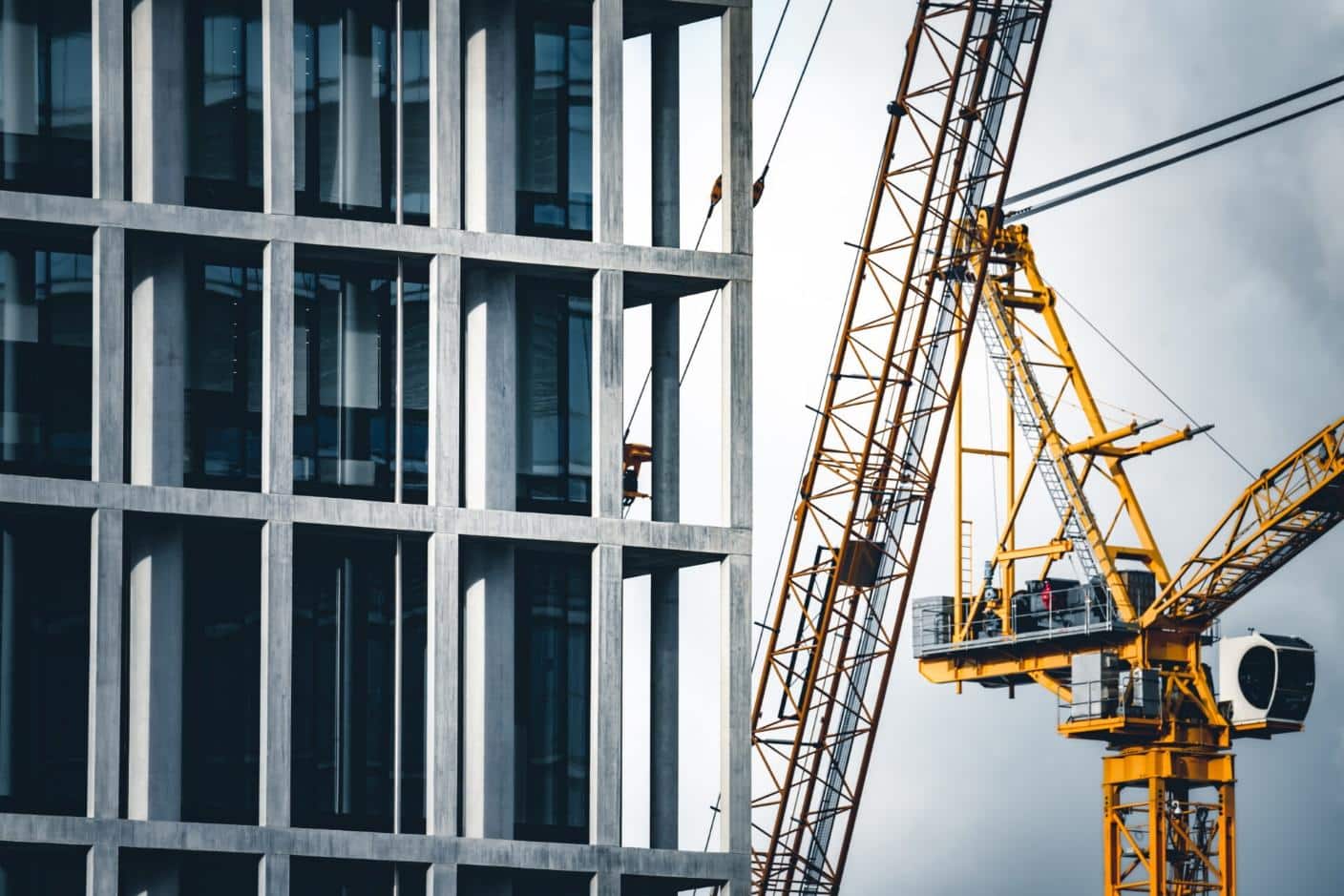
Texas is evolving at a very rapid pace, and it is evident everywhere during a long drive. Open fields become a work zone. Flags mark new sites. Some machines slice the soil. A steel frame appears and announces the beginning of a new industrial project soon.
The warehouses, production plants, and distribution centers occupy the places where they did not exist before. This unceasing movement has integrated with the Texas identity.
This is where industrial building contractors in Texas come in. Last year, the state recorded more than four billion dollars in industrial construction spending, and the number continues to rise as more companies choose Texas for long-term growth.
The push toward sustainable industrial development also shapes how businesses choose to build. Owners have become demanding in terms of layouts, materials, and permanent structures.
Why Industrial Construction Plays a Big Role in Texas Growth
The locality of Texas has open land and high access routes, which are enticing to businesses of all scales. The state boasts more than 70,000 miles of highways, which assist companies in delivering goods quickly. The industrial locations close to these routes decrease delivery time and fuel costs, thus enhancing overall effectiveness.
Another major factor influencing growth is the rise in commercial infrastructure demand. An increased number of people, businesses, and deliveries need greater industrial support systems.
It has been reported that the industrial real estate market in Texas has increased by over a quarter in the past three years. The gradual increase would require businesses to have new storage, manufacturing, processing, and distribution areas.
What Industrial Building Contractors in Texas Actually Do
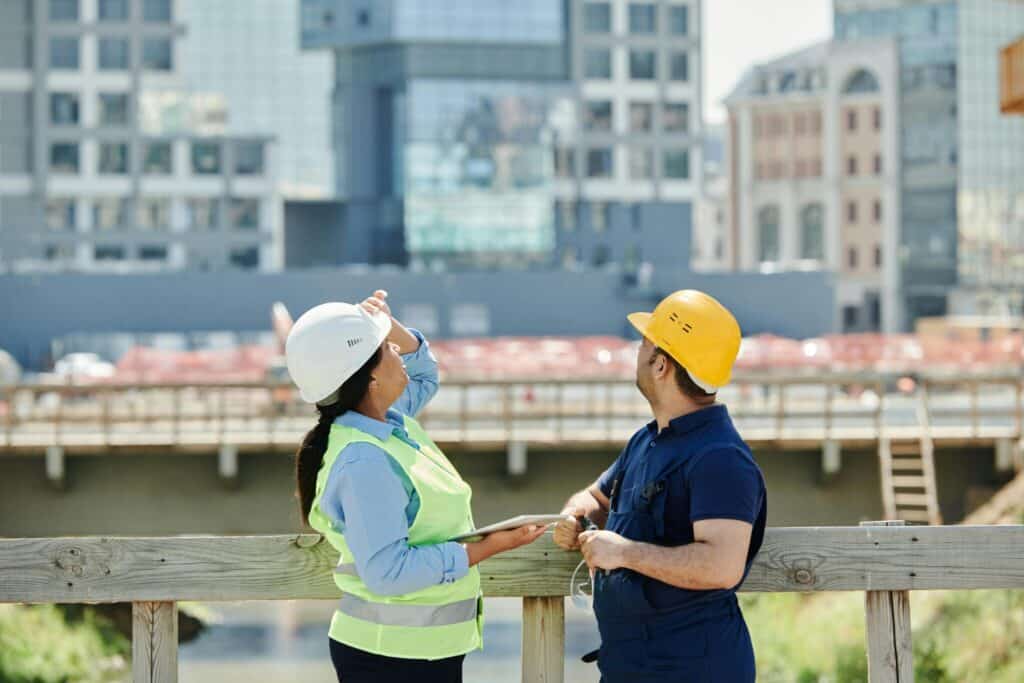
Industrial contractors handle far more than the visible construction work. Their responsibilities begin before the first machine arrives on site. Their core tasks include:
Pre-construction Planning
- This stage shapes the full project before work begins.
- It sets the timeline, estimates costs, and identifies risks early.
- More than thirty percent of delays come from weak early planning.
- National studies show nearly seventy percent of budget overruns start in pre-planning.
- Strong planning keeps materials, labor, and schedules aligned.
- For large projects managed by industrial building contractors in Texas, early decisions affect cost, safety, and delivery.
- Good planning also supports long-term goals tied to sustainable industrial development.
Site Preparation
- The land must support long-term operations without issues.
- Contractors test soil, improve drainage, and create clean access routes.
- Nearly forty percent of foundation failures come from poor soil evaluation.
- Texas has many areas with expansive clay soils that shift with moisture.
- Proper site work prevents movement, cracking, and early structural problems.
- Companies can lower long-term maintenance costs by up to twenty-five percent with proper preparation.
- This step is critical in a state with strong commercial infrastructure demand, where sites must be ready for fast development.
Structural Work
- Buildings must support heavy loads, machines, and constant movement.
- Contractors use steel frames and strong concrete slabs to handle this.
- Texas added thirty-eight million square feet of industrial space last year.
- Over seventy percent of new facilities used steel framing for long-span strength.
- This phase ensures the building can handle forklifts, conveyors, and equipment safely.
- Strong framing also supports future growth and long-term adaptability.
Safety and Compliance
- Texas has strict rules for fire safety, structure, and worker protection.
- Contractors handle inspections and compliance paperwork.
- OSHA reports that nearly sixty percent of violations occur in industrial settings.
- Texas data shows compliant projects face fifty percent fewer work stoppages.
- Good safety planning prevents delays and protects workers.
Owners planning future expansion often explore industrial site planning, which helps them understand how to design a space that can grow with their operations.
Why Choosing the Right Contractor Matters
Industrial projects require large teams, heavy machinery, and careful organization. Choosing the wrong contractor often leads to delays, cost changes, or poor quality work. Strong industrial contractors stand out because they bring the following strengths:
Experience with Large-scale Buildings
Experienced contractors understand how to manage industrial workflows. They anticipate challenges and maintain project stability.
Knowledge of Texas Codes
Local contractors understand Texas building rules related to structural safety and fire protection. This prevents compliance issues and reduces delays.
Strong Supplier Networks
Industrial projects require materials from multiple vendors. Contractors with reliable networks secure materials faster and maintain steady progress. Studies show material delays account for more than twenty percent of project slowdowns.
Clear Communication
Large projects involve many teams. Contractors who communicate clearly keep everyone aligned and avoid confusion.
Modern Construction Trends Shaping Industrial Projects in Texas

Industrial construction in Texas continues to evolve with new methods and technology. These new trends indicate how the industry is responding to the rising demand of efficient and future-ready facilities.
Prefabricated Steel Structures
These structures help reduce construction time and maintain strong building quality. They also reduce material waste, which supports long-term goals related to sustainable industrial development.
Energy-efficient Systems
Improved lighting, insulation, and ventilation reduce long-term energy costs. Industrial facilities run for long periods, which makes these improvements valuable. This shift is also driven by increasing commercial infrastructure demand in major Texas markets.
Smart Building Systems
Automated systems and sensors help track energy use, temperature, and workflow. This improves safety and efficiency as companies and industrial building contractors in Texas adopt newer tools that support sustainable industrial development.
Sustainable Construction Practices
Companies increasingly focus on reducing environmental impact. They invest in recycled materials, better insulation, and water-saving systems to create long-lasting structures. This focus continues to grow as more owners align their facilities with sustainable industrial development principles.
The Final Verdict
Texas continues to expand, and so does the need for strong industrial spaces. Businesses look for partners who understand the complexity behind large facilities. Skilled industrial contractors support owners from the first planning meeting to the final inspection.
They build spaces that improve workflow, support production, and last for years to come. This is why many companies rely on Arrant Construction when they want dependable results.
Frequently Asked Questions
1. What do industrial building contractors in Texas specialize in?
They plan and build industrial facilities such as warehouses, manufacturing plants, distribution centers, and production sites. They handle planning, structure, safety, and final inspections.
2. How long does an industrial construction project usually take?
Project length depends on size and location. Medium projects often take five to nine months. Larger facilities may take twelve months or more.
3. Why do Texas businesses prefer local industrial contractors?
Local contractors understand Texas codes, weather patterns, and regional materials. This knowledge helps prevent delays and improve overall project quality.
4. Are industrial buildings in Texas designed to handle heavy equipment?
Yes. Industrial buildings use reinforced floors and strong support systems that can handle forklifts, machinery, and storage racks.
5. Do industrial contractors help with permits and compliance?
Yes. Most experienced contractors manage inspections, permits, and safety requirements to keep the project smooth and compliant.