

Many people use acrylic paint for crafts, art, and home projects, but water is a common worry.
You might paint a sign, a canvas, or outdoor decor and wonder what happens if it gets wet. This question comes up because acrylic paint starts with water, yet dries into a solid layer.
In this article, I will share whether acrylic paint is waterproof and how it really reacts to moisture.
You will learn what happens when acrylic paint dries, how long it takes to cure, and why water can still cause damage in some cases.
I have also shared how acrylic paint performs on different surfaces, when it works outdoors, and how sealers help protect your work. By the end, you will know how to keep your painted projects lasting longer.
Understanding Acrylic Paints and Its Composition
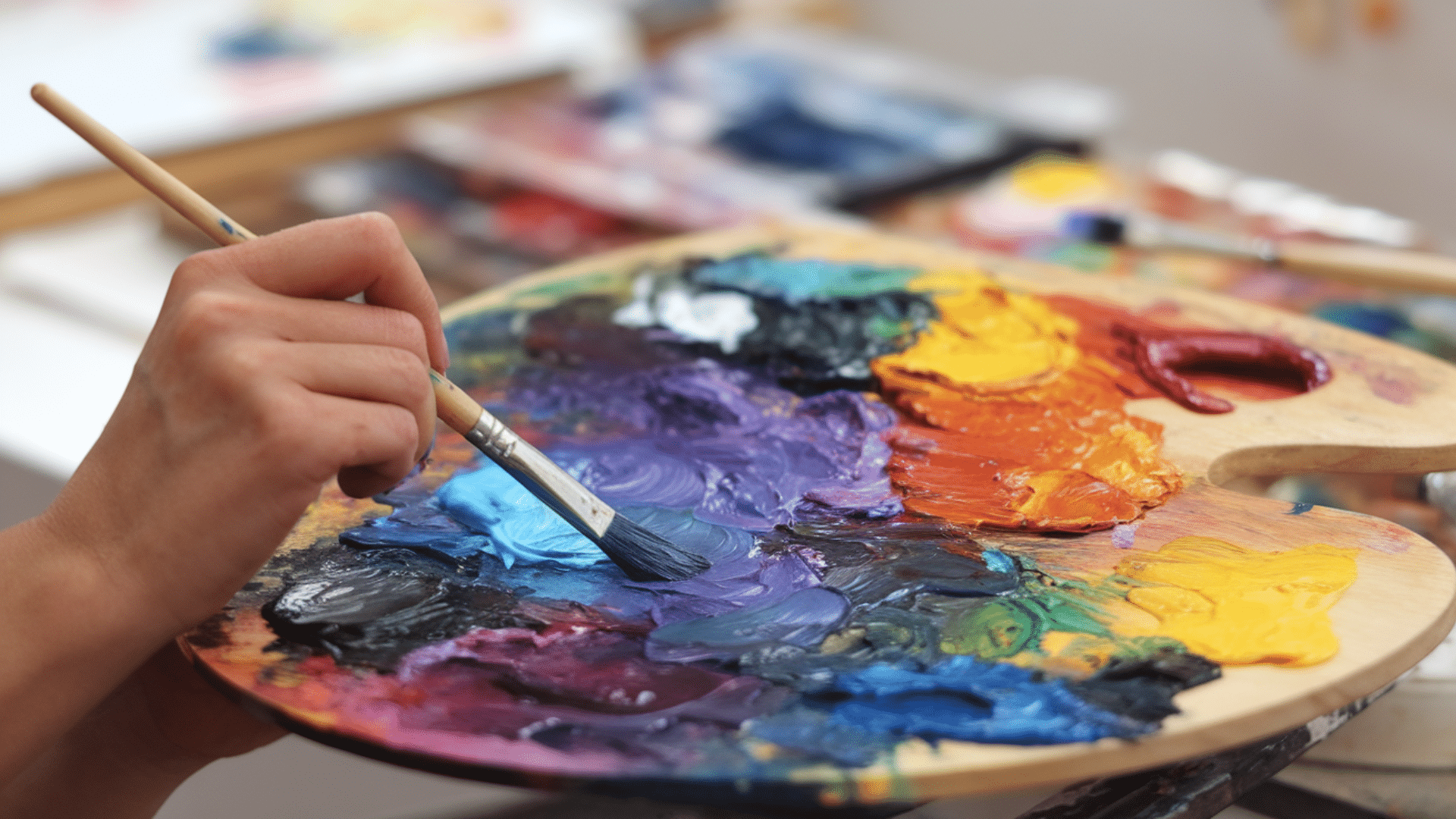
Acrylic paint is made from pigment, acrylic polymer, and water. The pigment gives the paint its color, while the acrylic polymer acts as a binder that holds everything together once the paint dries.
Water is added to keep the paint liquid and easy to use.
Before drying, water allows the paint to spread, blend, and clean up easily with soap and water.
Once the paint is applied, the water slowly evaporates. This drying process causes the acrylic polymer to harden and form a solid layer on the surface.
This change is important because it affects how the paint reacts to water later.
When acrylic paint dries, it no longer dissolves in water, but it does not become fully waterproof on its own.
Drying turns acrylic paint from water-based to water-resistant. That is why drying time and paint thickness matter for long-term results.
Is Acrylic Paint Waterproof After Drying?
Acrylic paint is not fully waterproof, even after it dries. Once dry, it becomes water-resistant, which means it can handle light moisture but not constant water exposure.
If water sits on the surface for too long, it can still soften or damage the paint.
There is also a difference between dry paint and cured paint. Dry paint feels solid to the touch within minutes or hours, but curing takes longer.
Curing happens when all the water has fully left the paint, and the surface becomes stronger. This can take several days.
Even when cured, acrylic paint is still not waterproof without extra protection.
It holds up better than many paints, but water can still cause issues over time. That is why sealing is often needed for lasting results.
Factors Affecting the Water Resistance of Acrylic Paints
Several factors decide how well acrylic paint holds up against water. These details matter before, during, and after painting, especially if moisture is a concern.
1. Thickness of Paint Layers
Thicker layers of acrylic paint usually provide better water resistance than very thin coats. When paint is applied too lightly, it dries quickly but forms a weak surface that water can pass through more easily.
Thicker layers create a stronger film once dry, which helps slow down moisture absorption.
However, very thick layers need more drying and curing time. If they dry unevenly, cracking or soft spots can occur.
Applying paint in even, medium layers allows each coat to dry properly and build strength. This method helps the paint last longer and handle light water exposure more effectively.
2. Drying and Curing Time
Drying and curing are often confused, but they affect water resistance in different ways. Dry paint may feel solid within hours, but curing continues for several days.
During curing, all remaining water leaves the paint, and the surface becomes harder and more stable.
If acrylic paint gets wet before curing is complete, water can weaken the paint layer. Rushing this process increases the risk of peeling or softening later.
Allowing enough curing time helps the paint bond better and improves how it reacts to moisture over time.
3. Quality and Brand of Paint
The quality of acrylic paint plays a major role in water resistance. Higher-quality paints contain more pigment and stronger binders, which create a tougher surface once dry.
Lower-quality paints often include fillers that reduce durability and make the paint more sensitive to water.
Artist-grade and exterior acrylic paints usually perform better than basic craft paints. These paints are designed to handle stress, moisture, and surface movement.
Choosing a reliable brand improves consistency and helps the paint hold up better in damp or humid conditions.
4. Environmental Conditions Like Humidity
Environmental conditions affect how acrylic paint dries and cures.
High humidity slows water evaporation, which extends drying time and weakens the final paint layer.
Poor airflow can also trap moisture in the paint. When acrylic paint dries in damp conditions, it may remain soft or sticky longer than expected.
Painting in a dry, well-ventilated space helps water leave the paint evenly.
Stable conditions support proper curing and result in better water resistance and a stronger finished surface.
Can You Use Acrylic Paint Outdoors?
Acrylic paint can be used outdoors, but it needs extra care. It handles light rain and moisture once dry, but constant water exposure can still cause damage over time.
Rain that dries fast is usually fine, but long, damp conditions can soften paint and cause peeling. Sun exposure is another concern.
Direct sunlight can fade colors and weaken the paint surface, especially on darker shades.
UV rays slowly break down unsealed acrylic paint. Outdoor use is safer on covered surfaces like porches or shaded walls.
Acrylic paint works best outside when it is fully cured and protected with a proper sealer.
Without sealing, outdoor projects are more likely to fade, crack, or wear down faster than expected.
How Durable Is Acrylic Paint on Different Surfaces?
Acrylic paint can last well on many surfaces, but the results depend on the material and how it is prepared. Some surfaces hold paint better than others.
1. Acrylic Paint on Canvas
Acrylic paint works very well on canvas and is one of the most common choices for artists.
Canvas absorbs paint evenly and allows acrylics to bond well once dry. Primed canvas offers the best durability and helps prevent cracking over time.
When used indoors, acrylic paint on canvas can last for years without issues.
Light moisture usually does not affect it, but direct water contact should be avoided. Sealing adds extra protection, especially for artwork displayed in humid areas.
2. Acrylic Paint on Wood
Wood is a porous surface, which affects how acrylic paint performs over time. Without proper preparation, wood can absorb moisture and cause the paint to lift, bubble, or peel.
Sanding smooths the surface, while priming helps the paint stick better.
Once dry, acrylic paint holds up fairly well on wood, especially for indoor projects. Outdoor wooden surfaces need a good sealer to protect against rain and humidity.
Changes in temperature can also cause wood to expand and contract, which may lead to cracking or reduced paint durability.
3. Acrylic Paint on Metal and Plastic
Acrylic paint can stick to metal and plastic, but both surfaces need extra preparation. Smooth materials make it harder for paint to grip and stay in place.
Cleaning removes oils, while sanding and priming help improve adhesion.
On metal, trapped moisture can lead to rust forming under the paint if it is not sealed. Plastic surfaces can bend or flex, which may cause cracking over time.
Acrylic paint lasts longer on metal and plastic when sealed properly and kept away from constant moisture or heavy wear.
How Long Does Acrylic Paint Take to Fully Cure?
Acrylic paint may feel dry quickly, but curing takes much longer. Most acrylic paint becomes dry to the touch within a few hours.
Full curing usually takes 3 to 7 days. During this time, all remaining water leaves the paint, and the surface becomes harder and more stable.
If the paint gets wet before curing is complete, it can soften or lose strength.
Thicker paint layers take longer to cure. Cool temperatures, high humidity, and poor airflow can also slow the process.
It is best to keep painted items in a dry, well-ventilated space while they cure. Waiting for full curing helps improve water resistance and reduces the risk of peeling, cracking, or damage later on.
How to Make Acrylic Paint Waterproof?
Acrylic paint needs extra steps to handle water exposure better. Proper timing, products, and application methods all play an important role.
1. Let the Paint Fully Dry and Cure
Before adding any protection, acrylic paint must fully dry and cure.
Dry paint may feel solid within hours, but curing can take several days. During this time, all moisture leaves the paint, and the surface becomes stronger.
Sealing too soon can trap water and weaken the finish. Let the paint cure in a dry space with good airflow.
Giving the paint enough time helps the sealer bond properly and improves long-term water resistance.
2. Choose the Right Sealer for the Surface
Different projects need different sealers.
Spray sealers work well for artwork and crafts, while brush-on sealers provide thicker coverage for wood or furniture.
Outdoor projects benefit from sealers labeled for exterior use. Using the wrong type can reduce protection or cause peeling.
Always match the sealer to the surface and exposure level. This step helps the paint handle moisture, sunlight, and wear more effectively.
3. Apply the Sealer in Thin and Even Coats
Applying sealer in thin, even layers gives better results than one heavy coat. Thick coats can dry unevenly and trap moisture underneath.
Light coats dry faster and build a stronger protective layer over time.
Allow each coat to dry fully before adding the next one.
This method reduces streaks, bubbles, and weak spots. Multiple thin coats create better water resistance and help the paint last longer.
4. Allow Proper Drying Time After Sealing
Once sealed, the surface still needs time to dry and set.
Touching or exposing it to water too soon can damage the finish. Most sealers need at least 24 hours to dry, while full protection may take longer.
Keep the item in a dry area during this time.
Letting the sealer cure properly ensures the paint stays protected and handles water exposure better in daily use.
Best Sealers to Protect Acrylic Paint from Water
Sealers add a protective layer that helps painted surfaces last longer. The right choice depends on the project, surface, and exposure level.
- Acrylic spray sealer: Easy to apply and dries fast. Works well for art, crafts, and light outdoor use.
- Brush-on acrylic sealer: Offers more control and thicker coverage. Best for wood, canvas, and detailed surfaces.
- Polyurethane sealer: Provides strong protection against moisture. Good for furniture and high-use items.
- Outdoor or UV-resistant sealer: Helps reduce fading from sunlight. Useful for outdoor signs and decor.
- Water-based varnish: Low odor and easy cleanup. Suitable for indoor projects needing light protection.
Acrylic Paint vs Other Types of Paints
Each type of paint reacts differently to water once applied. Understanding these differences helps you choose the right paint for your project.
| Paint Type | Water Reaction After Drying | Durability With Moisture | Best Use Case |
| Acrylic Paint | Becomes water-resistant, not fully waterproof | Handles light moisture but softens with long exposure | Crafts, home projects, mixed surfaces |
| Watercolor | Reactivates when wet | Very low resistance to water | Paper art, indoor artwork |
| Oil Paint | Repels water once cured | High resistance after full curing | Fine art, long-lasting paintings |
Common Misconceptions About Waterproof Acrylic Paint
Many people misunderstand how acrylic paint reacts to water. These common beliefs can lead to damaged projects if not addressed early.
1. Acrylic Paint Is Fully Waterproof
Acrylic paint is often assumed to be fully waterproof once it dries, but this is not true.
Dry acrylic paint is water-resistant, meaning it can handle light moisture for short periods. Long exposure to water can still soften or weaken the paint.
Without a sealer, water can slowly pass through the paint layer.
This misconception often causes problems for outdoor or washable projects where extra protection is needed.
2. Once Dry Water Can’t Affect It
Dry paint feels solid, which leads many to think water no longer matters. In reality, drying only means the surface feels firm.
Full curing takes longer, and even cured paint is not waterproof. Water can still cause swelling, fading, or peeling over time. This is especially true in damp environments.
Sealing the paint is the best way to reduce water damage and extend the life of painted surfaces.
3. All Acrylic Paints Behave the Same
Not all acrylic paints perform equally. Quality, brand, and purpose affect how paint reacts to water.
Craft paints, artist-grade paints, and outdoor acrylics have different formulas. Lower-quality paints may break down faster when exposed to moisture.
Some acrylic paints are designed for walls or exteriors, while others are meant for art only.
Assuming all acrylic paints behave the same often leads to poor results and early wear.
When Acrylic Paint Is Not a Good Choice?
Some projects need stronger protection than acrylic paint can offer. Knowing these limits helps prevent early damage and rework.
- Items exposed to constant water: Acrylic paint can soften or peel when water sits on it for long periods.
- Surfaces that stay damp: High moisture areas reduce paint strength and increase the risk of lifting.
- High-heat environments: Heat can weaken the paint and affect how it bonds to surfaces.
- Flexible or moving materials: Bending or stretching can cause cracking over time.
- Projects without sealing options: Acrylic paint needs a sealer for lasting water protection.
- Heavy-use outdoor items: Frequent weather exposure can wear down unsealed acrylic paint quickly.
Conclusion
Acrylic paint is easy to use and works well for many projects, but it has limits when it comes to water. Once dry, it becomes water-resistant, not fully waterproof.
Light moisture is usually fine, but long exposure to water can still cause damage.
Drying and curing time, surface prep, paint quality, and sealing all play a role in how well it holds up.
If you want your project to last, testing the paint on a small area first is a smart step. Adding the right sealer also makes a big difference, especially for outdoor or high-use items.
Every project is different, so results can vary. If you have worked with acrylic paint before, share what worked for you in the comments below.