

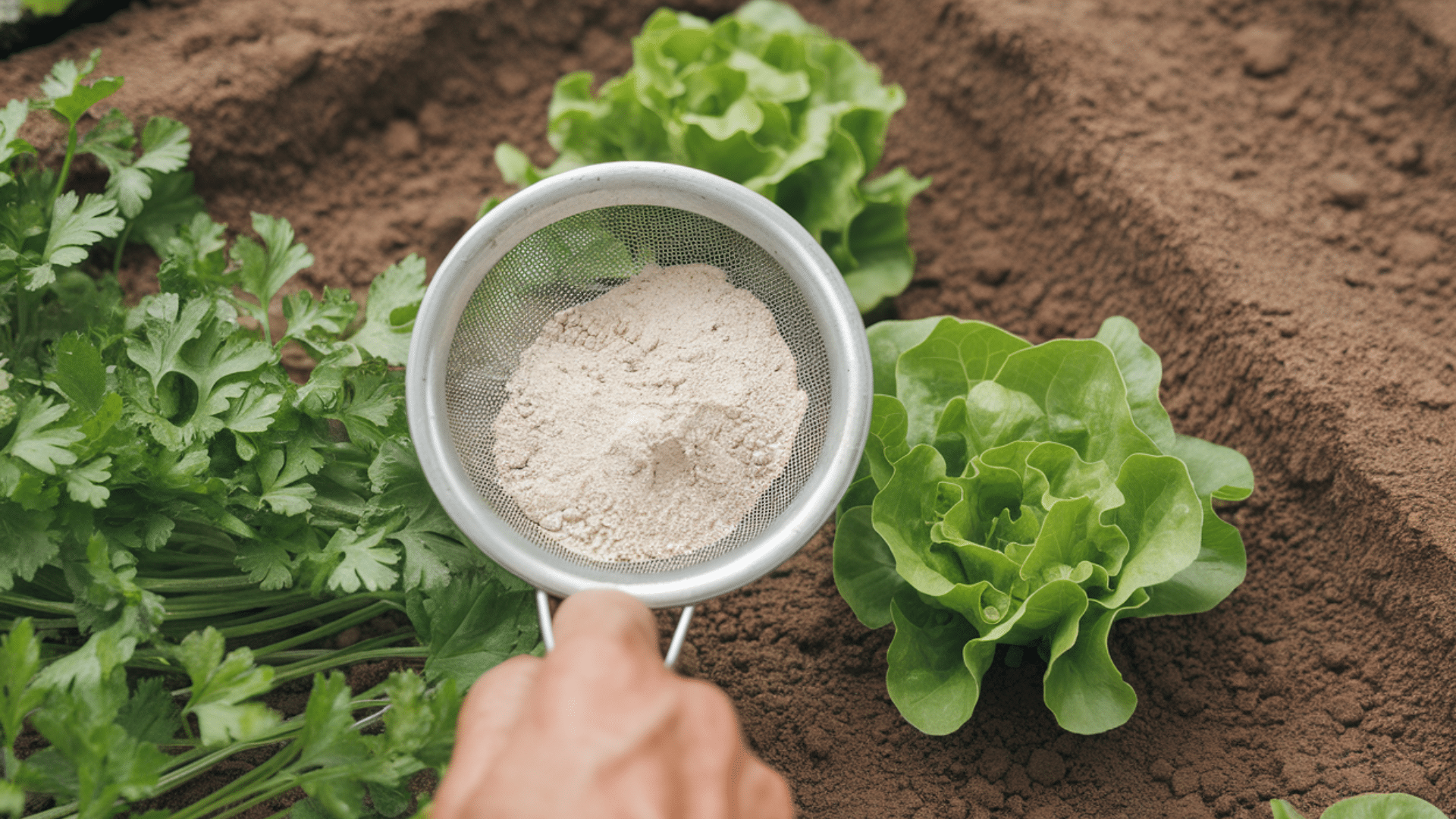
Baking soda is often mentioned as a quick fix in gardening tips shared online. Many people suggest using it for plant care, soil problems, or common garden issues.
At the same time, there are concerns about how it may affect plants over time. Because baking soda is a strong substance, even small amounts can change how plants respond to their environment.
These mixed results create confusion for beginners and home gardeners.
Before using baking soda on plants, it helps to understand why it is used and what risks may come with it.
What is Baking Soda and Why is it Used in Gardening?
Baking soda is also called sodium bicarbonate. It is a fundamental substance, meaning it is alkaline. When added to soil or sprayed on plants, it can change the natural balance of the growing environment.
Gardeners use baking soda mainly because:
- It is cheap and easy to find
- It mixes easily with water
- It is often suggested in home gardening tips
Many people want to know if baking soda is suitable for plants, but the answer depends on how it is used and for what purpose.
Advantages and Disadvantages of Using Baking Soda in Gardening
Baking soda can offer some benefits in gardening when used carefully, but it also comes with clear risks. Understanding both sides helps avoid plant damage.
| Advantages | Disadvantages |
|---|---|
| May slow the spread of fungal diseases like powdery mildew | Raises the soil pH too much for most garden plants |
| Changes leaf surface conditions that reduce fungus growth | Prevents proper nutrient absorption |
| Can raise soil pH slightly in rare acidic soils | Causes salt buildup due to sodium content |
| May help plants that prefer alkaline soil when tested first | Damages plant roots and blocks water uptake |
| Low cost and easy to find | Can burn leaves and stems when sprayed |
| Simple to mix with water and apply in small amounts | Increases plant stress with repeated use |
| Useful only in limited situations | Not safe for regular or long-term plant care |
Methods & Benefits of Using Baking Soda in Gardening
Baking soda is used in gardening mainly as a home remedy. It is not a fertilizer or plant food. Its role is limited to surface treatments for certain problems. When used carefully and in small amounts, it may offer short-term help in specific situations.
Method 1: Baking Soda Spray for Disease Management

How it is used: Baking soda is mixed with water and sprayed lightly on plant leaves.
Possible benefits:
- May slow the spread of fungal diseases like powdery mildew
- Makes leaf surfaces less friendly to fungus
- It can help protect healthy leaves for a short time
Limits:
- Does not kill fungus
- Can burn leaves if too strong
- Works best only as a temporary measure
Method 2: Baking Soda for Pest Control

How it is used: Baking soda is sometimes mixed with water or flour and placed where pests are active.
Possible benefits:
- May harm soft-bodied insects on contact
- Can reduce ant activity in non-plant areas
- Easy to apply in small spaces
Limits:
- Does not work on most garden pests
- Can harm helpful insects
- May damage plants if sprayed directly
Method 3: Baking Soda to Adjust Soil pH

How it is used: Very small amounts are added to the soil to raise the pH.
Possible benefits:
- May help soils that are too acidic
- Can support plants that prefer alkaline conditions
- Works only when soil tests confirm acidity
Limits:
- Easy to overuse
- Causes salt buildup
- Damages the roots with repeated use
Method 4: Baking Soda for Plant Health Support

How it is used: Used as a short-term treatment, not a routine.
Possible benefits:
- May reduce surface disease pressure
- It can help plants recover when used carefully
- Supports plant health only when stress is low
Limits:
- Does not improve soil quality
- Does not add nutrients
- Long-term use weakens plants
Signs that Baking Soda is Harming Plants

Plants often show clear signs when baking soda begins to cause damage. These signs may appear slowly or within a few days, depending on how it is used.
Common warning signs include:
- Leaves turning pale or yellow
- Brown or dry edges on leaves
- Leaves curling or becoming brittle
- Growth slowing or stopping
- A white crust is forming on the soil surface
If any of these signs appear, baking soda use should stop immediately, and the soil should be flushed with clean water.
How Often Can Baking Soda Be Used Safely?
Baking soda should not be used often in gardening. It is best treated as a one-time or very limited solution.
Using it more than once or twice in a growing season increases the risk of salt buildup and soil imbalance.
It should never be part of a regular care routine. Healthy plants depend on steady watering, balanced soil, and proper light, not repeated treatments.
Safer Gardening Options for Healthy Plants
Instead of relying on baking soda, many safer gardening methods help manage pests, diseases, and soil health without harming plants.
| Gardening Need | Safer Gardening Options |
|---|---|
| Disease control | Improve airflow, remove infected leaves, and use neem oil or milk spray |
| Pest control | Hand removal, insecticidal soap, and beneficial insects |
| Soil health | Compost, mulch, and regular soil testing |
| Leaf protection | Water at the soil level, avoiding wet leaves |
| Root health | Well-draining soil, proper watering |
| Long-term plant care | Balanced soil, steady care, natural prevention methods |
Conclusion
Baking soda is often seen as a quick garden fix, but it is not a simple solution. While it may help in limited cases, it can also cause damage to soil and plants if used the wrong way.
Even small amounts can change soil balance and affect roots and leaves over time. Because of this, careful use is essential.
Healthy plants grow best in stable conditions with good soil, proper watering, and enough air flow.
Before using baking soda, test the soil and watch how plants react. Use safe methods that support long-term plant health to keep gardens growing strong.