

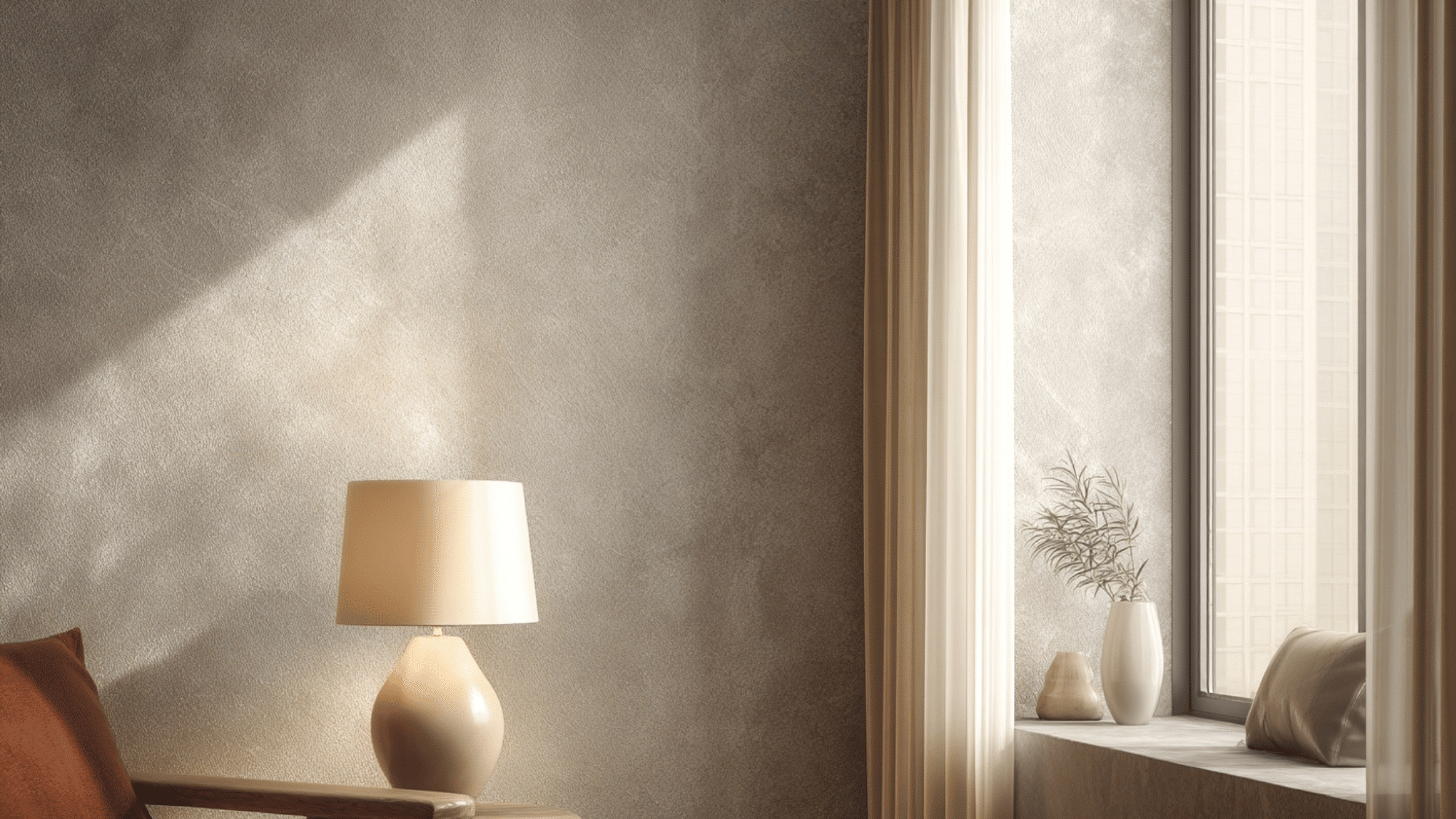
Picking the right paint finish can feel like a puzzle. Satin paint keeps popping up in conversations about walls, and for good reason. It sits right between matte and glossy, offering a soft sheen that catches light without shouting for attention.
But does that make it the best pick for every room?
Some spaces need durability, others crave a calm look. Satin promises both, yet it’s not always the perfect match.
This finish holds up well in busy areas or is better suited to quieter corners. This blog breaks down what satin paint really brings to the table and helps out decide whether it belongs on your walls.
How Does Satin Paint Look on Interior Walls?
Satin paint gives walls a gentle glow that falls somewhere between flat and glossy. The finish reflects light softly, creating a subtle shine that adds depth without looking too shiny.
It’s not as bold as semi-gloss, yet it offers more character than matte. The surface appears smooth and slightly luminous, which can make colors look richer and more vibrant.
In natural daylight, satin-painted walls catch light beautifully, and under artificial lighting, they maintain a warm, inviting appearance.
This balanced sheen works well in various interior styles, from modern to traditional, giving rooms a polished look without overwhelming the space.
Pros and Cons of Using Satin Paint on Walls
Satin paint offers a practical middle ground, but understanding its strengths and limitations helps make the right choice for each space.
Pros:
- Satin finish provides excellent durability and resists wear better than matte or eggshell paints.
- The surface wipes clean easily, making it ideal for high-traffic areas and families with children.
- Light reflects gently off satin walls, adding dimension and making rooms feel brighter and more spacious.
- Color appears richer and more saturated compared to flatter finishes, enhancing visual appeal.
Cons:
- Wall imperfections become more visible because the sheen highlights bumps, dents, and uneven surfaces.
- Touch-ups can be tricky since the sheen makes patched areas stand out against the original paint.
- Satin costs more than flat or matte paint, which can impact the budget for larger projects.
- The reflective quality might feel too shiny for bedrooms or spaces where a calm atmosphere is preferred.
Satin Paint vs Other Finishes on Walls
Comparing satin to other finishes reveals how sheen levels affect durability, appearance, and cleaning, helping determine the best option for specific rooms.
Satin Paint vs Eggshell Paint
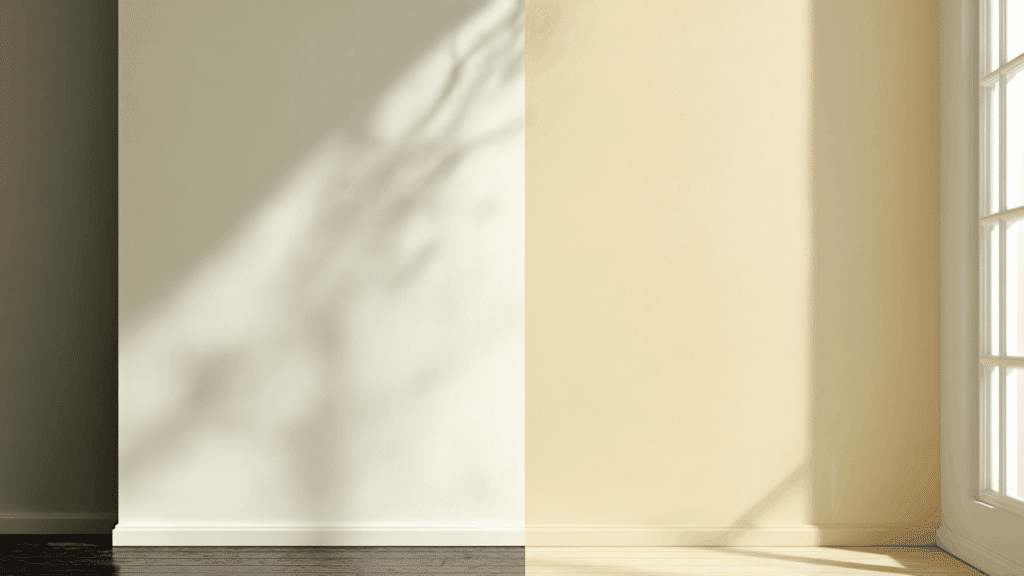
Eggshell sits just below satin on the sheen scale, offering a more muted finish with less light reflection. While both clean reasonably well, satin handles scrubbing better and resist stains more effectively.
Eggshell hides wall imperfections slightly better due to its lower sheen.
For rooms that need frequent cleaning, like hallways, satin wins. But for bedrooms wanting subtle warmth, eggshell provides a softer, less reflective look that feels cozier.
Satin Paint vs Flat Paint
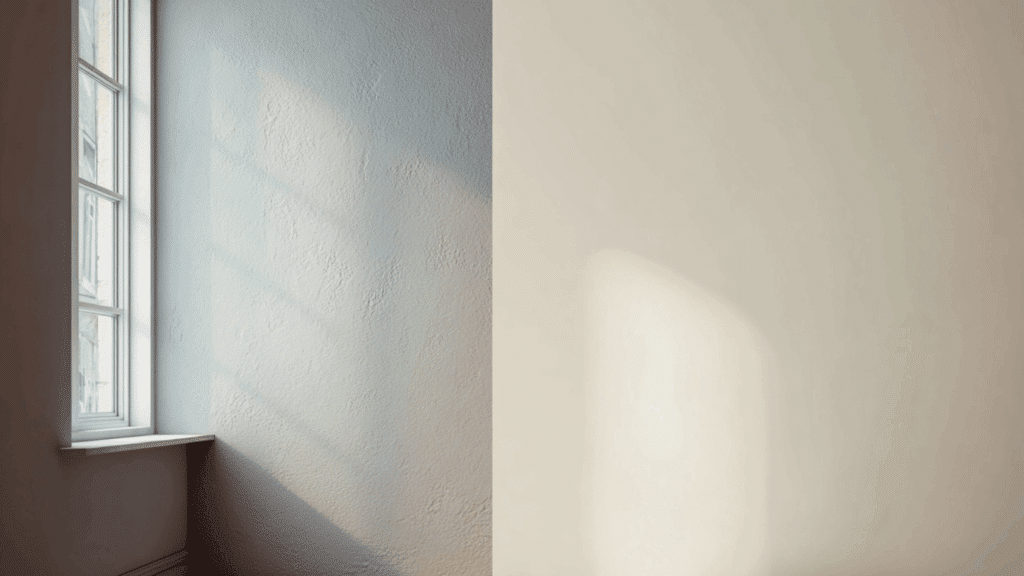
Flat paint has zero sheen, creating a completely matte surface that hides imperfections beautifully.
However, it lacks durability and stains easily, making cleaning difficult without damaging the finish. Satin offers much better washability and stands up to daily wear.
Flat works well in low-traffic areas, such as formal dining rooms or ceilings. Satin suits active spaces where walls need regular wiping. The trade-off is simple: flat hides flaws, satin handles life.
Satin Paint vs Gloss Paint
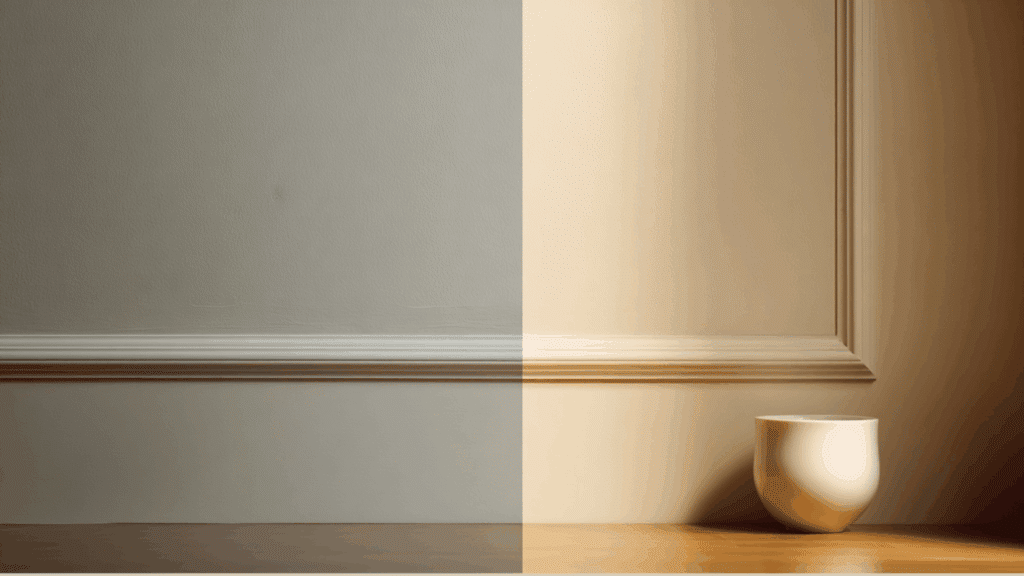
Gloss paint delivers a high-shine, mirror-like finish that’s extremely durable and easy to clean. It reflects light dramatically, making it ideal for trim, doors, and cabinets rather than walls.
Satin provides a much softer appearance that doesn’t overwhelm living spaces. Gloss highlights every surface flaw, while satin offers more forgiveness. For walls, gloss feels too intense and clinical.
Satin strikes a better balance between practicality and aesthetics for most interior wall applications.
Satin vs Semi-Gloss
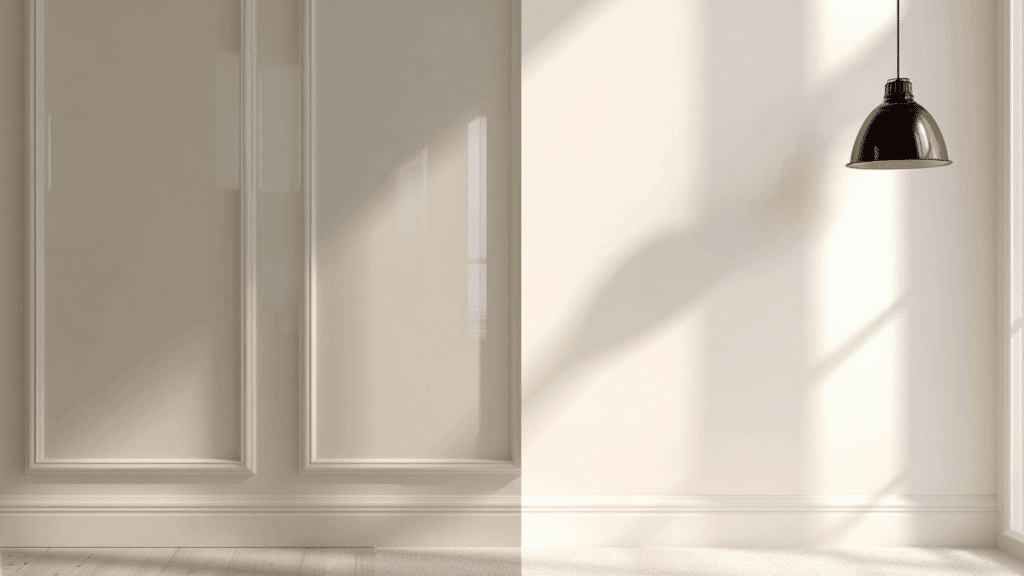
Semi-gloss falls between satin and full gloss, offering noticeable shine and excellent durability. It cleans exceptionally well, making it popular for kitchens, bathrooms, and trim work.
However, the pronounced sheen can feel too reflective for living rooms or bedrooms. Satin provides adequate durability with a more subdued appearance that suits general living spaces better.
Semi-gloss works best where moisture resistance matters most. Satin delivers everyday toughness without the mirror-like quality that makes semi-gloss too bold for walls.
When Satin Paint Might Not Be the Best Option
Satin paint isn’t always the perfect solution, and certain situations call for different finishes. Bedrooms aiming for a tranquil, cozy atmosphere often benefit from flatter finishes that reflect less light.
Walls with noticeable imperfections, patches, or texture issues will show flaws more prominently under satin’s sheen.
Older homes with uneven plaster or drywall work might look better with matte paint that masks surface problems. Touch-up work becomes challenging since satin shows application differences easily, creating visible patches that stand out.
Budget-conscious projects might skip satin since it costs more than flat alternatives. Low-traffic areas like formal dining rooms don’t need the durability of satin, making the extra expense unnecessary.
Does Satin Paint Show Imperfections on Walls?
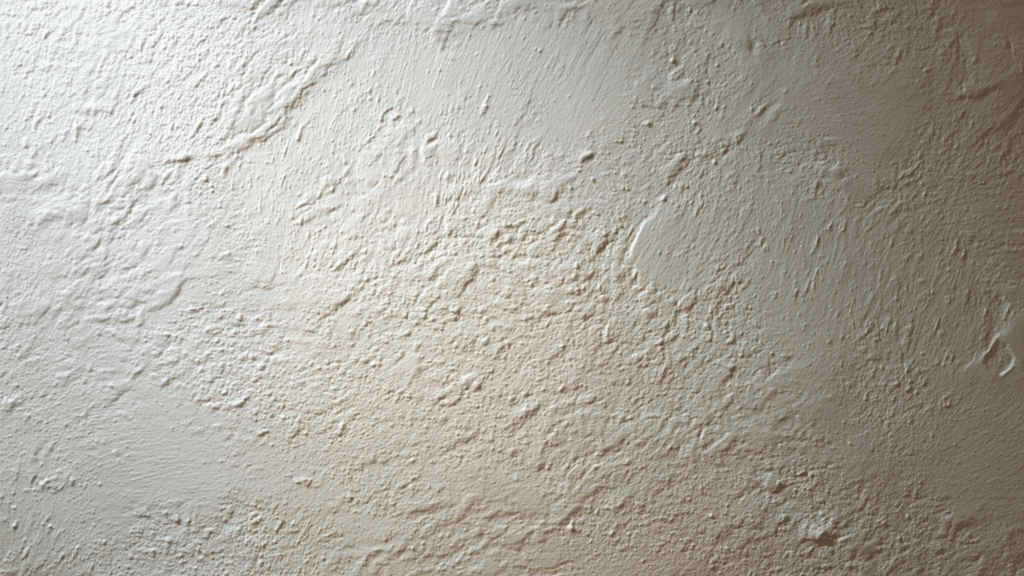
Yes, satin paint does reveal wall imperfections more than flatter finishes.
The sheen reflects light across the surface, which highlights bumps, dents, cracks, and uneven textures. Poor drywall work, nail pops, or sanding marks become more noticeable under satin’s subtle glow.
This means wall preparation matters significantly before applying satin paint. Proper filling, sanding, and priming help minimize visible flaws.
In rooms with strong natural light or direct lighting fixtures, imperfections stand out even more.
Walls need to be relatively smooth for satin to look its best; the reflective quality works against the finish rather than enhancing it.
Tips for Painting Walls with Satin Finish
Proper application techniques and preparation ensure satin paint looks smooth, even, and professional across all wall surfaces in the home.
- Prepare walls thoroughly by filling holes, sanding rough spots, and priming to create a smooth base surface.
- Use quality rollers with a nap appropriate for the wall texture to avoid streaks and achieve even coverage.
- Maintain a wet edge while painting to prevent lap marks where dried and wet paint overlap.
- Apply thin, even coats rather than one thick layer, allowing proper drying time between applications.
- Work in consistent lighting conditions to spot missed areas and ensure uniform sheen across the entire wall.
To Conclude
Satin paint delivers a practical balance for walls that see regular use. It cleans up well, handles wear, and adds a touch of sophistication without going overboard.
Kitchens, hallways, and family rooms benefit most from this finish. But it’s not a one-size-fits-all solution. Walls need good prep work, and touch-ups require patience.
Flatter finishes might suit bedrooms better, while glossier options work for high-moisture areas. The choice comes down to lifestyle needs and room function.
Consider how much cleaning the walls will need, how much light the space gets, and whether there are any imperfections already present. Satin works when durability meets aesthetics in everyday living spaces.