
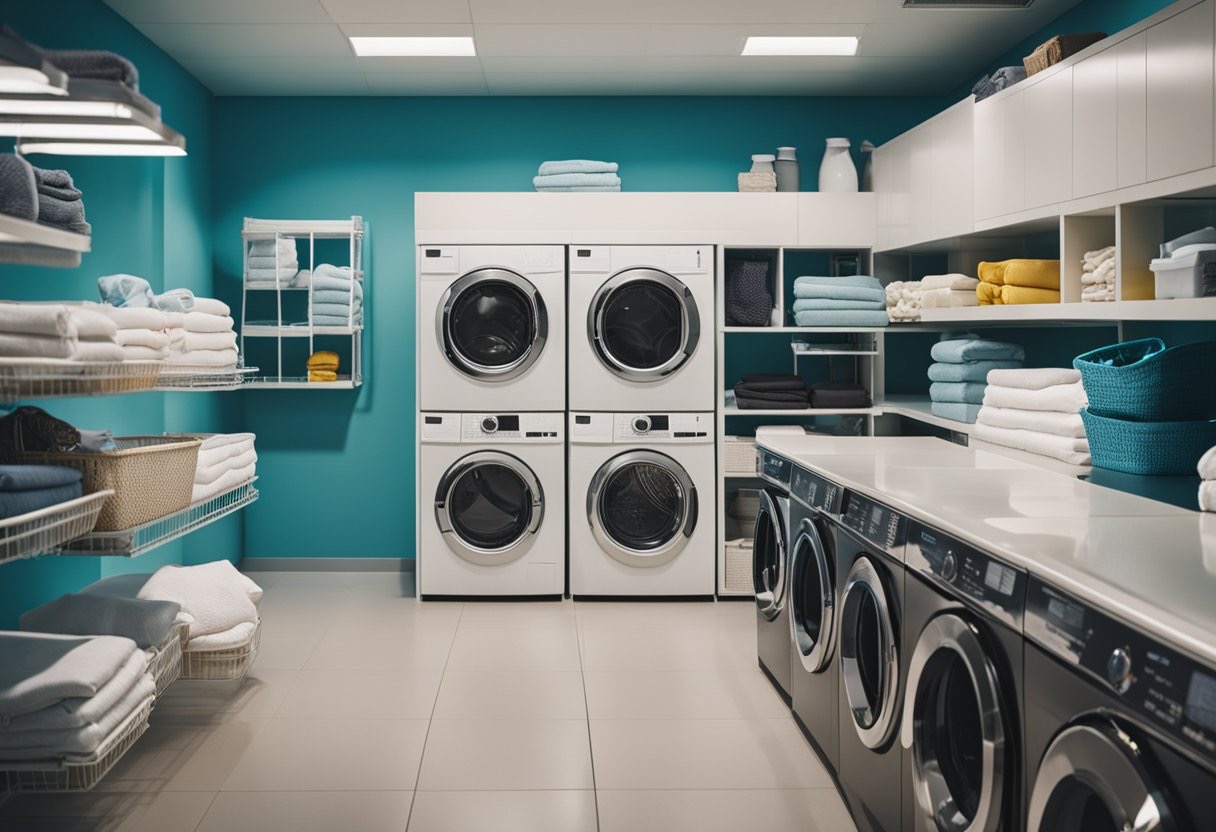
Laundry can be a challenge for college students juggling tight schedules and limited resources. Knowing how to effectively wash clothes saves time, avoids damage, and keeps garments looking fresh. Simple strategies like sorting clothes, using the right detergent, and managing laundry loads can make a significant difference.
Many students underestimate the importance of good laundry habits until facing stained or shrunken clothing. Learning practical tips early helps avoid common pitfalls and stretches the life of essential items like uniforms, sweaters, and casual wear.
Building Smart Laundry Habits
Efficient laundry habits save time, protect clothes, and reduce waste. Planning when to wash, sorting clothes properly, and understanding care labels are essential steps for college students using shared laundry equipment.
Creating a Laundry Schedule
Setting a consistent laundry schedule helps avoid last-minute washing and ensures clothes are clean when needed. Students can pick specific days each week, such as Sunday and Wednesday, to do laundry. This prevents buildup of dirty clothes and reduces stress.
Using off-peak hours on campus laundry machines can save time. Checking machine availability through an app or bulletin board avoids waiting in line. Small loads might work better for shared machines, which often have set cycle times.
Sorting Clothes Effectively
Sorting prevents color transfer and fabric damage. Clothes should be divided into whites, darks, and delicates. Separating heavily soiled items from lightly worn clothes helps maintain fabric quality.
Using mesh laundry bags for small or delicate items protects them from damage. Sorting by fabric type, like cotton and synthetics, allows selecting the right wash cycle.
Reading Care Labels
Care labels provide vital washing instructions to prevent damage. Students should look for symbols on tags indicating water temperature, washing method, and drying options. For example, a hand-wash symbol means using a gentle cycle or hand washing.
Following label instructions is especially important for items like wool sweaters or sportswear.
Mastering College Laundry Equipment

Knowing how to properly operate college laundry equipment, choose the right detergents, and navigate shared laundry spaces can save time and protect clothes.
Understanding Washers and Dryers
College laundry rooms typically feature top-loading or front-loading washers. Front-loaders use less water and energy but usually have longer cycles.
Students should sort clothes by fabric and soil level to select proper wash cycles. Using cold water saves energy and prevents shrinking for most items.
Dryers vary in settings; using medium or low heat reduces damage to clothes. Overloading machines can cause incomplete cleaning and longer drying times.
Using Detergents and Supplies
Detergents come in powder, liquid, and pod forms. Liquid detergents dissolve well in cold water, making them suitable for most college laundry needs.
Using the right detergent amount prevents residue buildup. High-efficiency washers need HE detergent to avoid excessive suds.
Fabric softeners can reduce static but are optional. Stain removers are useful for pre-treating spots before washing.
Dealing With Shared Laundry Rooms
Shared laundry spaces can be crowded and risky for lost items. Checking machines before starting a load avoids surprises like leftover clothes or errors.
Setting timers or alarms helps students track cycles and promptly remove laundry. This practice respects others waiting to use the machines.
Keeping a laundry basket reduces mix-ups. Labeling detergent bottles and personal items can prevent theft or confusion.
Maximizing Laundry Results
Avoiding common mistakes, optimizing time and budget, and correctly storing clothes all contribute to better outcomes.
Preventing Laundry Mishaps
Separating clothes by color and fabric type is essential to avoid bleeding and damage. Dark and light clothes should never be washed together. Delicate items need a gentle cycle or hand washing to prevent stretching or tears.
Using the correct amount of detergent prevents residue buildup or weak cleaning. Overloading the machine reduces effectiveness and may cause wear on clothes. Checking pockets and zippers before washing can avoid damage or lost items.
Saving Time and Money
Washing full loads maximizes efficiency but avoids overloading. Using cold water settings saves energy and prevents color fading. Choosing multipurpose detergents eliminates the need for multiple products.
Scheduling laundry around free or low-cost campus machines reduces expenses. Investing in a laundry bag for delicates extends garment life and minimizes repairs. Combining similar fabrics in one load saves both water and electricity.
Storing Clean Clothes Properly
Dry clothes promptly to prevent mildew and odors. Folding heavier items like jeans avoids stretching, while hanging shirts maintains shape. Using drawer organizers or shelves keeps clothes accessible and neat.
Storing clothes in breathable containers or bags helps maintain freshness and avoids fabric damage. Clean clothes should be stored away from direct sunlight to prevent fading.