

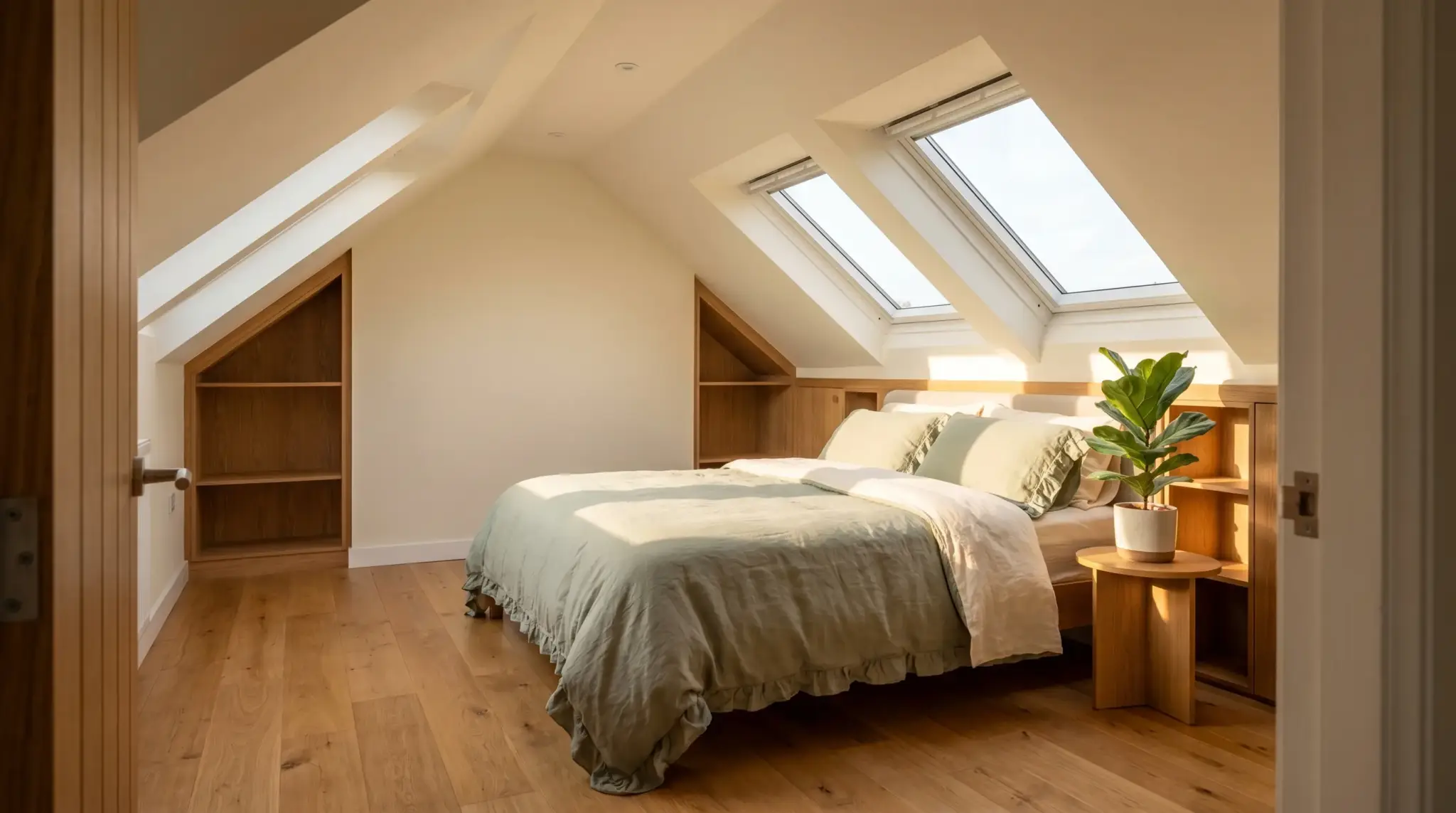
If you’ve ever walked around your home and thought, “We love it here… we just don’t have enough room,” you’re not alone. For many homeowners, the idea of moving feels like swapping one stress for another – estate agent fees, stamp duty, removals, and the gamble of whether the next place will actually solve the problem.
That’s why loft conversions remain one of the most practical home upgrades you can make. You’re not just adding square footage – you’re turning unused space into a room you’ll use every day, while strengthening the value and flexibility of the property long-term. (Keeping the same clear, practical structure as the template you shared.)
Why Loft Conversions Make Sense (Especially in London)
A well-planned loft conversion does three things at once:
- Creates usable space without changing the footprint of your home
- Adds value by increasing bedroom count or improving layout
- Improves day-to-day living, especially for growing families or hybrid workers
The big win is that it’s often less disruptive than people expect. Once the structural stage is underway, much of the work happens “above” the main home, which can keep the rest of the house more liveable than a ground-floor build.
What Can a Loft Become?
A loft conversion isn’t a one-size-fits-all project. The best outcome depends on how you’ll use the space and what the roof structure allows.
Common, high-value options include:
- Master bedroom + en-suite (the most popular value-add)
- Home office / studio (ideal for hybrid working)
- Kids’ bedroom + play zone (practical as families grow)
- Guest suite (useful for multi-generational living)
- Calm retreat space (reading room, hobby space, etc.)
If you’re weighing up whether to go up or out, it’s worth comparing a loft conversion to a kitchen extension – they solve different problems, and the “best” choice depends on whether you need an extra room, a larger family hub, or both.
Types of Loft Conversions (And What They’re Best For)
Most loft conversions fall into a few main categories:
1) Velux / Rooflight Conversion
The simplest approach — adding roof windows and converting the internal space.
Best for: lofts with decent head height already.
2) Dormer Loft Conversion
Adds a dormer structure to create more headroom and floor space.
Best for: creating a full-size bedroom and en-suite.
3) Hip-to-Gable Conversion
Extends the sloped roof side into a vertical gable wall.
Best for: semi-detached or detached homes where the loft feels “pinched”.
4) Mansard Conversion
A larger structural change that creates substantial space.
Best for: maximising room size where planning allows.
A good builder will talk you through these options plainly, and recommend what fits both your home and your budget – not just what sounds impressive on paper.
Planning, Permissions, and the “Will This Be a Headache?” Question
This is usually the part that puts people off – and it’s often less complicated than it sounds.
- Permitted Development: Many loft conversions can be completed without full planning permission (depending on volume, roof changes, and local restrictions).
- Building Regulations: You will still need compliance – things like structural integrity, insulation, stair safety, soundproofing, and fire regulations matter.
- Party Wall Agreements: If you share a wall (terraced / semi-detached), you may need a party wall process.
The key is having a clear plan early: design, approvals, timeline, and a defined scope so costs don’t creep.
What Makes a Loft Conversion Feel “High End” (Not Just “Extra Space”)
Great conversions don’t feel like an afterthought. The difference comes down to details:
- Natural light: roof windows positioned for daylight, not just “a window somewhere”
- Stair placement: stairs that feel logical, not awkward or steep
- Storage: built-ins that make use of eaves space properly
- Sound + insulation: a loft should feel warm, quiet, and comfortable year-round
- Finishing: flooring, lighting, joinery and paintwork that match the rest of the home
In other words, it’s not about squeezing in a room. It’s about creating a room that belongs.
Typical Timeline: What to Expect
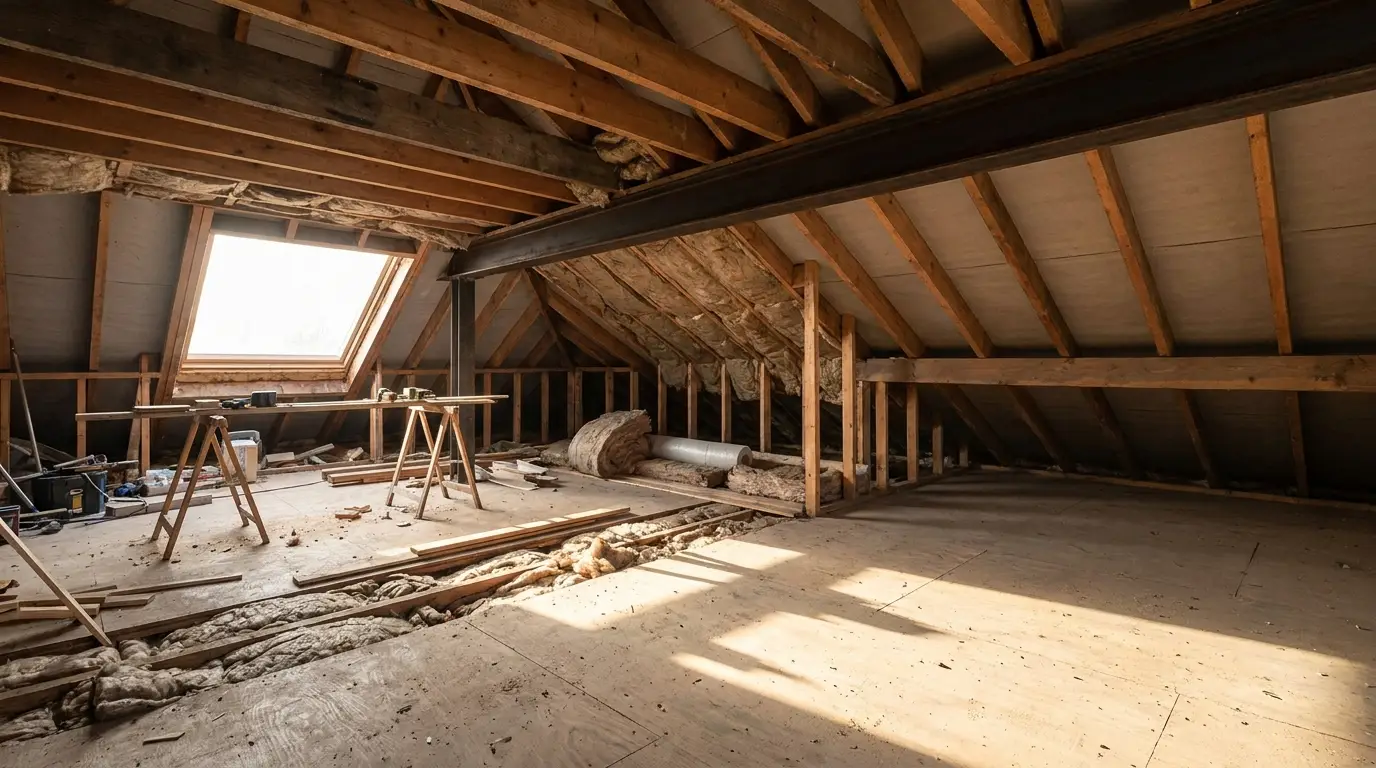
Every project differs, but a typical loft conversion often follows this pattern:
- Survey + concept planning
- Design + approvals (planning if needed, building regs prep)
- Structural phase (steelwork, roof works, dormer if applicable)
- First fix (electrics, plumbing, insulation)
- Stairs install + plastering
- Second fix + finishing (joinery, bathroom fit-out, decorating)
The most stress-free projects are the ones with a realistic schedule from the start, plus clear communication around what happens when – especially if you’re living in the property during the build.
The Practical Value: Lifestyle and Resale
Even if you’re not planning to sell, the resale uplift is worth keeping in mind. Extra bedrooms, en-suites, and flexible layouts tend to translate well in the market because they solve real problems for buyers.
But beyond that, the bigger impact is often personal: more privacy, a better routine, a calmer home. It’s amazing what a little breathing room does to family life.
Final Thought
A loft conversion is one of the few home improvements that can be both a lifestyle upgrade and a sensible investment – especially when it’s properly planned and finished to a standard that matches the rest of the home.