

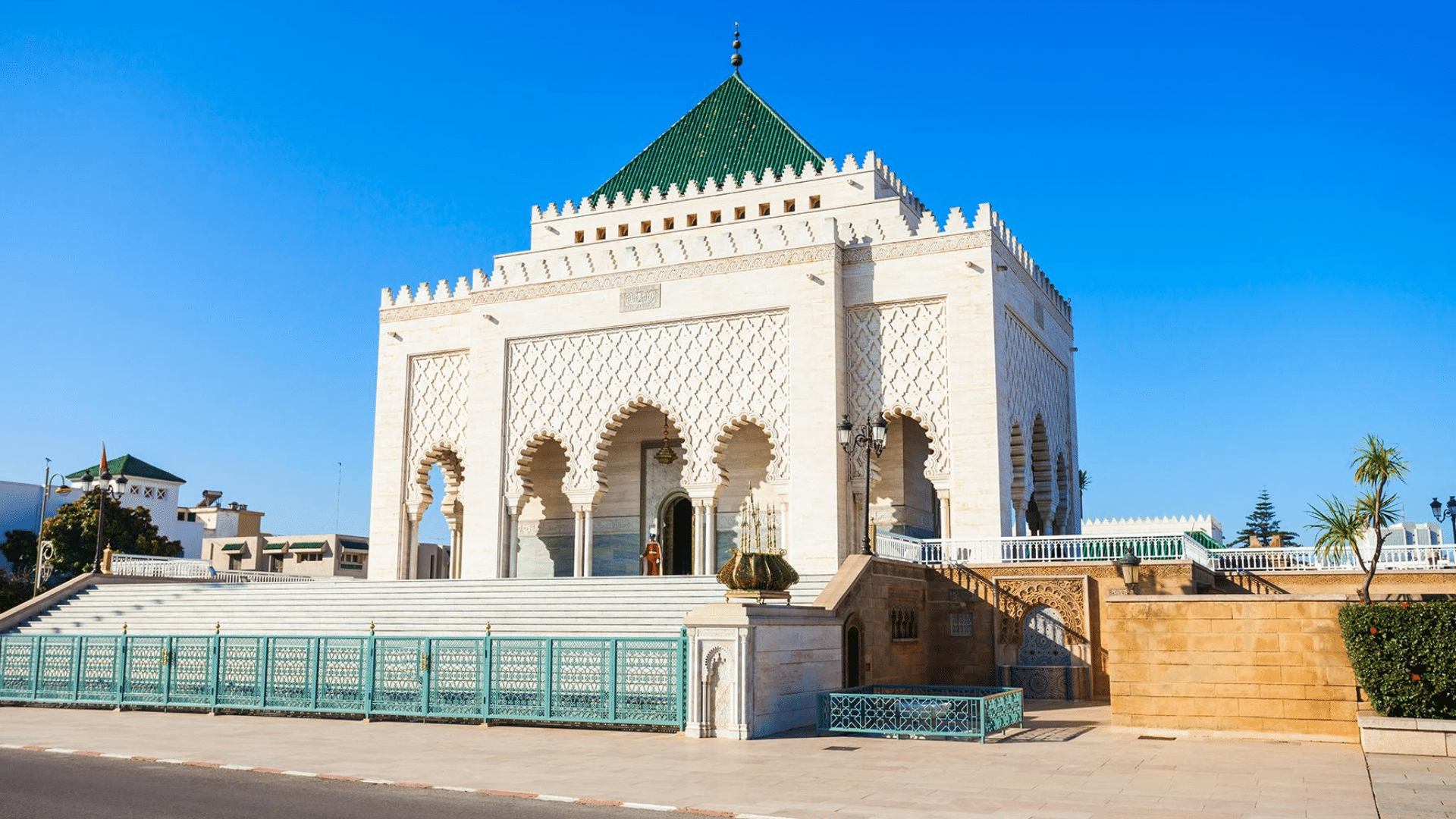
Moroccan architecture is a unique combination of history, culture, and design that reflects the country’s diverse influences.
My blog covers the origins of Moroccan architecture and the early civilizations that shaped it.
You’ll learn about the key architectural styles and features that make Moroccan buildings stand out, as well as how these styles have evolved over time.
I’ll share the role of different cultures, such as Berber and Islamic influences, in shaping the architecture.
If you’re interested in the traditional elements or the way modern design still draws from Moroccan architecture, this article covers it all.
By the end, you’ll have a better understanding of the history and impact of Moroccan architecture. Let’s get started!
Origins of Moroccan Architecture
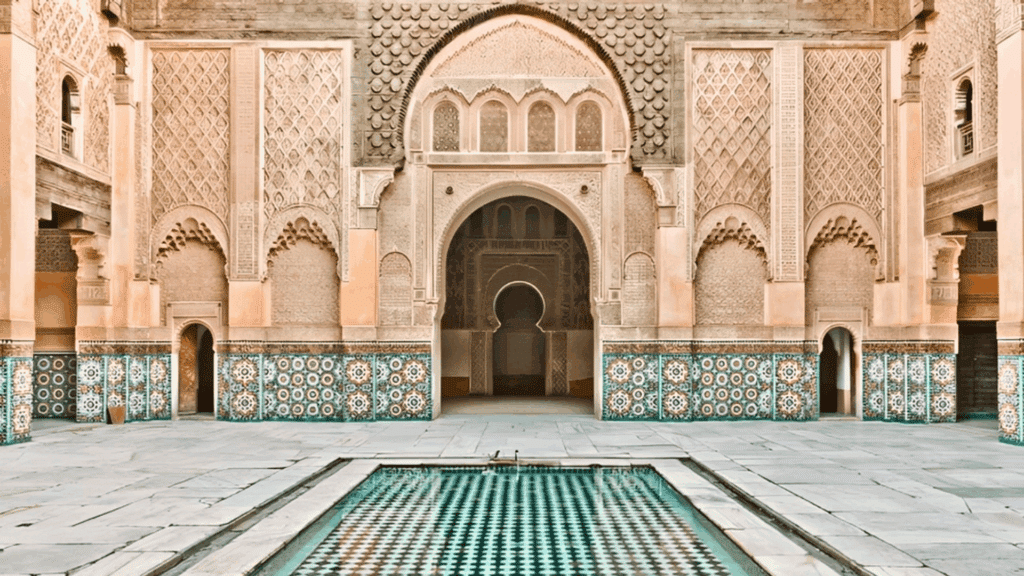
The origins of Moroccan architecture date back to ancient times, shaped by various civilizations that settled in the region.
The Berbers, one of the earliest groups, developed simple yet effective building techniques. Their structures often included mudbrick walls and flat roofs, ideal for the dry climate of Morocco.
As time passed, other cultures like the Phoenicians and Romans also influenced Moroccan design, bringing new ideas and materials.
Roman ruins, with their use of arches and columns, left a lasting impact on the architecture of the region.
These early structures laid the foundation for what we see today in Morocco.
Over the centuries, the Berber style evolved, and later influences such as Islamic and Moorish architecture added new layers to Moroccan buildings.
This mix of styles has made Moroccan architecture both unique and deeply rooted in its history.
Key Influences Shaping Moroccan Architectural Styles
Several cultures shaped Moroccan architecture, combining faith, climate, and local traditions into styles that changed over time and influenced buildings across cities and regions nationwide.
1. Islamic Influence
The arrival of Islam in the 7th century brought a significant change to Moroccan architecture.
Islamic designs are known for their intricate tile work, arched windows, and domed roofs. This style also introduced courtyards and mosques with large prayer halls.
The use of calligraphy and geometric patterns became common, influencing buildings throughout the country.
These features are still seen today in many Moroccan buildings, especially in mosques and palaces.
2. Berber Influence
The Berbers were some of the first to build in Morocco, and their architecture focused on practicality.
They built homes from mudbrick and stone, which helped keep the heat out during hot summers. Their designs included flat roofs and simple layouts, ideal for the region’s climate.
Berber homes were also designed with security in mind, often featuring fortified walls and narrow entrances.
This influence is still visible in rural Moroccan homes.
3. Moorish Influence
The Moorish period brought new design ideas to Morocco, particularly from the Andalusian region. Moorish architecture is known for its ornate decorations, such as intricate woodwork, tiled floors, and fountains.
The use of arches and courtyards became more prominent, creating a cool, peaceful environment inside buildings.
Moorish-style palaces, with their detailed carvings and bright colors, left a lasting impact on Moroccan design, especially in the cities.
4. French Influence
During the French protectorate in the early 20th century, French architecture introduced new building materials like concrete and steel.
Modern buildings began to emerge in Moroccan cities, combining traditional designs with European styles.
French architects brought in wider streets, neoclassical elements, and spacious buildings.
This combination of French and Moroccan styles created the Art Deco look seen in some of Morocco’s more recent architecture.
5. Mediterranean Influence
Morocco’s location along the Mediterranean influenced its architectural style, especially in coastal cities.
Mediterranean buildings are often characterized by whitewashed walls, terraces, and open-air spaces that make the most of the region’s sunny climate.
Ceramic tiles, bright colors, and arched doorways are common features.
This influence can be seen in both residential and commercial architecture along Morocco’s coastline.
6. Sub-Saharan Influence
Sub-Saharan Africa has also had a role in shaping Moroccan design, especially in the southern parts of the country. The use of thatched roofs, clay walls, and natural materials is common in traditional houses.
Carved wooden doors and intricate murals are also influenced by the region.
The fusion of North African and Sub-Saharan styles created unique designs in places like Marrakech and Agadir, combining cultural traditions and materials from both areas.
Evolution of Moroccan Architecture Through the Ages
This early period focused on practical building methods, using local materials and simple designs that helped communities survive harsh climates and protect daily life.
| Period | Key Features | Significance |
| Berber Era | Mudbrick homes, fortified walls, flat roofs, and simple structures. | Marked the beginning of Moroccan architecture, focused on practicality, climate adaptation, and security. |
| Roman Influence | Arches, columns, stone constructions, and public baths. | Introduced classical building techniques, influencing later developments in architecture, particularly in urban areas like Volubilis. |
| Islamic Golden Age | Geometric patterns, domes, courtyards, and minarets. | Islam’s influence led to the development of mosques, palaces, and gardens with intricate designs that defined Moroccan architecture for centuries. |
| Moorish Period | Intricate tile work, courtyards, arched doorways, and fountains. | The arrival of Moorish influence brought elaborate designs, Andalusian styles, and integration of nature into buildings, particularly in Marrakech. |
| French Protectorate | Introduction of Art Deco, modern buildings, concrete, and steel. | The French protectorate brought European styles and materials to Morocco, combining with traditional designs, especially in cities like Casablanca. |
| Modern Morocco | Fusion of traditional and modern styles, with contemporary materials, glass, and steel. | The modern period combines Moroccan traditions with global design trends, seen in urban development and new architectural projects across the country. |
Famous Examples of Historic Moroccan Architecture
These historic landmarks highlight Morocco’s architectural identity, showing how religion, location, and craftsmanship came together to create structures that still shape the country’s cultural image today
1. Hassan II Mosque
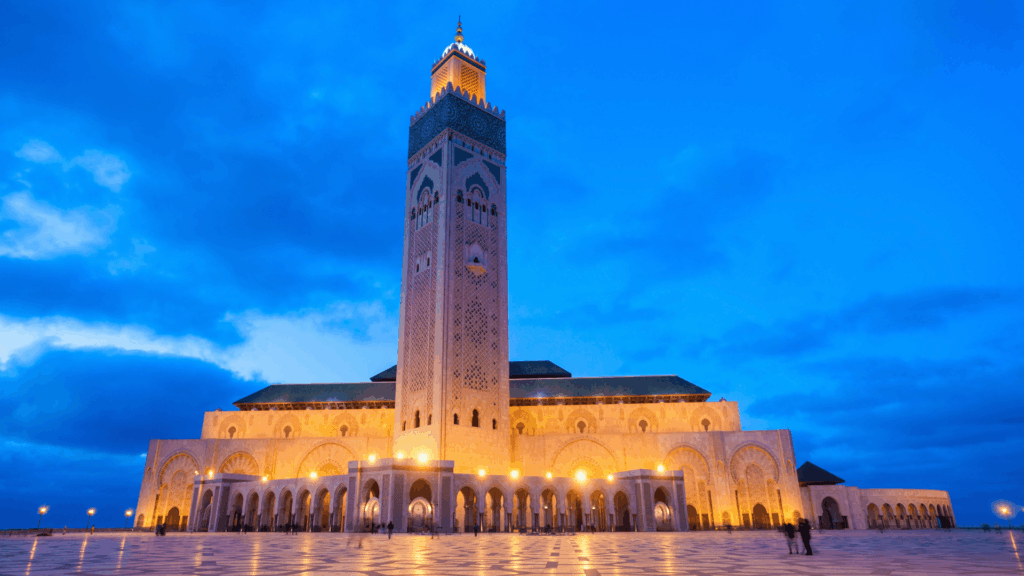
The Hassan II Mosque in Casablanca is one of the largest mosques in the world.
It features a tall minaret, reaching 689 feet, and intricate tile work that reflects traditional Moroccan design. Built partly on the ocean, it stands out with its marble floors and elaborate carvings.
The mosque can hold up to 25,000 worshippers and is a symbol of Morocco’s deep Islamic roots and architectural heritage.
The combination of modern and traditional styles makes it a unique masterpiece.
2. Koutoubia Mosque
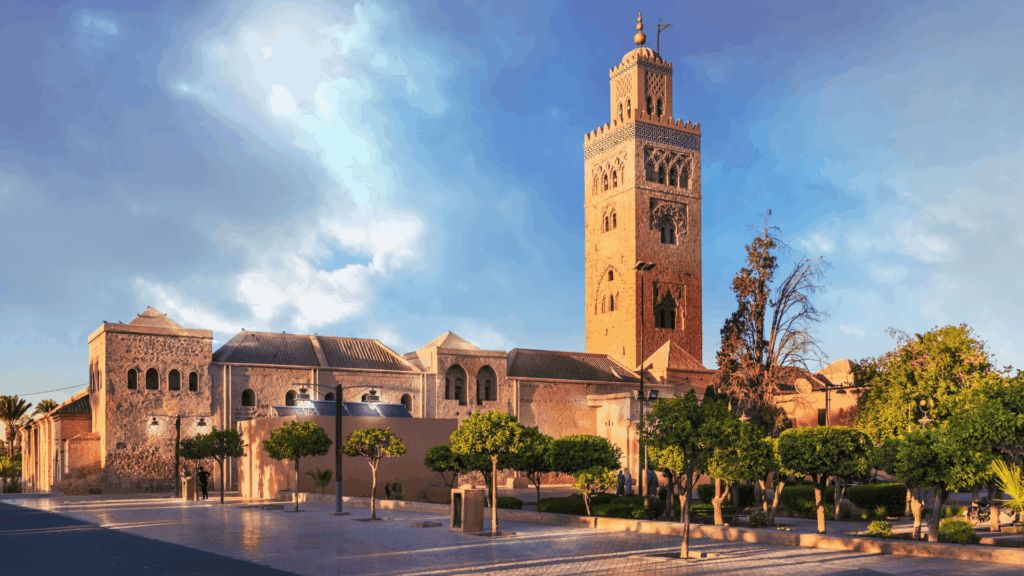
Located in Marrakech, the Koutoubia Mosque is a prime example of Moorish architecture. Its towering minaret, at 253 feet, is visible from many parts of the city.
The mosque features geometric tile work, arched doorways, and a beautiful courtyard.
Built in the 12th century, it is one of the best-preserved examples of Almohad architecture.
The Koutoubia Mosque has been an influential architectural model for other mosques in Morocco, including the Hassan II Mosque.
3. Kasbah of Ait Benhaddou
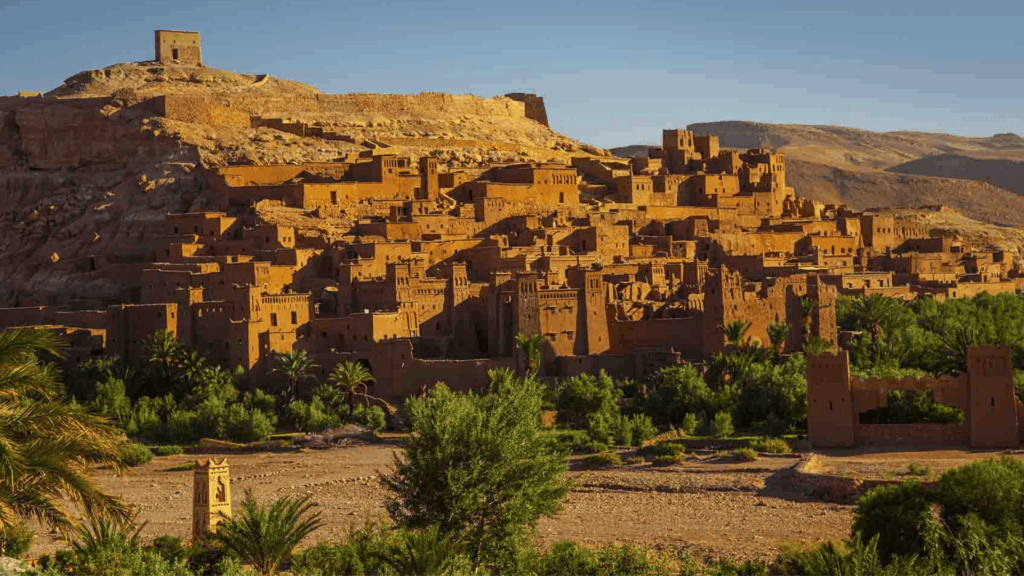
The Kasbah of Ait Benhaddou is a UNESCO World Heritage Site and one of Morocco’s most iconic fortified villages.
Located along the former salt caravan route, its mudbrick walls and towers showcase traditional Berber architecture. The kasbah is famous for its simplicity and strong defensive features.
This historic site has been featured in many films, including Gladiator and Game of Thrones.
It represents Morocco’s rich history and the timeless beauty of its ancient architecture.
How Moroccan Architecture Influences Modern Design?
Moroccan architecture has a strong influence on modern design, with its geometric patterns, arched doorways, and intricate tile work becoming popular in both interior and exterior designs.
Many modern homes use Moroccan-inspired furniture like low wooden tables, colorful rugs, and decorative lanterns.
Open courtyards, fountains, and outdoor spaces are common in modern designs and help create a calm, relaxed feel.
In commercial spaces, Moroccan elements like tiled floors, intricate lighting, and bold colors help create a warm, inviting environment.
The global appeal of Moroccan design continues to grow, combining traditional styles with modern features, making it popular in cities around the world for both residential and commercial projects.
Conclusion
Moroccan architecture is a fascinating combination of history, culture, and design.
From the early Berber structures to the Islamic, Moorish, and French influences, each period has left a unique mark on the way buildings in Morocco look today.
The use of intricate tilework, arches, and courtyards continues to inspire modern design, both in homes and commercial spaces worldwide.
If you’re drawn to Morocco’s rich history or looking for inspiration for your next design project, there’s so much to explore.
Have you experienced Moroccan architecture in person, or do you have any favorite Moroccan design elements?
Share your thoughts in the comments below. I’d love to hear from you!