

Choosing between mulled and non-mulled windows is a common step in many home projects.
The two options may look similar at first, but they serve different needs once someone understands the basics.
A clear comparison helps people plan for their space, manage costs, and match the style they want.
This blog explains how each window type is built, how it is used, and why the choice can affect a home project, giving a clear starting point for choosing the window style that makes the most sense.
What are Mulled Windows?

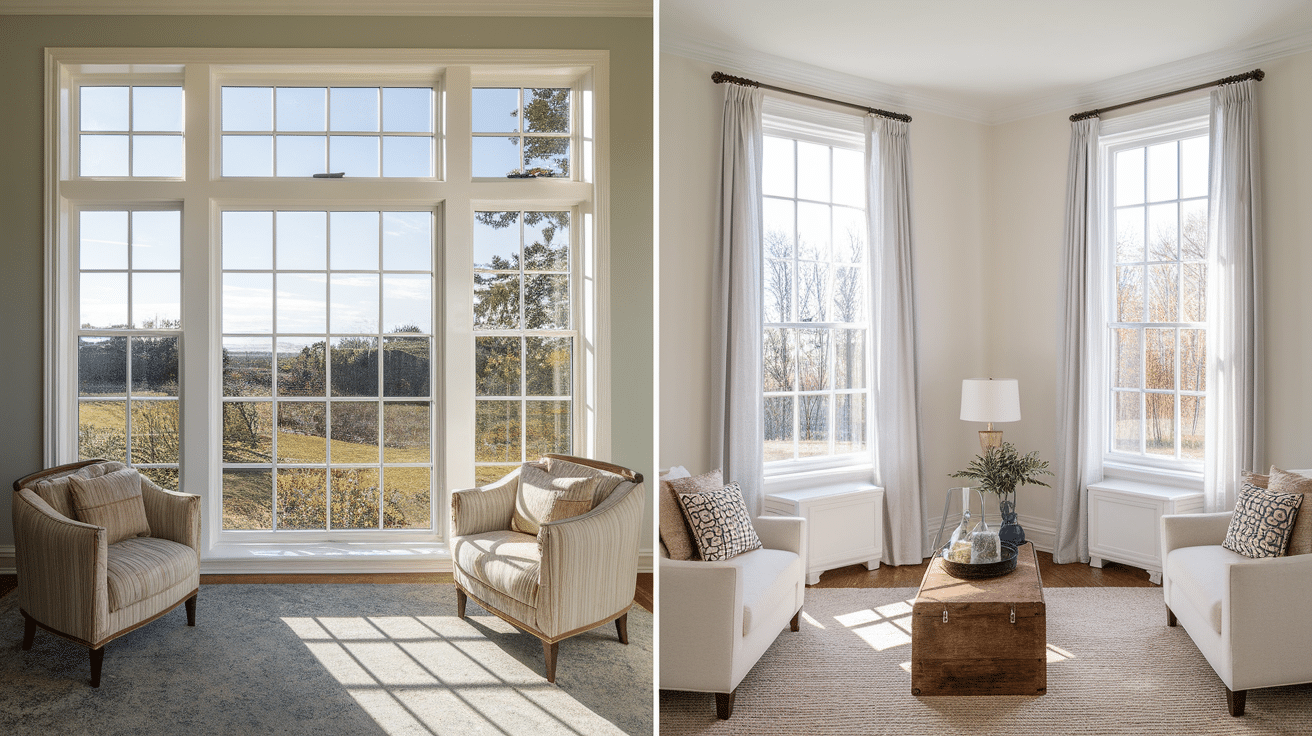
Mulled windows are two or more windows joined together to form one large unit. Instead of leaving space or a wall between them, the window frames are connected by a mullion.
This makes the windows look like one big window, even though they are made of separate parts. For example, two picture windows can be placed side by side and combined into a single wide frame.
You can also combine different types, like a fixed window in the middle and casement windows on the sides, for better airflow and style.
Mulled windows are often used in places where more sunlight or a bigger view is wanted, such as living rooms, sunrooms, or dining areas.
| Pros | Cons |
|---|---|
| More natural light | Higher cost |
| Wider outdoor views | Harder to install |
| Clean, stylish look | Heavier and needs strong support |
| Custom layouts possible | Repairs can be more complicated |
| Saves wall space |
What are Non-Mulled Windows?
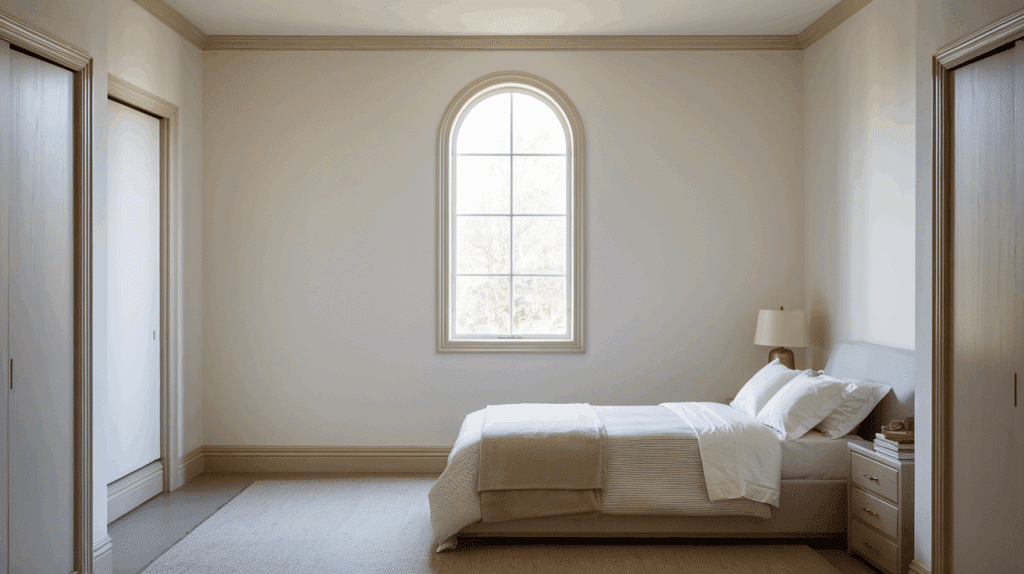
Non-mulled windows are single, stand-alone window units. They are not joined to any other windows. Each one has its own frame, its own glass, and is installed in its own wall opening.
This is the most common window type used in homes. It works well in bedrooms, bathrooms, hallways, kitchens, and other smaller spaces.
Non-mulled windows come in many styles, like sliding, double-hung, casement, and fixed.
Because each window is installed by itself, there is no need to connect it to another. This makes the setup simple and cost-friendly. It’s also easier to repair or replace just one window when needed.
| Pros | Cons |
|---|---|
| Lower cost | Smaller view |
| Easy to install | Less natural light |
| Simple to replace or repair | Basic look |
| Works well in most rooms | No custom joining or wide layouts |
Key Comparisons Between Mulled vs Non-Mulled Windows
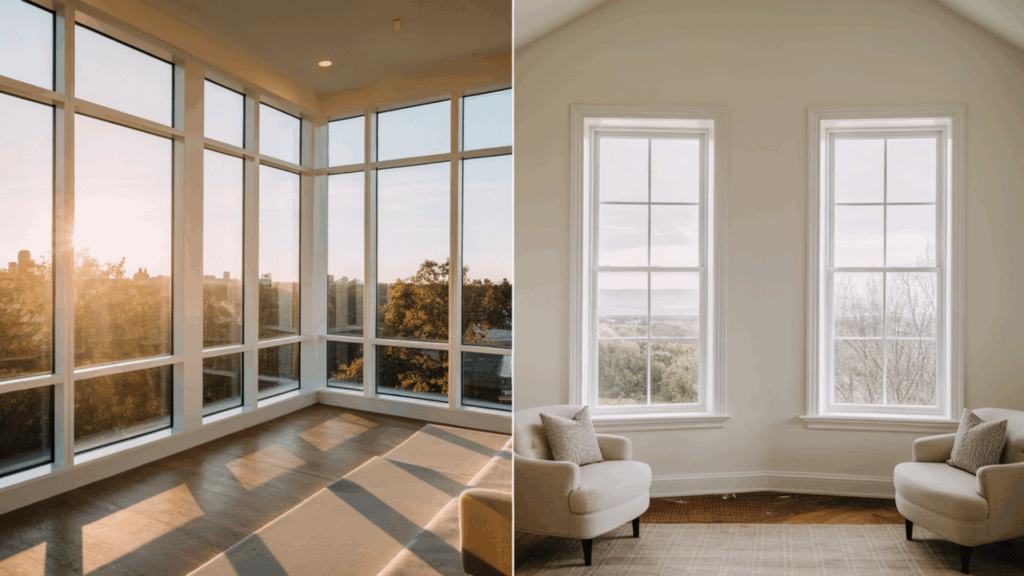
Mulled and non-mulled windows serve different needs. Understanding their key differences can help you choose the right option for your space, budget, and design goals.
Cost
Mulled windows usually cost more because they involve multiple units joined together.
You also need extra parts, like a mullion, and possibly more framing inside the wall. Labor costs are higher, too, since the job takes longer and needs more care.
Non-mulled windows are more affordable. Each one is a single unit that fits easily into the wall.
There are no joining parts or extra support needed, which helps keep the price low for both materials and labor.
Light and View
A big benefit of mulled windows is the amount of light they bring in. Since the windows are joined, they can stretch across a larger wall space.
This also gives a wide, open view of the outside, perfect for rooms where sunlight and scenery matter.
Non-mulled windows bring in a normal amount of light. Because they are smaller and stand alone, the view is more limited.
They work well in smaller rooms or areas where full sunlight is not needed all day.
Installation
Installing mulled windows is more complex. It often means joining windows together on-site or ordering a pre-joined unit from the factory.
The wall opening must be strong enough to hold the extra weight. The installer may also need to add support inside the wall.
Non-mulled windows are quick and simple to install. Each window goes into its own opening.
There’s no need to join units or add wall framing. This makes non-mulled windows a good choice for fast jobs or standard home upgrades.
Design Flexibility
Mulled windows offer more design options. You can mix window styles within a single frame, such as a large fixed window in the middle and two small casement windows on the sides.
You can also stack them vertically or line them up horizontally to fit the room’s shape and size.
While still available in many styles, non-mulled windows are more limited in layout.
Each window stays on its own. If you want a bigger view, you’ll need to place two windows with space between them rather than join them.
Energy Efficiency
Mulled windows can be energy-efficient, but only if the seals around the joined parts are done well.
If there are gaps around the mullion, heat or cool air can leak out. A poorly sealed mulled window may raise heating and cooling bills.
Since non-mulled windows are single units with sealed frames, they tend to have fewer points of air leakage.
That makes them naturally more energy-efficient, especially when paired with double or triple-pane glass and insulated frames.
Strength and Wall Support
Mulled window setups are heavier and put more stress on the wall. Sometimes, a builder must add extra support inside the wall to handle the weight.
This adds time and cost but is needed for safety and long-term strength.
Each non-mulled window unit is lighter and supports itself. As long as the wall opening is solid, no extra framing is usually needed.
This makes them easier to use in older homes or buildings with thinner walls.
Repair and Maintenance
If one part of a mulled window breaks or leaks, repairs can be tricky.
The windows are joined together, so fixing one might mean removing or adjusting the whole group. This often takes more time and costs more money.
Non-mulled windows are much easier to maintain. If one unit breaks, you only fix or replace that single window. The others stay in place, so there’s less work and lower repair costs.
Which One is the Right Choice for Your Home?
Both mulled and non-mulled windows have their place. The best choice depends on your space, goals, and budget.
Choose Mulled Windows If:
- You want a wider view of the outside
- The space is large, like a living room or sunroom
- You want more sunlight in the room
- A modern or custom look matters to you
- Your budget allows for a higher cost
- You’re working with a builder or installer who can do the extra work
Mulled windows make a bold style statement. They are perfect for open spaces where design, light, and comfort are top priorities.
Choose Non-Mulled Windows If:
- You want to save money
- You’re working in small or standard rooms
- You need a fast and easy install
- You’re replacing just one window
- You prefer simple upkeep and repairs
Non-mulled windows are great for everyday use. They are easy to manage, cost less, and work well in bedrooms, bathrooms, and utility areas.
Final Thoughts
Every home project needs clear choices. Picking the right window style is one of them.
Mulled and non-mulled windows are built differently, but both can be useful when matched with the right space.
Instead of rushing the decision, look at how the window will be used day to day. A little planning now can prevent problems later. Good windows add comfort, value, and style to any home.
Need help making the final call? Talk to a trusted installer or window supplier to go over your best options before you begin.