

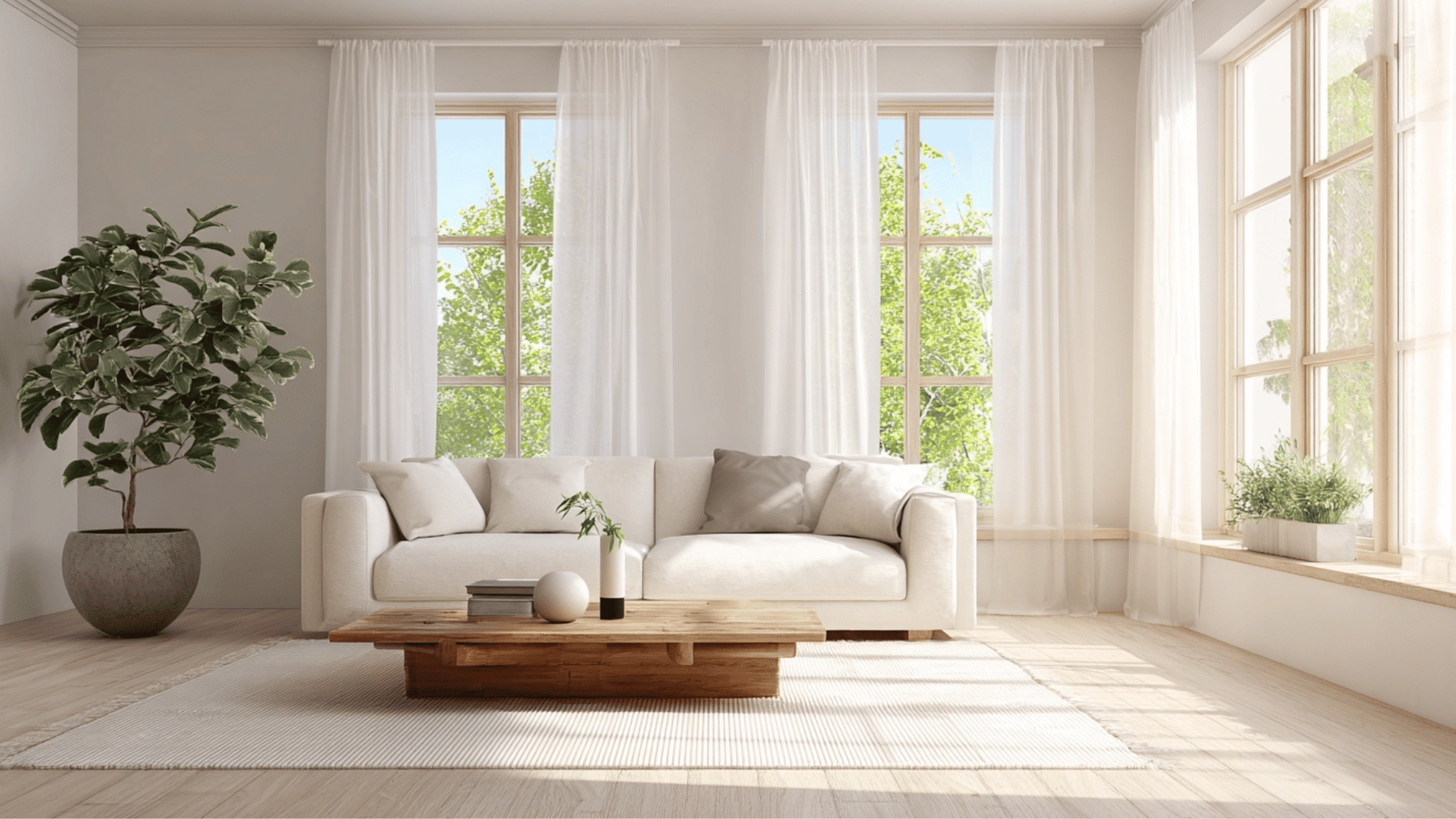
Ever walked into a room and felt instantly at peace? No loud decor. No clutter. Just a space that felt right.
That’s not an accident. There’s a reason some rooms feel calm while others feel off. And it goes beyond paint colors or fancy furniture.
Feng Shui has been shaping living spaces for thousands of years. It’s an old Chinese practice that looks at how energy moves through a space.
Most people think it’s just about moving furniture around. It’s actually much more than that. The rules behind it might surprise you.
What is Feng Shui Interior Design?
Feng Shui interior design is the art of arranging a space so energy flows freely through it.
This energy, called Chi, affects how a person feels in a room. Good Chi brings calm, focus, and balance. Bad Chi brings stress and discomfort.
Feng Shui looks at everything: furniture placement, lighting, colors, and even the direction a room faces. Every detail plays a role.
It’s not just decoration. It’s a way of creating spaces that support the people living in them.
The Core Principles Behind Feng Shui Interior Design
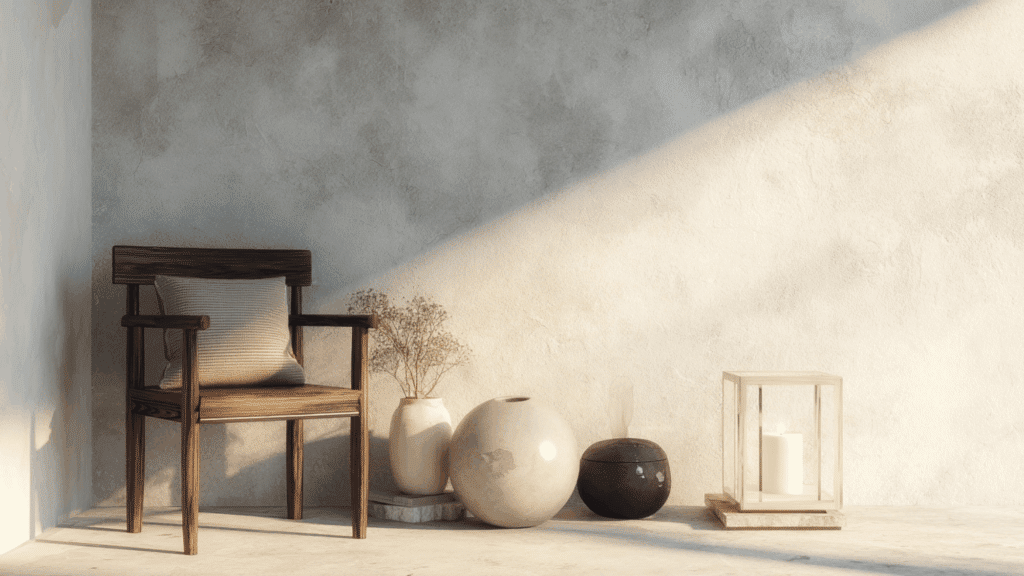
Feng Shui runs on a few key ideas. Understanding these principles makes it easier to apply them at home.
The Concept of Chi (Energy Flow)
Chi is the life force that moves through every space. When Chi flows freely, a room feels light and comfortable.
When it gets blocked by clutter, poor lighting, or bad furniture placement, the space starts to feel heavy and draining. The goal of Feng Shui is simple: keep Chi moving smoothly through every corner of the home.
The Five Elements in Feng Shui
Feng Shui uses five elements: Wood, Fire, Earth, Metal, and Water. Each one carries its own energy and meaning.
Wood brings growth. Fire adds warmth and passion. Earth creates stability. Metal brings clarity. Water supports flow and calm.
A well-designed space uses these elements in balance. Too much of one, and the energy tips out of balance quickly.
Yin and Yang Balance in Home Design
Yin and Yang represent two opposite forces: quiet and active, soft and bold, dark and light.
Every home needs both. A space that’s all Yin feels too sleepy. One that’s all, Yang feels too intense. The sweet spot is balance.
Mixing soft textures with bold accents, or calm colors with brighter ones, keeps a space feeling grounded and alive
Essential Feng Shui Rules for the Home
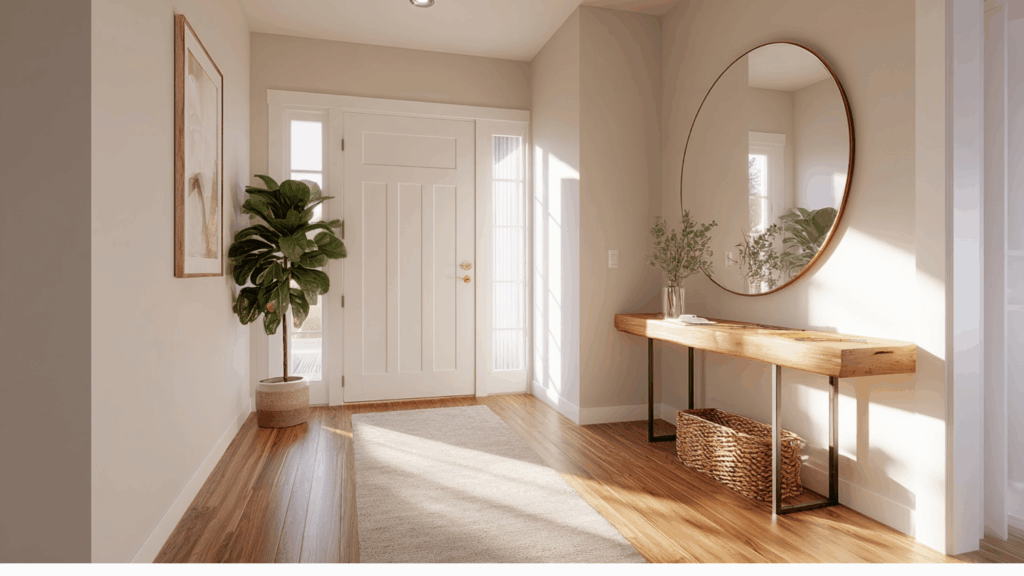
These rules form the foundation of Feng Shui. Applying even a few of them can completely change how a space feels.
Rule 1: Keep the Entryway Clear and Inviting
The front door is where energy enters the home. If it’s blocked, cluttered, or poorly lit, good Chi struggles to get in.
Shoes piled up, broken light fixtures, or a squeaky door all of these push energy away. Keeping the entryway clean, well-lit, and open gives positive energy a clear path straight into the home.
Rule 2: Position Your Bed in the Command Position
The command position means placing the bed so the person sleeping in it can see the door without being directly in line with it. This position creates a sense of safety and control.
It allows the body to fully rest without staying on alert. The bed should never have its back to a window or face the door directly.
Rule 3: Avoid Clutter at All Costs
Clutter is one of the biggest energy blockers in Feng Shui. It holds onto old, stagnant energy and stops fresh Chi from moving through.
A cluttered room creates a cluttered mind. Clearing out things that no longer serve a purpose: old clothes, broken objects, unused items, frees up space for better energy to settle in and stay.
Rule 4: Let Natural Light Flow
Light is one of the most powerful sources of positive energy in any space. Natural light keeps Chi active and moving. Dark, closed-off rooms tend to collect stagnant energy over time.
Opening curtains during the day, using mirrors to reflect light, and adding warm artificial lighting in darker corners all help keep the energy in a room feeling fresh and alive.
Rule 5: Fix Broken Items Immediately
A broken chair, a leaking tap, a cracked mirror in Feng Shui, these are not small issues.
Broken items signal neglect and send out low, heavy energy. They also act as constant visual reminders of things that are unfinished or falling apart.
Fixing or replacing damaged items quickly keeps the home’s energy sharp, well-maintained, and moving in a positive direction.
Rule 6: Use Mirrors Strategically
Mirrors are powerful tools in Feng Shui. They reflect and double whatever energy is already present in a space.
Placing a mirror to reflect a beautiful view or natural light works wonderfully. But placing one directly facing the front door pushes good energy right back out.
Mirrors facing the bed are also discouraged, as they can disrupt sleep and create restless energy overnight.
Rule 7: Balance the Five Elements in Every Room
Each room should carry a mix of all five elements: Wood, Fire, Earth, Metal, and Water. This doesn’t mean cramming every symbol into one space.
A wooden table, a candle, a clay pot, a metal frame, and a small water feature together create quiet balance. When one element dominates a room, the energy feels off. Balance keeps everything steady and grounded.
Rule 8: Keep Bathrooms Energetically Neutral
Bathrooms are spaces where energy tends to drain away quite literally.
In Feng Shui, leaving bathroom doors open and toilet lids up allows good Chi to escape. Keeping the door closed, the lid down, and the space clean and fresh helps contain the energy.
Adding a small plant or soft lighting also helps soften the bathroom’s naturally draining energy.
Rule 9: Avoid Sharp Edges Facing Seating Areas
Sharp corners on furniture point to what Feng Shui calls “poison arrows,” concentrated streams of negative energy, directly at people sitting nearby.
Over time, this creates feelings of tension and discomfort in the space.
Choosing furniture with rounded edges, or repositioning sharp-cornered pieces so they don’t point at seating areas, makes a room feel much more comfortable and easy to be in.
Benefits of Feng Shui Interior Design in Modern Homes
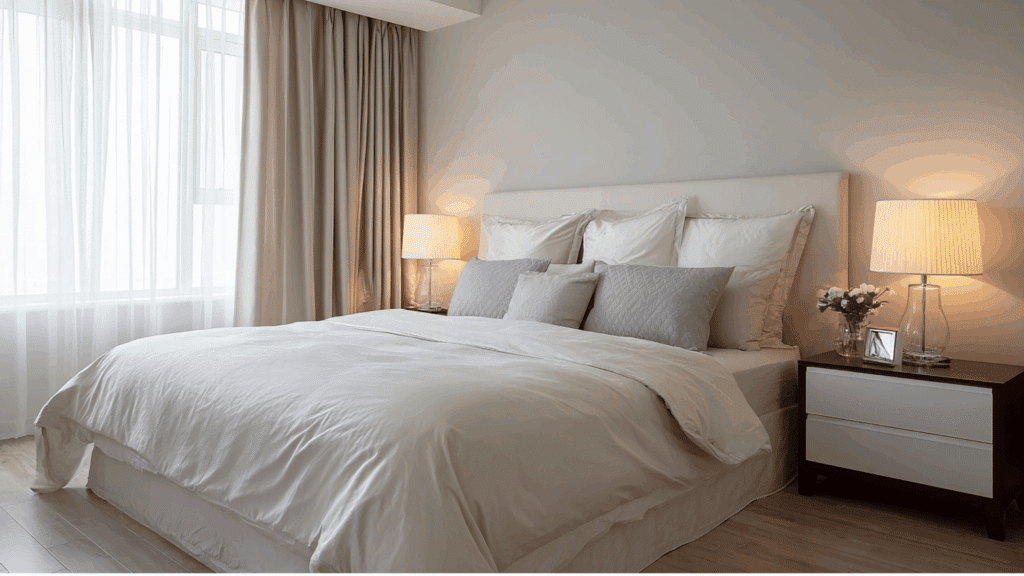
Feng Shui isn’t just an old tradition. It brings real, everyday benefits to modern living spaces too.
- Better sleep quality and deeper rest, especially when the bedroom follows key Feng Shui placement rules.
- Reduced stress and a calmer mind, thanks to clutter-free, well-organized, and balanced living spaces.
- Improved focus and productivity in home offices where energy flows freely without blockages or distractions.
- Stronger sense of comfort and safety at home, created by furniture placement that supports the command position.
- A more positive overall mood, supported by natural light, balanced elements, and clean, well-maintained spaces throughout the home.
How to Start Feng Shui Interior Design in Your Home
Starting Feng Shui at home doesn’t have to be overwhelming. These simple steps make it easy to begin.
1. Start with the Front Door: Clear the entryway first. A clean, welcoming entrance lets positive energy flow straight into the home.
2. Declutter Every Room: Go through each space and remove what’s no longer needed. Less clutter means more room for fresh, positive energy.
3. Map Out the Bagua: The Bagua is a Feng Shui energy map. It shows which areas of the home connect to different areas of life.
4. Bring in the Five Elements: Add small touches of Wood, Fire, Earth, Metal, and Water across different rooms to create steady, balanced energy.
5. Fix What’s Broken: Walk through the home and make a list of anything damaged or broken. Repair or replace these items as soon as possible.
6. Adjust Furniture Placement: Rearrange key pieces like the bed and sofa into commanding positions. This simple shift can change how a space feels immediately.
The Bottom Line
Feng Shui isn’t about following rigid rules or completely redesigning a home overnight. It’s about making small, smart changes that add up over time.
A clearer entryway, a better bed position, balanced elements across rooms, each shift moves the space closer to feeling right.
Anyone can start today. Pick one rule. Apply it. See how the space responds.
A home that supports the people living in it isn’t just a design goal; it’s completely achievable. Start small, stay consistent, and let the space grow into something that truly feels like home.