

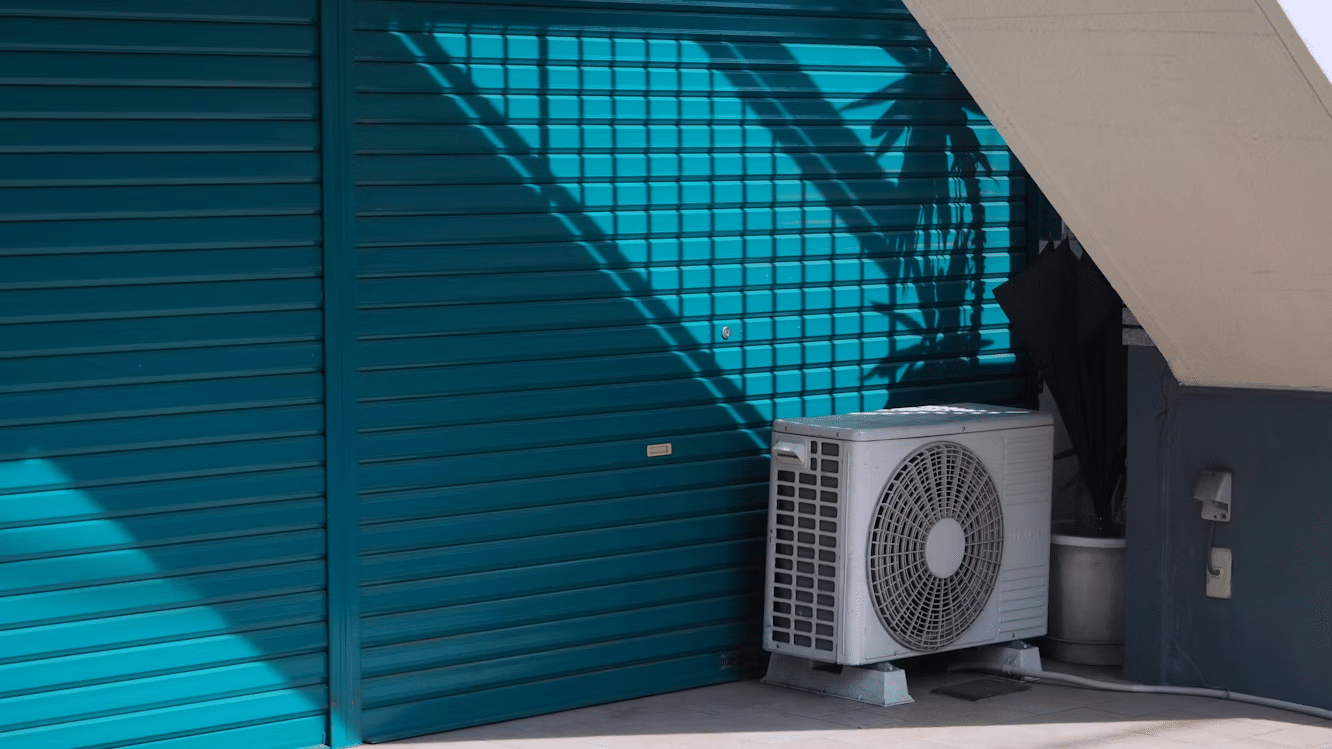
Staying cool during the summer heat is a top priority for every homeowner. A functioning cooling system keeps your indoor space comfortable and safe when temperatures climb outside. Nobody wants to deal with a broken unit when the sun is beaming.
Recognizing the warning signs of a failing unit can save you from a total breakdown. Early detection helps keep repair costs low and extends the life of your equipment. It is better to act now than to wait for a complete failure.
Strange Noises From The Vents
Your cooling system should operate with a steady and quiet hum during the day. Loud grinding or squealing sounds often indicate that a belt has slipped or a motor bearing is failing. These noises are a warning that the hardware is under too much stress.
Banging or clanking noises are often a sign that a metal part has come loose inside the unit. Ignoring these sounds can lead to a much larger mechanical failure that costs 500 dollars or more to fix. Professional help is needed to secure the loose pieces.
Clicking sounds when the system starts or stops might point to an electrical issue. Scheduling a quick inspection can prevent these small noises from turning into a permanent system shutdown. Catching this early keeps your home safe from electrical shorts.
Weak Airflow Throughout The Home
You might notice that some rooms feel warmer than others despite your thermostat setting. This often happens when the compressor is struggling or the ducts are blocked with layers of dust. Poor airflow makes the system run longer than necessary.
Many homeowners try to fix airflow issues on their own without success. Hiring a local HVAC company is the best way to diagnose why the air isn’t moving properly. They can restore the breeze to every room in your house.
Clogged filters are a frequent cause of poor air movement in residential units. Changing your filter every 30 to 60 days helps the system breathe and reduces strain on the internal fans. This simple step improves the air quality for everyone inside.
Frequent Cycling Patterns
Air conditioners should go through regular cooling cycles regardless of the heat level outside. If your unit turns on and off every few minutes, it is short-cycling. This pattern indicates that the unit is not completing a full cooling stage.
Constant starting and stopping puts immense pressure on the electrical components. It burns through energy and causes your utility bills to spike during the peak of summer. You will likely see a 20 percent increase reflected on your next statement.
A simple tune-up or a thermostat recalibration can often resolve these timing issues. Keeping the cycles consistent prevents the motor from burning out prematurely. A steady rhythm is the sign of a healthy and efficient cooling machine.
Unexplained Spike In Energy Bills
Seeing a 50-dollar or 100-dollar increase in your monthly power bill is a major warning. This usually means the system is working twice as hard to produce the same amount of cold air. High bills are a symptom of internal wear.
Several factors can lead to these higher costs:
- Dirty condenser coils.
- Failing motor bearings.
- Low refrigerant levels.
Modern systems are designed to use less electricity while providing better cooling power. Comparing your current costs to previous years helps identify when the hardware is failing. Tracking these numbers is a smart way to manage your household budget.
High Humidity Levels Indoors
The job of a cooling system includes pulling excess moisture out of the air. If your skin feels sticky or the air feels heavy inside, the unit isn’t doing its job. High humidity makes a home feel much warmer than it is.
Windows that show signs of condensation are another indicator of high indoor humidity. This can lead to the growth of organic material on walls or around the vents. Keeping the air dry is a key part of maintaining a healthy living environment.
A technician can check if the evaporator coil is functioning correctly. Balancing the moisture levels makes the home feel 5 to 10 degrees cooler without lowering the thermostat. Comfortable air starts with proper humidity control inside the property.
Unpleasant Odors When Running
Foul smells coming from the ductwork should never be ignored by homeowners. A pungent or smoky scent often signals that wire insulation has started to melt or burn. These electrical issues require immediate attention to prevent a fire hazard.
Musty odors are usually linked to water pooling inside the drain pan or the lines. Standing water creates an environment for mold to spread through the entire ventilation path. Smelling mold is a sign that the drainage system is failing.
Cleaning the system and clearing the condensate line removes these odors quickly. Fresh air should be the only thing you smell when the fans are spinning. Neutralizing these scents makes your home much more pleasant for guests.
Water Leaking Around The Unit
Finding a puddle of water near the indoor unit is a clear sign of a blockage. The condensate drain line can get backed up with debris or algae. This blockage forces water to overflow out of the collection pan.
While some condensation is normal, active leaks can damage your floors and drywall. Fixing a clogged line is a standard repair that prevents expensive water damage to your property – which is a much higher price to pay. A quick fix today prevents a 1000 dollar floor repair.
Ice forming on the copper lines is another form of a leak. This usually happens when the refrigerant is low or the airflow is restricted by a dirty coil. Frozen lines mean the system cannot exchange heat effectively anymore.
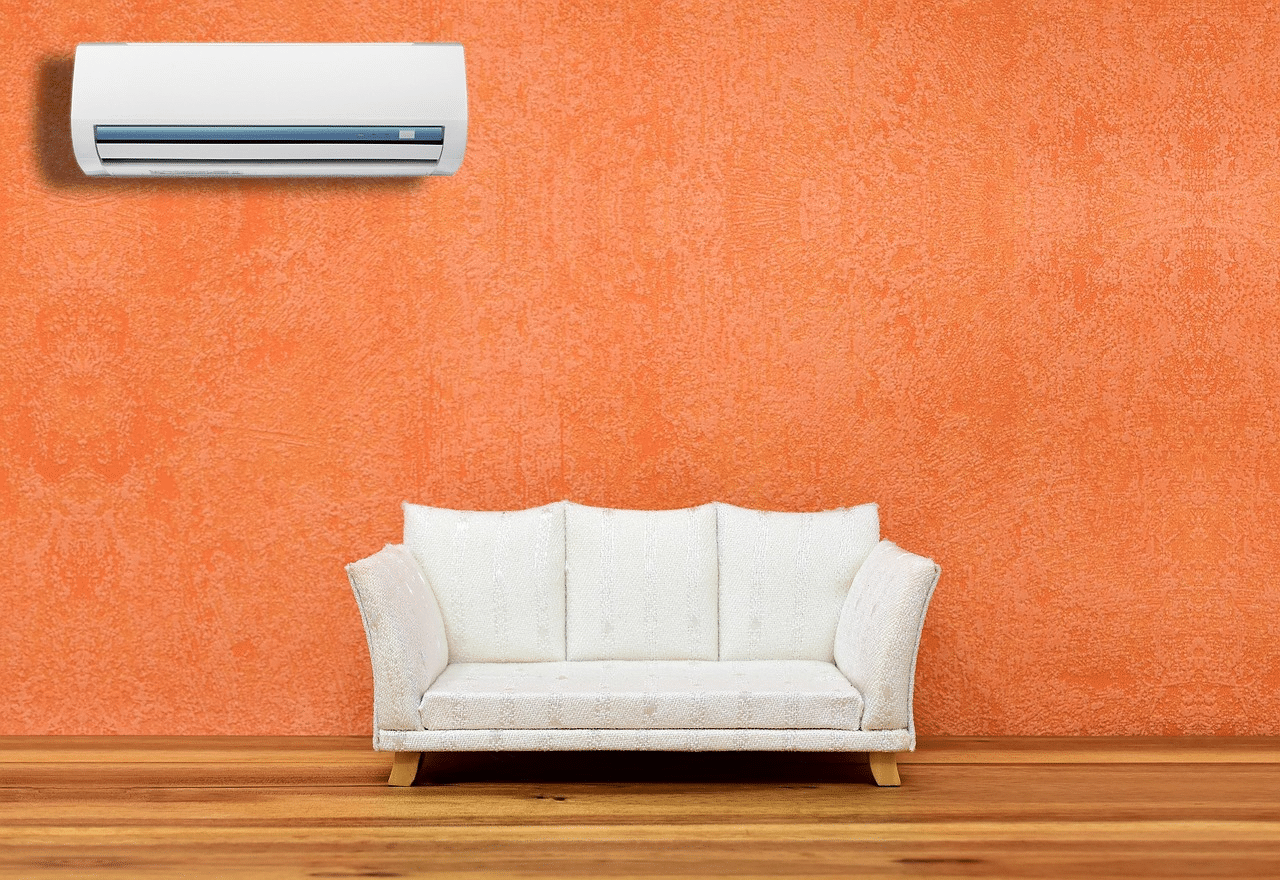
Taking care of small issues today prevents them from becoming massive headaches later. Regular checkups keep your home cool and your budget on track. It is a simple way to protect the investment you made in your home.
Pay attention to how your system sounds and feels every day. A little bit of attention guarantees your family stays comfortable all year long. Staying proactive is the best strategy for maintaining a cool and happy household.