

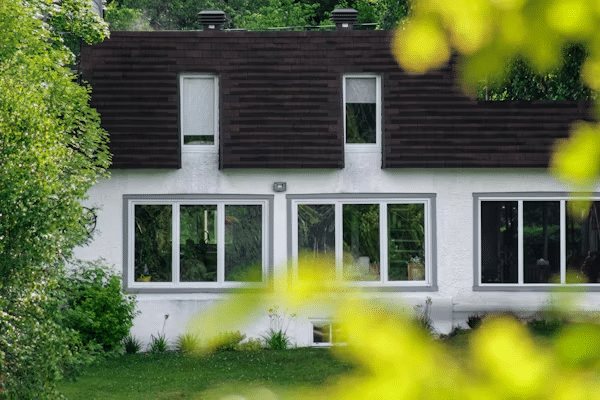
Your home is likely the biggest investment you’ll ever make. Yet so many homeowners treat maintenance as an afterthought, only calling in professionals when something goes catastrophically wrong. This reactive approach almost always costs more money, creates more stress, and shortens the lifespan of essential home systems.
The truth is that proactive home maintenance isn’t just about preventing disasters. It’s about preserving value, ensuring safety, and creating a living space that serves your family well for decades. Whether you’ve just purchased your first property or you’ve owned your home for twenty years, understanding the fundamentals of home upkeep can save you thousands of dollars and countless headaches.
In this comprehensive guide, we’ll explore the essential systems that keep your home functioning, discuss when to tackle projects yourself versus calling in experts, and share insider tips that professional contractors wish every homeowner knew. By the end, you’ll have a clear roadmap for maintaining your property with confidence.
Understanding Your Home’s Core Systems
Every home, regardless of age or style, relies on several interconnected systems working in harmony. Think of your house as a living organism where each component affects the others. When one system fails or underperforms, it creates a ripple effect that can compromise your comfort, safety, and wallet.
The major systems include your electrical infrastructure, plumbing network, heating and cooling equipment, structural components, and the protective envelope that shields everything from the elements. Each of these requires regular attention, though the frequency and type of maintenance varies considerably.
Many homeowners make the mistake of focusing exclusively on visible elements like paint, fixtures, and flooring while ignoring the hidden infrastructure that actually makes a house livable. That fresh coat of interior paint means nothing if your wiring is outdated or your roof is failing. Smart homeowners learn to balance aesthetic improvements with essential maintenance.
Creating a home maintenance schedule helps ensure nothing gets overlooked. Some tasks need monthly attention, others require seasonal care, and some should happen annually. Keeping records of when maintenance occurs, what professionals you’ve hired, and what work has been completed creates a valuable history that can even increase your home’s resale value.
The Critical Role of Electrical Safety
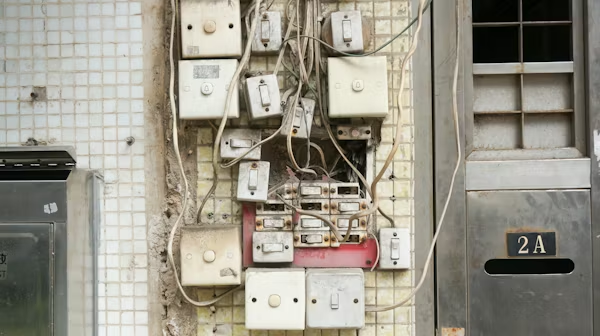
Of all the systems in your home, few carry more potential for serious consequences than your electrical infrastructure. Faulty wiring, overloaded circuits, and outdated panels contribute to thousands of house fires annually. Beyond fire risk, electrical problems can damage expensive appliances, create shock hazards, and cause frustrating power interruptions.
The challenge with electrical systems is that problems often develop invisibly. Unlike a leaky faucet that announces itself immediately, a deteriorating wire connection might smolder for months before causing trouble. This makes professional inspections incredibly valuable, even when everything seems to be working fine.
Signs that your electrical system needs attention include frequently tripping breakers, flickering lights, outlets that feel warm to the touch, burning smells near switches or outlets, and appliances that don’t perform consistently. Homes built before 1970 deserve particular scrutiny, as wiring standards and materials have improved dramatically since then.
When electrical issues arise, resist the temptation to handle repairs yourself unless you have genuine expertise. This isn’t like painting a room or replacing a faucet. Electrical work requires specific knowledge, proper tools, and an understanding of local codes. A qualified Chicago electrician or similar professional in your area can diagnose problems accurately, ensure repairs meet safety standards, and often identify potential issues before they become emergencies.
Professional electricians also provide value during renovation projects. Adding new circuits, upgrading panels to handle modern electrical loads, and installing specialty items like ceiling fans, outdoor lighting, or electric vehicle chargers all benefit from expert handling. The relatively modest cost of professional electrical work pales compared to the potential consequences of improper installation.
Heating, Cooling, and Energy Efficiency
Your HVAC system typically represents the largest energy consumer in your home, making it a prime target for both maintenance attention and potential savings. A well-maintained heating and cooling system operates more efficiently, lasts longer, and keeps your family comfortable regardless of outdoor conditions.
Basic HVAC maintenance includes changing filters regularly, keeping outdoor units clear of debris, and scheduling annual professional tune-ups. These simple steps can reduce energy consumption by 15 to 25 percent while extending equipment life by several years.
Beyond the HVAC equipment itself, your home’s overall energy efficiency depends on proper insulation, sealed air leaks, and windows that actually insulate rather than just provide views. Many utility companies offer free or discounted energy audits that can identify where your home is losing conditioned air and wasting money.
Smart thermostats have transformed how homeowners manage their comfort and energy use. These devices learn your patterns, adjust automatically when you’re away, and provide data about your energy consumption. While they require a modest upfront investment, most households recover the cost through reduced utility bills within a year or two.
Protecting Your Home From Above
If electrical systems present the greatest invisible danger, your roof represents the most critical visible protection. Everything below your roofline depends on that barrier performing its job. When roofs fail, the damage cascades rapidly through insulation, ceilings, walls, and even flooring.
Most homeowners rarely think about their roof until they notice a problem, but regular inspection can catch issues while they’re still minor and inexpensive to address. From ground level, look for missing, cracked, or curling shingles, sagging areas, and debris accumulation in valleys where roof planes meet. Inside, check attic spaces for daylight penetration, water stains, and proper ventilation.
The lifespan of your roof depends heavily on material choice, installation quality, and local weather conditions. Asphalt shingles typically last 20 to 30 years, while metal roofing can protect your home for 50 years or more. Clay tiles, slate, and other premium materials offer even longer service life, though at significantly higher initial cost.
When roof problems arise, or when your roof approaches the end of its expected lifespan, working with experienced roofing contractors Christchurch or established professionals in your region ensures the job gets done correctly. Quality roofing installation requires specialized skills, safety equipment, and knowledge of local building codes that most homeowners simply don’t possess.
Reputable roofing professionals will thoroughly inspect your current roof, explain all available options, provide detailed written estimates, and stand behind their work with meaningful warranties. They’ll also handle necessary permits and ensure the finished job passes inspection. Attempting to save money with inexperienced contractors or questionable DIY repairs almost always costs more in the long run.

Plumbing: The Hidden Network
Your plumbing system works quietly behind walls and under floors, delivering clean water while carrying waste away. When it functions properly, you barely notice it. When problems develop, they demand immediate attention.
Preventive plumbing maintenance focuses on avoiding clogs, detecting leaks early, and protecting pipes from damage. Simple habits like avoiding grease disposal down drains, using hair catchers in showers, and knowing where your main water shutoff is located can prevent many common emergencies.
Water heaters deserve particular attention, as they work constantly and often fail at the most inconvenient moments. Flushing sediment from the tank annually, checking the pressure relief valve, and inspecting for rust or corrosion can extend your water heater’s life significantly. Most units last 8 to 12 years with proper care, though tankless options can serve for 20 years or more.
Signs of hidden leaks include unexplained increases in water bills, musty odors, discolored walls or ceilings, and the sound of running water when no fixtures are in use. Addressing leaks promptly prevents structural damage, mold growth, and wasted resources.
Seasonal Maintenance Rhythms
Organizing your maintenance activities around the seasons creates a natural rhythm that ensures nothing gets forgotten. Each season brings specific priorities and opportunities.
Spring focuses on recovery from winter stress. Inspect your roof and exterior for winter damage, clean gutters, service your air conditioning before hot weather arrives, and address any landscape drainage issues that winter revealed. This is also an ideal time for exterior painting and power washing.
Summer provides optimal conditions for outdoor projects. Seal driveways and walkways, maintain your deck or patio, trim vegetation away from your home’s exterior, and ensure outdoor electrical outlets and lighting work safely. The long days and predictable weather make larger projects more manageable.
Fall is preparation season. Have your heating system serviced, clean gutters again after leaves fall, seal gaps where cold air might infiltrate, and winterize outdoor plumbing fixtures. Inspect weather stripping around doors and windows, and stock up on supplies you’ll need if winter storms strike.
Winter limits many outdoor activities but provides time for indoor maintenance. Test smoke and carbon monoxide detectors, clean dryer vents, inspect attic insulation, and tackle interior painting or repair projects. Use this quieter season to research contractors and plan larger projects for warmer months.
 ]
]
When to DIY and When to Call Professionals
Understanding your own limitations represents one of the most valuable skills a homeowner can develop. Some projects offer great opportunities to save money while learning useful skills. Others are simply too dangerous, too specialized, or too consequential to risk amateur attempts.
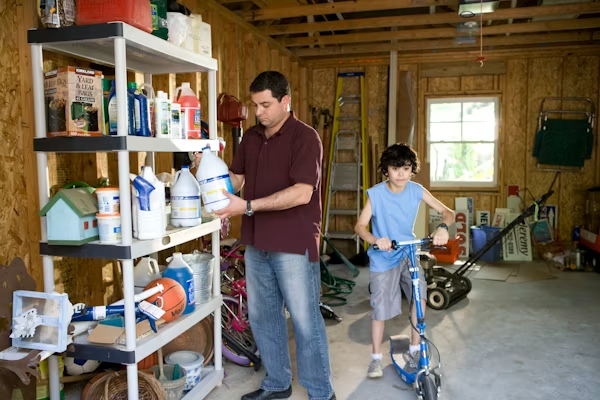
Good candidates for DIY include basic painting, simple landscaping, fixture replacement, minor drywall repairs, and general cleaning and organizing. These tasks require common tools, readily available materials, and mistakes are usually correctable without serious consequences.
Projects that typically require professional help include electrical work beyond basic outlet replacement, major plumbing modifications, structural changes, roofing, HVAC installation or major repairs, and anything involving gas lines.
When hiring professionals, invest time in finding the right contractor. Get multiple bids, verify licensing and insurance, check references, and read online reviews. Quality contractors welcome questions and provide detailed written estimates.
Creating Your Maintenance Action Plan

Turning good intentions into actual results requires a concrete plan. Start by walking through your entire home, inside and out, noting everything that needs attention. Prioritize items by urgency and importance, focusing first on safety issues and items where delay will increase damage or cost.
Create a master schedule that incorporates regular tasks, seasonal activities, and periodic professional services. Digital calendars work well for reminders, though some homeowners prefer physical binders or notebooks where they can also store receipts, warranties, and contractor information.
Budget for maintenance by setting aside approximately one percent of your home’s value annually. This creates a reserve fund for both expected maintenance and unexpected repairs. Homes older than twenty years may require slightly more, while newer construction typically needs less.
Conclusion
Maintaining a home properly requires ongoing attention, reasonable investment, and the wisdom to know when professional help makes sense. The reward is a property that protects your family, preserves your investment, and provides comfortable living for years to come.
Every homeowner’s situation differs based on their property’s age, location, and condition. The principles, however, remain consistent: stay proactive, address problems early, work with qualified professionals when needed, and maintain good records of everything you do.
Your home takes care of you and your family. Return the favor by giving it the attention it deserves. The peace of mind that comes from knowing your home is well-maintained proves far more valuable than any amount of money saved through neglect.