

Most people don’t think about their HVAC system or appliances until something stops working. It’s easy to let months go by because the equipment seems fine. The problem is that small issues often don’t show themselves right away. They build up quietly and then hit at the worst possible moment – usually during extreme weather or right when you need the machine most.
Regular service keeps things steady. It minimizes airing the equipment and saves you on the cost of electricity and repair. Even a brief examination might seem to be insignificant, but the amount of time saved by it in hours of frustration may be so great. That’s the part many homeowners forget until they face a breakdown that interrupts normal life.
How HVAC Care Helps Your Home
HVAC systems operate silently on a daily basis.Dust also accumulates indoors and reduces the amount of air that is circulated, and causes the unit to increase the amount of time that it needs to achieve the same temperature. It’s subtle at first. Rooms feel slightly uneven, or the air feels heavier than usual. Then the bill arrives and confirms what you already guessed – the system worked harder than it should have.
A basic cleaning or filter change can turn things around quickly. Air becomes lighter, and the unit cycles in a calmer rhythm. Many homeowners set up seasonal inspections with companies like hvacandapplianceguys.com, because reminders help keep everything in order. When a technician checks the system before summer heat or winter cold, the equipment handles temperature swings more confidently.
This kind of care also affects longevity. Overworked parts age faster. When the load on the system stays moderate, the HVAC unit tends to last several years longer.
Appliance Maintenance and Its Hidden Value
This is also true of appliances. A refrigerator which is years old and is not cleaned may leave anyone running all the time. A half-blocked vent dryer requires more time to complete one load.A dishwasher that has a mineral build up might have small spots, which individuals attribute to the detergent.
Such little symptoms are easy to disregard, and even indicate that something within is not changing as it should. A normal operation is often restored by cleaning coils, vents or spray arms. The machine ceases to sound strained. Cycles complete nearer to the initial period. The difference might not be much but accumulates when the appliance is used daily. Larger engines end up accumulating less wear as the machine runs in a quieter and smoother mode.
Signs Your HVAC or Appliances Need Attention
Some clues appear early, and recognizing them helps avoid expensive repairs. Homeowners often notice one or two of these one week, then a few more later.
- One room feels comfortable while another stays too warm or too cool.
- The HVAC unit becomes louder or shakes more than usual.
- Energy costs increase even though habits stayed the same.
- Air smells dusty or feels stale.
- Clothes aren’t fully dry when the dryer stops.
- The refrigerator rarely takes a break.
- Water appears under the washer or dishwasher.
- Heating or cooking temperatures drift during use.
These signs don’t mean the system is failing immediately, but they do show that something inside no longer works as cleanly as before.
What Technicians Usually Inspect During Maintenance
A maintenance visit covers many small areas that most homeowners don’t check. Every system has its own pattern of wear, and technicians know where that wear usually hides.
- Airflow and filter condition in the HVAC system.
- Dust on coils, blowers, and other moving parts.
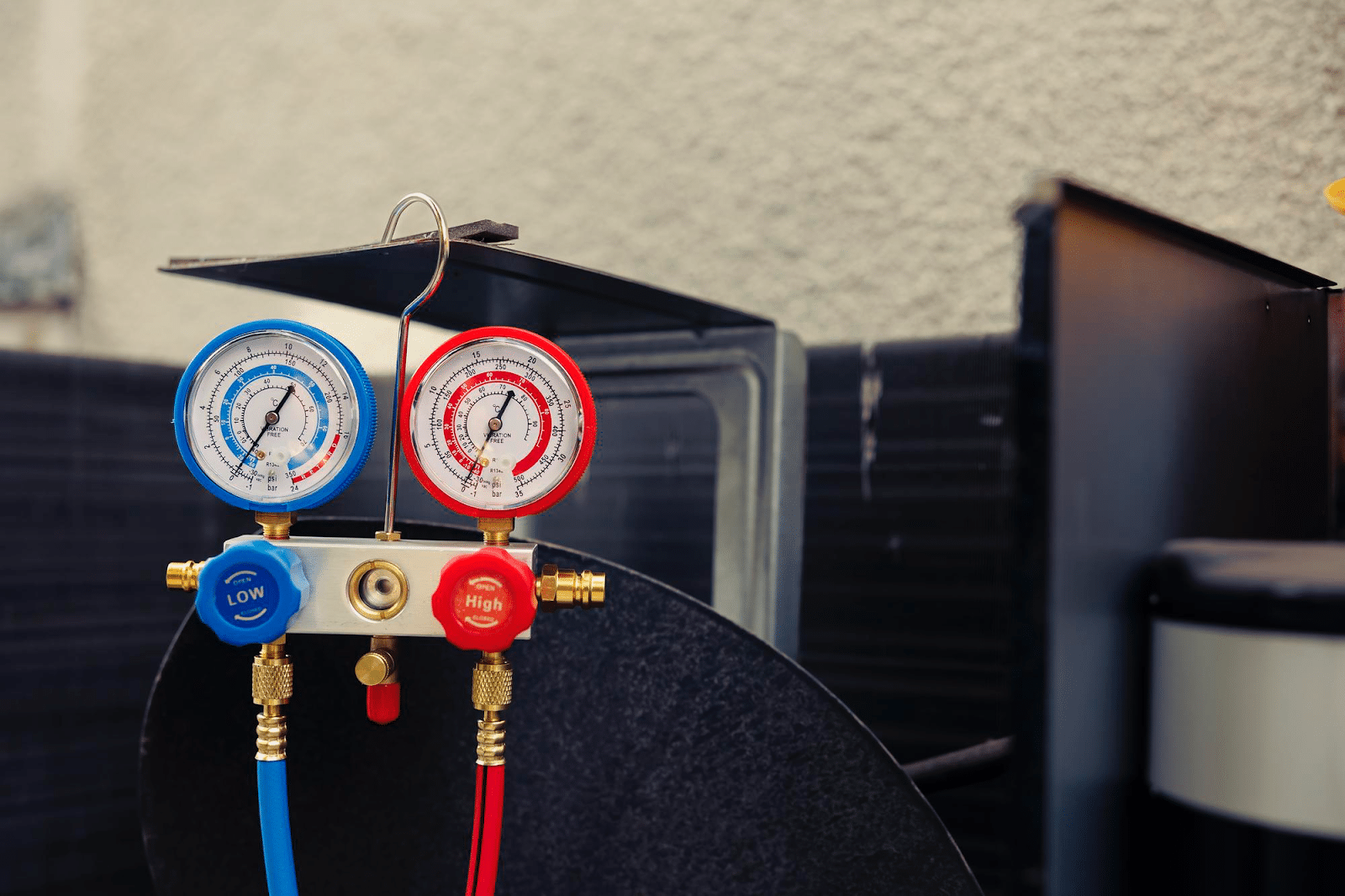
- Refrigerant levels and line condition.
- Electrical contacts, wires, and switches.
- Water lines, drain paths, and seals in appliances.
- Motors, heating elements, and internal sensors.
- Buildup on refrigerator coils or dryer vents.
- Safety checks on components that handle heat or pressure.
These inspections prevent small issues from turning into major repairs. Equipment works with less strain when everything inside moves freely.
Simple Tasks Homeowners Can Handle Between Visits
There are easy tasks anyone can do during the year. None of them take long, and they support the work a technician does. Replacing HVAC filters every few months keeps airflow steady. Clearing leaves around the outdoor unit helps the system breathe. Dusting or vacuuming vents maintains clean circulation.
For appliances, the same idea applies. Coil cleaning improves refrigerator performance. Clearing dryer lint after each load makes cycles shorter. Running a cleaning program in dishwashers and washing machines prevents buildup that reduces water flow. These steps keep the equipment closer to its original condition.
When DIY Stops Being Safe
Some issues require caution. Burning smells, sparks, or repeated shutdowns indicate a deeper problem. Water leaks can cause hidden damage and should be handled quickly. HVAC problems involving refrigerant or electrical parts also belong to trained hands, because the wrong adjustment may harm the system.
Modern appliances and HVAC units rely on sensors and small components that can be sensitive. A technician understands how these parts interact and can fix the issue without creating a new one.
Why Working with a Skilled Technician Makes Life Easier
A reliable technician sees patterns that aren’t obvious from the outside. They can explain why one room feels off-balance or why a machine sounds different. They also keep a record of earlier visits, which helps track long-term changes in the equipment. This kind of attention keeps the home comfortable and reduces unexpected disruptions.
When systems run smoothly, everyday life feels lighter. You don’t think about temperature shifts or noisy appliances. Everything works the way it should, and that stability is the real benefit of timely maintenance.
Final Thoughts
Regular maintenance doesn’t take much time, but it supports every system that keeps a home running. HVAC units stay efficient. Appliances use less energy. Breakdowns happen far less often. With a simple routine and the help of a skilled technician, your equipment stays dependable through the entire year.