

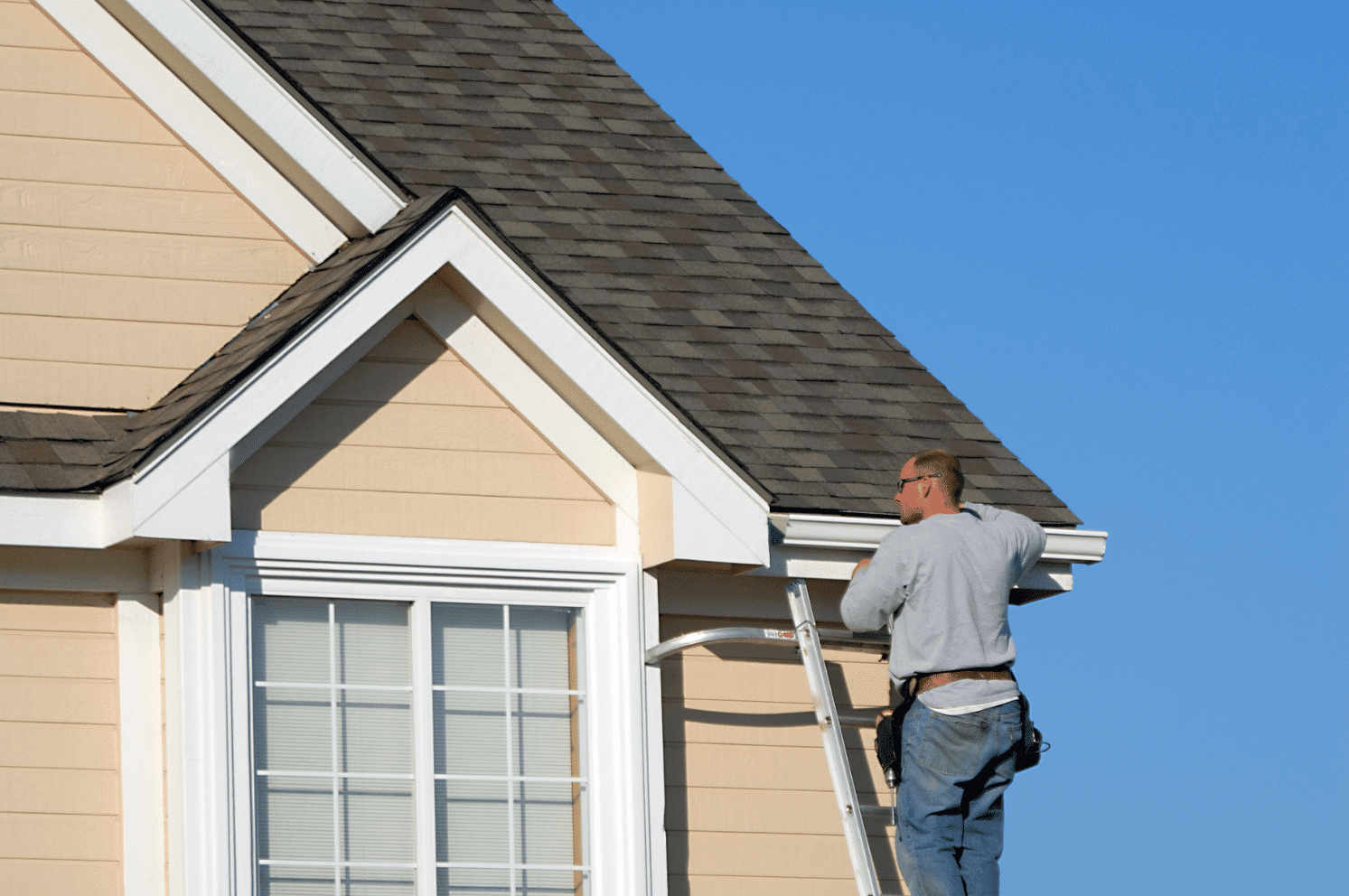
Home improvement projects can be exciting, but they can also be overwhelming if not properly planned. When it comes to exterior upgrades, such as replacing windows, doors, siding, and roofing, the sequence in which these projects are completed matters significantly.
Choosing the wrong order can lead to unnecessary damage, higher costs, and additional work. Our team has helped countless homeowners in Washington state navigate these upgrades efficiently. Here is a comprehensive guide on the correct order to tackle these critical exterior improvements.
1. Start with the Roof
The roof is the most critical component of your home’s exterior, protecting everything beneath it from weather, moisture, and other elements. Replacing or repairing the roof first ensures that the rest of your exterior upgrades, such as windows, doors, and siding, are protected during construction.
Why the Roof Comes First
- Installing new windows, doors, or siding before the roof can expose your home to water damage if roofing work creates leaks.
- Roofing debris or tools can damage new windows or siding if installed first.
- Proper roof installation can influence the placement and flashing of windows and siding for optimal waterproofing.
Tips for Roofing Projects
- Inspect the existing roof for damage before deciding on a replacement.
- Consider materials suitable for Washington’s climate, such as CertainTeed, GAF, or Malarkey Roofing Products, which are designed for rain, wind, and snow resistance.
- Ensure proper attic ventilation and insulation are included during roofing replacement to prevent future issues such as ice dams or heat loss.
Working with experienced professionals like Blue Bird Roofing can also help ensure proper installation, material selection, and long-term durability for your roof.
2. Replace Windows Next
Once the roof is secure, the next step is replacing windows. Windows are integral to energy efficiency, insulation, and home comfort. Installing them after the roof ensures that any water leaks from the roofing project will not damage new windows or cause interior damage.
Key Considerations for Window Replacement
- Choose energy-efficient windows with proper ratings for your climate. Look for the ENERGY STAR certification for windows suitable for the Pacific Northwest.
- Consider material options such as vinyl, fiberglass, or wood-clad windows. Each material offers different durability, maintenance, and aesthetic benefits.
- Work with a reputable installer to ensure proper flashing and sealing to prevent water infiltration. Poor installation can lead to leaks, condensation, and reduced energy efficiency.
Benefits of Replacing Windows Before Siding
- Siding installation requires precise measurements around windows. Installing windows first ensures siding fits perfectly without unnecessary cutting.
- Proper flashing between windows and siding is critical to prevent water intrusion. Installing windows first simplifies this process.
3. Upgrade Doors
Replacing exterior doors should follow window installation. Exterior doors, like windows, need to be properly integrated with siding and roofing to ensure weather resistance and energy efficiency.
Why Doors Should Come After Windows
- Doors are often larger than windows and require accurate framing and measurements. Installing them after windows allows contractors to adjust for any structural changes made during window replacement.
- Installing doors before siding helps ensure the siding fits snugly around the door frames for a seamless finish.
Door Replacement Tips
- Choose insulated, weather-resistant doors that provide energy efficiency and security. Fiberglass and steel doors are popular options in Washington due to their durability and resistance to moisture.
- Ensure proper sealing and flashing to prevent drafts and water infiltration. Improper door installation can lead to costly repairs and reduce comfort inside your home.
4. Finish with Siding
Siding should be the final exterior component installed after the roof, windows, and doors. Proper siding installation protects your home, enhances curb appeal, and contributes to overall energy efficiency.
Why Siding Comes Last
- Installing siding first can interfere with window and door replacement. Cutting into new siding to install windows or doors can damage the siding and reduce its effectiveness.
- Siding requires careful integration with roof flashing, windows, and doors. Completing other projects first allows for a clean and precise siding installation.
Siding Material Considerations
- Fiber-cement siding, such as James Hardie or Allura, is durable, low-maintenance, and suitable for Washington’s wet climate.
- Vinyl siding is another option, offering affordability and minimal maintenance, though it may not be as durable in extreme weather conditions.
- Proper installation, including sealing and flashing, is critical to prevent water infiltration and prolong siding lifespan.
Additional Tips for Sequencing Exterior Projects
- Plan for Weather Conditions
Washington’s weather can be unpredictable, especially in winter. Schedule roofing, window, and siding projects during drier months to avoid delays and water damage. - Coordinate Contractors
Working with a single contractor or coordinating between multiple contractors can streamline the process. Clear communication ensures that roofing, windows, doors, and siding are installed in the correct order. - Inspect Structural Integrity
Before starting exterior upgrades, inspect the home’s structure, including framing, fascia, and soffits. Addressing any damage beforehand ensures new installations perform properly. - Consider Energy Efficiency
Replacing windows and doors before siding allows you to optimize insulation, caulking, and sealing, enhancing the home’s energy efficiency and reducing long-term heating and cooling costs. - Budget Wisely
Exterior projects can be expensive, so planning the sequence carefully can prevent unnecessary repairs or replacements. For example, replacing siding first could result in damage from roofing work, adding to costs.
The Benefits of Following the Right Order
Following the proper sequence — roof, windows, doors, then siding — provides multiple benefits:
- Protects new installations from damage during subsequent projects
- Ensures proper integration of flashing, insulation, and weatherproofing
- Minimizes the risk of leaks, drafts, and water damage
- Enhances energy efficiency and long-term durability
- Saves time and money by preventing rework or repairs
By approaching exterior renovations in the correct order, homeowners achieve a more efficient and effective upgrade, enhancing the home’s aesthetic and functional value.
Why Choose 2FL Windows, Siding, and Roofing
At 2FL Windows, Siding, and Roofing, we specialize in exterior home improvement projects in Washington state. Our experienced team can assess your home, recommend the optimal sequence for upgrades, and ensure each project is completed to the highest standards. From roofing and window replacement to door installation and siding upgrades, we provide comprehensive solutions designed to protect and beautify your home for years to come.
We also guide homeowners through material selection, energy-efficient options, and professional installation techniques, ensuring your investment delivers long-term value and peace of mind.
When planning exterior home upgrades, the order of projects is crucial. Starting with the roof, followed by windows, doors, and finishing with siding ensures that each element is protected and installed correctly. This strategic sequence prevents damage, reduces costs, and enhances the home’s durability, energy efficiency, and curb appeal.
Ready to start your exterior home improvement project? Schedule a free estimate today with 2FL Windows, Siding, and Roofing to learn more about your project and get professional guidance on the right sequence for your home upgrades.