

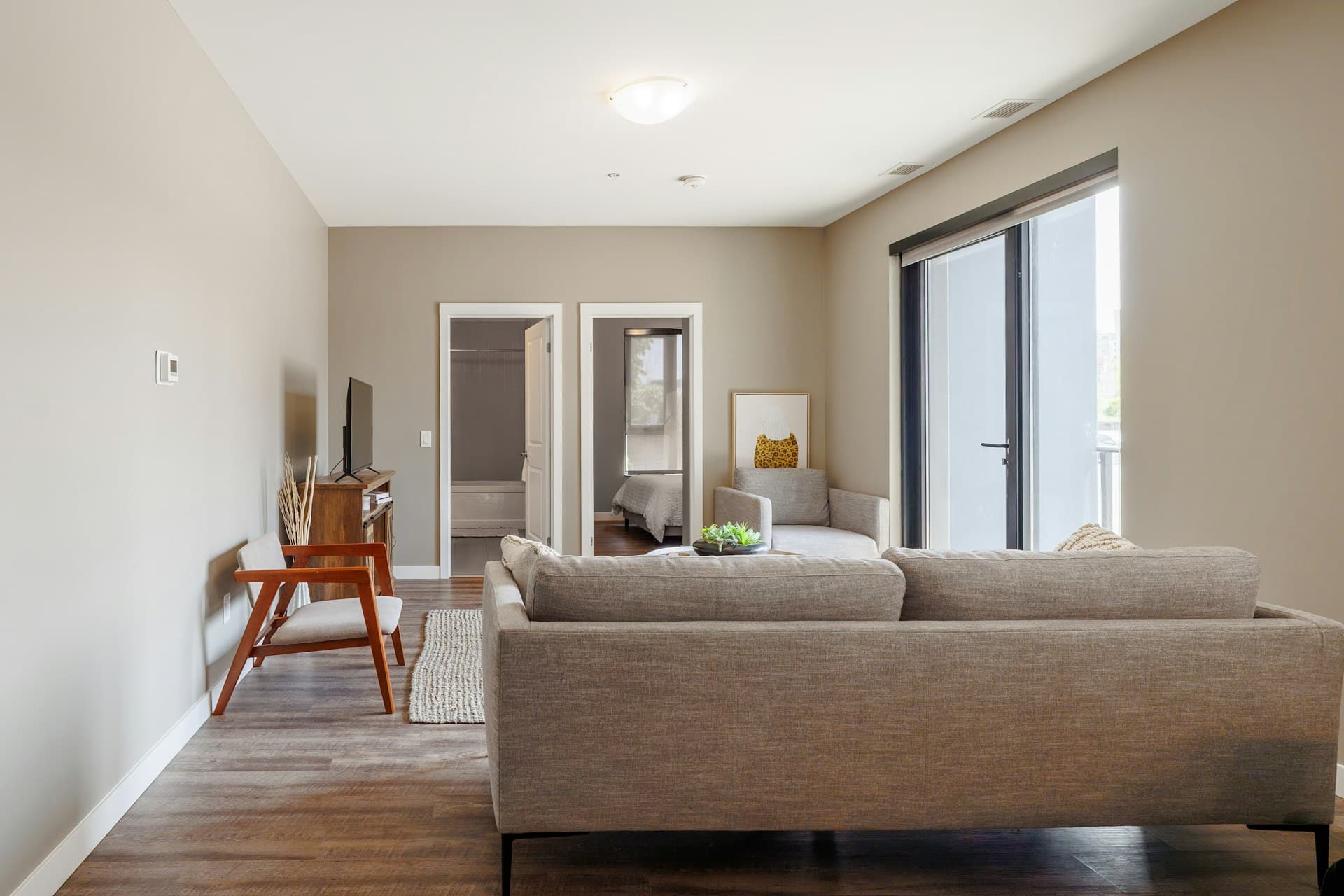
Staging isn’t just for home sales. If you’re trying to lease a rental property quickly, staging can be the difference between a vacant property sitting for weeks and a signed lease after just a handful of showings. Why? Because most renters decide how they feel about a place in the first minute or two. If you can make it easy for them to imagine that, you’ll have no trouble finding tenants.
Thankfully, you don’t need a designer budget to stage effectively. You just need a clean, consistent look, a few smart upgrades, and a strategy that photographs well.
Here are a few tips you can use to help your rental property stand out and lease fast.
1. Start With “Hotel Clean”
Before you think about furniture or decor, you need the property to feel spotless. A renter might forgive dated cabinets or older tile, but they won’t ignore odors or dusty corners. Clean signals that the property is cared for and that you’ll be responsive as a landlord.
Aim for a “hotel clean” standard. That means the details are handled. This includes baseboards wiped down, corners vacuumed, vents dusted, and windows cleaned. In the kitchen, it’s worth taking extra time to deal with any grease buildup – especially around the stove and hood – because renters notice it immediately. Bathrooms should feel bright and airy with clean grout lines and streak-free mirrors.
2. Choose a Neutral Palette
Renters go through listings quickly, and your photos need to look bright and modern enough to stop the scroll. A neutral palette helps you do that because it reflects light and creates a blank canvas for renters to picture their own stuff.
If your walls are loud colors or inconsistent from room to room, repainting is usually worth it. You don’t have to go stark white, but you do want something light and contemporary. When the walls are consistent and clean, everything else looks more polished.
Lighting makes a bigger difference than most people expect. If some rooms are warm yellow and others are icy blue, your listing photos can look weirdly off. Pick bulbs that match and make sure every fixture works. It’s also worth swapping out yellowed switch plates or dingy outlet covers and touching up trim where you see chips.
Not sure where to start with colors and lighting? Work with a property manager who offers staging as part of their package. They can handle all of the details so that you don’t have to worry about it.
3. Define Each Space Clearly
One of the biggest staging mistakes is leaving rooms empty without any context. Empty rooms can look smaller online, and renters may struggle to understand how to use awkward layouts.
Your goal is to define the purpose of every space. If the property is vacant, even minimal staging can help. For example, you could add:
- A small bistro table in a dining nook
- A simple bed and two nightstands in the primary bedroom
- A sofa and rug to anchor the living room
- A desk setup to suggest a home office
If you don’t want to fully furnish, you can still “define” spaces with lightweight touches like an area rug, a floor lamp, or a mirror. For open-concept homes, this matters even more because the layout can feel vague in photos unless you visually break it into zones.
4. Use the Right Furniture Scale
Furniture scale matters. In rentals, you want spaces to feel open and livable, not crowded. Here’s a simple approach that works:
- Use fewer pieces, but make them look purposeful
- Choose clean-lined furniture that doesn’t visually “weigh down” the room
- Leave breathing room around walkways and door swings
- Avoid oversized sectionals unless the room truly supports it
In bedrooms, keep it straightforward. A bed and nightstands go a long way, and in smaller rooms, you may want to stage with a full-size bed instead of a queen so the space still feels comfortable.
5. Make it Feel Lived In
In the living room, a simple tray with a mug and a book can make the space feel relaxed without looking cluttered. In the bathroom, fresh towels and a clean shower curtain do more heavy lifting than people realize. In the kitchen, a bowl of citrus or a cutting board setup can make the space feel warm, especially in listing photos where kitchens often look flat without a little styling.
The key is restraint. You should avoid loud patterns or anything that feels like it’s trying too hard. You want it neutral enough that a wide range of renters can imagine themselves in the space.
Make it Easy to Say ‘Yes’
Staging isn’t about tricking anyone. You’re just doing your best to remove friction from the decision. When your rental looks clean and thoughtfully set up, renters feel more confident and are more likely to apply quickly. This is how you give your rental the best chance of leasing quickly to good-quality tenants.