

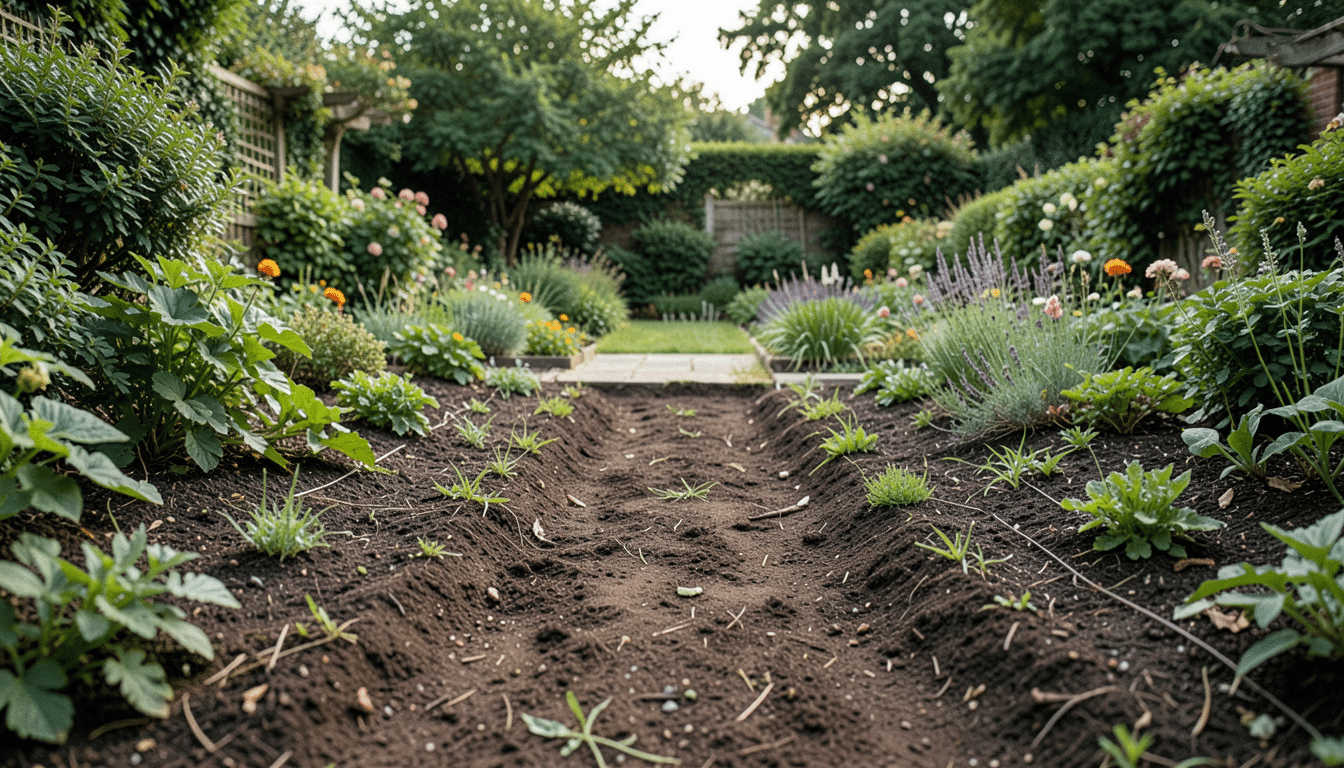
When I first started planting in my yard, I picked soil without thinking much about it. Later, I realized that not all soil works the same.
If you feel confused standing in the garden aisle, trying to decide which one to pick, that’s completely normal.
Many people get stuck when comparing Topsoil vs Garden Soil because both sound useful.
I’ve been there too, standing in the store trying to figure it out. The truth is, each one has a different purpose, and using the wrong one can affect how your plants grow.
In this article, I’ll help you understand the key differences in a simple way.
You’ll learn when to use each type and how to pick the right one for your needs. This will make your gardening work easier and more effective.
What Is Topsoil?
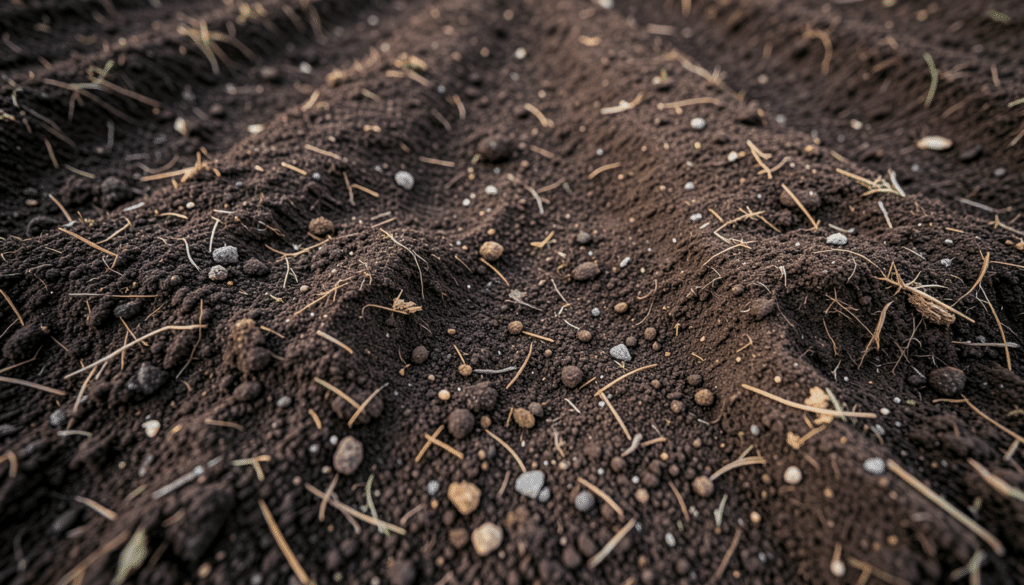
Topsoil is the upper layer of soil found on the ground surface. It usually sits about 2 to 8 inches deep and holds most of the nutrients plants need to grow.
This layer forms over time as leaves, grass, and other natural materials break down and mix into the soil.
Good topsoil feels loose and slightly crumbly, which helps roots spread easily. People often use it to level yards, fill low spots, or improve poor soil.
It can also support basic planting, but it does not always have enough nutrients for flowers or vegetables on its own.
That’s why many gardeners mix it with compost or other soil types. Topsoil is a solid base layer, but it works best when you pair it with richer soil for planting.
What Is Garden Soil?
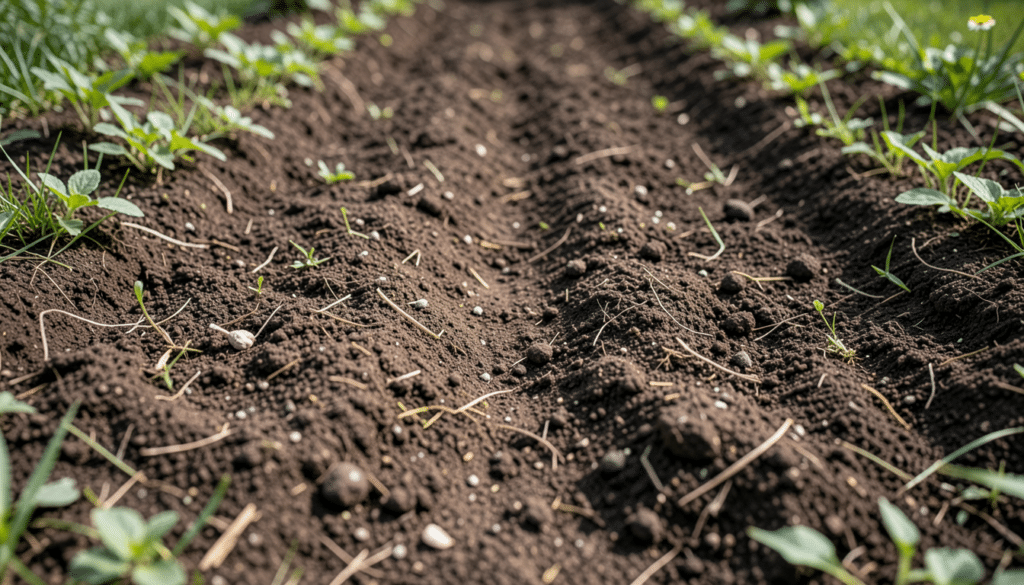
Garden soil isa ready-to-use soil mix made for growing plants. It is not just plain dirt.
It usually contains compost, peat, or other organic matter that adds nutrients and improves texture. This helps plants grow faster and stay healthy.
Good garden soil feels soft and slightly rich. It holds water well but also drains enough so roots do not sit in water.
People use it to plant flowers, vegetables, and shrubs in garden beds. It gives plants the nutrients they need from the start.
Unlike topsoil, garden soil is not meant for filling or leveling land. It works best in areas where plants are already growing or will be planted soon.
Using it in the right place helps roots grow strong and supports better plant growth over time.
Topsoil vs Garden Soil: Key Differences Between Them
Topsoil and garden soil may look similar at first, but they serve different purposes. Knowing these differences helps you choose the right soil for better plant growth.
1. Composition and Nutrients
Topsoil is natural soil taken from the ground, so its nutrient level can vary a lot. Some topsoil may have organic matter, but others may be low in nutrients. It depends on where it is collected from.
Garden soil is made by mixing topsoil with compost and other organic materials.
This improves its nutrient content and makes it more suitable for plant growth.
If you want soil that supports plants from the start, garden soil is a better option, while topsoil often needs extra nutrients added later.
2. Best Use Cases
Topsoil is mainly used for filling holes, leveling uneven ground, or building a base layer in your yard. It helps prepare the land, but it is not always ready for planting on its own.
Garden soil is designed for planting and is used in garden beds, flower beds, and around shrubs.
It provides nutrients right away, which helps plants grow faster.
If your goal is to plant directly, garden soil works best. Topsoil is more useful for groundwork and surface preparation before planting.
3. Texture and Structure
Topsoil can have a rough and uneven texture, and it may contain sand, clay, or small stones. This can affect how easily roots grow and spread.
Garden soil is more balanced and smoother because it is processed and mixed carefully.
It has a softer feel that supports better root growth. The improved structure also allows air to move through the soil, which helps roots stay healthy.
Topsoil may need mixing or treatment before it becomes ideal for planting.
4. Drainage and Moisture Retention
Topsoil does not always manage water well, especially if it lacks organic matter. It can dry out quickly or become compacted after rain, which can harm plant roots.
Garden soil is designed to hold moisture while still allowing excess water to drain out.
This balance helps keep roots healthy and reduces the risk of water buildup. With better moisture control, garden soil supports steady plant growth.
Topsoil may need added compost or amendments to improve its water balance.
5. Cost and Availability
Topsoil is usually cheaper because it is less processed and widely available in large amounts.
It is a good choice for big projects like filling or leveling land. Garden soil costs more because it includes added nutrients and organic materials.
It is often sold in bags or smaller quantities. While garden soil is more expensive, it saves time and effort when planting.
Choosing between the two depends on your project, budget, and how much preparation your soil needs.
Key Difference between Topsoil and Garden Soil at a Glance
Topsoil and garden soil may look similar, but they serve different purposes in gardening and landscaping. Knowing the differences helps in choosing the right soil for better plant growth and long-term results.
| Feature | Topsoil | Garden Soil |
| Basic Definition | Natural upper layer of soil | Soil mix made for planting |
| Main Purpose | Filling, leveling, base layer | Direct planting and growing plants |
| Nutrient Content | Low to moderate | High, enriched with nutrients |
| Organic Matter | Very little | High (compost, organic material) |
| Texture | Rough and less refined | Smooth and well-balanced |
| Drainage | Moderate, depends on mix | Balanced drainage and moisture holding |
| Water Retention | Lower than garden soil | Better moisture retention |
| Ready for Planting | Not ideal on its own | Ready to use for planting |
| Common Uses | Lawns, filling holes, base prep | Garden beds, flowers, and vegetables |
| Soil Structure | Basic support layer | Improved structure for root growth |
| Cost | More affordable | Slightly more expensive |
| Best For | Ground preparation | Healthy plant growth |
Which Soil Is Better for Plants?
Garden soil is usually better for plants because it contains more nutrients and organic matter.
It is specially made to support plant growth, while topsoil mainly acts as a base and does not provide enough nutrients on its own.
For example, imagine planting tomatoes in two different areas. In one area, only topsoil is used. The plants may grow, but they can look weak, grow slowly, and produce fewer fruits.
In the second area, garden soil is used. The plants grow faster, look healthier, and give better results because the soil has the nutrients they need.
Topsoil still plays an important role, especially for preparing the ground or leveling the area. But for actual planting, garden soil is the better choice.
Using both together also works well, with topsoil as the base and garden soil on top.
Can You Use One Instead of the Other?
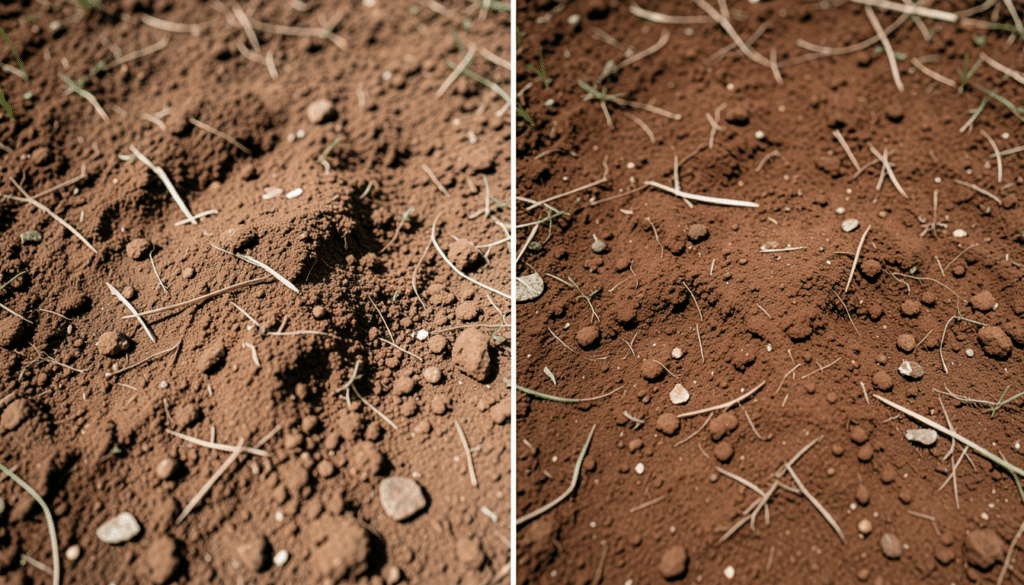
Topsoil and garden soil are not always interchangeable, and the right choice depends on how the soil will be used.
Each serves a different purpose, so using one in place of the other can affect results. Topsoil should not be used alone for gardening in most cases.
It lacks enough nutrients, so plants may grow slowly or struggle.
It can work for basic uses like filling areas or growing grass, but it needs compost or garden soil added for better plant growth.
Garden soil, on the other hand, can be used instead of topsoil in many situations. It already contains nutrients and organic matter, which support healthy plants.
It works well in garden beds and planting areas. However, using it for large filling or leveling jobs can be more expensive than needed.
Tips to Choose the Right Soil
The right soil helps plants grow stronger and stay healthy. It also makes gardening easier and gives better results over time.
- Know Your Purpose: Think about what you need the soil for before buying. Use topsoil for filling and leveling, and garden soil for planting. Picking based on your goal saves time and effort later.
- Check Soil Quality: Look at the texture and smell, if possible. Good soil should feel loose and not have a strong bad odor. This helps you avoid poor-quality or low-nutrient soil.
- Look At Nutrient Needs: Plants like vegetables and flowers need rich soil. Garden soil works better here because it already has added nutrients to support growth.
- Consider Drainage: Some areas hold water longer than others. Choose soil that drains well but still keeps enough moisture so roots stay healthy.
- Think About Budget: Topsoil is cheaper for large areas, while garden soil costs more but is ready for planting. Choose based on how much you need and your project size.
- Mix When Needed: You do not always have to choose just one. Mixing topsoil with compost or garden soil can give better results for many projects.
How to Test Soil Quality Before Buying?
Testing soil before buying helps avoid poor quality and saves money. A few simple checks can give a clear idea of the soil’s condition.
- Check texture by hand: Rub soil between fingers. It should feel loose and slightly crumbly, not sticky or too gritty.
- Look at the color: Good soil is usually dark brown or black, which shows organic matter is present.
- Smell the soil: It should have a fresh, earthy smell. A sour or chemical smell is a bad sign.
- Do a water drainage test: Add a little water. Good soil absorbs it without forming puddles.
- Check for debris: Look for rocks, plastic, or large roots. Clean soil is of better quality.
- Squeeze test: Press the soil in your hand. It should hold shape slightly, then break apart easily.
- Jar test for layers: Mix soil with water in a jar, shake it, and let it settle. Sand, silt, and clay will form layers to show composition.
- Check moisture level: Soil should feel slightly damp, not too dry or overly wet.
How to Improve Poor Soil at Home?
Improving poor soil at home starts with adding the right materials and making small changes over time.
The first step is to mix in compost or organic matter, which adds nutrients and improves soil structure. This helps roots grow better and supports healthy plants.
You can also loosen hard soil by turning it with a shovel or garden fork.
This allows air and water to move through more easily. If the soil drains poorly, adding sand or compost can help fix it.
It is also useful to test your soil to understand what it lacks.
Based on the results, you can add the right nutrients or fertilizers. Regular care, like adding compost each season, keeps the soil in good shape.
Over time, these steps make your soil stronger and better for growing plants.
How to Store Soil Properly?
Storing soil the right way keeps it usable for longer and prevents loss of quality. Proper storage also helps avoid moisture issues, pests, and contamination.
- Keep it covered: Use a tarp or a container to protect the soil from rain and direct sunlight.
- Store in a dry place: Choose a shaded area to prevent excess moisture buildup.
- Use sealed containers: Bags, bins, or buckets help keep soil clean and contained.
- Avoid direct ground contact: Place soil on a pallet or surface to prevent contamination.
- Control moisture levels: Keep soil slightly dry, not wet or soggy.
- Label different soil types: This helps avoid mixing topsoil and garden soil by mistake.
- Check regularly: Look for mold, pests, or a bad smell before using stored soil.
Final Thoughts
By now, the difference between topsoil and garden soil should feel much clearer. Each one has its own role, and using the right type can make a real difference in how your plants grow.
Topsoil helps set the base, while garden soil gives plants the nutrients they need to thrive.
The key is to match the soil to your goal. If you focus on what your plants need and how your space is set up, the choice becomes much easier.
Even small changes, like mixing soils or checking quality before buying, can lead to better results over time.
If you’ve tried using topsoil or garden soil in your garden, share your experience in the comments below. What worked best for you?
Frequently Asked Questions
Does Soil Expire or Go Bad?
Soil does not expire but can lose nutrients over time.
Can You Reuse Old Garden Soil?
Old soil can be reused if it is cleaned and mixed with fresh compost.
How Often Should Soil Be Replaced?
Garden soil should be refreshed every season or when plant growth slows.
Can Topsoil Be Used for Potted Plants?
Topsoil is not ideal for pots because it lacks nutrients and proper drainage.