

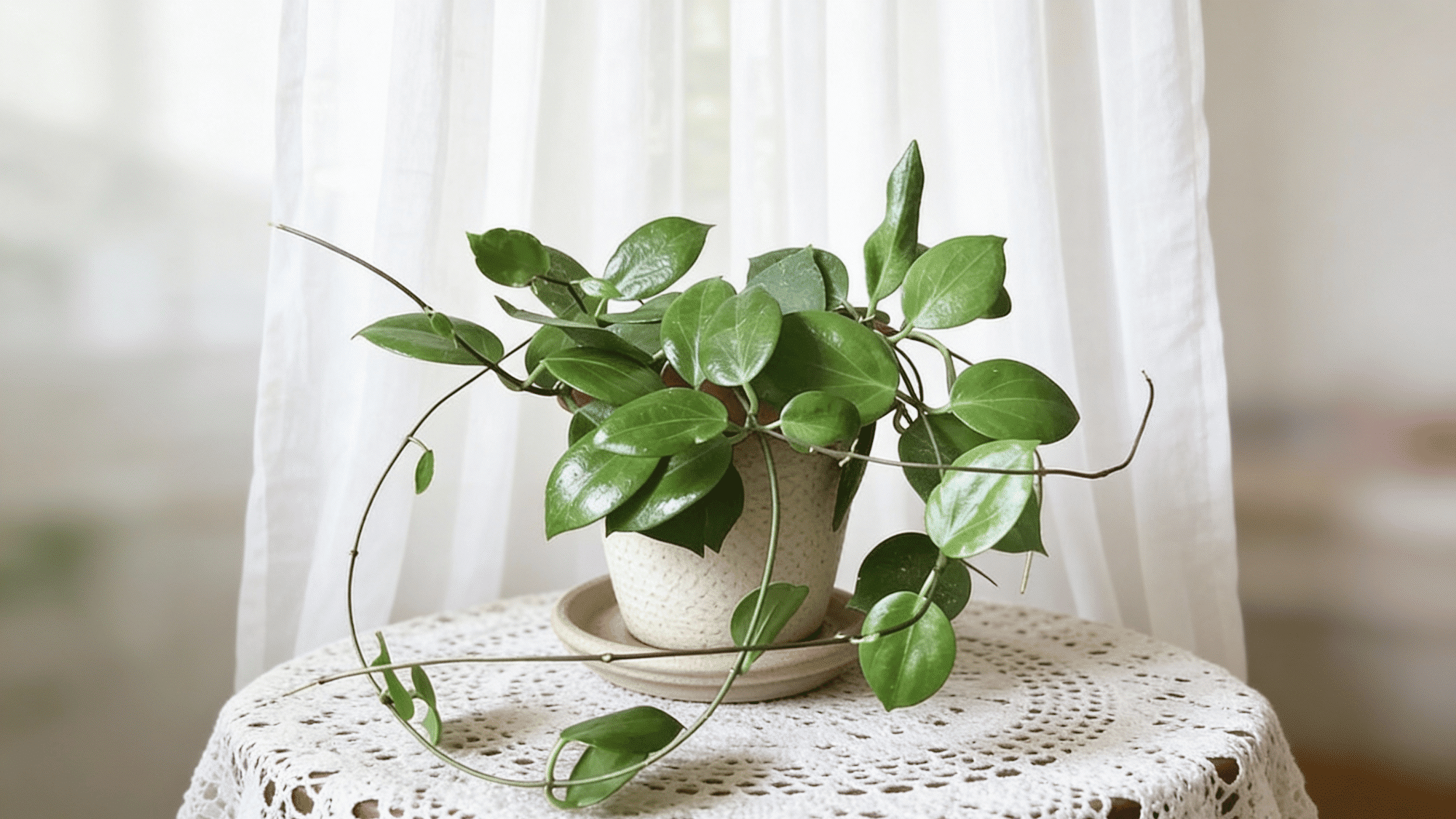
Hoya plants are loved for their waxy leaves and beautiful star-shaped blooms.
But keeping them happy can feel tricky at times. Too much water, not enough light, or the wrong spot in the house can leave these beauties struggling instead of thriving.
Caring for wax plants doesn’t have to be complicated. With a few simple adjustments to watering, lighting, and feeding, anyone can help their Hoya flourish.
This blog offers practical care tips to make growing these stunning plants easier and more rewarding.
An Overview of Wax Plant
Wax plants, or Hoyas, are tropical houseplants known for their thick, waxy leaves and clusters of fragrant flowers.
Native to Asia and Australia, these plants have become popular for their low-maintenance nature and stunning appearance. They come in many varieties, each with unique leaf shapes and flower colors.
Some trail beautifully from hanging baskets, while others climb with support.
Hoyas are slow growers but incredibly rewarding once they mature. They store water in their leaves, making them somewhat forgiving if someone occasionally forgets to water.
Essential Wax Plant Care Basics
Getting the basics right sets up any Hoya for success and keeps it healthy year-round.
- Light: Hoyas prefer bright, indirect light but can tolerate some lower light conditions.
- Water: Let the soil dry out between waterings to prevent root rot issues.
- Soil: Use a well-draining potting mix that doesn’t hold excess moisture.
- Temperature: Keep temperatures between 60-80°F for optimal growth and blooming.
- Humidity: Moderate to high humidity helps but isn’t strictly necessary for survival.
Different Types of Hoya Plants You Can Grow Indoors
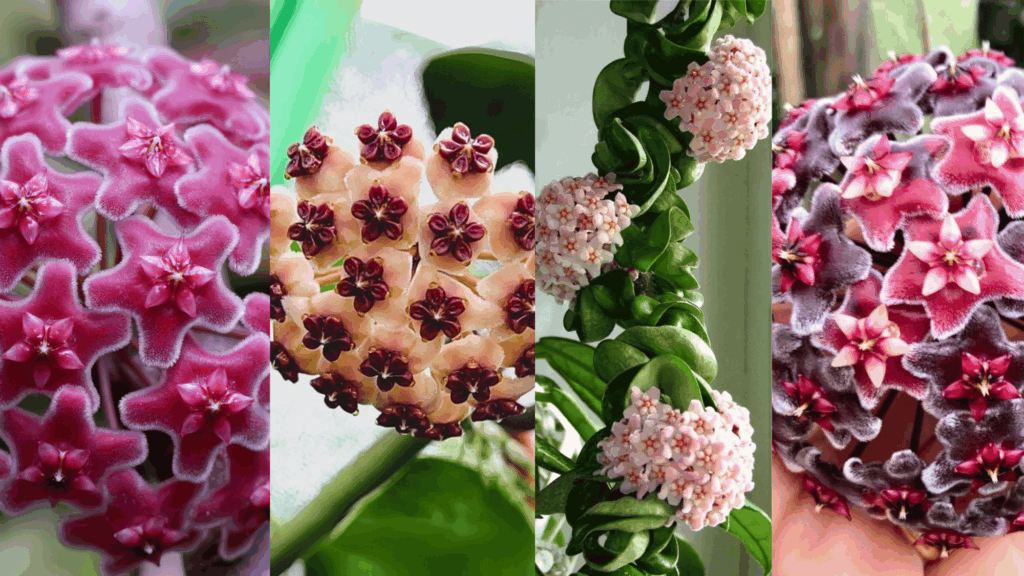
Hoya varieties offer something for every plant lover, from trailing vines to compact bushes with different leaf textures.
1. Hoya Carnosa
This classic variety is one of the most popular and easiest to grow. It features thick, waxy green leaves and produces clusters of pink or white star-shaped flowers.
The blooms smell sweet, especially at night. Hoya carnosa grows as a vine and does well in hanging baskets or trained on a trellis. It’s perfect for beginners since it tolerates some neglect and adapts to various conditions.
2. Hoya Kerrii
Often called the sweetheart plant because of its heart-shaped leaves. This adorable variety is commonly sold as single leaves in small pots around Valentine’s Day.
When given proper care, it can grow into a full trailing plant with multiple leaves. The flowers are small and white with red centers.
Hoya kerrii grows slowly but becomes quite striking once established with the right light and watering.
3. Hoya Pubicalyx
Known for its dark green leaves with silver splashes and stunning deep pink to burgundy flowers. This variety grows faster than other Hoyas and produces long, trailing vines.
The blooms are incredibly fragrant and appear in large clusters. Hoya pubicalyx is relatively easy to care for and rewards growers with frequent flowering once mature. It looks beautiful in hanging planters where the vines can cascade down.
4. Hoya Compacta
Also called the Hindu rope plant due to its twisted, curled leaves that grow along thick vines. This unique-looking variety has a compact growth habit despite its trailing nature.
The leaves are tightly clustered and create an interesting rope-like appearance. It produces pink or white ball-shaped flower clusters.
Hoya compacta grows more slowly than other types but becomes a real conversation piece in any collection.
Best Hoya Carnosa Care Tips for Healthy Growth
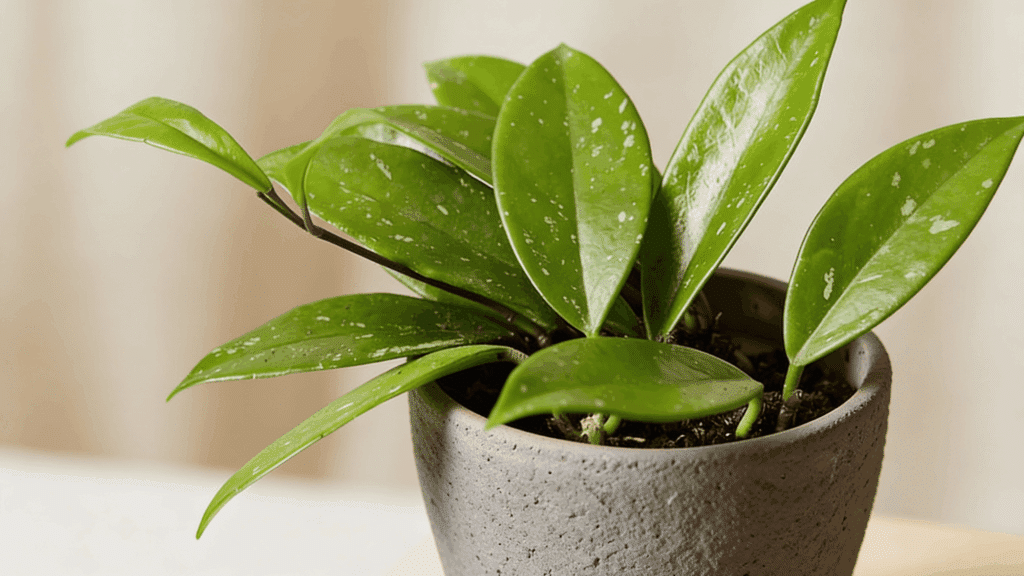
Hoya carnosa is one of the most forgiving varieties, but a few targeted care tips help it thrive and produce those gorgeous flower clusters faster.
1. Provide Bright Indirect Light
Place the plant near an east or west-facing window where it gets plenty of filtered sunlight. Too much direct sun can scorch the leaves, while too little light prevents flowering. Rotate the pot occasionally for even growth on all sides.
2. Water When Soil Is Dry
Stick a finger into the soil about two inches deep before watering. If it feels dry, give it a good drink until water drains from the bottom. Overwatering causes root rot, which is one of the biggest problems for Hoyas.
3. Use Well-Draining Soil Mix
Regular potting soil holds too much moisture for carnosa. Mix in perlite, orchid bark, or coarse sand to improve drainage. The roots need air circulation to stay healthy and avoid fungal issues that come from sitting in soggy soil.
4. Maintain Stable Temperatures
Keep the plant in a spot with consistent temperatures between 60-80°F. Avoid placing it near heating vents, air conditioners, or drafty windows. Sudden temperature drops can stress the plant and cause leaf drop or delay blooming.
5. Feed During Growing Season
Use a balanced liquid fertilizer diluted to half strength every 4-6 weeks from spring through summer. Skip fertilizing in fall and winter when growth naturally slows down. Too much fertilizer burns the roots and damages the leaves.
6. Don’t Repot Too Often
Hoyas actually prefer being slightly rootbound and often bloom better in snug pots. Only repot every 2-3 years when roots are visibly crowding the container. Choose a pot just one size larger to avoid excess soil moisture.
7. Leave Flower Stalks Intact
After flowers fade, resist the urge to cut off the bare stalks. New blooms grow from these same spots in future seasons. Removing them means fewer flowers next time the plant decides to bloom.
How to Fertilize a Wax Plant for Healthy Growth
Fertilizing Hoyas properly makes a real difference in their growth and flowering potential. These plants don’t need heavy feeding, but they do appreciate regular nutrients during their active growing months.
The key is using the right type of fertilizer at the correct strength and frequency.
Over-fertilizing causes more harm than under-fertilizing, so less is definitely more with wax plants. They naturally grow slowly, and no amount of extra food will speed that up dramatically.
Focus on consistent, diluted applications rather than strong doses. Understanding when to feed and when to hold back helps the plant use nutrients efficiently.
Spring and summer are prime feeding times, while fall and winter require little to no fertilizer as growth slows down naturally.
How to Get a Wax Plant to Bloom
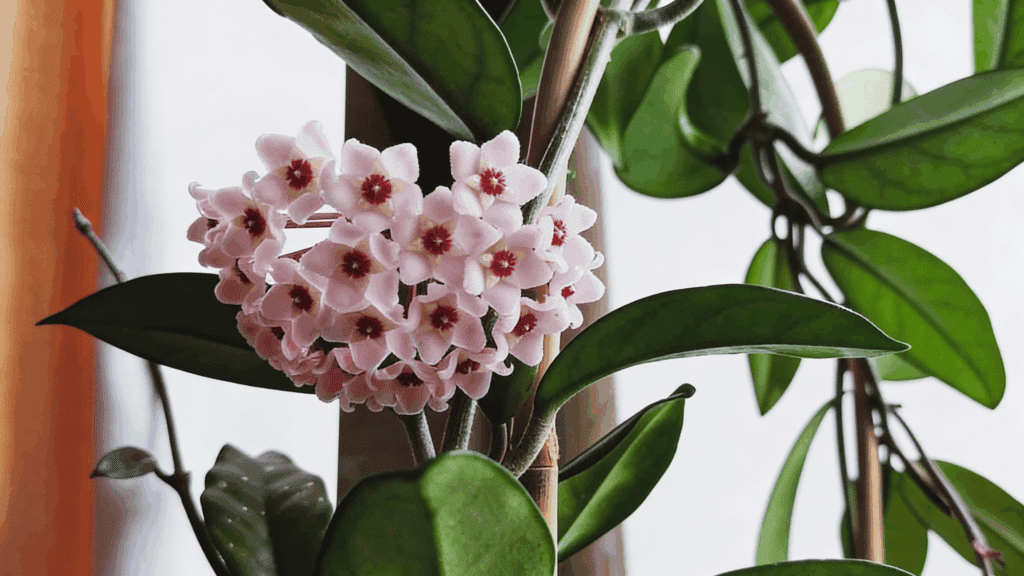
Getting a Hoya to bloom can test anyone’s patience, but it’s absolutely worth the wait. These plants often take a few years to mature before producing their first flowers.
Once they start blooming, though, they tend to flower more regularly with proper care.
The trick lies in creating conditions that signal the plant it’s time to bloom. This means getting the light, temperature, and watering just right.
Many growers make the mistake of being too attentive, but Hoyas actually flower better with a bit of benign neglect.
Stress isn’t always bad for plants. In fact, certain types of controlled stress encourage Hoyas to produce those stunning, fragrant flower clusters everyone loves so much.
Common Wax Plant Problems and Solutions
Even healthy Hoyas can run into issues, but most problems have simple fixes when caught early enough.
- Yellowing Leaves: Usually caused by overwatering or poor drainage; let the soil dry completely before watering again.
- No Flowers: Insufficient light or immature plant; move to a brighter spot and be patient with young plants.
- Leaf Drop: Temperature stress or drafts are often responsible; relocate to a stable, warmer location away from vents.
- Brown Leaf Tips: Low humidity or salt buildup from tap water; mist occasionally or use filtered water instead.
- Pests Like Mealybugs: Check leaf joints regularly and wipe with rubbing alcohol on cotton swabs to remove them.
The Bottom Line
Wax plants reward patience with their stunning blooms and resilient nature. Once the basics are down, these beauties practically take care of themselves. Remember that slower growth doesn’t mean something’s wrong. Hoyas just take their time.
The real magic happens when everything clicks together. That first cluster of fragrant flowers makes every bit of effort worthwhile.
Don’t stress over perfection or compare growth rates with other plant owners. Every Hoya develops at its own pace.
Ready to watch those waxy leaves thrive? Start with one variety, get comfortable with its needs, then add more to the collection. Happy growing awaits