


Condensation on windows is something many homeowners notice, especially during colder months.
You wake up, see water on the glass, and wonder if something is wrong. In most cases, it is a common issue caused by normal indoor conditions.
Warm air, moisture, and cold glass often come together and create that foggy or wet look.
In this guide, you’ll learn what causes condensation on windows and why it happens so often in homes.
I will share main causes, and the difference between condensation on the glass and moisture trapped between window panes.
The post shares simple ways to reduce condensation through everyday habits and small home changes.
By the end, you will know when condensation is normal and when it may point to a window problem.
What Is Window Condensation?
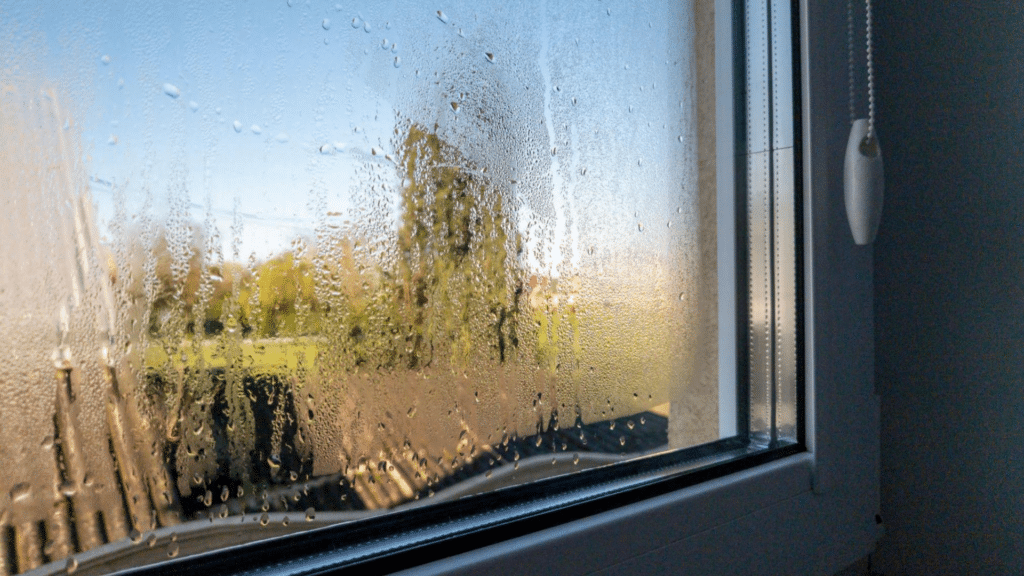
Window condensation happens when warm, moist air comes into contact with a cool window surface.
The air cannot hold all that moisture once it cools down, so it turns into tiny water droplets on the glass.
This is the same process you see when a cold drink sweats on a warm day. Inside a home, activities like cooking, showering, and even breathing add moisture to the air.
When that warm air hits a colder window, the moisture has nowhere to go.
Condensation usually shows up on the inside of windows during colder months.
The glass cools down faster than the air around it, which makes moisture settle on the surface. In most cases, this is normal and does not mean there is a serious problem.
Tips to Help You Reduce Condensation on Windows
Small daily changes can make a big difference in how much moisture builds up on your windows. These tips focus on airflow, humidity control, and simple habits that are easy to maintain.
1. Improve Airflow Around Windows
Good airflow helps moisture move away from the window glass before it settles. Keep curtains and blinds open during the day so air can circulate freely.
Avoid placing furniture directly in front of windows, as this traps warm, moist air.
Use ceiling fans or small portable fans to keep air moving, especially in rooms where condensation shows up often.
Even light airflow can help balance indoor temperatures and reduce the chance of moisture forming on window surfaces.
2. Use Ventilation Fans Regularly
Ventilation fans play a key role in removing excess moisture from indoor air.
Always run exhaust fans while cooking, showering, or doing laundry. Let them run for a few minutes after you finish to clear out lingering humidity.
In rooms without built-in fans, opening a window slightly can help release moist air.
Consistent ventilation prevents humidity from building up and reduces the amount of moisture that ends up on your windows.
3. Control Indoor Humidity Levels
Keeping indoor humidity at a balanced level helps limit condensation.
A dehumidifier can be helpful in damp areas or during colder months when windows stay closed.
Try to keep indoor humidity between 30 and 50 percent. Cover pots while cooking, fix leaks quickly, and avoid drying clothes indoors when possible.
These small steps reduce moisture in the air and make it less likely to collect on cooler window glass.
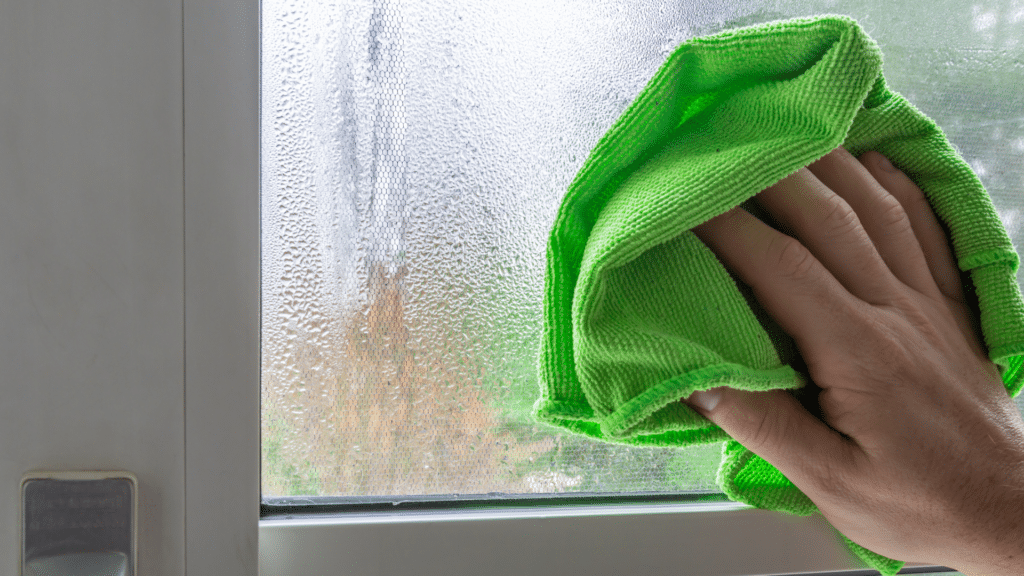
4. Wipe Down Windows when Moisture Appears
Wiping moisture off windows helps prevent buildup and related issues.
Use a clean cloth or towel to dry the glass when you notice condensation forming. This simple step stops water from sitting on the surface for long periods.
It also helps protect window frames and sills from damage.
While wiping does not fix the root cause, it reduces short-term moisture and makes it easier to manage condensation as you work on longer-term solutions.
5. Keep Indoor Temperatures Steady
Sudden temperature changes can increase condensation on windows. Try to keep indoor temperatures consistent throughout the day and night.
Avoid turning the heat down too low at night, as colder glass attracts more moisture.
A steady indoor temperature helps reduce the gap between warm air and cold surfaces. This balance lowers the chance of moisture forming on window glass, especially during colder seasons.
6. Avoid Blocking Heat Sources
Blocked heat sources can cause cold spots near windows. Make sure radiators, vents, and baseboard heaters are not covered by furniture or curtains.
When warm air reaches the window glass, it helps keep the surface temperature higher.
This reduces the chance of moisture settling on the glass. Clear airflow from heat sources supports better temperature balance across the room and helps control condensation.
7. Dry Wet Areas Promptly
Wet surfaces inside the home add moisture to the air.
After showers, wipe down bathroom walls and leave doors open to let moisture escape.
Clean up spills quickly and fix leaks as soon as they appear. Damp towels and rugs should be dried properly instead of left in closed spaces.
Reducing excess moisture at the source helps lower humidity and keeps condensation from forming on windows.
8. Open Windows when Weather Allows
Opening windows from time to time helps refresh indoor air.
Even a short opening can release trapped moisture and improve airflow. This works best during dry weather or mild temperatures.
Fresh air helps balance indoor humidity and reduces moisture buildup near windows.
Regular air exchange supports a healthier indoor environment and helps keep window glass dry.
Difference Between Interior and Exterior Condensation
Interior condensation forms on the inside due to indoor moisture, while exterior condensation appears outside when warm outdoor air meets cool glass and is usually harmless.
| Type of Condensation | Where It Appears | What It Means | Should You Worry |
| Interior Condensation | Inside surface of the window | Warm indoor air meets cold glass, releasing moisture | Can signal high indoor humidity |
| Exterior Condensation | Outside surface of the window | Warm outdoor air meets cooler glass | Usually normal and harmless |
| Timing | Mostly in cold weather indoors | Often in early mornings outdoors | Depends on frequency |
| Common Causes | Cooking, showers, poor airflow | Cool nights, clear skies | Interior needs attention |
| Fix Needed | Improve ventilation or lower humidity | No action needed | Focus on indoor moisture |
What Are the Main Causes of Condensation on Windows?
Condensation on windows usually comes from a mix of moisture, temperature changes, and air movement inside the home. Understanding these causes makes it easier to control condensation and prevent related issues.
1. High Indoor Humidity Levels
Indoor humidity is one of the most common reasons condensation appears on windows. Everyday activities like cooking, showering, drying clothes, and washing dishes release moisture into the air.
When humidity builds up, that moisture looks for cooler surfaces to settle on.
Windows are often the coldest surfaces in a room, so water droplets form there first.
Homes with poor ventilation or frequent moisture-producing activities tend to see more condensation, especially during colder months when windows stay closed for long periods.
2. Temperature Differences Inside and Outside
Condensation forms when warm indoor air meets a cold window surface. During cold weather, window glass cools quickly, while indoor air stays warm.
When that warm air touches the cold glass, it cools down and releases moisture as water droplets.
The bigger the temperature difference between indoors and outdoors, the more likely condensation becomes.
This is why condensation often appears overnight or early in the morning, when outdoor temperatures drop, and windows become colder than the surrounding air.
3. Poor Airflow and Ventilation Issues
Limited airflow makes condensation worse by trapping moist air near windows. When air cannot move freely, moisture builds up instead of spreading out and drying naturally.
Closed curtains, blocked vents, and furniture placed against windows can all restrict airflow.
Rooms like bathrooms, kitchens, and laundry areas are especially prone to this issue.
Without proper ventilation, humid air lingers around window glass, increasing the chance of condensation forming and staying for longer periods.
4. Poor Window Insulation
Windows with poor insulation lose heat faster, which causes the glass to stay colder than the surrounding air.
Single-pane windows and older frames are more likely to allow heat to escape. When warm indoor air touches this colder surface, moisture forms quickly.
Gaps, worn seals, or thin glass can all increase this effect.
Homes with poorly insulated windows often see more condensation, especially during colder seasons when heating systems are running, and outdoor temperatures stay low.
5. Daily Moisture-Producing Habits
Some daily habits add more moisture to indoor air than people realize.
Long hot showers, boiling water without lids, and air-drying clothes indoors all release water vapor. Even having many people in one space can raise moisture levels through breathing.
When this extra moisture has nowhere to escape, it settles on cooler surfaces like windows.
Without changes to these habits or better ventilation, condensation can become a regular problem in the home.
What Causes Condensation Between Window Panes?
Condensation between window panes happens when the window seal fails. Modern double- or triple-pane windows are sealed to keep insulating gas inside and moisture out.
When that seal breaks, outside air can slip in.
This air often carries moisture, which gets trapped between the panes. Since there is no airflow in that space, the moisture has nowhere to escape.
Temperature changes make the problem worse. Warm air entering the gap cools down and releases water droplets on the inner glass surfaces. Over time, this can create a foggy or cloudy look that does not wipe away.
Unlike surface condensation, this type points to a window issue.
Once the seal is damaged, the window loses its insulating value, and the moisture will keep returning until the window is repaired or replaced.
Simple Home Adjustments to Reduce Condensation
These changes are easy to make and work well alongside daily habits. They help control moisture and keep indoor conditions more balanced.
- Use portable or ceiling fans to keep air moving, especially near windows
- Place a dehumidifier in rooms with frequent moisture buildup
- Seal small gaps around windows to limit cold air exposure
- Add weather stripping to improve window insulation
- Upgrade curtains to thermal-lined options during colder months
- Keep vents and air returns clear for better airflow
- Check attic and wall insulation to reduce temperature swings
- Use moisture-absorbing products in problem areas
When Does Condensation Mean a Window Problem?
Condensation can sometimes point to a bigger window issue. One clear warning sign is fog or moisture trapped between window panes, which usually means the seal has failed.
This type of moisture does not wipe away and often comes back after temperature changes.
Another sign is water stains or soft wood around the window frame, which can suggest ongoing moisture exposure.
Drafts near the window may also indicate worn seals or poor insulation. If condensation appears often, even when indoor humidity is controlled, the window may no longer perform as it should.
In these cases, simple fixes may not help. Repairs can sometimes solve minor seal issues, but older or damaged windows may need replacement.
Addressing the problem early helps prevent further damage and improves indoor comfort.
Conclusion
Condensation on windows is a common issue, but it becomes easier to manage once you understand why it happens.
In most homes, it comes down to indoor humidity, temperature differences, and limited airflow. Simple habits like using ventilation fans, keeping air moving, and controlling moisture can go a long way.
Small home adjustments, such as better insulation or a dehumidifier, can also make a noticeable difference over time.
The key is paying attention to when and where condensation shows up. That helps you know if it is normal or a sign of a window problem that needs attention.
Taking action early can protect your windows, walls, and comfort.
If you have dealt with window condensation before, share what worked for you in the comments below. Your experience may help others facing the same issue.