


Cracks in basement floors often raise concern, especially for those noticing them for the first time.
Some wonder if it’s just part of the house settling or a sign of a bigger issue. These questions come up often in home repair forums and chats with neighbors.
People want to understand what’s behind the cracks and if others are dealing with the same thing.
Knowing what might cause these lines in the concrete can help ease stress and guide the next step.
This blog looks at common reasons basement floors crack and shares what people have said about their own situations and choices.
Are Basement Floor Cracks Normal?
Yes, many cracks in basement floors are normal. They often appear as the house settles over time.
When the ground under a home shifts slightly or the concrete shrinks while drying, small cracks may form. This happens in many homes and is usually not a cause for worry.
These cracks are often thin and don’t grow much. In most cases, they don’t lead to bigger problems and can be left alone. Still, not every crack is harmless. Some can point to other issues like soil movement or water pressure.
It’s important to understand why a crack formed. That helps decide if it needs to be watched or fixed.
Common Causes of Basement Floor Cracks
Basement floor cracks can happen for many different reasons. Understanding the possible causes helps homeowners decide if a crack needs to be fixed or watched over time.
1. Concrete Shrinkage
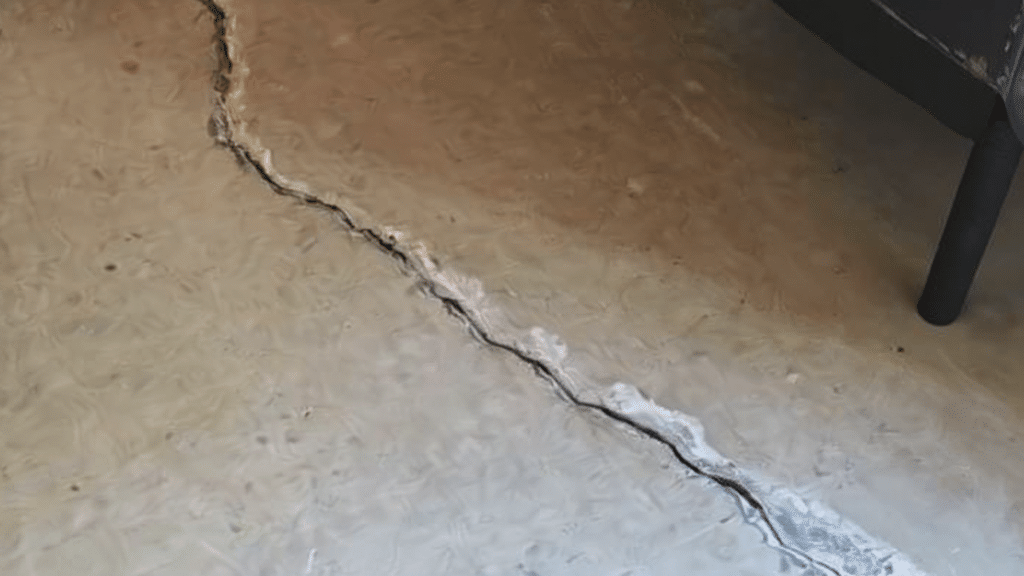
When concrete dries, it loses water and shrinks. This shrinkage can pull the concrete apart slightly, leading to hairline cracks.
These are usually:
- Thin
- Shallow
- Harmless
Most builders expect these to show up in the first year. Many people say these have never caused problems in their homes.
“We noticed small lines after the first winter. They never spread, and the builder said it was just shrinkage.”
2. Soil Movement
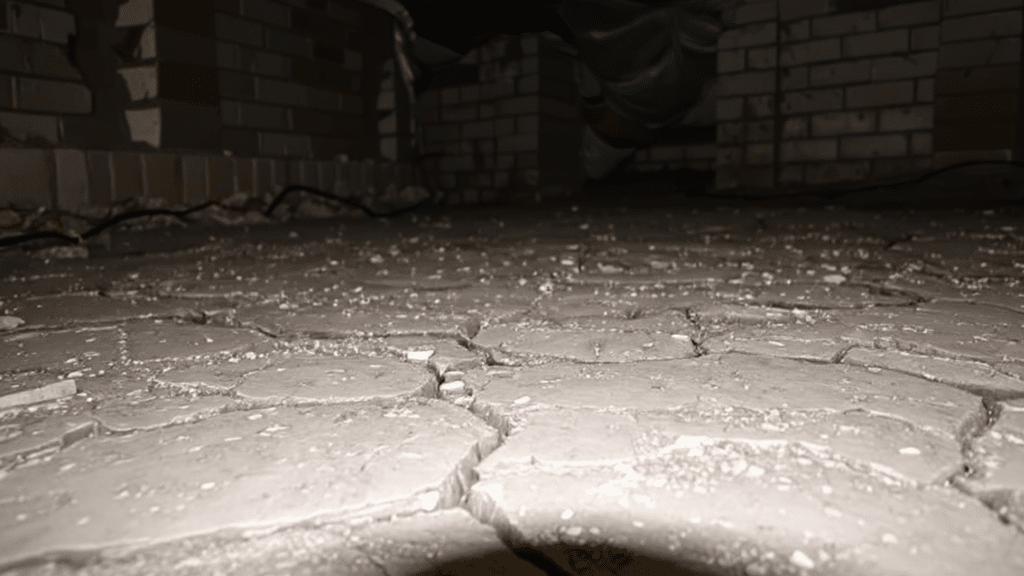
The ground under a house moves. This happens for many reasons, like heavy rain, dry spells, or loose soil. When soil shifts, it can push up or drop down, which affects the concrete above.
This may cause:
- Wider cracks
- Uneven basement floors
- Cracks that grow over time
This is one of the most talked-about causes in home forums.
“Our basement floor cracked after a heavy rainstorm. The soil must’ve shifted.”
3. Poor Drainage

Water plays a big role in basement floor cracks. If water sits around the home’s foundation, it puts pressure on the walls and floor. This is called hydrostatic pressure.
Too much pressure may lead to:
- Cracks with moisture
- Wet spots on the floor
- Mold or mildew smells
“We saw water seeping up through the crack during spring. A neighbor said we needed better drainage.”
4. Improper Construction

If the floor wasn’t poured or reinforced well, it may crack sooner than expected. Thin concrete, no rebar, or uneven pouring can all cause early cracks.
Some signs include:
- Cracks along the edges
- Uneven floor levels
- Broken concrete chunks
“The contractor used a cheap mix. We started seeing cracks within months.”
5. Heavy Loads

Basement floors are not made to hold a very heavy weight in one spot. If you place a large safe, piano, or pool table on the floor, it might lead to cracking.
This is common when:
- People finish the basement and add heavy furniture
- Home gyms are equipped with big equipment
- Cars are parked in older basements
“We think the crack happened after we stored heavy boxes in that corner.”
Different Types of Basement Floor Cracks
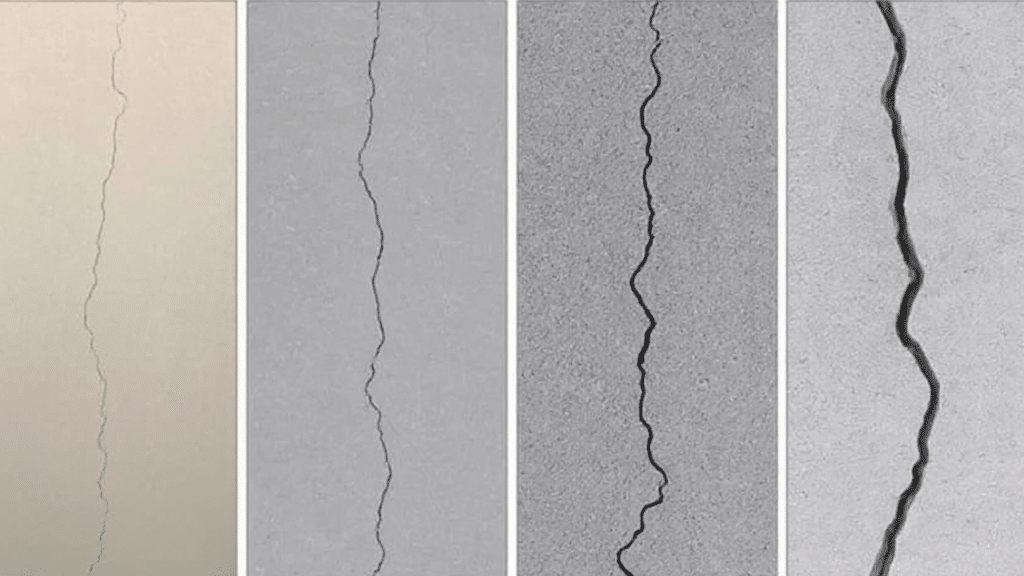
Not all basement floor cracks look the same. Some are small and harmless, while others may be signs of bigger problems. This table shows the most common types of cracks, what they look like, and what they might mean.
| Type of Crack | What It Looks Like | What It Might Mean |
|---|---|---|
| Hairline Crack | Very thin, like a thread or line drawn with a pencil | Normal concrete shrinkage is usually not a concern |
| Wide Crack | Over 1/4 inch wide, may keep growing | Possible soil movement or poor support below the floor |
| Crack with Moisture | Damp or wet, may show signs of water during rain | Drainage issues or water pressure under the slab |
| Uneven Crack | One side of the crack is higher or lower than the other | Soil shifting or settling problems under the concrete |
| Spiderweb Crack | Cracks that spread out in many directions | Often from surface shrinkage, usually harmless |
| Edge Crack | Found near the walls or corners of the basement floor | Can be from poor concrete pouring or foundation movement |
When to Worry About Basement Floor Cracks
It’s important to know the signs that may mean something more serious is going on. If you notice any of the signs below, it may be time to take a closer look or call a professional.
- Water seeps through it
- It’s growing over time
- One side is higher than the other
- The crack is more than 1/4 inch wide
- It smells musty or feels damp
- You notice new cracks often
Cracks that show up with other problems, like doors that stick, wall cracks, or sagging floors, should not be ignored. These may be signs of foundation or soil issues.
What Can Be Done About Basement Floor Cracks?
Not all basement floor cracks need repair, but some may require action depending on their size, location, and condition. Here are the most common ways people deal with these cracks:
1. Leave it Alone (If Safe)
Some cracks are small, dry, and stable. If they’re not changing or letting in water, they can often be left alone.
Good choice if:
- The crack is thin and not growing
- There’s no moisture or odor
- The floor is still even
Just keep an eye on it with regular checks.
2. Seal the Crack
Sealing helps stop water, dirt, and insects from coming through. It can also prevent cracks from getting worse.
Common methods:
- Concrete patch
- Epoxy filler
- Urethane injection
Best for:
- Dry cracks
- Small to medium cracks
- Moisture prevention
DIY kits are available at hardware stores, or a contractor can do it.
3. Improve Drainage Around the Home
If cracks come with dampness or leaks, the problem may be outside the house. Poor drainage adds pressure under the floor.
Fixes may include:
- Cleaning gutters and downspouts
- Extending downspouts away from the home
- Sloping soil away from the foundation
- Installing a French drain or sump pump
This helps reduce water pressure and may prevent future cracks.
4. Call a Professional
If the crack is large, growing, or comes with other problems (like sagging or water leaks), it’s best to get expert help.
Who to call:
- Foundation repair contractor
- Structural engineer
- Basement waterproofing specialist
They can check if the crack is a symptom of a bigger issue and suggest the right fix.
5. Watch and Track the Crack
If you’re unsure, it’s okay to keep watching the crack over time. Tracking helps you notice changes early.
Tips for tracking:
- Take photos every few months
- Mark the crack with a pencil and date
- Use a ruler or coin to measure width
- Check for changes after rain or snow
This method helps you spot new problems before they get worse.
Do Basement Floor Cracks Affect Home Value?
In most cases, small basement floor cracks do not lower a home’s value. Many buyers understand that minor cracks are common and often come from normal settling or concrete shrinkage.
However, large or deep cracks, signs of water damage, or visible issues that have not been repaired can raise concerns during a sale.
These types of cracks may make buyers think there are bigger problems, even if there aren’t.
Taking simple steps, like sealing the cracks and getting a clear inspection report, can help ease those concerns.
Homes that show signs of care and maintenance often feel more trustworthy to buyers and may sell more easily.
What People Say Online About Basement Floor Cracks
Many homeowners ask about cracks in forums and DIY groups. Here are some common types of posts:
“Is this crack normal?”
Photos of small, thin cracks get shared often. Most replies say they’re harmless unless water is coming through.
“My floor is sloping. Should I be worried?”
Uneven concrete brings more concern. People usually suggest getting a foundation check.
“Water is leaking through a crack. What do I do?”
Water issues get many replies. People often recommend sealing the crack and improving outside drainage.
“Who should I call for basement cracks?”
Replies vary. Some say call a structural engineer. Others suggest starting with a basement contractor or home inspector.
To Conclude
Basement floor cracks can bring a lot of worry, but small steps can make a big difference. Learning what causes them helps take the guesswork out of home care.
Paying attention to changes, keeping moisture away, and taking action early can help protect both the floor and your peace of mind.
A solid home starts from the ground up, and knowing how to handle cracks is part of that.
Every crack tells a story, but it doesn’t have to be a bad one. Stay informed, stay ready, and don’t be afraid to ask for help when needed.