

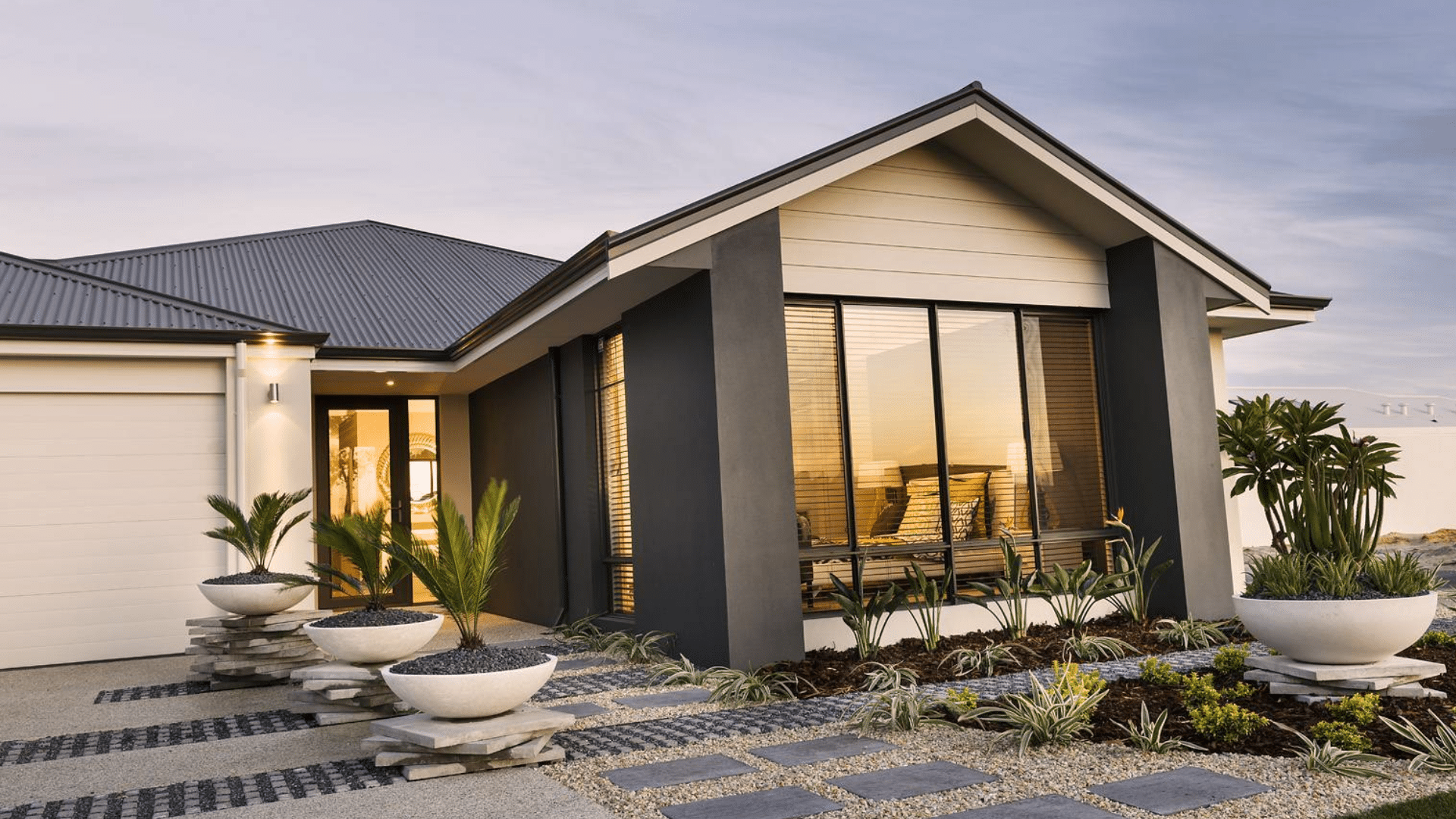
If you are building or renovating a home, you may have heard the term “gable roof.”
This roof style is one of the most common designs used in houses. It has two sloping sides that meet at the top and form a triangle shape on each end.
Many homeowners choose it because the design is simple, practical, and works well in different climates.
In this guide, I will explain what a gable roof is and why so many homes use this style.
You will learn how it works, why it drains water well, and how it compares with a hip roof. I also cover its benefits, like simple construction, attic space, and a clean look.
If you are planning a new roof or just want to understand this design better, this guide will help you learn the basics.
What Is a Gable Roof?
A gable roof is a popular roof style characterized by two sloping sides that meet at a ridge, creating a triangular shape.
This design is one of the simplest and most common roof structures, providing excellent durability and efficiency.
Gable roofs are often used in residential homes due to their straightforward construction and ability to shed water and snow easily, making them ideal for regions with heavy precipitation.
This roof style offers ample attic space and ventilation, which can improve energy efficiency.
Gable roofs give homes a clean, classic look and come in designs like side gable, front gable, and crossed gable.
Overall, gable roofs offer a cost-effective, attractive solution for homeowners seeking a functional, aesthetically pleasing roofing option.
Key Features of a Gable Roof Design
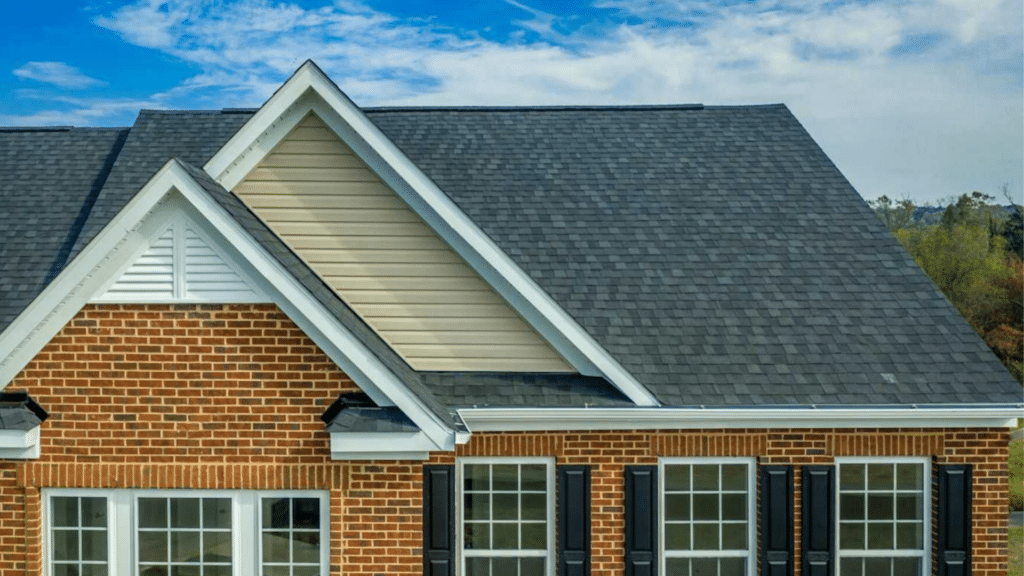
A gable roof has a simple structure that makes it one of the most common roof styles for homes. Its shape and layout offer both practical and visual benefits for many house designs.
1. Two Sloping Roof Sides
A gable roof has two roof sections that slope downward from a central ridge. These two sides meet at the top and form the main structure of the roof.
This simple layout helps create a strong and balanced design that works well for many homes.
Builders often choose this roof style because the structure is easy to plan and construct.
The sloping sides also help move water away from the roof quickly, which can reduce moisture buildup and help protect the home over time.
2. Triangular Gable Ends
One of the most noticeable features of a gable roof is the triangular wall section at each end of the roof.
These areas are called gable ends and are formed where the two roof slopes meet at the top ridge. Gable ends often face the front and back of the house.
Homeowners sometimes add windows or vents in this space to improve airflow and lighting.
These triangular sections also give the house a clean and recognizable roof shape that works with many home styles.
3. Central Roof Ridge
The roof ridge is the horizontal line that runs across the highest point of a gable roof. It forms the meeting point of the two sloping roof sides.
This ridge plays an important role in holding the roof structure together and creating the overall shape of the roof.
Builders use this ridge line as a guide when placing rafters during construction.
The ridge also helps maintain proper alignment of the roof sections, which supports stability and helps the roof handle weather conditions over time.
4. Effective Water and Snow Drainage
The sloped design of a gable roof allows rainwater and snow to move off the roof surface quickly.
This helps prevent water from collecting on the roof, which can reduce the risk of leaks or structural damage. Homes located in areas with heavy rain or snowfall often benefit from this roof design.
Because the roof slopes are usually steep, gravity helps move water away from the house more efficiently.
This drainage ability is one of the main reasons many homeowners choose a gable roof.
5. Extra Attic or Ceiling Space
A gable roof often creates additional space inside the upper part of a home.
The triangular shape of the roof allows room for an attic or a higher ceiling in some house designs.
This space can be used for storage, ventilation systems, or sometimes even extra living space, depending on the home layout.
Builders may also add insulation in this area to help improve indoor temperature control. The added interior space is another reason this roof design remains a popular choice.
Gable Roof vs Hip Roof: Key Differences
Both roof styles are widely used in residential construction. Each design has its own structure, strength, and visual impact on a home
| Feature | Gable Roof | Hip Roof |
| Basic Shape | Two sloping sides that meet at a ridge, creating triangular ends. | Four sloping sides that meet at the top, with no vertical ends. |
| Roof Ends | Has vertical triangular sections called gables. | No gable ends; all sides slope downward. |
| Construction | Simpler design that is easier and quicker to build. | A more complex structure that takes more time and materials. |
| Cost | Usually more affordable due to fewer materials and simpler framing. | Typically costs more because of the added structural complexity. |
| Weather Resistance | Drains rain and snow well, but can be more exposed to strong winds. | More stable in high winds due to its balanced four-sided shape. |
| Attic Space | Often provides more attic or upper storage space. | Usually offers less attic space due to inward-sloping sides. |
| Common Use | Found in many traditional and modern homes. | Often used in homes in windy or coastal regions. |
Common Uses of Gable Roofs in Homes
Gable roofs work well with many house styles because of their simple shape and practical design. Builders often use them in different parts of residential construction.
- Single-Family Houses: Many traditional homes use gable roofs because they are simple to build and allow good water drainage.
- Garages and Carports: Detached garages often use gable roofs since the design is easy to construct and matches many house styles.
- Cottages and Cabins: Small homes like cottages and cabins commonly use this roof style because it creates attic space and gives the house a classic look.
- Porches and Extensions: Gable roofs are often added to porches, entryways, or house extensions to provide extra cover and keep the design consistent.
- Barn-Style Homes: Farmhouses and barn-style homes frequently use gable roofs because the shape supports large interior spaces and strong ventilation.
Advantages of Choosing a Gable Roof for Your Home
A gable roof remains one of the most common roof styles for homes. Its simple design offers practical benefits that make it a reliable and widely used option in residential construction.
1. Cost-Effective
Gable roofs are cost-effective due to their simple design and easy construction.
The basic structure, consisting of two sloping sides meeting at a ridge, requires fewer materials and less labor compared to more complex roof styles.
This simplicity translates into lower construction costs, making gable roofs an affordable option for homeowners.
Additionally, their straightforward installation process can shorten building timelines, offering further savings in labor and time without compromising durability or functionality.
2. Improved Drainage
Gable roofs provide improved drainage thanks to their steeply sloped sides, which allow rain, snow, and debris to slide off easily.
This efficient drainage system helps prevent water buildup, reducing the risk of leaks, mold, or roof damage.
By quickly shedding moisture, gable roofs minimize the chances of water pooling in vulnerable areas, particularly in regions with heavy rainfall or snowfall.
The design not only protects the roof’s structure but also extends the roof’s lifespan.
3. Increased Space
Gable roofs offer increased space, especially in the attic or upper levels of a home.
The triangular design creates an open, vaulted area that can be used for extra storage or even converted into additional living space.
This extra room is ideal for homes with limited square footage, offering a practical way the maximize available space. The design also improves attic ventilation, enhancing airflow and temperature regulation in the home.
4. Durability
Gable roofs are highly durable due to their simple yet strong design.
The steep slopes help them withstand harsh weather conditions, such as heavy rain, snow, and high winds, by allowing water and debris to slide off easily.
The symmetrical structure also distributes weight evenly, reducing the risk of structural damage.
Strong materials like asphalt shingles or metal also help gable roofs last longer and require little maintenance.
5. Energy Efficiency
Gable roofs contribute to energy efficiency by promoting better attic ventilation.
The open, sloped design allows air to circulate more freely, preventing heat buildup in the summer and reducing the need for air conditioning.
In winter, this ventilation helps regulate temperature, preventing cold spots and reducing heating costs.
Additionally, the extra attic space created by gable roofs can be more effectively insulated, further enhancing the home’s energy efficiency and reducing overall utility bills.
Maintenance Tips for Gable Roofs
Regular care helps keep the roof strong and prevents small problems from turning into costly repairs. Simple checks and cleaning can extend the roof’s lifespan and maintain its performance.
- Inspect The Roof Regularly: Check the roof a few times each year for loose shingles, cracks, or visible damage. Early detection helps prevent leaks and structural issues.
- Clean Gutters And Downspouts: Remove leaves, dirt, and debris from gutters so rainwater flows away from the roof properly and does not collect near the edges.
- Check Roof Flashing: Look at the metal flashing around chimneys, vents, and roof joints. Make sure it remains sealed and secure to prevent water entry.
- Trim Nearby Tree Branches: Cut back branches that hang over the roof. This reduces debris buildup and lowers the chance of branches damaging the roof during storms.
- Remove Moss and Debris: Clear moss, leaves, and dirt from the roof surface to prevent moisture buildup that can weaken roofing materials over time.
- Schedule Professional Inspections: Have a roofing professional inspect the roof occasionally to identify hidden issues and ensure the structure remains in good condition.
Is a Gable Roof Right for Your Home?
A gable roof can be a good choice for many homes because the design is simple and practical.
The two sloping sides help rain and snow slide off easily, which works well in areas with heavy weather. Builders also find it easier to construct compared with many other roof styles.
Simple structure and lower building cost make it a popular option for homeowners who want a reliable roof without complex framing.
The shape also creates extra attic space that can help with storage or ventilation.
However, strong winds can affect gable roofs if they are not built well. Proper construction and strong support are important to keep the roof stable during storms.
Before choosing this design, think about your climate, budget, and house style.
A gable roof works best when the structure fits the weather conditions and overall design of your home.
Conclusion
A gable roof remains one of the most practical roof styles used in homes today. Its simple structure, strong water drainage, and ability to create attic space make it a reliable option for many homeowners.
It also fits well with different house designs, from small cottages to larger family homes.
When built properly, a gable roof can provide long-term performance while keeping construction costs reasonable.
Before choosing this roof style, take time to think about your local weather, budget, and the design of your home. A well-planned roof can make a big difference in both function and appearance.
If you already have a gable roof or are thinking about installing one, your experience could help other readers.
Share your thoughts, tips, or questions in the comments below and join the conversation.