


The front entrance often sets the tone before you even step inside. It guides you in, protects the door, and gives the house a clear focal point.
There are many small ways to improve an entry, like updating the door color or adding lighting.
Still, some changes have a bigger impact. A portico adds structure and purpose to the front of a home while also offering real, everyday use.
In this post, I walk you through what a portico is, the different types you will see, and the materials commonly used to build one. You will also learn about costs, benefits, and simple design tips.
By the end, you will know if a portico is the right choice for your home and how to plan it the smart way.
What Is a Portico?
A portico is a covered entrance that sits in front of a door and is usually supported by columns or posts.
It is smaller than a porch and focuses only on the entry area. You will often see porticos on houses, apartment buildings, schools, and public buildings where the entrance needs to stand out.
They are common in both old and modern designs because they work with many styles.
The basic purpose of a portico is to protect the entry from rain, sun, and snow while also giving the building a clear front point.
It helps guide people to the door and makes the entrance feel planned and welcoming.
A portico can be simple or detailed, but its main job stays the same. It adds function without taking up much space and improves how the front of a building looks and works every day.
Key Features of a Portico
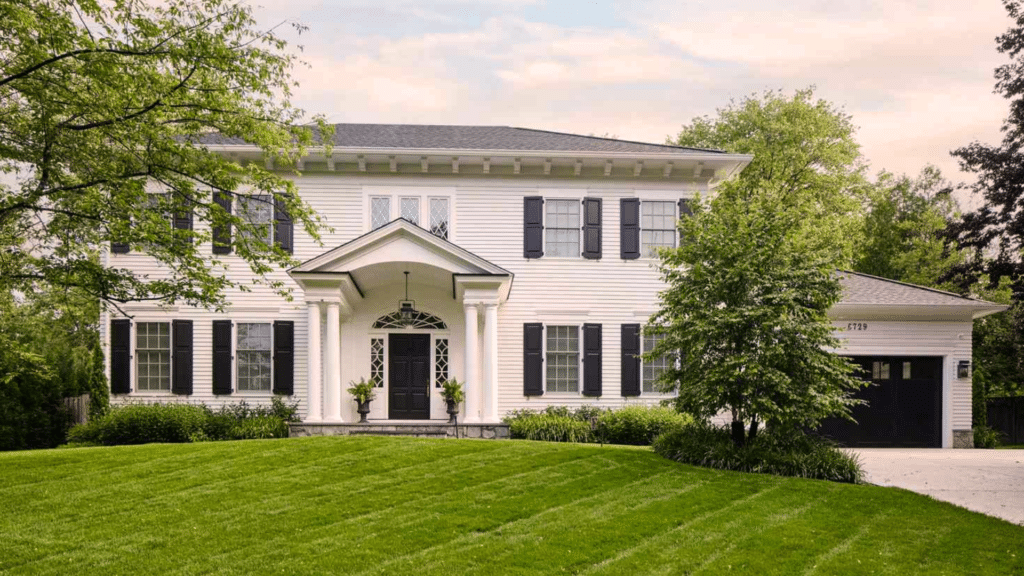
A portico includes a few main elements that define its purpose and look. Each feature works together to shape the entrance and improve daily use.
1. Columns or Support Posts
Columns or support posts are a core part of any portico because they hold up the roof and frame the entry.
They can be simple or decorative, depending on the home’s style. Square posts are common on modern or farmhouse homes, while round columns often appear on classic designs.
The height and spacing of these supports matter, since they affect balance and safety.
Well-placed columns help guide people to the door and make the entry feel strong, stable, and clearly defined.
2. Roof or Covered Structure
The roof is what turns an entry feature into a true portico. It sits above the door and creates a covered area that protects the entrance from rain, snow, and harsh sunlight.
Roof styles can include flat, sloped, gabled, or even arched designs.
The size of the roof affects how much coverage the entry gets.
Even a modest roof helps reduce water damage, keeps door hardware in better shape, and makes entering the home more comfortable.
3. Entry Placement
A portico is always placed at the main entrance to make it easy to find.
Most are centered over the front door to keep the design balanced and clean. In some cases, the portico extends slightly forward to line up with steps or a walkway.
Good placement improves flow and makes the entry feel planned instead of added later.
It also helps connect the door, lighting, and stairs into one clear and usable entry space.
4. Size and Shape Basics
Porticos are usually compact and focus only on covering the doorway. They are not designed for seating or gathering like porches.
The size depends on the door width, roof design, and number of columns used.
Common shapes include square, rectangular, and gently curved forms. A well-sized portico feels balanced with the home’s front and does not overpower it.
The goal is to add function and structure while keeping the design clean and practical.
Commonly Used Portico Materials
The material you choose shapes how a portico looks and how it holds up over time. Each option comes with different care needs and visual results.
- Wood: Offers a warm, classic look that works with many home styles. Needs regular sealing or painting to protect it from moisture and sun damage.
- Brick: Creates a solid and long-lasting structure. It requires very little upkeep and blends well with traditional and brick-faced homes.
- Stone: Gives a strong and natural appearance. It lasts a long time but can raise the overall cost and needs skilled installation.
- Concrete: Provides strength and clean lines. It is durable, low-maintenance, and can be shaped or finished in different ways.
- Metal: Adds a modern or industrial touch. It resists rot and pests but may need coatings to prevent rust, depending on the type used.
Different Types of Porticos
Porticos come in a range of styles that shape how an entry looks and works. Each type offers a different balance of style, coverage, and structure.
1. Flat Roof Portico
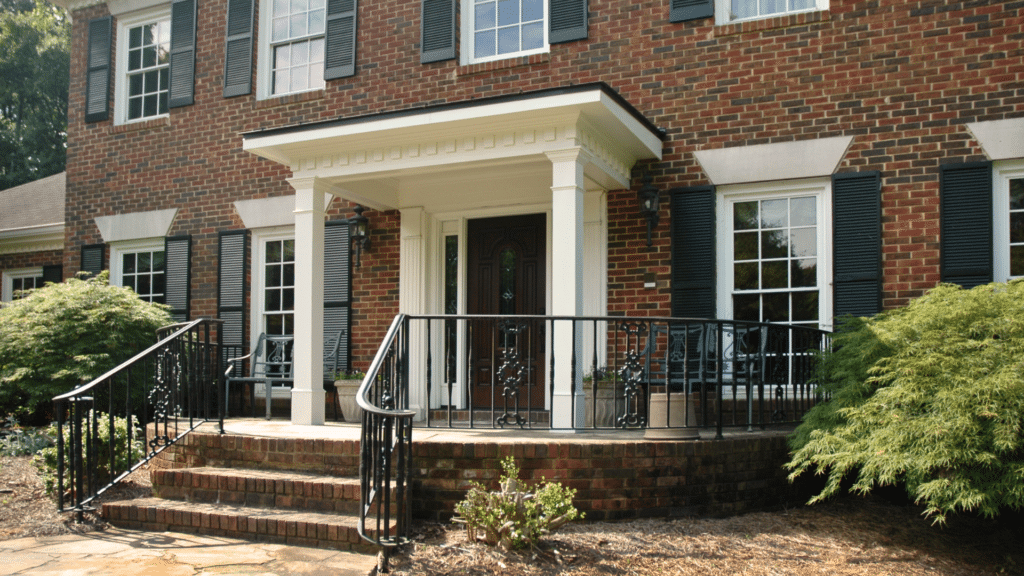
A flat roof portico has a straight, level roof that creates a clean and simple entrance.
It works especially well on modern, contemporary, and minimalist homes with straight lines. This type is often easier to design and build, which can help control costs.
Drainage planning is important so water does not collect on the surface.
While simple in shape, a flat roof portico still provides shade and protection, helping keep the doorway dry and easier to use in bad weather.
2. Gabled Portico
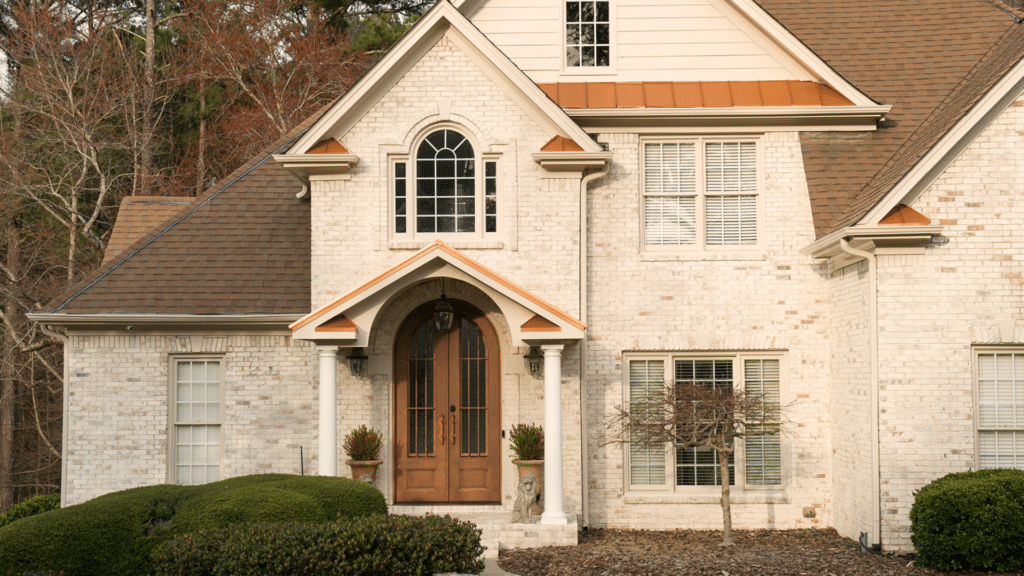
A gabled portico features a pitched roof with two sloping sides that meet at a peak.
This design blends naturally with traditional homes and houses that already have gabled roofs. It allows rain and snow to slide off easily, making it practical in many climates.
The extra height adds presence to the entrance and draws attention to the front door.
Gabled porticos also allow for added trim, molding, or siding details that help tie the entry to the rest of the home.
3. Arched or Curved Portico
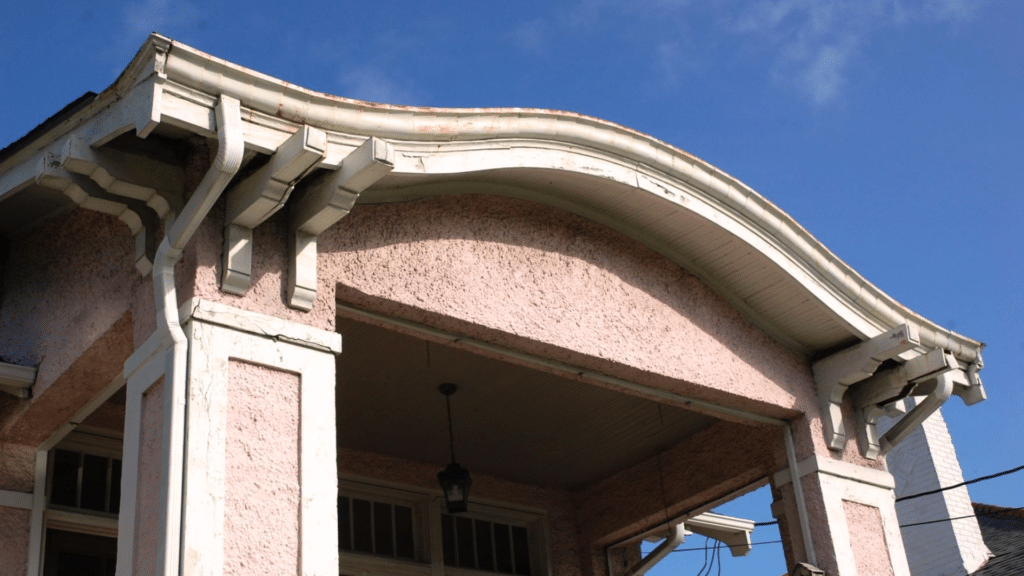
Arched or curved porticos use rounded shapes instead of sharp angles, which softens the look of the entry.
They are often found on classic, Mediterranean, or older homes with detailed architecture.
This type may require custom framing or special materials, which can raise the cost. Even so, it provides solid coverage at the door while adding visual interest.
The curved design helps the entrance stand out without making it feel heavy or oversized.
4. Small Entry vs Larger Porticos
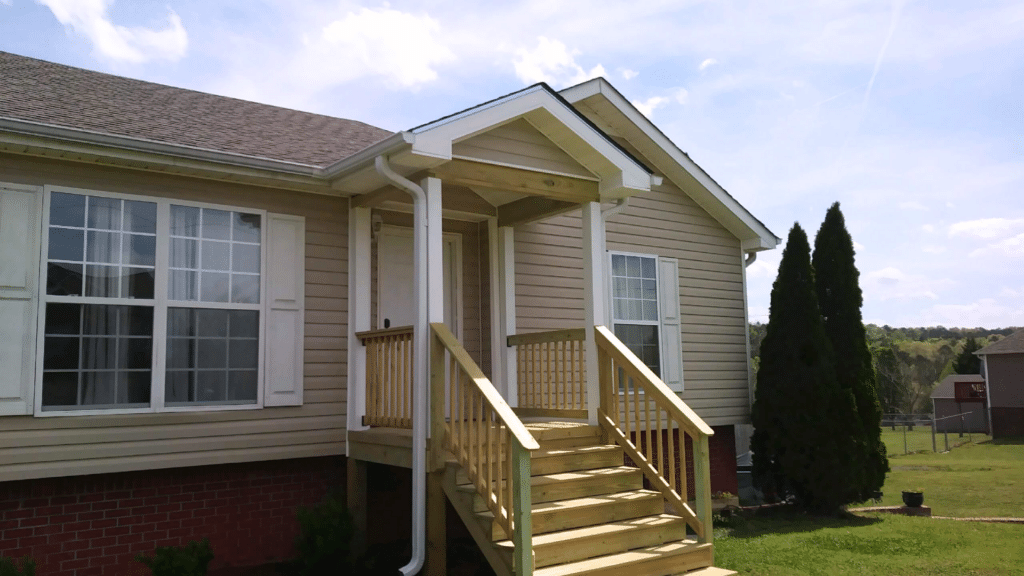
Small entry porticos are designed to cover just the doorway and a small area in front of it. They work well for compact homes or limited spaces.
Larger porticos extend farther outward and offer more protection from rain and sun.
These create a stronger visual impact but need more materials and planning. Choosing between them depends on your home’s size, layout, and how much coverage you want at the front entry.
How Much Does a Portico Cost?
The cost of a portico can vary, but most homeowners spend between$2,000 and $10,000, depending on the design.
Simple porticos with basic posts and a small roof cost less, while larger or detailed designs raise the price. Material choice plays a big role.
Wood is usually cheaper, while brick, stone, or concrete costs more due to materials and installation time.
Size also matters, since wider roofs and taller columns need more supplies. Labor costs depend on design complexity and local rates.
A basic portico may take a short time to build, while custom styles take longer.
Permits, site prep, and roof tie-ins can also affect the final price. Knowing these factors helps you plan a portico that fits your budget without surprises.
Great Benefits of Installing a Portico
A portico shelter adds value to your home in simple, practical ways. It improves comfort, protects key areas, and makes daily entry easier in all seasons.
1. Protection from Weather
A portico shelter provides strong protection from rain, snow, and harsh sunlight at your front door.
It creates a covered space that keeps you dry while unlocking the door or waiting for someone to answer. During heavy rain, it helps stop water from pooling near the entrance.
In hot weather, it offers shade that reduces heat buildup around the doorway.
Over time, this added cover helps limit weather wear on doors, frames, and nearby walls, keeping the entry area in better condition.
2. Improved front Appearance
Installing a portico shelter can greatly improve how your home looks from the street. It adds structure and balance to the front entrance, making it feel more welcoming and complete.
A well-designed portico can match your home’s style, whether modern or traditional.
This visual upgrade helps the entry stand out without major remodeling.
A clean, defined entrance also creates a strong first impression for guests and visitors, giving the home a more finished and cared-for appearance.
3. Door and Entry Protection
A portico shelter helps protect your front door and entryway from constant exposure to the elements.
Rain and direct sunlight can cause paint to peel, wood to swell, and finishes to fade over time. By adding overhead cover, the door stays drier and cooler throughout the year.
This protection can reduce maintenance needs and extend the life of door materials.
It also helps keep door hardware, seals, and frames in better working condition for longer periods.
4. Daily Practical Benefits
Beyond looks and protection, a portico shelter offers daily convenience. It gives you a dry space to sort keys, accept packages, or greet visitors without rushing indoors.
Packages left at the door stay more protected from weather damage.
It also provides a small buffer zone when moving in and out with groceries, kids, or pets.
These small daily benefits add up, making everyday routines smoother and more comfortable while improving how the entrance functions overall.
Portico or Porch: Which One Is Better?
Both options add value and serve a purpose. The better choice depends on available space, daily use, budget, and layout needs.
| Feature | Portico | Porch |
| Size | Smaller structure that covers only the entry area | Larger space that often extends across the front of the home |
| Purpose | Mainly protects the door and entryway | Provides a place to sit, relax, or gather |
| Space Needed | Requires very little space | Needs more ground and floor space |
| Cost | Usually lower due to a simple design | Higher because of size and materials |
| Maintenance | Easier to maintain over time | May need more upkeep due to the flooring and railings |
| Weather Protection | Shields the door and people entering | Offers a full outdoor shelter for daily use |
| Design Impact | Adds a clean, defined entrance look | Becomes a major feature of the home exterior |
| Best For | Homes needing a simple entry cover | Homes wanting extra outdoor living space |
Design Tips for Choosing the Right Portico
Good planning helps the portico look balanced and work well over time. Small design choices can improve daily use and reduce upkeep.
- Matching Home Style: Pick a design that fits your home’s shape and details. Simple homes suit clean lines, while older homes may look better with classic columns or trim. Matching colors helps it blend in.
- Choosing the Right Size: The portico should match the door and wall size. Too small looks off, and too large can overwhelm the entry. Make sure there is enough room to stand comfortably.
- Picking Long-lasting Materials: Choose materials that handle local weather well. Treated wood, metal, or composite options last longer and resist damage. Strong roofing helps reduce leaks and wear.
- Planning for Maintenance: Consider how much care it will need over time. Painted surfaces need touch-ups, while metal or composite materials often need less work.
Conclusion
Adding a portico is a small change that can make a real difference at your front door. It improves shelter, protects the entry, and gives the home a more complete look without major work.
Choosing the right design, size, and materials helps it combine well and last longer.
When planned with care, a portico supports daily routines and reduces weather-related wear over time.
If you are thinking about improving your entryway, this is one upgrade worth considering. It balances function and appearance in a way few exterior features do.
Take time to look at your space, climate, and long-term needs before deciding. Have you installed a portico or porch at your home?
Share what worked, what you learned, and any tips in the comments below. Your insight helps others decide.