

I used to think all wood furniture was the same until I started noticing rubberwood everywhere, from dining tables to cabinets. That made me curious, and maybe you feel the same right now.
In this guide, I will share what rubberwood is and the benefits. You will find out where rubberwood comes from and why so many brands use it today.
I will also explain its common uses and a few downsides you should know before buying.
Rubberwood has become one of the more popular choices in budget and mid-range furniture, and there are good reasons for that.
It is durable, widely available, and comes from a tree that would otherwise go to waste.
If you are planning to get new furniture or just want to make a smart choice, this article will give you the answers you need.
What Is Rubberwood?
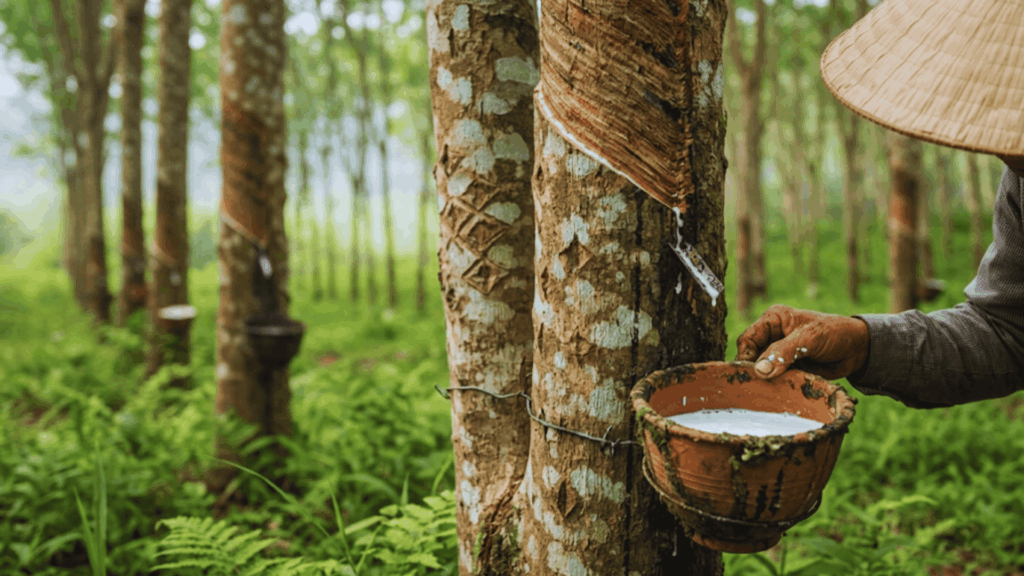
Rubberwood isa hardwood that comes from the rubber tree (Hevea brasiliensis). These trees grow in warm regions and are first used to collect latex for the production of rubber products.
After many years, when latex production slows, the trees are cut down and turned into wood for other uses.
This process helps use trees that would otherwise go unused.
Even though the name may sound soft, it is not rubber-like and is actually a solid hardwood. It has a light color, smooth grain, and good strength for daily use.
People often choose it because it is easy to cut, shape, and finish.
Today, rubberwood is widely used in furniture and household products like tables, chairs, cabinets, and even kitchen items.
Origin and Source of Rubberwood
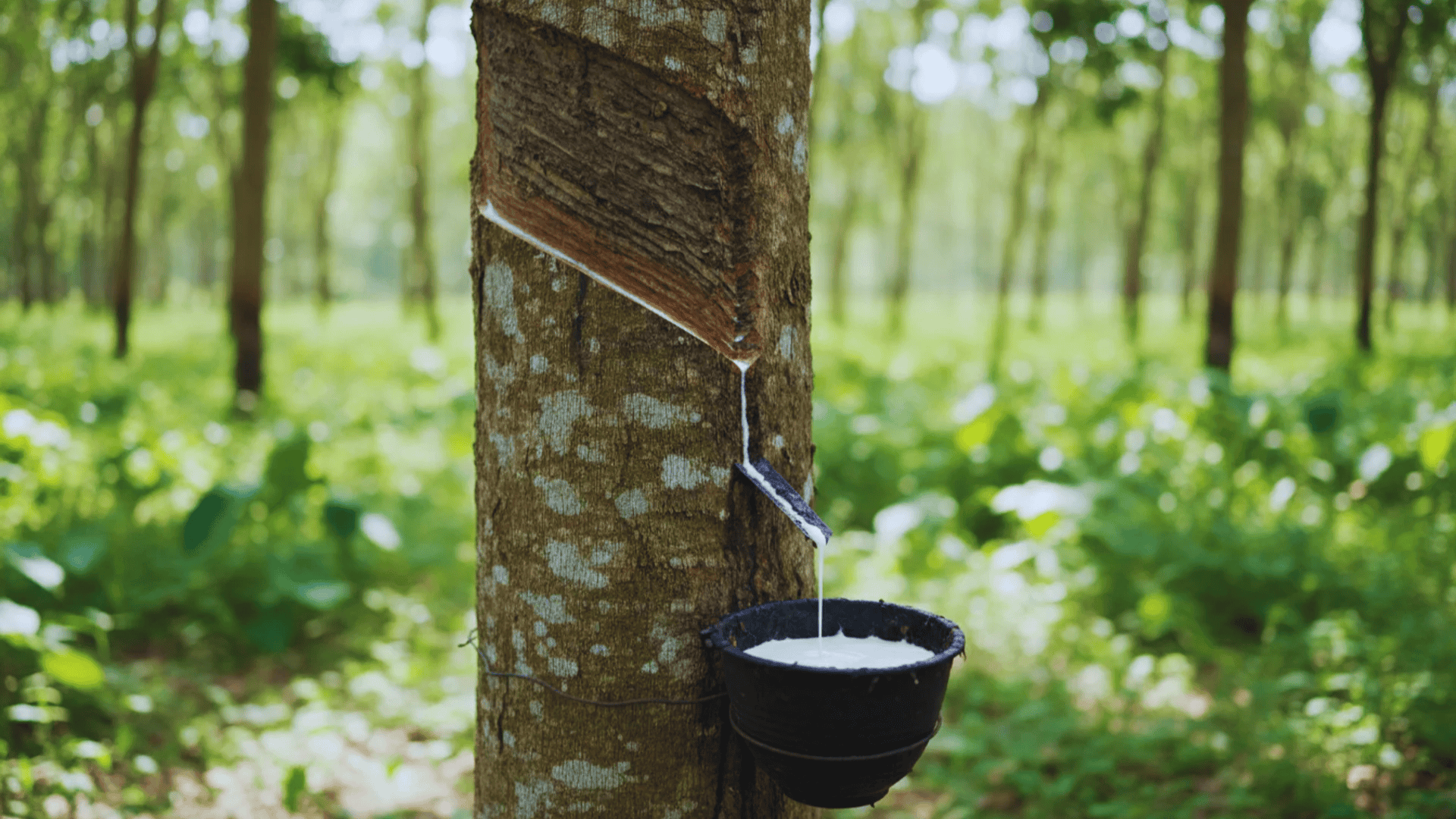
Rubberwood comes from rubber trees that grow in tropical regions, mainly in Southeast Asia. Countries like Thailand, Malaysia, and Indonesia produce most of this wood.
These trees are widely planted for rubber production, not for timber in the beginning, which makes them part of an existing farming system.
Farmers have tapped the trees to collect latex for many years.
After about 25–30 years, when latex production slows, the trees are cut and used for wood rather than being wasted.
This step turns older trees into useful material for daily products. Because of this process, rubberwood is a sustainable and eco-friendly option.
It reduces waste, supports better land use, and lowers the need to cut fresh trees from forests.
Key Characteristics of Rubberwood
Rubberwood has simple features that make it easy to use in daily life. These points help you understand why it is a popular choice of wood.
1. Moderate Strength and Durability
Rubberwood is not the hardest wood, but it offers good strength for daily use. I have seen it work well in tables, chairs, and cabinets when used the right way.
It can handle normal wear like sitting, lightweight use, and regular use at home without major issues.
However, it may not suit heavy-duty furniture or rough handling over time. With proper care and correct placement, it can last for many years.
This balance of strength, cost, and usability makes it a popular choice for many households today.
2. Smooth Grain and Light Color
Rubberwood has a smooth and even grain that gives it a clean and simple look. Its light color fits easily with many home styles and furniture setups without clashing.
It can take stains and paint well, so it is easy to change its look when needed. This makes it useful for many designs and finishes.
The grain is not too bold, which helps it appear neat and uniform.
Because of this, many people choose it for furniture that looks simple, clean, and easy to match.
3. Eco-Friendly Source
Rubberwood is known as an eco-friendly material because it comes from rubber trees that no longer produce latex. Instead of wasting these trees, the wood is used for furniture and other items.
This makes it a smart and responsible choice. It helps reduce waste and makes better use of natural resources.
Since the trees are already grown for another purpose, it lowers the need to cut new trees only for wood. This supports a more balanced use of materials.
4. Easy to Work With
Rubberwood is easy to cut, shape, and finish, which makes it popular in furniture making. This helps create many styles without much effort.
It holds nails, screws, and glue well, which adds to its strength during assembly.
Because of this, it is used in many furniture types, from simple shelves to detailed designs. Its easy handling also helps reduce production time.
This is one reason why rubberwood furniture is often more affordable than many other wood options.
5. Susceptible to Moisture and Pests
Rubberwood can be affected by moisture if it is not treated well. I would suggest keeping it away from damp places to avoid damage over time and prevent swelling or warping.
It can also attract pests like termites if it is not properly sealed and maintained.
That is why most rubberwood furniture goes through treatment before use. With the right finish and care, these problems can be reduced.
Regular cleaning, proper sealing, and keeping it dry will help it last longer and stay in good condition.
Pros and Cons of Rubberwood
Rubberwood is a practical choice for many homes due to its low cost and easy use. It works well for indoor furniture, but also has a few limits to keep in mind.
| Aspect | Pros | Cons |
|---|---|---|
| Sustainability | Made from old rubber trees, helping reduce waste and save forests. | Needs chemical treatment, which may not be fully eco-friendly. |
| Durability & Strength | Strong enough for daily use and can last many years with care. | Softer than some hardwoods, so it can get dents or scratches. |
| Cost | Cheaper than woods like oak or teak, good for budget furniture. | Some people feel it looks less premium. |
| Workability | Easy to cut, shape, and paint; it gives a smooth finish. | The grain pattern is simple and not very rich. |
| Versatility | Light but strong, it works well with simple, modern furniture. | Not good for very wet areas, such as bathrooms or kitchens. |
Common Uses of Rubberwood
Rubberwood is used in many everyday products because it is easy to work with. Its strength and cost make it a practical choice for homes.
1. Furniture
Rubberwood is widely used to make furniture like tables, chairs, and beds. It has enough strength to handle daily use without being too heavy.
Many furniture makers prefer it because it is easy to cut and shape into different designs. Its light color also helps it match many home styles.
You will often see rubberwood in dining sets and bedroom furniture.
It can also be polished or painted to get different looks. This makes it a flexible option for both simple and modern furniture pieces.
2. Cabinets and Shelves
Rubberwood is a common choice for cabinets and shelves in homes. It provides good support for storing items without bending easily. The wood is stable, so it holds its shape over time.
This is important for storage units that carry weight every day.
Its smooth surface also makes it easy to clean and maintain. Many kitchen and living room cabinets use rubberwood for this reason.
It also works well with various finishes, helping match existing home decor and design styles.
3. Kitchen Items Like Cutting Boards
Rubberwood is often used to make kitchen items such as cutting boards and utensils. It has a smooth surface that feels safe for food preparation.
The wood is strong enough to handle regular chopping and cutting tasks. It does not dull knives too quickly, which is helpful in daily cooking.
Many people choose rubberwood cutting boards because they are affordable and easy to clean.
With proper care, these items can last for a long time. This makes rubberwood a useful option for kitchen tools.
4. Flooring and Panels
Rubberwood is also used in flooring and wall panels in some homes. It offers a clean and simple look that fits well in indoor spaces. The wood is stable, so it does not shrink or expand too much.
This helps maintain the shape of the flooring over time.
It is also easier to install compared to some heavier hardwoods. Many people choose it as a budget-friendly option for interior spaces.
It works best in dry areas where moisture is not a big issue. Rubberwood is popular in furniture because it is affordable, easy to work with, and widely available.
How to Care for Rubberwood Furniture?
Taking a little time for upkeep helps maintain the look and strength of the wood. These easy steps can prevent damage and keep furniture in good condition.
- Keep Away from Moisture: Water can damage rubberwood over time, so avoid placing it in damp areas. Wipe spills quickly to prevent stains or swelling.
- Clean with a Dry or Slightly Damp Cloth: Use a soft cloth to remove dust and dirt. Avoid soaking the surface, as excess water can damage the wood.
- Avoid Direct Sunlight: Long exposure to sunlight can fade the color and weaken the wood. Place furniture in shaded areas when possible.
- Use Polish if Needed: Apply wood polish occasionally to maintain shine and protect the surface. This also helps keep the wood looking fresh and smooth.
- Avoid Heavy Impact: Try not to place very heavy items or drop objects on the surface. This helps prevent dents and keeps the furniture looking neat.
Conclusion
Rubberwood is a smart choice for anyone looking for affordable, useful, and easy-to-manage furniture.
It may not match the strength of high-end hardwoods, but it handles daily use well and offers a clean, simple look that fits most homes.
Its eco-friendly origins also make it a better choice for those who want to reduce waste and use resources wisely.
Knowing where it comes from, how it performs, and how to care for it makes the decision much easier. It works best in indoor spaces where you need both function and value without spending too much.
It is a good option for everyday furniture such as tables, chairs, and cabinets.
With proper care, it can last for many years. Have you used rubberwood furniture, or are you considering it? Share your thoughts in the comments below.