

Getting the small details right in a bathroom setup can save you time, money, and stress later.
I have seen many people ignore tub spout height, only to deal with splashing, weak water flow, or awkward placement.
If you are installing a new tub or fixing an old one, this simple measurement matters more than you think.
In this guide, I will explain the standard height, how high it should sit above the tub, and the measurements most homes follow.
You will also learn how to measure it the right way and avoid common mistakes that can lead to problems later. By the end, you will feel more confident setting the right height and getting a clean, functional setup the first time.
This will help you avoid extra fixes, keep water flowing smoothly, and make your bathroom easier to use every day.
What Is the Standard Tub Spout Height?
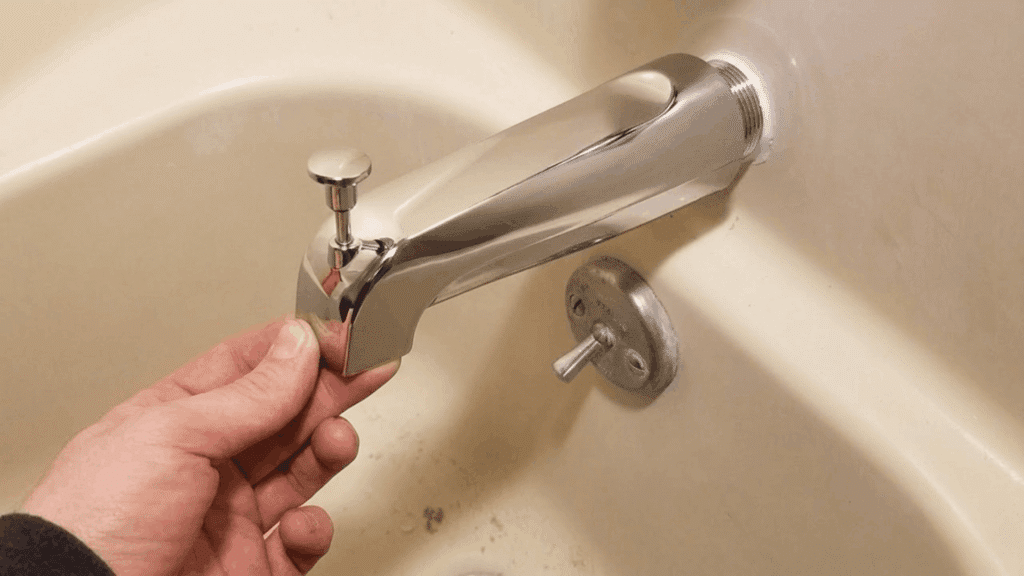
The standard tub spout height usually falls between 4 and 6 inches above the bathtub rim. This height allows water to flow straight into the tub without splashing outside.
In most cases, plumbers install the spout around 5 inches above the rim as a safe and common choice.
The exact height can change based on the tub style, wall design, or plumbing setup in your bathroom.
If the spout is too low, water may hit the tub wall and splash back. If it is too high, it can affect how the water flows into the tub.
Always measure from the top edge of the tub when marking the height. This helps keep the placement accurate.
Following this standard makes installation easier and helps your tub work properly from the start.
Recommended Tub Spout Height in Inches
Choosing the right height becomes easier when you see how different setups compare. It is important to have a view so you can match your setup without confusion.
| Setup Type | Recommended Height Above Rim | When to Adjust | Notes |
|---|---|---|---|
| Standard Tub | 4–6 inches | Rarely needed | Works for most homes |
| Deep Soaking Tub | 5–7 inches | Go slightly higher | Helps avoid water hitting the wall |
| Shower-Tub Combo | 4–6 inches | Stay standard | Keeps the diverter working properly |
| Freestanding Tub | 6–8 inches | Often higher | Depends on the tub design and faucet |
| Low Profile Tub | 3–5 inches | Slightly lower | Reduces splash in shallow tubs |
Minimum Distance Between Tub Spout and Tub Rim
The lowest safe clearance between the tub spout and the rim is about 4 inches. This gap allows water to flow freely without interference from the tub edge.
Going below this height can create problems that affect both function and cleanliness.
Placing the spout too low increases the risk of backflow. This means water may be pulled back into the pipe, which is unsafe.
It can also slow down the water stream and reduce pressure. Another common issue is splashing.
When the spout sits too close to the rim, water hits the surface too quickly. This can cause splashback and uneven flow inside the tub.
Keeping at least 4 inches of space helps maintain smooth water flow and prevents these avoidable issues.
How to Measure Tub Spout Height Correctly?
Getting the measurement right helps avoid leaks and poor water flow. It also makes installation simple and keeps everything aligned.
- Start from the tub rim: Measure from the top edge of the bathtub, not the floor, to keep the height accurate.
- Mark the target height: Use a pencil to mark 4 to 6 inches above the rim as your placement point.
- Check wall type: Look at tile or wall panels since thickness can affect the final position of the spout.
- Measure pipe position: Find the water pipe stub-out and confirm it lines up with your marked height.
- Use a level tool: Keep the spout straight by checking alignment before fixing it in place.
- Double-check spacing: Make sure there is enough gap between the spout and other fixtures, like the valve.
Other Standard Tub Spout Dimensions
These measurements help you plan placement and spacing before installation. They also make sure your setup works well with your tub and plumbing.
| Dimension Type | Standard Measurement |
|---|---|
| Spout Height From Floor | 20 to 24 inches |
| Spout Length (Projection) | 5 to 7 inches |
| Pipe Stub-Out Length | 1/2 to 1 inch |
| Distance to Shower Valve | 6 to 10 inches above the spout |
| Showerhead Height | 70 to 80 inches from the floor |
Plumbing Codes for Tub Spout Height
Codes help ensure safe installation and proper water flow in bathrooms. They also guide spacing between fixtures to avoid plumbing issues.
- Minimum height rule: Most codes follow a general range of 4 to 6 inches above the tub rim to control splashing and flow.
- Diverter requirement: In combo units, the spout must sit low enough for the diverter to work without leaks during shower use.
- Pipe size standard: Plumbing codes often require a 1/2-inch pipe for proper water pressure and flow to the spout.
- Spacing from valve: There should be enough distance between the spout and control valve, usually around 6 to 10 inches.
- Secure connection rule: The spout must attach tightly to prevent leaks and water damage inside the wall.
- Local code check: Always confirm local plumbing rules, as exact requirements can vary by region.
When to Adjust Tub Spout Height?
You may need to adjust the tub spout height when the current setup causes water flow issues or poor alignment.
If water splashes outside the tub, the spout may be too low or placed incorrectly.
If water leaks from the spout while using the shower, the spout could be too high for the diverter to work well. This is common in shower and tub combos.
Check the spout height if you replace your bathtub or change wall tiles, since these can shift the final position.
You should also adjust it during plumbing repairs or full bathroom upgrades. Always keep the spout within the standard inches above the tub rim for best results.
Making small adjustments at the right time helps avoid bigger problems later and keeps your tub working as expected.
Tips for Installing a Tub Spout Properly
A proper setup helps prevent leaks and keeps the water flow smooth. It also makes the spout last longer with fewer issues.
- Check the pipe length: Make sure the pipe stub-out matches the spout type so it fits tightly and securely.
- Use thread seal tape: Wrap tape around threaded pipes to stop leaks and improve the seal.
- Align the spout straight: Keep the spout level so water flows evenly into the tub without splashing.
- Tighten by hand first: Start by hand-tightening, then use a tool gently to avoid damage.
- Match spout type: Choose the right spout style, like slip-on or threaded, based on your pipe setup.
- Test before final use: Turn on the water and check for leaks or loose fittings before finishing the job.
Conclusion
Getting the tub spout height right may seem like a small detail, but it plays a big role in how your bathroom works every day.
The right height helps water flow smoothly, prevents splashing, and keeps everything running as it should.
By following the standard range and measuring carefully, you can avoid common issues and save yourself from future fixes.
It also helps to think about your specific tub setup and any added features, such as a shower combo.
Small adjustments can make a big difference in comfort and function.
If you’ve installed a tub spout before or are planning to, your experience can help others, too.
Share what worked for you or any challenges you faced in the comments below so others can learn from it. I’d love to hear your tips and simple fixes.