

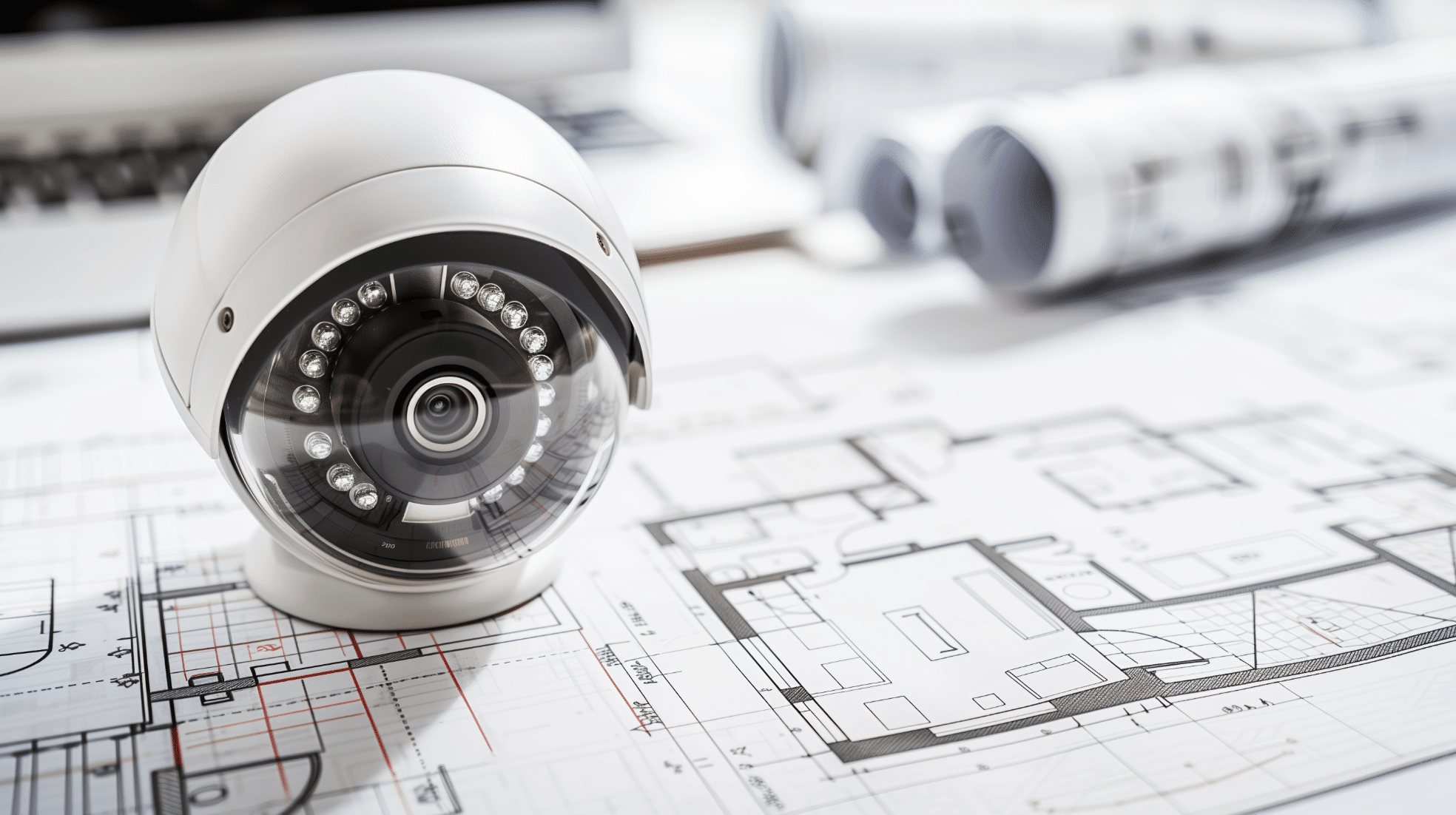
Many people these days prioritize security in both residential and commercial buildings. They may already have alarm systems. But integrating these systems isn’t enough. While alarms can signal a problem, only a closed-circuit television, also known as CCTV, can reveal its true nature.
While alarms tell you that something is wrong, cameras tell you exactly what it is, where it is located, and how it occurred. It is for this reason CCTV has become a popular and essential technology among homeowners and businesspeople. When a fire breaks out, CCTV cameras give you the visual intelligence to transform your response from reactive to proactive command.
Read on to learn further what makes CCTV essential for modern fire and security systems.
Better Prevention and Deterrence
Anyone can achieve security excellence, either in commercial or residential buildings, by stopping security risks before they happen. And CCTV surveillance is an essential solution for accomplishing this. Through security cameras, you can reduce risks like property and vehicle crimes in parking lots and residential areas.
Here are some ways that CCTV and other security measures can help prevent crime and lower possible risks on your property:
Reduces Vandalism and Intrusion Attempts
Putting surveillance cameras in visible places deters would-be offenders. The deterrent effect, or fear of punishment, plays a role in why people might reconsider doing a criminal activity. The idea is that well-placed CCTVs make potential offenders think there’s a higher chance of them getting caught. And this makes them think twice about breaking the law, such as intruding on or vandalizing your property.
The question is that where exactly should you place your CCTVs? It’s best to put them in places where wrongdoers might try to engage in any illicit acts. Place them in your loading docks, outer fences, and unstaffed entrances. Doing this discourages people from stealing or leaving graffiti on your property.
Encourages Employees to Follow Safety Protocols
Real-time video surveillance in industrial and workplace settings helps in making sure workers follow safety protocols. It also helps reduce risky behavior. Although it can sometimes feel invasive or like a sign of distrust, constant surveillance can enforce a culture of safety.
In particular, when CCTVs are placed, workers tend to maintain safety routines, such as propping open fire doors and securing server rooms. This practice avoids risky shortcuts and protects both employees and your business. You can also use your CCTV’s footage to have an objective record of events like accidents or safety breaches to determine if safety protocols were followed.
Promotes Proper Handling of Equipment and Materials
One of the primary defenses in high-stakes environments is following the process-safety guidance like procedure, permits, and supervision. CCTVs don’t help ensure safety compliance always happens. However, when it is integrated into your fire and security systems, it can promote safety and faster intervention.
Using CCTVs in critical areas like industrial kitchens, chemical storage, or production lines is the right thing to do. It helps identify unsafe behavior and hazards. CCTV cameras integrated with analytics or real-time monitoring can alert supervisors to intervene, which reduces accidents.
These security measures can be improved by having a security firm that has the right tools for your security needs. When you work with residential and commercial security specialists in Hamilton or your area, you can get more advanced, integrated security solutions. Professional security services provide 24/7 monitoring and quick responses like alarms, patrols, and handling of incidents.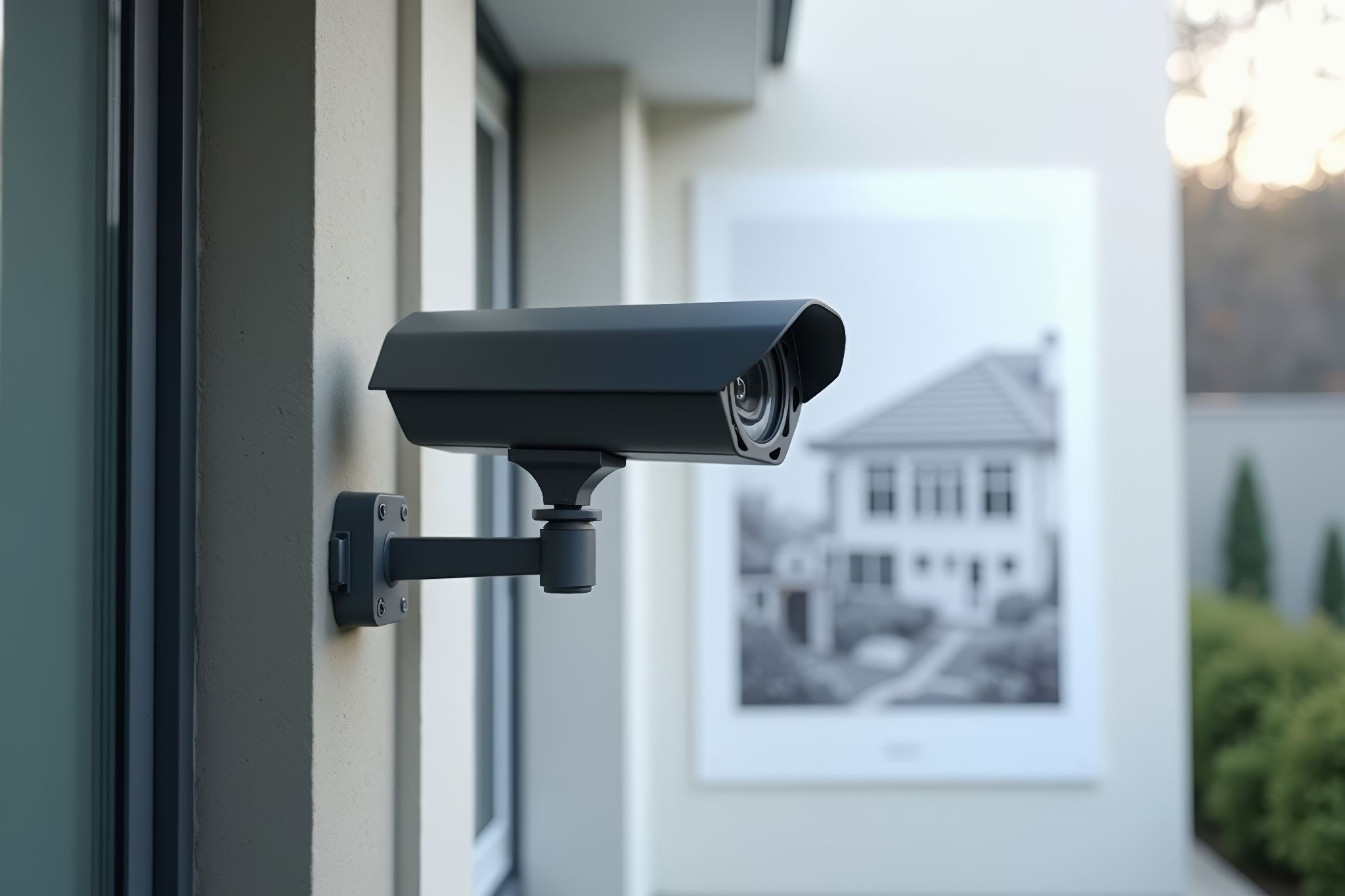
Real-time Monitoring
The quicker a problem is detected, the faster alerts can be sent out. People can act faster when this happens. This quick decision-making through real-time CCTV monitoring helps stop the problem and keep people safe.
To explain how this works in practice, here are the factors that make real-time oversight essential:
Detecting Early Visual Cues
While traditional alarms react, your IP cameras can detect early visual signs of a fire like smoke plumes or flames. This means these advanced cameras enable your team to identify the first wisp of smoke in a warehouse corner or an electrical panel sparking.
Moreover, they also have features like loitering and suspicious-behavior analytics. Some CCTVs can detect if a person who is loitering, near your assets, or acting strangely. All of these visual warnings occur right before a sensor is triggered.
Strengthening On-The-Spot Awareness
Compared to only-record systems, CCTVs with intelligent video recording or video plus analytics reduces detection-to-awareness latency. This means you can eliminate the lag between ‘something’s happening’ and making a decision on what to do. Live feeds with automatic alerts make it faster for a responder or operator to see what’s going on and taking action.
Modern video management system (VMS) platforms or pan-tilt-zoom (PTZ) cameras for CCTVs allow operators to zoom, pan, and tilt from the console. They can also link analytics to auto-direct cameras so they can track or focus on objects they identify. This means if you’re in charge of the control room, you can quickly zoom in on a package or pan to follow a person’s movements without leaving the console.
In essence, real-time CCTV monitoring lets your security operators know what’s happening right away. They can see what’s going on, assess security and safety threats quickly, and call for the right response like police, alarms, or guards.
Faster Incident Verification
Early situational awareness is critical in an emergency. You may sometimes wonder if it’s a real threat if your alarm system is triggered. The good thing about CCTVs is that they can have features like video alarm verification to help you confirm whether an alarm is real. It helps reduce unnecessary dispatches and gives responders quick clarity to act right away if there’s a fire or unauthorized entry.
As the situation develops, live camera feeds allow your team to monitor evolving events like break-ins and fires. They can see if a small electrical fire is being put out or if an intruder is getting deeper into the building. These continuous video feeds replace growing doubt with clear understanding of the situation. Responders can avoid crucial delays and turn a minor incident into a major crisis.
Final Thoughts
CCTV provides visual verification, faster identification of visible threats, behavioral detection, and a shared operating image for responders that that sensors and alarms alone cannot offer. Verified real-time video alerts speed up reaction times and prevent unnecessary deployments.
All in all, you can protect your people and property by integrating CCTV into your fire and security systems. And you can accomplish that by making sure that, besides deploying CCTVs, there is oversight, trained operators, and clear procedures.