

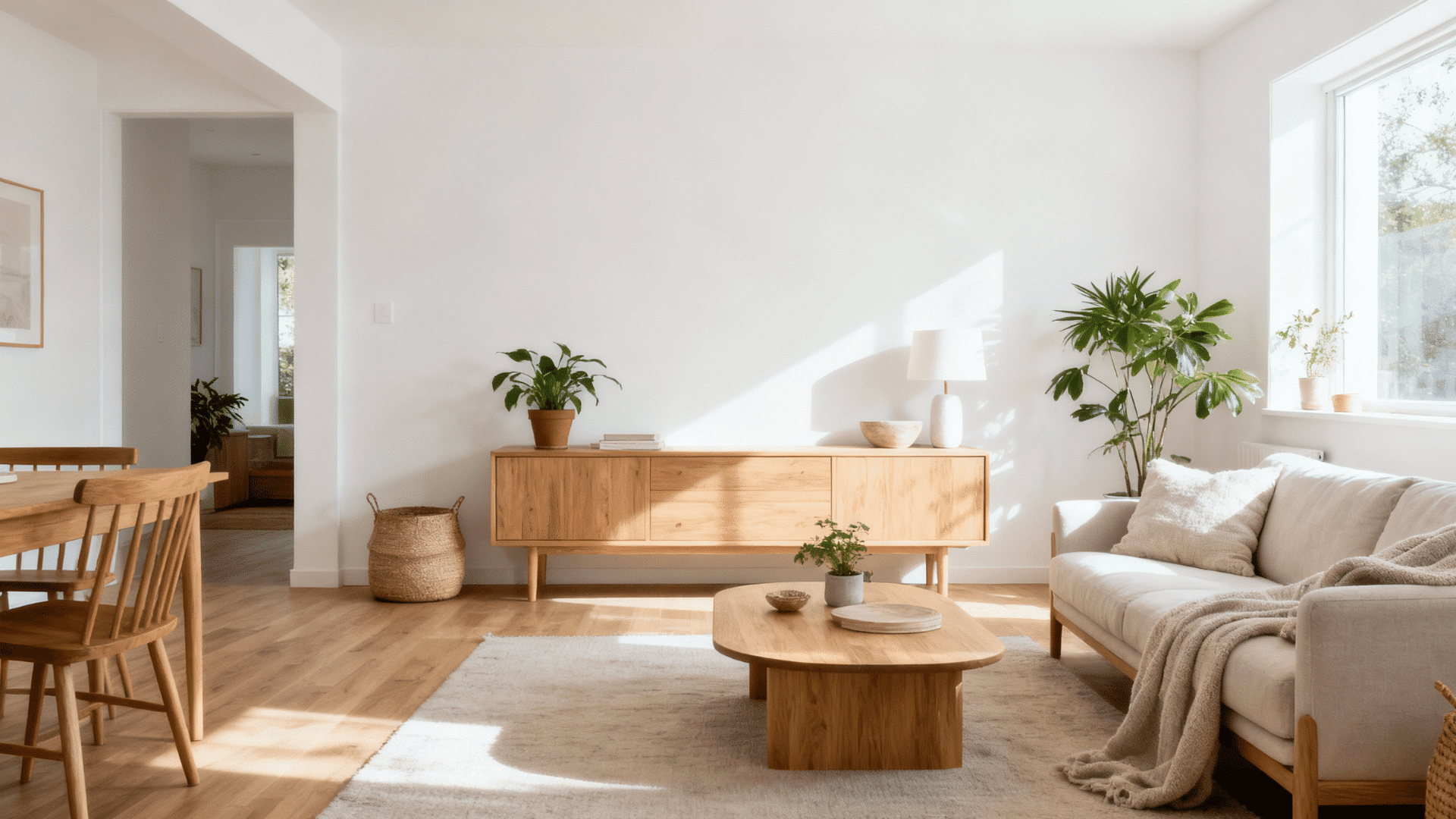
Scandinavian minimalism has captivated design enthusiasts worldwide, influencing how we approach our living spaces and daily routines.
It emerged as a practical response to environmental conditions, prioritizing warmth, natural light, and efficient use of space.
This movement champions the principle of “lagom,” a Swedish concept meaning “just the right amount,” encouraging balance and mindful consumption rather than excess.
Today, this approach resonates with modern homeowners seeking clarity and calm amidst increasingly chaotic lifestyles. while celebrating the beauty of simplicity and craftsmanship.
What is Scandinavian Minimalism?
Scandinavian minimalism is a warm, human-centered approach to simplicity rooted in Nordic culture.
It goes beyond reducing clutter to create spaces that feel calm, functional, and naturally inviting.
Born from long winters, limited daylight, and a tradition of craftsmanship, this style values clarity, comfort, and purpose. Interiors typically feature clean lines, soft shapes, and thoughtful layouts.
A neutral palette often anchored in whites, warm grays, and muted earth tones reflects natural light and enhances a sense of openness.
Ultimately, it blends beauty with practicality, shaping homes that feel peaceful, intentional, and deeply connected to nature.
Key Principles of Scandinavian Minimalism
To understand this design style fully, it helps to break down the core principles that shape its warm, purposeful simplicity.
1. Function First: It begins with practicality. Every item should serve a clear purpose, supporting daily comfort and ease.
2. Clean Lines & Visual Calm: This style embraces soft, uncluttered geometry to create a soothing atmosphere. Clean silhouettes, smooth surfaces, and subtle detailing feel balanced.
3. Neutral & Nature-Inspired Palette: A calming palette is central to the Scandinavian look. Whites, warm grays, soft beiges, and muted pastels brighten interiors and enhance harmony.
4. Natural Materials: Organic materials like wood, wool, linen, leather, and stone bring warmth and authenticity. Their tactile softness creates a cozy contrast to the clean lines.
5. Quality Over Quantity: Rather than filling a room with unnecessary pieces, it champions thoughtful selection. Fewer items with strong craftsmanship.
6. A Connection to Nature: Nature guides both the aesthetic and the lifestyle behind this design approach. Plants, natural textures, and earthy accents add life and dimension.
Scandinavian Minimalism in Home Décor
Scandinavian-inspired décor blends functional design with soft textures and light-filled elements to create a calming atmosphere.
1. Lighting
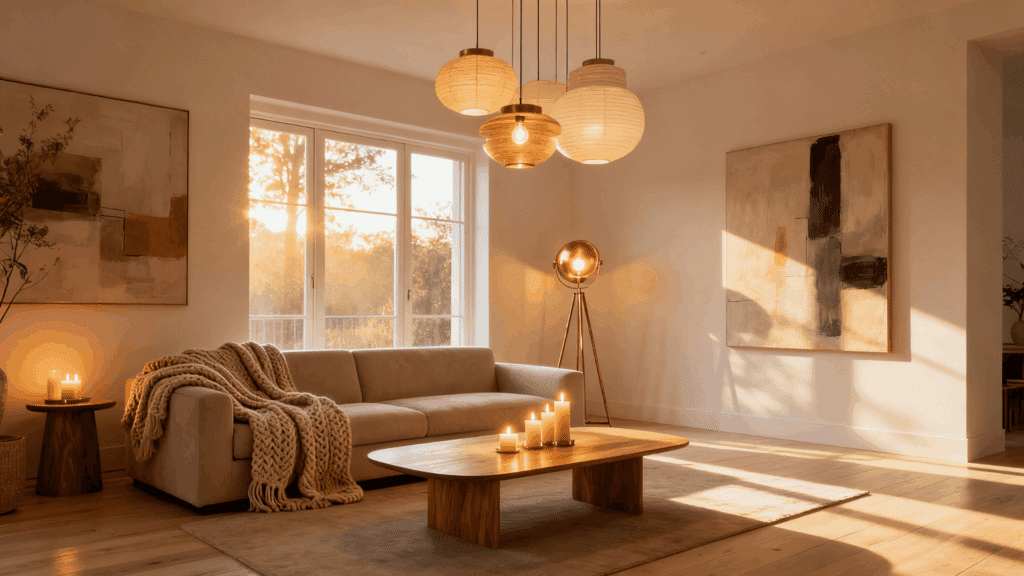
Lighting is paramount in Scandinavian design, compensating for limited natural daylight during long Nordic winters.
Layer multiple light sources, including pendant fixtures, floor lamps, and candles, to create warmth. Choose simple, sculptural designs in natural materials like wood, brass, or frosted glass.
Prioritize warm-toned bulbs that mimic natural light, and position fixtures strategically to eliminate shadows while highlighting architectural features and cherished objects.
2. Fabrics & Soft Furnishings

Textiles introduce warmth and comfort without compromising minimalist aesthetics. Select natural fabrics like linen, cotton, wool, and sheepskin in neutral tones with subtle textures.
Layer throws, cushions, and area rugs to create cozy, inviting spaces embodying the Danish concept of “hygge.” Keep patterns minimal, favoring simple stripes, geometric designs, or solid colors.
Quality textiles should feel luxurious to touch while maintaining the clean, uncluttered visual harmony essential to Scandinavian interiors.
3. Storage Solutions

Intelligent storage maintains the clutter-free environment central to minimalism. Invest in built-in cabinetry, shelves, and multifunctional furniture with hidden compartments.
Choose closed storage to conceal everyday items while displaying only intentional decorative pieces. Opt for sleek, handleless designs in light woods or white finishes that blend seamlessly.
Smart organization systems ensure everything has a designated place, supporting the “less is more” philosophy while keeping spaces functional and visually serene.
Color Palettes that Pair Beautifully with Scandinavian Minimalism
This table highlights the color palettes that best capture the soft, natural, and calming essence of Scandinavian minimalism.
| Color Palette | Key Shades | Why It Works in |
|---|---|---|
| Soft Neutrals | White, cream, warm beige | Creates bright, airy spaces and enhances natural light. |
| Warm Grays | Light gray, greige, charcoal accents | Adds subtle depth while maintaining calm, understated tones. |
| Muted Pastels | Dusty pink, soft sage, pale blue | Introduces gentle color without overpowering minimal aesthetics. |
| Earthy Tones | Sand, taupe, clay, warm brown | Brings warmth and a grounded, nature-connected feel. |
| Natural Wood Tones | Light oak, birch, ash | Complements neutral walls and adds organic warmth. |
| Black Accents | Matte black, charcoal details | Provides contrast and structure while keeping the look modern. |
| Cool Whites | Frost white, pearl white | Enhances clarity and works well in low-light Nordic environments. |
The Scandinavian Minimalist Lifestyle
More than a design trend, this lifestyle focuses on purposeful routines, balanced spaces, and a deeper connection to nature.
1. Simplified Daily Routines
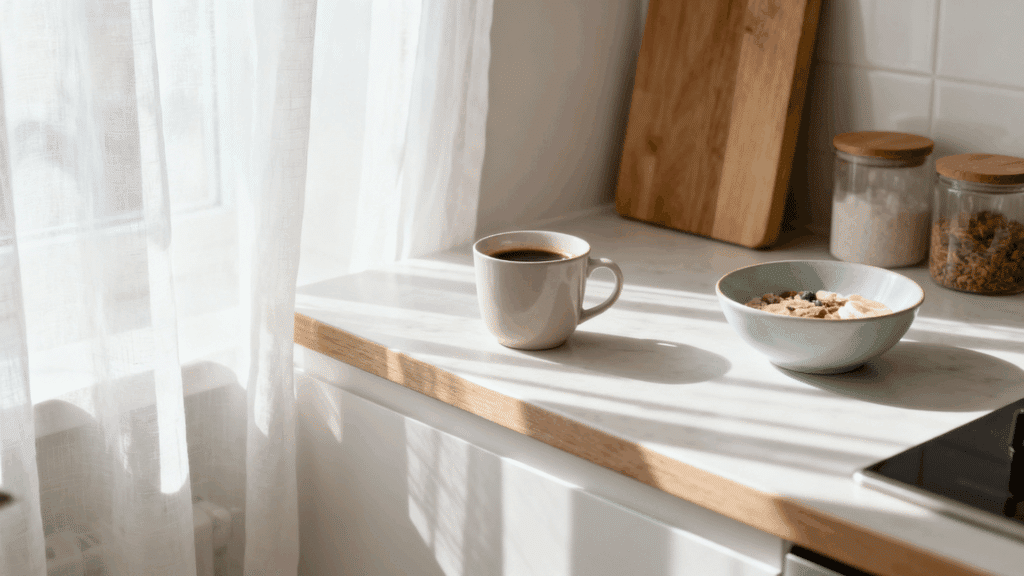
It advocates streamlining daily habits to reduce decision fatigue and create calm, predictable rhythms.
This includes establishing consistent morning and evening rituals, meal planning with simple yet nourishing recipes, and maintaining capsule wardrobes that eliminate styling stress.
This approach values efficiency without rushing, allowing time for coffee breaks, mindful moments, and unhurried enjoyment of everyday tasks that might otherwise feel burdensome.
2. Clutter-Free Living
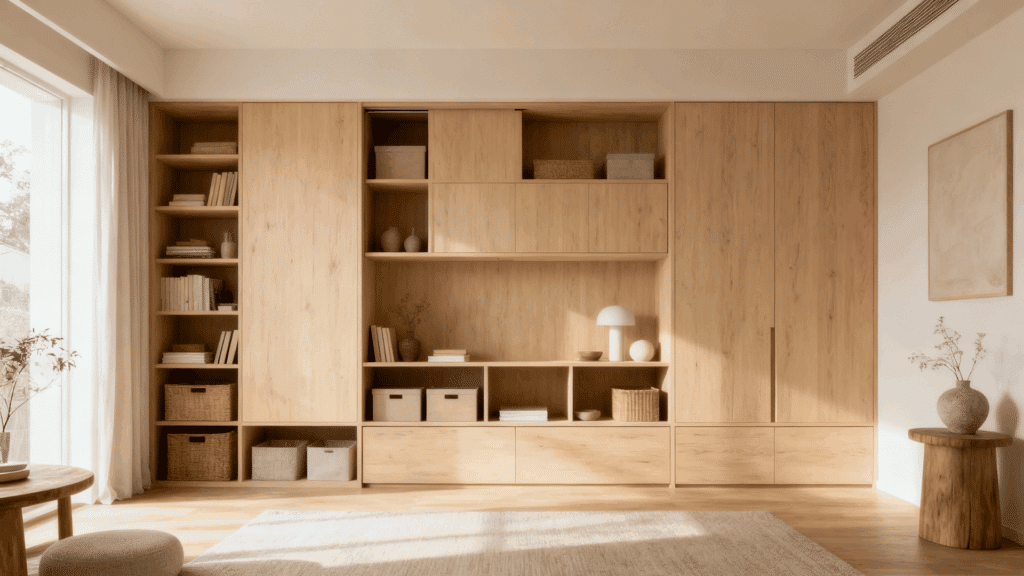
Maintaining clear, organized spaces is essential to the Scandinavian lifestyle, promoting mental clarity and peace.
The philosophy embraces “lagom,” having just enough rather than excess. This approach extends to digital spaces, schedules, and commitments.
By eliminating visual and mental clutter, you create breathing room for creativity, relaxation, and focus on priorities that enhance well-being and personal growth.
3. Harmony with Nature
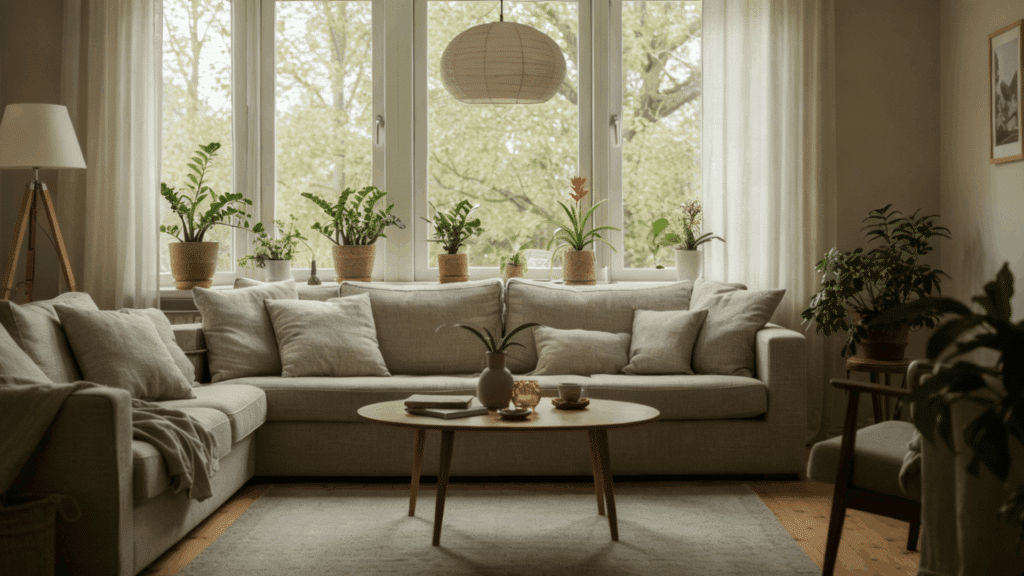
Scandinavians maintain deep connections to the natural world despite harsh climates, incorporating outdoor experiences into daily life.
The concept of “friluftsliv” (open-air living) emphasizes spending time in nature for physical and mental health. This includes regular walks regardless of the weather.
This encourages sustainable choices, respects environmental resources, and finds beauty in natural cycles, fostering appreciation for simplicity and our place within the broader ecosystem.
Difference Between Scandinavian Minimalism vs. Traditional Minimalism
Here’s a clear comparison that highlights how it stands apart from classic minimalist design.
| Aspect | Scandinavian Minimalism | Traditional Minimalism |
|---|---|---|
| Overall Feel | Warm, Inviting, Comfortable | Cool, Sleek, Highly Restrained |
| Color Palette | Soft Neutrals: Whites, Warm Grays, Beiges, Muted Pastels | Monochrome Tones: Black, White, Gray |
| Materials | Natural Textures Like Wood, Wool, Linen, and Leather | Industrial Elements Like Metal, Glass, and Concrete |
| Design Focus | Function with Emotional Comfort; Human-Centered | Pure Function and Form; Strong Emphasis on Reduction |
| Décor Approach | Simple Décor with Cozy Touches and Meaningful Pieces | Very Limited Décor, Often Stark and Bare |
| Texture Use | Layered Textures for Warmth and Balance | Smooth, Clean Surfaces with Minimal Variation |
| Lifestyle Connection | Calm Living, Coziness, Connection to Nature | Discipline, Order, Clean Visual Emptiness |
Common Mistakes to Avoid
Avoid these common mistakes to maintain the warmth, balance, and effortless simplicity this style is known for.
- Overly stark interiors: Turning spaces too cold or bare, which removes the warmth that defines Scandinavian design.
- Ignoring natural light: Blocking windows or using heavy curtains that stop light from softening the room’s atmosphere.
- Choosing low-quality materials: Picking synthetic or cheap items instead of durable, natural materials like wood, stone, wool, or linen.
- Using harsh or dark colors: Overpowering the neutral palette with bold shades that break visual harmony.
- Skipping texture variety: Sticking to flat surfaces without adding soft textiles that bring warmth and balance.
- Ignoring functionality: Choosing furniture that looks nice but doesn’t support comfort or daily use, which goes against the heart of this style.
Conclusion
As we’ve seen in this guide, the principles of simplicity, natural materials, and intentional design work to create environments that feel both serene and welcoming.
By emphasizing quality over quantity, light over clutter, and purpose over decoration, this approach creates interiors that stay relevant even as trends change.
It reminds us that true luxury often lives in simplicity, and that carefully curated spaces can have a strong impact on our daily well-being and sense of calm.
Start today by decluttering one room, choosing high-quality natural materials, and seeing how simple changes can improve your everyday life.