

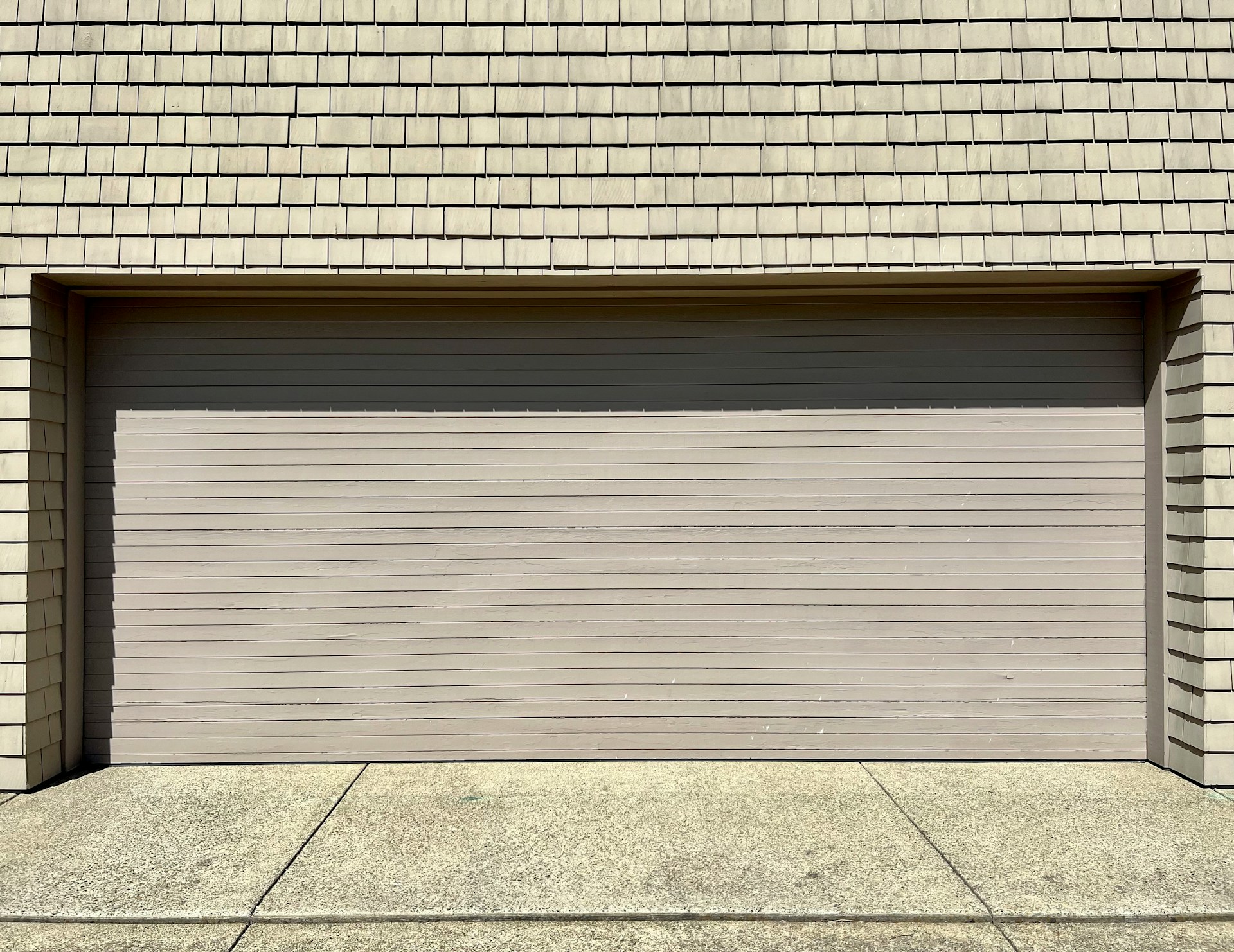
Phoenix-area homeowners deal with one of the most demanding climates in North America for mechanical and structural components. Temperatures that routinely exceed 110 degrees Fahrenheit during summer months create conditions that affect every aspect of a home’s exterior and mechanical systems.
The garage door, which may cycle dozens of times per week and endures constant direct sun exposure, is particularly vulnerable to heat-related wear and failure.
Understanding how desert heat affects each component of a garage door system helps homeowners recognize problems early and make informed decisions about repair versus replacement.
A standard residential garage door opening is one of the largest moving mechanical assemblies in any home. It involves springs under significant tension, a motorized opener, tracks and rollers, weatherstripping, and a door panel that may weigh between 150 and 400 pounds depending on material and insulation level.
Each of these components responds differently to sustained extreme heat, and the cumulative effect of Phoenix summers accelerates wear at a rate homeowners in temperate climates rarely experience.
Heat Expansion and Its Effect on Springs and Tracks
Torsion springs and extension springs are the mechanical workhorses of a garage door system. They counterbalance the weight of the door, making it possible for a relatively modest motor to lift and lower the assembly smoothly. Springs are wound to a precise tension specification based on the door’s weight and dimensions. When metal components heat and expand, this calibration can shift in ways that affect daily operation.
In Phoenix’s summer temperatures, metal tracks and springs reach temperatures well above ambient air temperature when exposed to direct sun in an unshaded driveway or south-facing garage opening.
Springs that heat significantly may develop minor changes in coil spacing that affect the counterbalance, placing additional load on the opener motor or causing the door to feel heavier during operation. This effect is cumulative and worsens over successive summers as metal fatigue compounds.
Tracks are also affected by thermal expansion. Metal tracks installed at moderate temperatures may develop slight bowing or alignment issues as they expand in summer heat, causing rollers to bind or produce grinding sounds during operation.
A door that runs smoothly in winter but develops noise or resistance in summer is often exhibiting heat-related track expansion, a specific pattern Phoenix technicians encounter regularly.
Lubrication plays a larger role in desert climates than many homeowners realize. Standard lubricants thin and migrate off contact surfaces faster in extreme heat, and some lower-grade products gum up as they degrade under sustained temperature exposure.
Using a silicone-based or heat-rated lubricant on springs, rollers, and hinges, and reapplying it more frequently during summer, is a practical maintenance step that extends component life significantly.
Opener Motor Strain in Extreme Temperatures
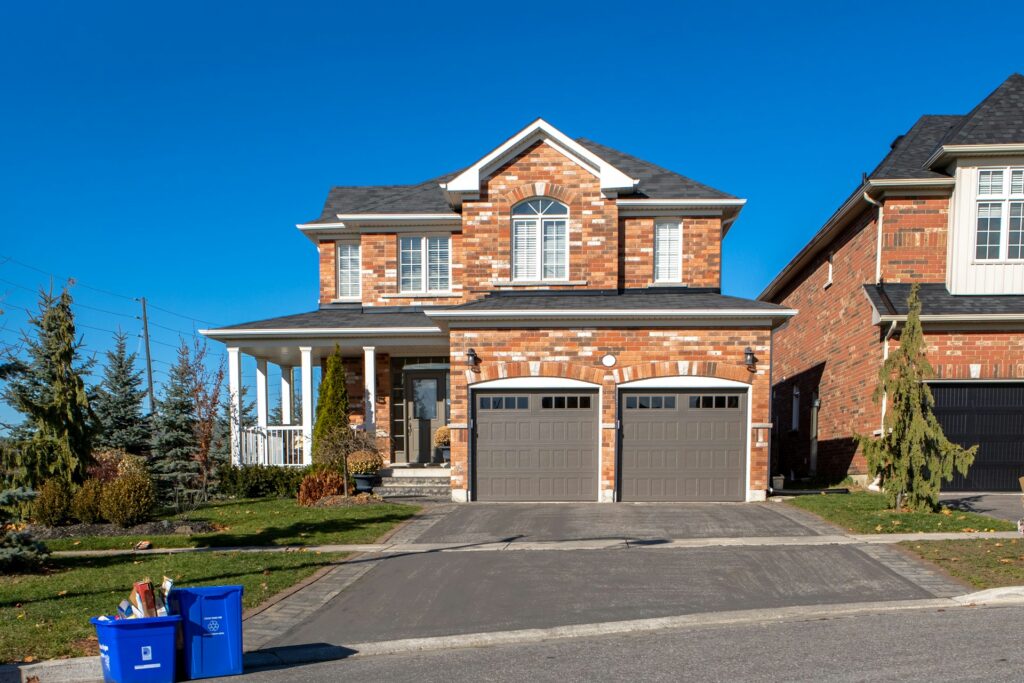
The garage door opener’s motor bears the strain of fighting any friction or imbalance in the door system. In Phoenix, this motor may operate in an environment that exceeds 130 to 140 degrees Fahrenheit inside an attached garage during peak summer conditions.
These temperatures stress motors, capacitors, and circuit boards in ways that manufacturers’ rated lifespans do not fully account for when tested under standard conditions.
Motors that run hot are more likely to trip their built-in thermal protection and temporarily stop working. Homeowners who notice their garage door opener stopping mid-cycle during the hottest part of the day are likely experiencing thermal cutoff activations rather than a mechanical failure. While the cutoff is working as designed, frequent activation indicates the motor is operating at the edge of its thermal tolerance.
For homeowners dealing with persistent opener issues in the Phoenix summer, contacting a provider of garage door repair Phoenix can identify whether the problem is the motor, a spring or track issue causing excessive load, or a combination of both. Diagnosing the root cause matters before committing to replacement costs, since replacing an opener without addressing an underlying imbalance will not solve the core problem.
Opener horsepower rating relative to door weight is also relevant in desert climates. A motor that is barely adequate for a door’s weight in mild conditions may be undersized in Phoenix summer stress, where heat adds friction and any spring degradation increases the load the motor must overcome.
Weatherstripping Failure in Dry Desert Conditions
Weatherstripping around a garage door perimeter seals against air infiltration, keeps dust and insects out, and provides a barrier against wind-driven particulate during monsoon season. In desert climates, weatherstripping faces a deterioration pattern driven by UV exposure and extremely low humidity that accelerates failure compared to more humid regions.
The bottom seal, which contacts the ground as the door closes, takes the most abuse. In desert conditions, rubber and vinyl bottom seals become brittle and crack faster than in humid climates, where ambient moisture slows UV-driven oxidation. A cracked or missing bottom seal allows hot outside air, dust, and insects into the garage continuously, affecting interior temperature and any equipment stored inside.
Side and top seals also degrade faster under UV and heat exposure. These compression seals are critical for blocking wind-driven rain during Phoenix’s monsoon season, when brief but intense storms drive water horizontally into any gaps around the door frame. Failed frame seals allow water intrusion that can damage flooring, stored belongings, and wall bases inside the garage.
Replacing weatherstripping is a relatively low-cost maintenance item that significantly affects the thermal performance of the garage. A well-sealed garage door reduces the temperature differential between the garage and outdoor air, which reduces heat transfer into adjacent conditioned living spaces and lowers cooling costs.
Repair vs. Replace: Making the Right Decision in a Hot Climate
The decision between repairing and replacing a garage door or its components involves evaluating cost, remaining useful life, and performance under Phoenix’s specific conditions. A door showing multiple simultaneous problems, including cosmetic deterioration, insulation degradation, and worn hardware, may have reached the point where total replacement delivers better long-term value than sequential repairs.
Factors that support repair as the better choice include:
- The door panel is structurally sound with no significant denting or delamination
- Springs and hardware have been replaced within the past few years
- The issue is isolated, such as a single broken spring, a failed opener board, or worn rollers
- The overall door system is less than ten years old and has been maintained
Factors that point toward replacement include:
- Significant panel damage or delamination that cannot be addressed with section replacement
- An opener that is fifteen or more years old with no smart technology compatibility
- A non-insulated door allowing substantial heat transfer into an air-conditioned garage
- Multiple failing components where cumulative repair cost approaches replacement cost
In Phoenix specifically, insulation value deserves extra weight in this analysis. A door with poor insulation raises the temperature inside the garage substantially, increasing energy costs for adjacent conditioned spaces and shortening the life of vehicles, tools, and electronics stored inside.
Routine Maintenance That Extends Garage Door Life in Phoenix
Proactive maintenance is the most cost-effective strategy for managing garage door longevity in a desert climate. The following steps address the specific stressors that Phoenix conditions impose:
- Lubricate springs, rollers, hinges, and the opener chain or belt with a silicone-based or heat-rated product at least twice per year, and additionally after extended periods of extreme heat
- Inspect and replace bottom and side weatherstripping before each monsoon season to ensure adequate sealing against wind-driven rain
- Test the door’s balance by disconnecting the opener and manually lifting the door halfway; it should stay in position, and drift in either direction indicates spring tension needs adjustment
- Clean and inspect tracks annually for alignment issues, debris buildup, and any signs of heat-related distortion
- Test the auto-reverse safety feature monthly by placing a two-by-four flat under the door’s travel path; the door should reverse immediately upon contact
Addressing minor issues as they emerge rather than waiting for complete failure is consistently more cost-effective in Phoenix’s climate. Components that are beginning to show wear will deteriorate faster under summer heat stress than they would in temperate conditions, and early attention prevents sudden failures at the worst possible times.