

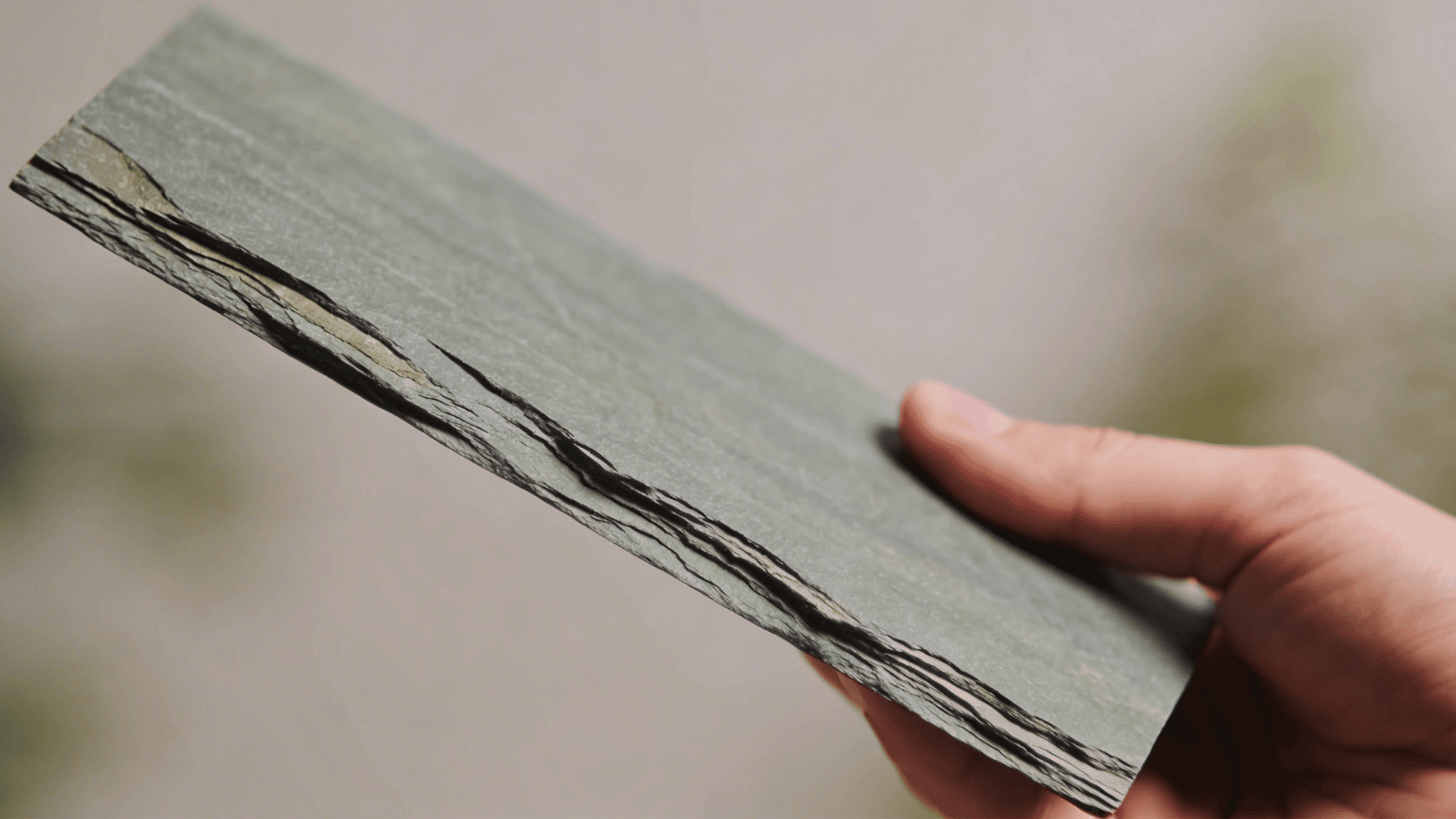
Slate is a rock many people have seen, but few really think about. You can spot it on roofs, garden paths, floors, and even in old school buildings.
Still, many people wonder what it really is and how it forms. In this guide, you will get a clear and simple answer.
I will explain what type of rock slate is, along with its origin, properties, and common uses.
You will also learn why slate is called a metamorphic rock and how it changes over time. You will see what makes it strong, easy to split, and useful in many places.
By the end, you will understand slate in a simple way and feel more sure about the topic.
What Type of Rock Is Slate: Formation and Origin
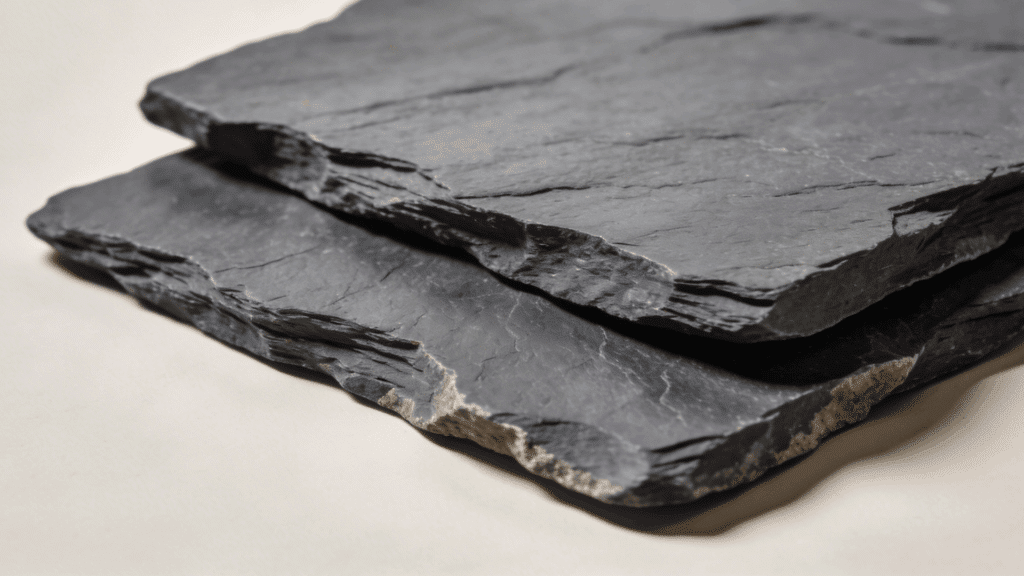
Slate is a metamorphic rock that forms from shale, a soft sedimentary rock made of clay and mud. Over time, layers of shale get buried deep inside the Earth.
As they sink, they face heat and pressure from Earth’s crust. This does not melt the rock, but it changes its structure.
The minerals inside begin to line up in thin layers through a process called metamorphism.
This change makes slate harder and more compact. It also gives slate its fine grain and smooth surface, which allows it to split into thin, flat sheets.
That is why it is widely used for roofing, flooring, and wall cladding.
Unlike igneous rocks, slate does not form from lava, and it is not loose like most sedimentary rocks.
Most slate forms in areas where tectonic plates press together, creating the right conditions for this transformation over many years.
Key Properties of Slate
Slate has several clear traits that make it easy to recognize and useful in daily life. These properties come from how it forms under heat and pressure.
1. Fine-Grained Texture
Slate has a very fine grain, which means its particles are small and tightly packed. This gives it a smooth and even surface.
You will not see large crystals like in some other rocks. Because of this texture, slate feels solid and clean to the touch. It also makes it easy to cut into neat shapes.
This fine structure forms during metamorphism, when minerals align under pressure.
It helps slate stay strong and uniform, making it a reliable choice for many uses in construction and design.
2. Slaty Cleavage
One key feature of slate is its ability to split into thin, flat layers. This is called slaty cleavage. It happens because minerals inside the rock align in the same direction under pressure.
As a result, slate breaks cleanly along these layers. This makes it easy to shape into tiles or sheets without rough edges.
Builders and craftsmen value this property because it saves time and effort.
It also gives slate a clean and neat look when used in roofs, floors, or walls in both homes and buildings.
3. Durability and Strength
Slate is known for being strong and long-lasting. It can handle pressure, weather, and wear without breaking easily.
This makes it a good choice for outdoor use, like roofing and paving. It does not crack or chip as quickly as softer rocks.
Its strength comes from the heat and pressure it faced during formation. Because of this, slate can last for many years with little damage.
People trust it for projects where they need a material that will stay in good shape over time without frequent repairs.
4. Low Water Absorption
Slate does not absorb much water, which makes it useful in wet areas. Its dense structure keeps water from soaking in easily.
This helps prevent damage like cracks or surface wear.
Because of this, slate works well in bathrooms, kitchens, and outdoor spaces. It also handles rain and moisture better than many other rocks.
This property adds to its long life and reduces maintenance needs.
Builders often choose slate when they need a material that can stay strong even when exposed to water for long periods.
5. Natural Color Variations
Slate comes in a range of natural colors, such as gray, black, green, and even purple. These colors come from the minerals present in the rock.
The shades are not painted or added later; they form naturally during the rock’s change process.
This gives slate a natural and simple look that many people like. It also means each piece can look slightly different.
These color options make slate a good choice for both indoor and outdoor designs where a natural finish is preferred.
Advantages and Disadvantages of Slate
Slate offers a mix of strong benefits and a few limits to consider. Knowing both sides helps you decide where it works best.
| Advantages | Disadvantages |
|---|---|
| Very durable and lasts for many years | Can be heavy, making installation harder |
| Splits into thin sheets, easy to shape | Higher cost compared to some other materials |
| Low water absorption, good for wet areas | Can break if handled roughly during setup |
| Natural look with different color options | Limited color range compared to other stones |
| Fire-resistant and safe for roofing | Needs skilled labor for proper installation |
| Low maintenance once installed | Repairs can be difficult if damaged |
How to Identify Slate Rock?
You can spot slate by looking at a few clear physical features. These simple checks help you tell it apart from other rocks.
- Thin Layers: Slate splits easily into thin, flat sheets. This is one of its most noticeable features.
- Smooth Surface: It often feels smooth and even when you touch it, not rough or grainy.
- Fine Grain: You will not see large crystals. The texture looks very tight and compact.
- Dull Shine: Slate has a low shine, not glossy like polished stone or glassy rocks.
- Dark Colors: Most slate appears in gray, black, or dark green shades, though some may vary.
- Hard but Not Brittle: It is strong but can still break cleanly along its layers.
- Water Resistant: It does not soak up water easily, which makes it useful for outdoor use.
Common Uses of Slate
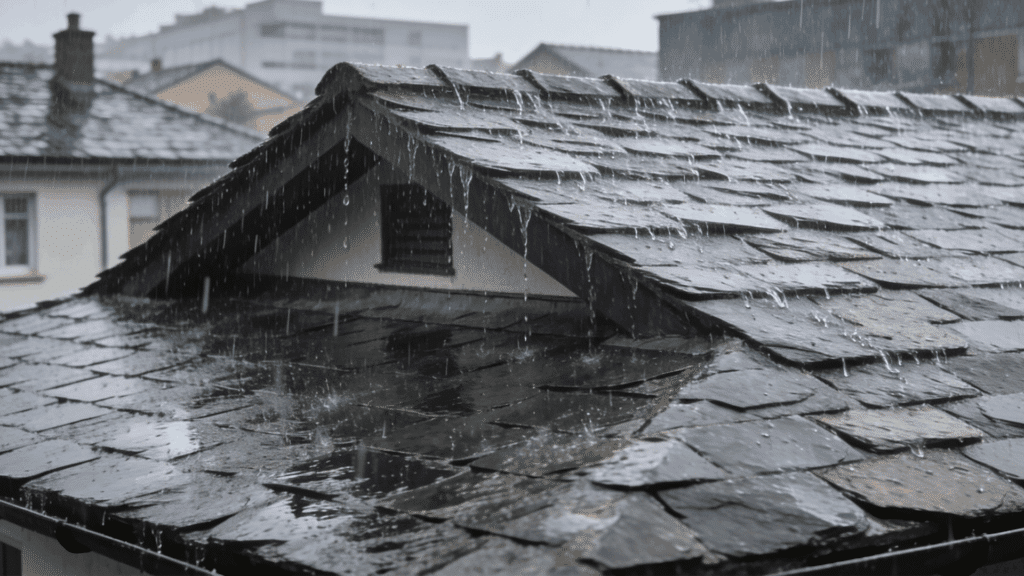
Slate is widely used in homes and buildings because it is strong and easy to work with. Its natural structure makes it useful for both indoor and outdoor applications.
1. Roofing Tiles
Slate is a popular choice for roofing because it is strong and lasts a long time. It can handle rain, heat, and wind without much damage.
Its ability to split into thin sheets makes it easy to shape into tiles.
These tiles sit flat and create a tight seal on roofs. Slate also does not absorb much water, which helps prevent leaks.
Many buildings use slate roofs because they need less maintenance and can last for decades without needing frequent repairs.
2. Flooring
Slate is often used for flooring in homes and outdoor areas. Its surface provides good grip, which helps prevent slipping.
This makes it a safe option for kitchens, bathrooms, and patios. It is also strong enough to handle heavy foot traffic without wearing out quickly.
Slate floors are easy to clean and do not get damaged easily by water.
Its natural look adds a simple and clean style to spaces, making it a practical and reliable flooring material for daily use.
3. Wall Cladding
Slate is used on walls to add protection and a clean finish. It can be applied both inside and outside buildings. Its strong surface helps protect walls from weather and wear.
Slate panels are easy to install because they can be cut into flat pieces.
It also adds a natural look without needing paint or extra treatment.
Many people choose slate for wall cladding because it lasts long and keeps its look over time, even with regular exposure to heat and moisture.
4. Chalkboards and Writing Surfaces
Slate has been used for chalkboards for many years. Its smooth and flat surface makes it easy to write on with chalk.
It also allows quick cleaning without leaving marks behind. Schools and homes have used slate boards because they are strong and last longer than many other materials.
Even today, some people prefer slate for writing surfaces because of its simple feel and durability.
It works well for repeated use without losing its quality or becoming uneven.
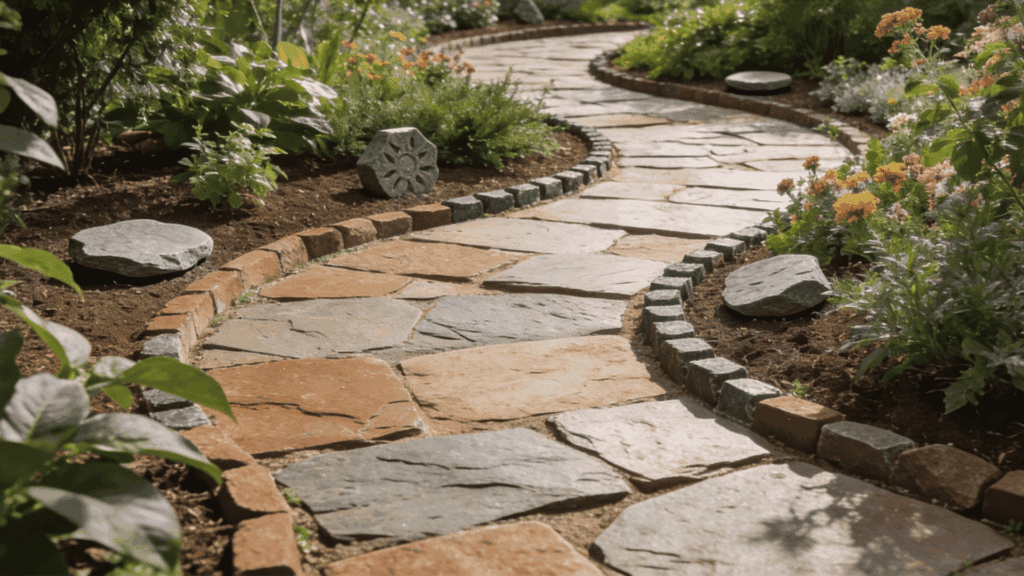
5. Garden Paths and Outdoor Use
Slate is a good choice for garden paths and outdoor spaces. It can handle weather changes, including rain and heat, without breaking easily.
Its rough surface gives good grip, which makes walking safer.
Slate stones can be placed in different shapes to create paths and patios. It also does not absorb much water, so it stays in good condition over time.
Many people use slate outdoors because it looks natural and stays strong with very little upkeep needed.
Slate vs Other Rock Types
Different rocks form in different ways and have their own features. This quick comparison helps you see how Slate stands apart.
| Feature | Slate | Igneous Rocks | Sedimentary Rocks |
|---|---|---|---|
| Rock Type | Metamorphic | Formed from cooled lava or magma | Formed from layers of sediments |
| Formation Process | Heat and pressure change shale | Cooling and solidifying of molten rock | Deposition and compaction of particles |
| Texture | Fine-grained and smooth | Can be coarse or glassy | Often grainy or layered |
| Splitting Ability | Splits into thin sheets | Does not split easily | Breaks along layers but not cleanly |
| Strength | Strong and durable | Very hard but can be brittle | Usually softer than slate |
| Water Absorption | Low | Very low | Can absorb more water |
| Common Uses | Roofing, flooring, tiles | Construction, tools, statues | Cement, bricks, and fossil study |
Conclusion
Slate has earned its place in both the natural world and human history.
Born from intense heat and pressure deep within the earth, it emerges as one of the most reliable and visually striking materials you can find on rooftops, flooring, chalkboards, and beyond.
What makes slate genuinely special isn’t just its durability or its split-friendly cleavage planes.
It’s the fact that something so practical started as ancient seabed sediment millions of years ago.
Next time you see a slate tile or a stone pathway, you’ll know exactly what you’re looking at and why it has lasted so long.
If you’ve used slate in a home project or studied it in the field, I’d love to hear about it. Share your experience in the comments below!
Frequently Asked Questions
Is Slate an Environmentally Friendly Building Material?
Slate is environmentally friendly because it lasts for many decades, reducing waste from replacements. It requires minimal processing and can often be reused.
Why Is Slate Heavier than Many Other Roofing Materials?
Slate is heavier due to its dense, pressure-formed structure. Tightly packed minerals provide strength and durability, but buildings need strong support to safely handle the added weight.
Can Slate Be Used in Modern Interior Design?
Slate fits well in modern interiors. It works for walls, floors, and fireplaces, adding texture and depth. It pairs well with wood and metal and offers durability in kitchens and bathrooms.