

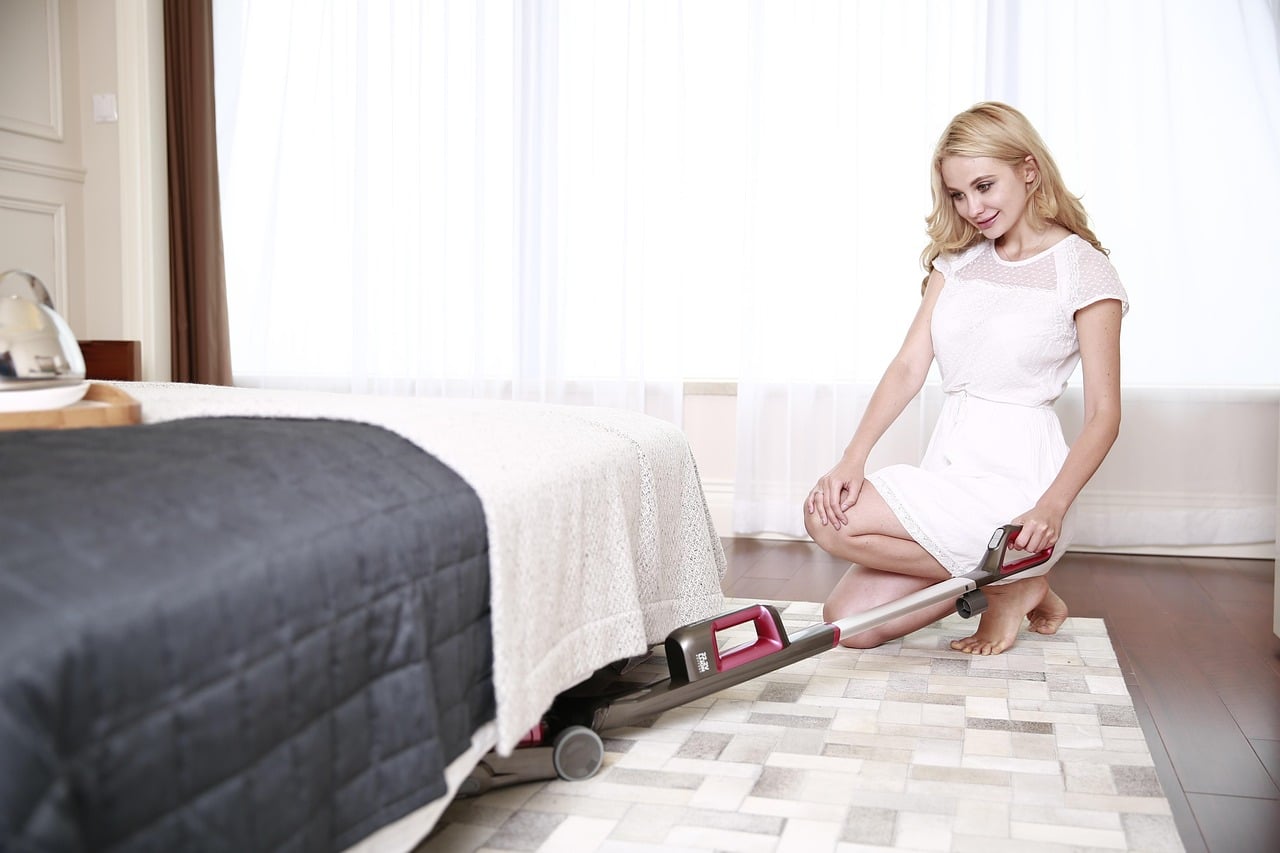
Home feels different when it’s clean. You breathe easier, move with less stress, and think with more clarity. A tidy space lifts your mood in ways most people don’t notice until they fall back into clutter. Clean homes also support better health.
Research shows indoor air can hold far more pollutants than outdoor air, especially in homes that skip routine dusting and vacuuming. These particles settle into carpets, vents, and soft furniture, creating issues that slowly build over time.
Many families want a cleaner home but struggle to keep up with daily tasks. The good news is that simple habits have a lasting impact. You don’t need to spend full afternoons cleaning. A few consistent actions each week protect your space, your comfort, and your well-being.
A Clean Home Calms the Mind
Visual clutter pulls at your attention. Your brain tries to process every item that’s out of place, which drains mental energy. A study published in Personality and Social Psychology Bulletin found that people who described their homes as “cluttered” had higher levels of cortisol, a stress hormone. A clean room creates a stronger sense of control, which lowers tension and supports better focus.
Small habits can keep stress from creeping in. Reset surfaces after meals. Put laundry away as soon as it’s folded. After each day, give yourself five minutes to tidy a single room. These actions build order without adding pressure.
Cleaner Air Supports Better Health
Dust doesn’t stay on the furniture. It moves through your home each time someone walks past or turns on a fan. It holds pollen, pet dander, and tiny particles you don’t want in your lungs. The EPA notes that poor indoor air contributes to headaches, coughing, and fatigue.
Simple routines protect your home’s air quality. Vacuum carpets often. Wipe ceiling fans each month. Shake out small rugs in fresh air. Change HVAC filters as directed, and clean vents so they don’t push dirty air back into the room.
Plants also help. Some indoor plants absorb small amounts of pollutants and add humidity, giving rooms a fresher feel. They won’t replace cleaning, but they support a healthier environment.
Routine Cleaning Protects Your Home’s Value
Neglected surfaces show wear much faster. Grease on kitchen cabinets dulls the finish. Dirt tracked inside scratches floors. Grout collects grime that hardens over time, which leads to discoloration and repairs. Simple cleaning habits prevent this damage. Wipe appliances after cooking.
Clean sinks and faucets each week to prevent buildup. Keep tile and wood floors free from grit. These small steps add years to the life of your home’s materials.
Good Habits Strengthen Daily Routines
When your space feels in order, you stay more organized in other parts of life. People who maintain tidy homes often report better productivity and improved motivation. A clean kitchen makes it easier to cook healthy meals. A clear desk supports focus and fewer distractions. Each room in your home influences your behavior in ways you might not expect.
Key Cleaning Habits That Make the Biggest Difference
Many homeowners believe they need long cleaning sessions to see improvement. What helps most are short habits repeated often:
- Wipe counters after each use
- Sort mail as soon as you bring it inside
- Sweep high-traffic areas twice a week
- Clean bathroom sinks while brushing your teeth
- Do quick resets each evening
These routines keep dirt from building up and prevent the overwhelming feeling that comes from putting everything off until the weekend.
Calling in Extra Help When Needed
Many households reach a point where deep cleaning becomes too much. Scrubbing grout, washing baseboards, dusting tall shelves, and cleaning behind appliances take time that busy schedules don’t allow. This is where outside support becomes helpful.
In the middle of your regular routines, you might decide to look for cleaning services ocala to handle tasks that go beyond daily upkeep. Professional help lightens the load and gives your home a fresh start, especially during busy seasons.
A Cleaner Home Improves Sleep and Mood
Dusty rooms and cluttered surfaces often disrupt sleep more than people expect. Bedding collects oils, sweat, and allergens that can affect breathing and comfort. Wash sheets each week and pillowcases twice a week. Keep nightstands simple and free from extra items. A neat bedroom gives your brain a cue to relax and helps you fall asleep faster.
A tidy living room also boosts mood. When your eyes land on organized space instead of scattered items, your mind relaxes. Families often find that their evenings feel calmer when rooms stay uncluttered.
Clean Homes Strengthen Family Harmony
Most households feel more peaceful when chores don’t pile up. Small shared habits help everyone feel responsible without adding stress.
You can create simple systems like a bin by the door for shoes and keys or a five-minute family cleanup before bedtime. Children gain confidence when they learn to take care of their space. These routines reduce arguments and help each person feel more comfortable at home.
Why a Cleaner Home Always Feels Better
Cleanliness builds a healthier environment, protects your investment, and supports daily comfort. It lifts your mood, improves sleep, and lowers stress. Small habits practiced often deliver the biggest results. Start with one or two changes and build from there.
Over time, you’ll notice your home feels lighter, calmer, and easier to enjoy. A better home doesn’t come from perfection. It grows out of consistent care and simple routines that make each day smoother.