


Interior design has always reflected how people live, but in recent years that connection has become more direct. Homes are no longer static spaces defined by a single purpose for each room.
They are expected to adapt throughout the day, shifting between work, rest, creativity, and connection without feeling cluttered or chaotic. As a result, modern home design places less emphasis on rigid layouts and more on systems that quietly support flexibility.
This broader way of thinking often extends beyond furniture and finishes into how homes manage comfort and reliability, with some homeowners considering infrastructure choices such as eg4 inverters as part of long-term planning rather than as visible design features.
What’s important is that these decisions rarely announce themselves. They sit in the background, supporting everyday living while allowing the visible elements of a home, color, texture, light, and layout, to take center stage. Good design, after all, works best when it doesn’t call attention to everything happening behind the scenes.
Personal Objects and Small Details That Shape Daily Experience
While layout and lighting define a home’s overall feel, it’s often the smaller, more personal details that determine how comfortable a space truly feels. Items people interact with daily, phones, keys, notebooks, and other essentials, move constantly between rooms and even outside the home. How these objects fit into the space can subtly influence both function and atmosphere.
In thoughtfully designed interiors, everyday items are treated as part of the environment rather than distractions. Surfaces are planned to accommodate them, storage is intentional, and visual clutter is minimized. Even accessories that travel beyond the home can reflect this mindset.
For example, in spaces where personalization matters, you can see customized phone cases used as extensions of personal style rather than as purely functional objects, blending individual expression with the broader aesthetic of daily life.
Design researchers have long noted that personalization increases emotional connection to a space. According to studies referenced by the American Psychological Association, environments that reflect personal identity tend to support well-being and comfort, making them feel more lived-in and less performative.
Designing for How Spaces Are Actually Used
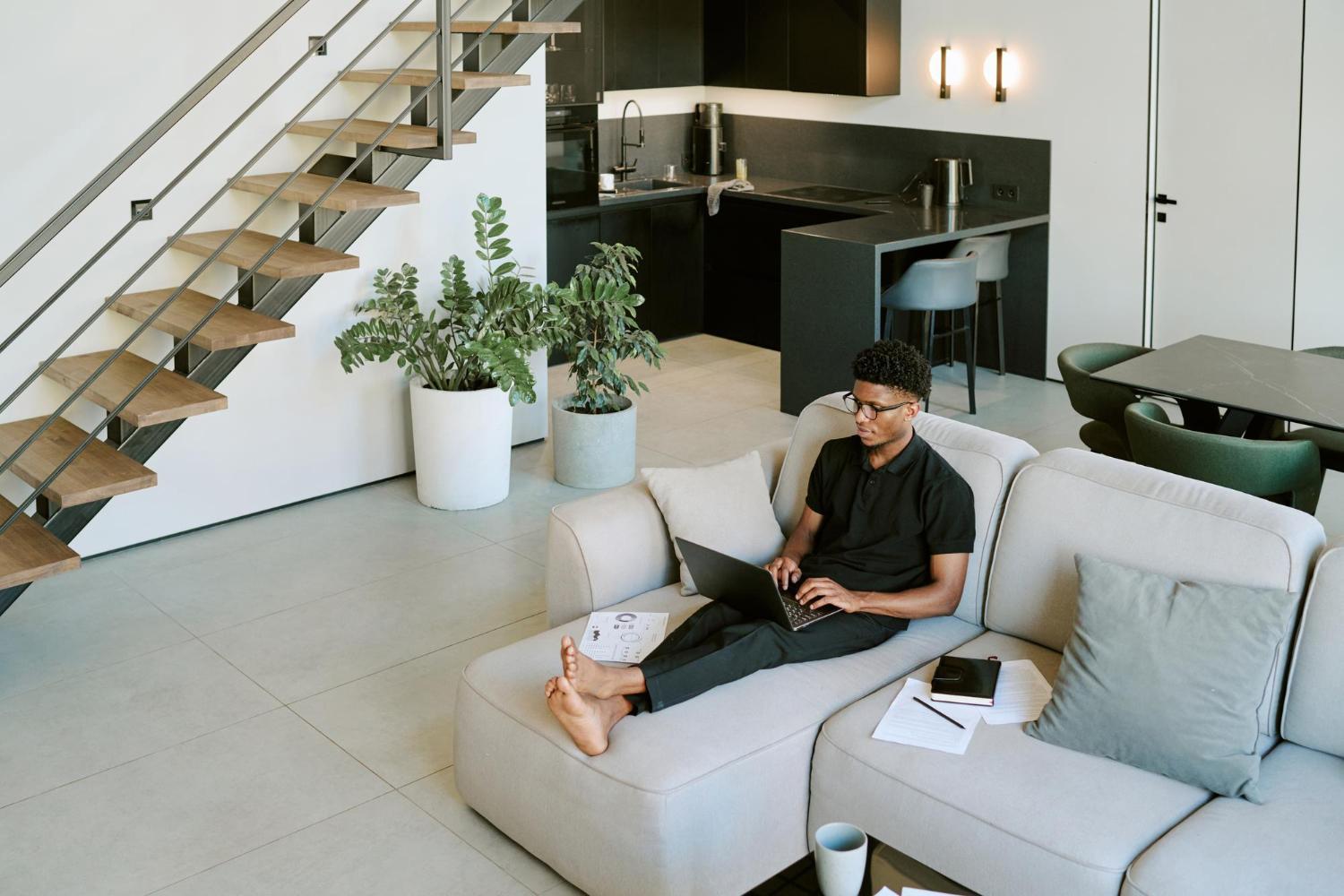
One of the defining characteristics of modern home design is honesty. Instead of designing for idealized routines, designers are increasingly focused on how spaces are truly used. Kitchens double as gathering places. Bedrooms serve as quiet work zones. Living rooms shift between entertainment and rest.
This reality has pushed design toward adaptability. Furniture is lighter and more modular. Storage is integrated rather than added later. Lighting is layered to support different moods and tasks. The goal is not perfection, but responsiveness.
According to architectural guidance from the U.S. Green Building Council, adaptable spaces tend to remain functional longer because they can evolve alongside occupants’ needs. This longevity is increasingly important as homeowners seek designs that won’t feel outdated or restrictive within a few years.
The Role of Invisible Systems in Comfortable Living
While visual elements define a home’s character, invisible systems often determine how enjoyable it is to live in. Heating, cooling, power management, and sound insulation all shape comfort without being seen. When these systems are reliable, they disappear into the background. When they’re not, they dominate attention.
Modern design increasingly treats these systems as foundational layers rather than afterthoughts. Planning them early allows the visible design to remain clean and intentional. It also reduces the need for compromises later, such as exposed wiring or awkward retrofits.
The International Energy Agency has emphasized that homes designed with integrated systems tend to perform more efficiently over time, reducing strain on both occupants and infrastructure. Although these considerations may not be visible in a finished room, they play a key role in how that space feels day after day.
Comfort as a Form of Visual Simplicity
Comfort is often discussed in physical terms, but it also has a visual dimension. Spaces that feel calm are usually those with fewer competing elements. Clean lines, balanced proportions, and intentional placement allow the eye to rest.
This doesn’t mean minimalism is the only solution. Instead, it suggests that every element should have a purpose. When objects, furniture, and finishes work together, a room can feel rich without feeling crowded.
Interior designers frequently emphasize that visual simplicity supports mental clarity. Research shared by Harvard Medical School suggests that orderly environments can reduce cognitive overload, making it easier to relax and focus. In a home setting, this translates into spaces that support both productivity and rest without drastic changes.
Sustainability Through Longevity, Not Trends
Sustainability in home design is increasingly tied to durability rather than novelty. Instead of chasing trends that require frequent updates, homeowners are prioritizing materials and layouts that age well. Timeless design reduces waste by extending the life of interiors.
This approach also supports financial sustainability. Spaces designed to adapt over time require fewer renovations, saving resources and reducing disruption. The emphasis shifts from replacement to refinement.
The Environmental Protection Agency has highlighted that extending the lifespan of building materials and home systems is one of the most effective ways to reduce environmental impact at the residential level. Thoughtful design, in this sense, becomes an environmental choice even when sustainability isn’t the primary motivation.
The Emotional Impact of Thoughtful Design
A well-designed home does more than look good. It shapes how people feel when they enter, move through, and leave a space. Small frustrations, lack of storage, awkward layouts, poor lighting, add up over time, subtly influencing mood and stress levels.
Conversely, homes that are designed around real habits tend to feel supportive. They accommodate imperfection. They allow objects to exist without clutter. They make transitions between activities smoother.
This emotional dimension is often what distinguishes a house from a home. It’s not about impressing visitors, but about creating an environment that supports everyday life without demanding constant adjustment.
Looking Forward: Homes That Evolve With Their People
As lifestyles continue to change, homes will need to keep evolving. Remote work, blended schedules, and shifting family dynamics all place new demands on residential spaces. The most successful designs will be those that anticipate change rather than resist it.
By focusing on flexibility, personalization, and reliable systems that stay out of sight, modern homes can remain functional and comfortable across years and even decades. Design, in this context, becomes less about making statements and more about supporting life as it unfolds.
In the end, a well-designed home doesn’t just reflect who people are today. It leaves room for who they might become tomorrow.