

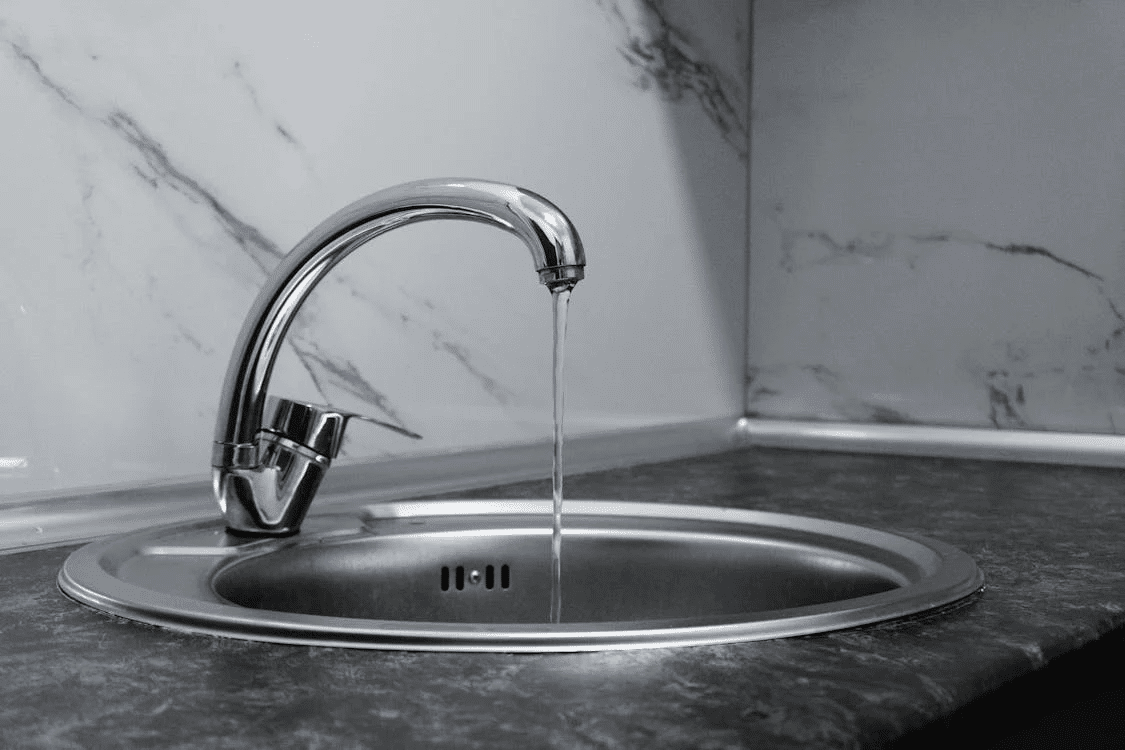
Installing a kitchen sink often seems like a simple job. However, many sink problems do not become apparent until they create a leak, odor, or damage your home’s structure. Knowing what issues can arise during the installation of a kitchen sink will allow you to avoid paying for repairs that could have easily been prevented, and save you from long-term headaches.
Incorrect Measurements
Most sink installation problems stem from measurement errors. You need to take into account the cabinet size, thickness of the countertop, the position of the faucet and location of the drain, not just the sink opening. If even one of these is wrong, either the sink will not sit properly or the plumbing connections will be forced to sit awkwardly.
The cost implications of incorrect measurements can be significant. If your sink does not fit, you may need to re-make your worktop, or replace it completely, thus driving your kitchen countertop cost up in a very short amount of time.
By taking accurate measurements and double-checking the manufacturer’s specifications before you begin the installation process for your new sink, you can avoid these issues all together.
Insufficient Sealing and Waterproofing
The first sign that you might have water damage often comes long after the problem starts. It typically starts with an insignificant crack that you cannot see at first glance. An area that is poorly sealed at the rim of a sink will let moisture seep through to your countertop and cabinets under the sink. Over time, this moisture will cause your materials to swell, warp or grow mildew.
To install your sink properly, you must use a continuous, high-grade silicone caulk evenly applied around the perimeter of where the sink meets your counter. You should also be patient while installing your sink and refrain from using it until the silicone has cured. Proper waterproofing will remain in the kitchen without any visible signs of wear for several years.
Over-tightening of Hardware
Many people believe the tighter the hardware, the better the integrity of the installation. However, over-tightening sink clips, drain assemblies, or faucet connections can actually result in damage. Excessive torque will result in cracks in ceramic sinks, distortion in metal sinks and stripping of threads from fittings.
Most of the fittings used in installing a sink are designed to be installed tightly. However, they must be installed with a light touch. Apply just enough pressure to achieve a solid hold. Tightening further usually causes more harm than good
Bypassing the Leak Detection Test
Disregarding leak testing is an enormous gamble that typically leads to losses. Minor leaks can go undetected for a very long time. Even if everything seems to be connected correctly, it is possible for minor leaks to remain undetected until after cabinetry has been installed a sink has been placed.
If you want to test for leaks in your house, try doing it by running the water from your taps for several minutes, then visually inspect all of the supply lines coming from the faucet and all of the drain pipes going down to the sink.
This will give you an accurate representation of whether any of those connections have been leaking. If you have any leaks, you can address them before they turn into significant issues.
Improper Drain Piping Slope
Drain pipes depend on gravity to work. Thus, a pipe’s slope also plays an integral role in obtaining effective drainage. If your pipes are too flat, they will catch too much water resulting in slow drainage and debris trapped in the pipe system. On the other hand, if pipes are too steep, solids cannot remain settled on the bottom of the pipe resulting in many clogs over time.
Having an appropriate drainage slope ensures that there will be no stagnant water or waste left sitting in the pipes. The impact of an incorrect drainage slope may be delayed. However, as time passes you are likely to experience reoccurring plumbing problems and/or unpleasant odors.
When to Hire a Professional Installer
Although there are many sink installations that seem easy to do, there are also times when hiring a pro is a wise choice. When your sink installation requires modifying plumbing lines, cutting or modifying countertops, correcting slope issues for drain lines, or working with expensive or fragile materials, the likelihood of making costly errors dramatically increases.
A licensed plumber or qualified installer can identify issues with the installation, verify that everything is up to local building code, and help you avoid future repairs. In many cases, hiring a pro early in the project may actually save you money as opposed to needing to fix a broken pipe, structural damage, or an improper installation later.
Endnote
The installation of a new kitchen sink is more than just aesthetics. It is also about performance and protection. Failing to pay attention to detail while installing your new can lead to costly long-term damage to your home. By being aware of frequently encountered issues like the above, you’ll help guarantee that your sink functions effectively, your kitchen remains dry, and your investment retains its value.