

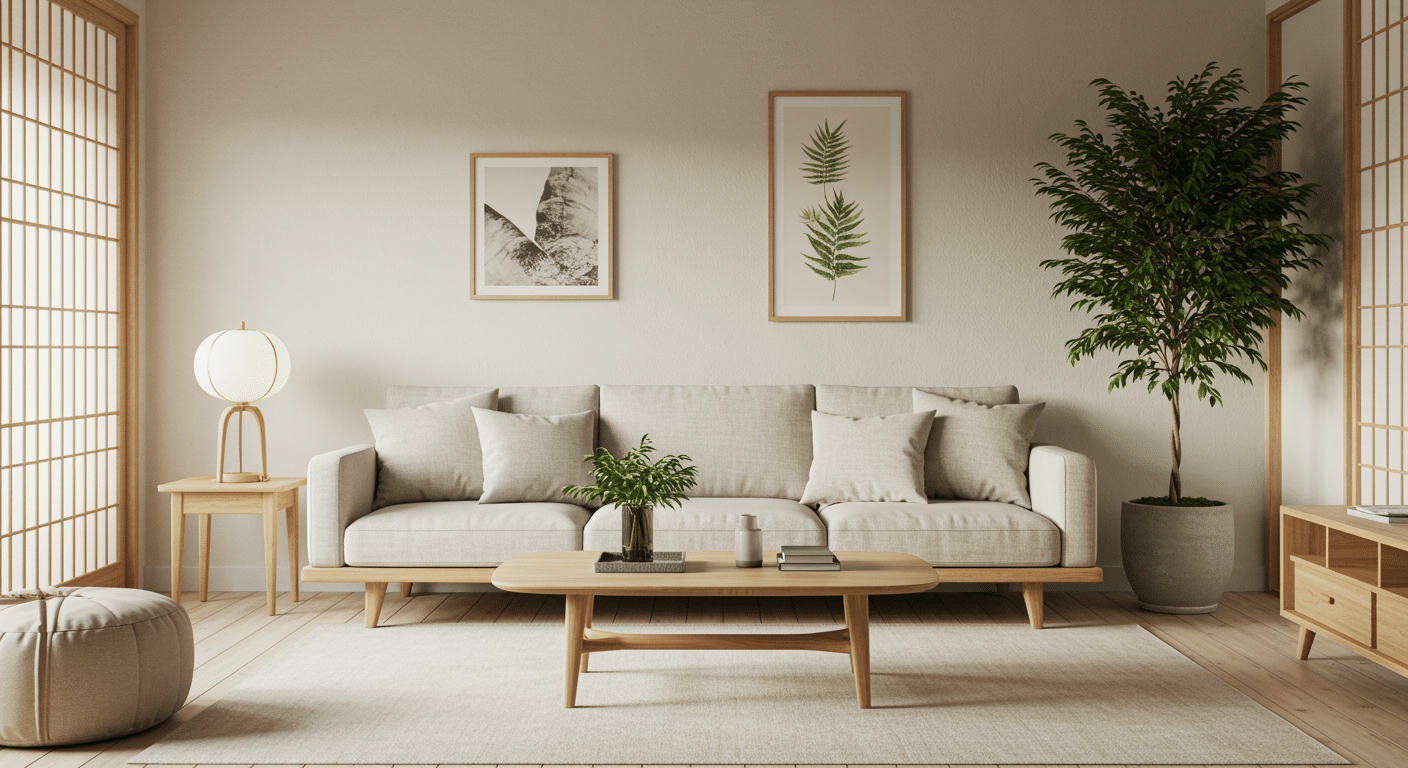
Ready to bring calm and beauty into your space? Wabi sabi interior design offers a refreshing approach to home decorating that celebrates imperfection and natural elements.
This Japanese philosophy turns your home into a peaceful retreat. This design approach doesn’t require expensive renovations or perfect furniture.
Instead, it honors what you already own and finds beauty in everyday objects.
Through thoughtful choices and mindful placement, your home becomes a sanctuary that feels both lasting and deeply personal.
What is Wabi-Sabi Decor?
Wabi sabi is an ancient Japanese concept that finds beauty in things that are imperfect, impermanent, and incomplete.
The philosophy teaches us to appreciate natural aging, simple living, and authentic materials. In wabi-sabi, it means choosing rough pottery over shiny ceramics.
This approach values the marks that time leaves behind, like cracks in old bowls or faded fabric on vintage chairs.
Rather than hiding flaws, wabi sabi celebrates them as signs of character and history. The style creates spaces that feel lived-in, comfortable, and real.
It reminds us that nothing lasts forever, which makes each moment and object more precious and meaningful.
Room-Specific Ideas of Wabi Sabi Decor
Each room in your home offers unique opportunities to embrace natural beauty and simple, imperfect design elements thoughtfully.
1. Living Room
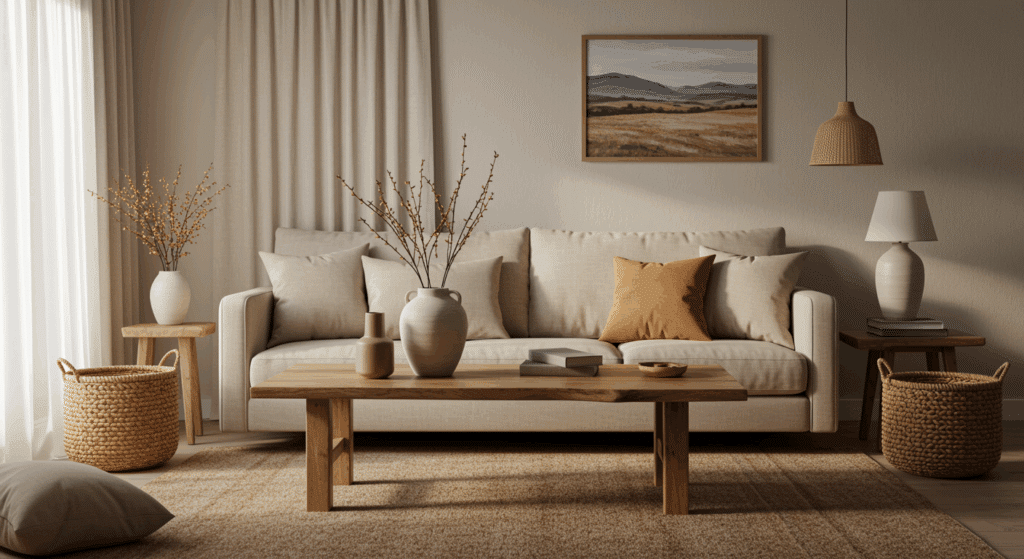
Change your living room with a low wooden coffee table showing natural grain patterns and knots.
Add linen cushions in earthy tones like beige, gray, or soft brown on a simple sofa. Place a handmade ceramic vase with dried branches or single stems on side tables.
Choose woven baskets for storage instead of plastic bins. Hang artwork with visible brush strokes or natural landscapes.
2. Bedroom
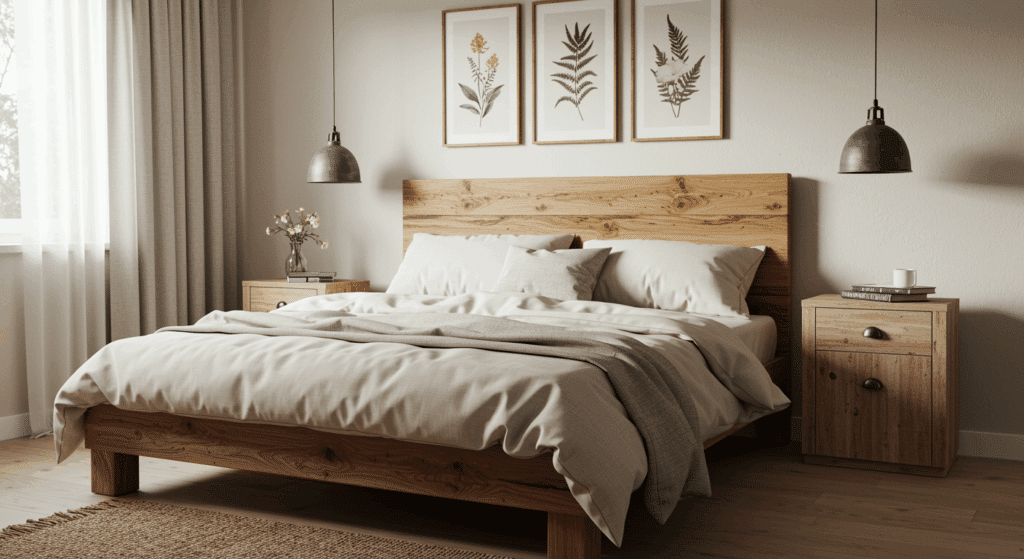
Create a peaceful bedroom using natural cotton or linen bedding in neutral shades without bold patterns.
Select a wooden bed frame with visible wood grain, even if it has minor marks or variations. Place a ceramic lamp on a bedside table made from reclaimed wood.
Hang sheer curtains that filter light rather than blocking it. Add a single plant in a clay pot for freshness. Keep nightstands minimal with just essentials like a book.
3. Bathroom
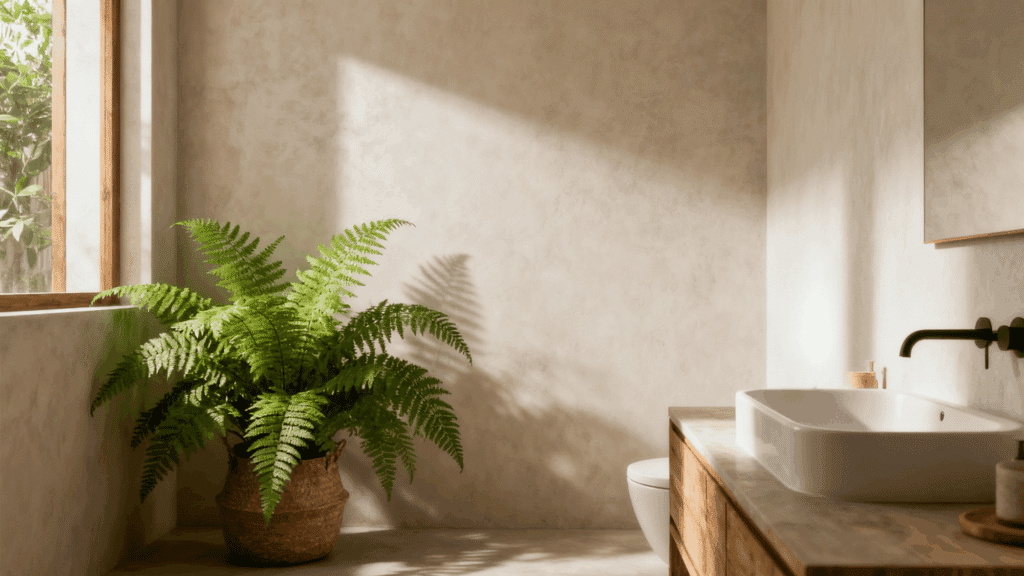
Design your bathroom around natural stone or wood elements, even in small doses, like a wooden stool or stone soap dish.
Replace plastic bottles with glass or ceramic containers for toiletries. Hang simple cotton towels in white, cream, or light gray instead of bright colors.
Add bamboo bath mats that bring warmth and organic texture to tile floors. Place river rocks in a shallow bowl as decoration near the sink.
4. Dining Room
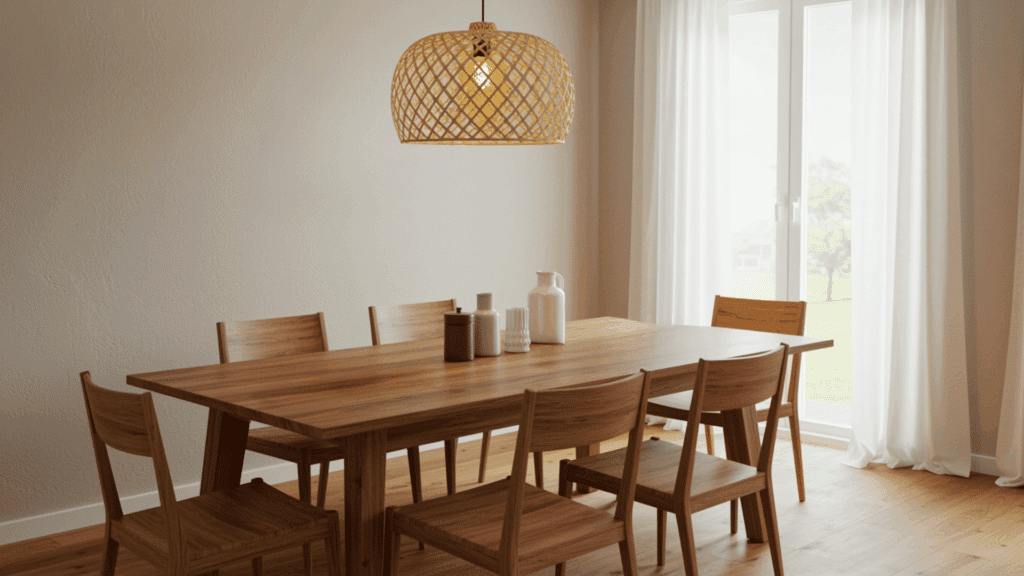
Set your dining table with handmade pottery plates that show the maker’s touch through slight variations in shape or glaze.
Use wooden serving boards and bowls instead of matching dish sets. Choose linen napkins in natural colors rather than paper or synthetic materials.
Place a simple centerpiece like stones, driftwood, or a single flower stem in a clay vessel. Select chairs with styles or finishes that still work together in similar tones.
5. Kitchen
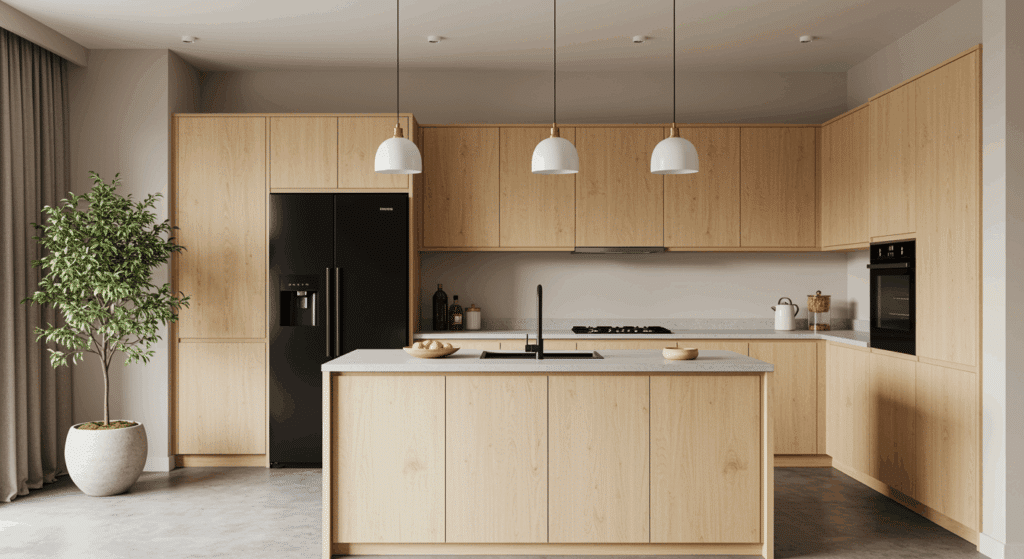
Organize your kitchen using open wooden shelving to display dishes. Choose ceramic canisters with lids for storing dry goods instead of plastic containers.
Display wooden cutting boards and utensils in crocks on the counter. Add a small herb plant in a terracotta pot near the window.
Use stone or wooden trivets for hot pots instead of synthetic materials. Select dish towels in natural fibers like cotton or linen in muted shades.
6. Home Office
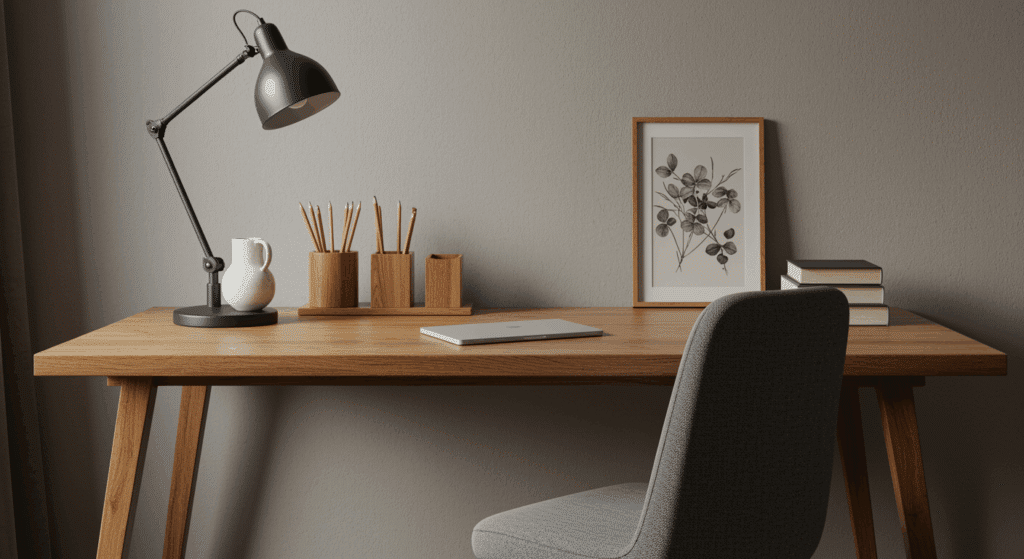
Build your workspace around a solid wood desk with natural imperfections rather than laminate or glass surfaces.
Use a ceramic pencil holder and a wooden desk organizer for supplies. Choose a comfortable chair with natural fabric covering in gray or brown tones.
Add one meaningful art piece or photograph in a simple frame on the wall. Use natural light as much as possible, positioning your desk near a window.
7. Entryway
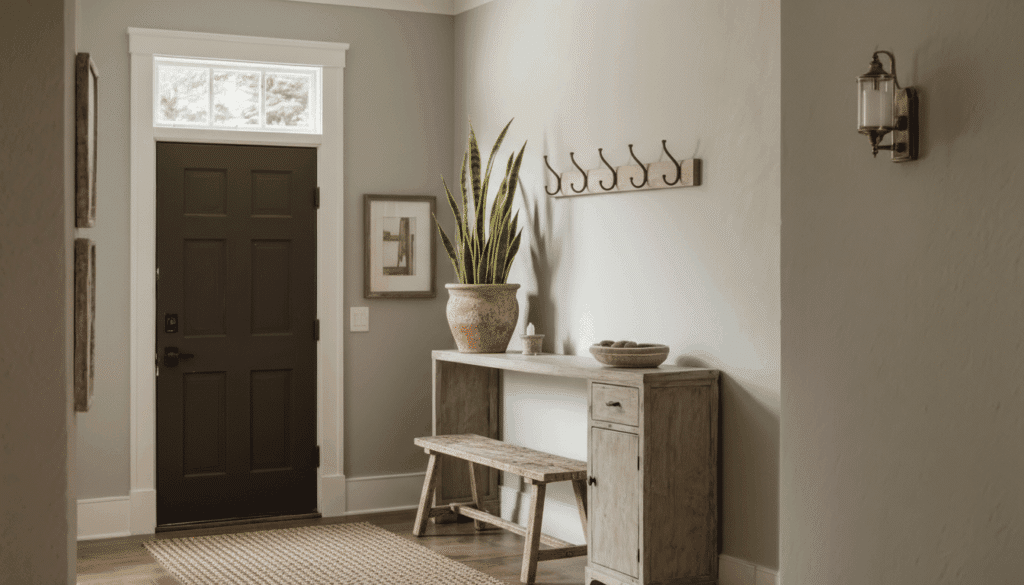
Welcome guests with a wooden bench for removing shoes, showing natural wood character and age. Hang coats on the wooden pegs rack mounted to the wall.
Place a handwoven basket or wooden crate near the door for keys and mail. Add a clay pot with a hardy plant that tolerates lower light conditions.
Use a natural fiber doormat in neutral colors rather than synthetic materials. Include a small mirror with a plain wooden frame for last looks before leaving.
8. Reading Nook
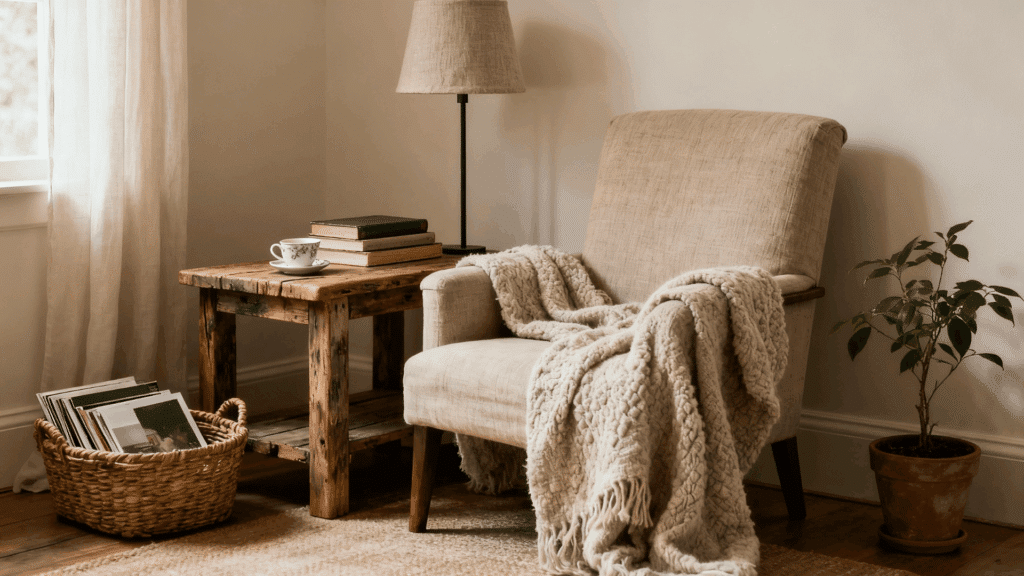
Create a cozy reading corner with a comfortable chair upholstered in natural fabric like linen or cotton.
Add a small side table made from reclaimed wood or a tree stump for holding books and tea. Place a soft throw blanket with a visible weave across the chair.
Position a simple floor lamp nearby with a fabric shade for gentle, warm light. Include a woven basket at your feet for storing current reading materials.
Important Styling Tips for Wabi Sabi Interior Design
Follow these essential guidelines to successfully bring the peaceful philosophy of wabi sabi into every room of your home.
- Natural materials: Choose wood, stone, clay, linen, and cotton over synthetic options for authentic warmth.
- Neutral palette: Stick with earthy tones like beige, gray, cream, and brown throughout your space.
- Embrace imperfection: Display items with cracks, fading, or wear rather than hiding these beautiful characteristics.
- Quality craftsmanship: Select fewer handmade pieces over many mass-produced items to honor skilled work.
- Minimal clutter: Keep surfaces clear and display only meaningful objects that truly serve your daily life.
- Organic shapes: Choose items with irregular forms and natural curves instead of perfectly geometric designs.
Role of Light and Shadows in the Wabi Sabi Style
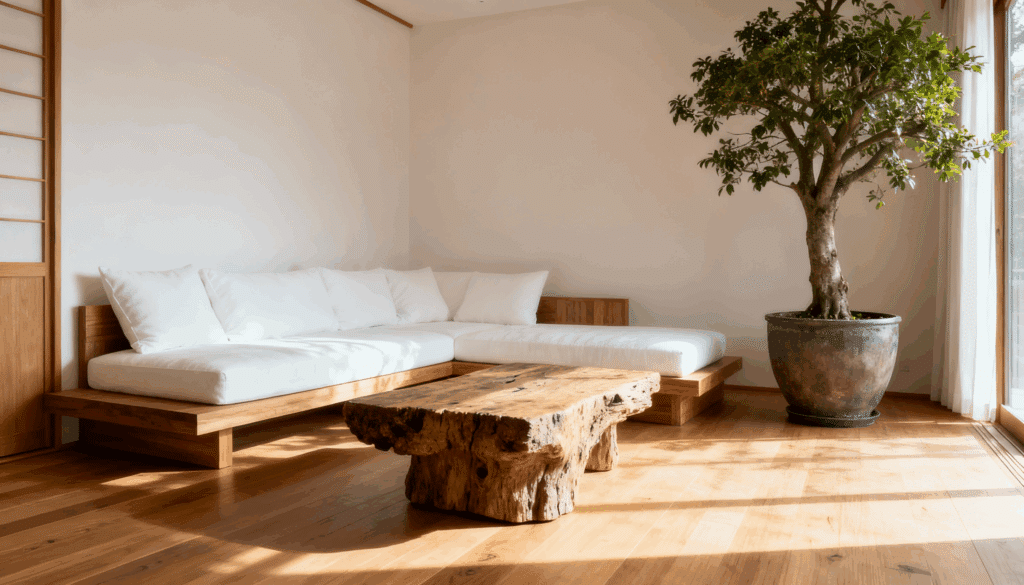
Light and shadow play a vital role in wabi sabi interior design by creating depth, mood, and connection to nature’s rhythms.
Natural light changes throughout the day, casting different shadows that make spaces feel alive and dynamic.
This philosophy values soft, diffused light over harsh, bright illumination that flattens a room. Shadows add dimension, highlighting textures in wood.
Rather than eliminating dark corners, wabi sabi embraces them as part of a room’s character. Sheer curtains filter sunlight gently, creating meditative atmospheres.
Candlelight and simple lamps provide a warm evening glow that feels human-scaled and comforting.
Common Mistakes to Avoid in Wabi Sabi Style
Recognizing these common errors helps maintain the genuine, organic feel that makes wabi sabi design so appealing.
- Overly sparse: Stripping rooms bare creates harsh emptiness instead of the inviting simplicity this style celebrates.
- Buying distressed: Purchasing pre-aged furniture lacks originality compared to items that have earned character through actual years.
- Cool undertones: Selecting icy shades rather than warm hues makes interiors feel institutional instead of nurturing.
- Style blending: Merging this philosophy with other design trends waters down its distinct character and peaceful essence.
- Beauty priority: Choosing looks over comfort contradicts the livable, practical foundation that defines genuine wabi sabi homes.
- Staged precision: Arranging items in calculated perfection removes the relaxed, organic atmosphere that makes spaces feel real.
Conclusion
You now have the knowledge to change your home using wabi sabi interior design principles that honor simplicity and natural beauty.
The beauty of the wabi sabi lies in accepting imperfection rather than chasing unattainable ideals of perfection.
Your home becomes a reflection of real life, with all its best irregularities and changes over time.
Each mindful change brings more calm to your environment. Begin your changes today and find out how embracing imperfection creates the perfect home for you.