

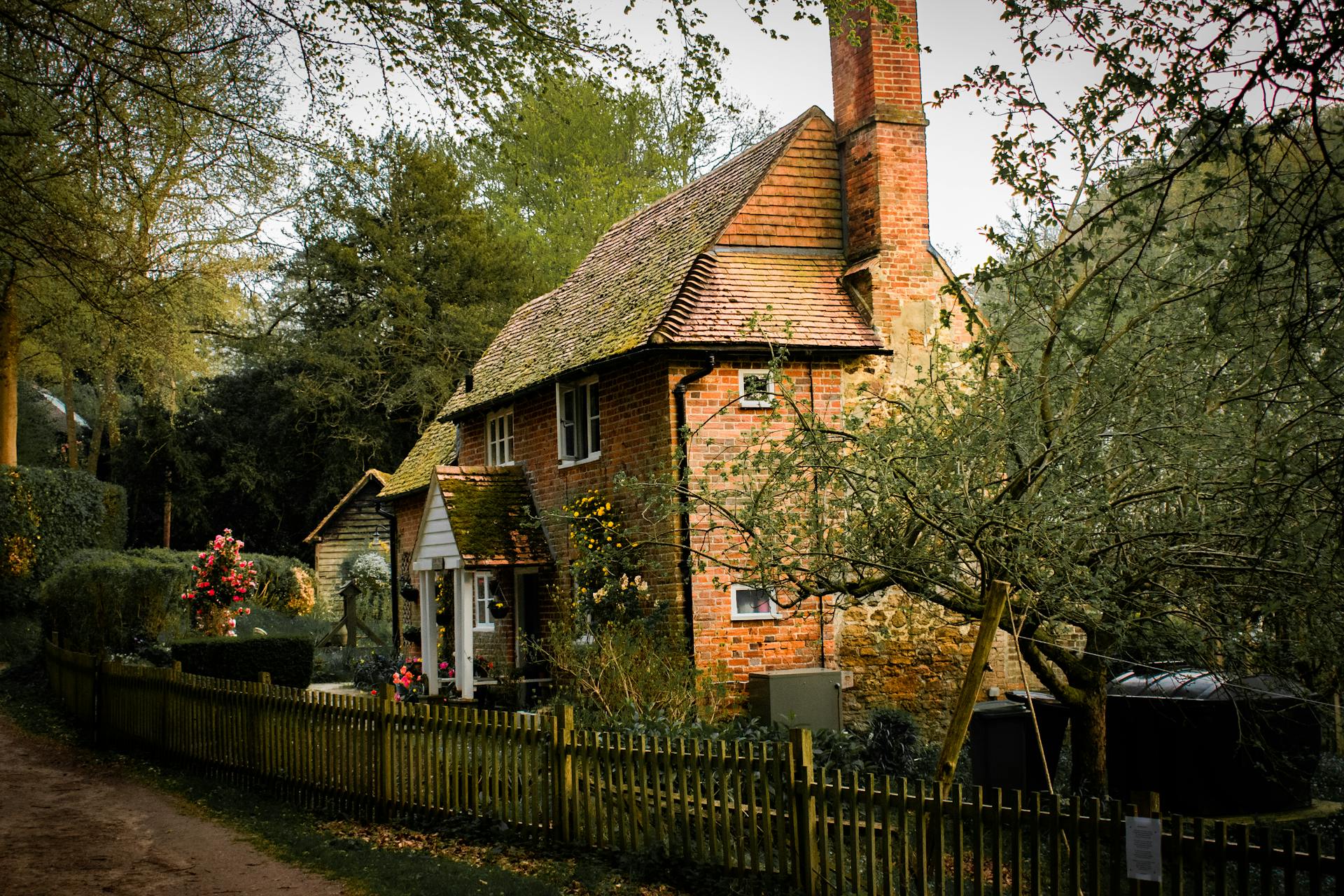
Homeowners tend to ignore the small exterior elements of their houses because time passes without notice. The exterior of homes shows its age through fading colors, worn-out panels, and outdated materials, which become less noticeable with time.
Minor signs of aging on your home diminish its exterior appeal and market value. Your home will undergo a complete transformation through siding replacement, delivering immediate modernization. The current siding materials offer modern designs with extended lifespans and permanent, attractive appearances.
This guide presents the top contemporary siding options, their distinctive features, and guidance on selecting the best choice for your home.
Why Siding Matters More Than You Think
Siding functions as a protective barrier that extends beyond its aesthetic value. The exterior appearance of your home depends on siding, which serves as both a protective barrier against weather elements and a thermal insulator. Homeowners often ask why is siding so expensive, and the answer becomes clear when you consider how quickly the exterior appearance deteriorates once siding develops cracks, warps, or loses its original color.
Modern siding systems address multiple issues that traditional siding materials failed to handle. The new materials demonstrate superior performance against water damage, insect infestations, color degradation, and fire exposure when compared to previous generations of siding products. They also help maintain stable indoor temperatures, thereby reducing energy consumption. A new exterior design not only enhances your home’s appearance but also gives you confidence in its structural condition.
Top Modern Siding Options That Transform Your Home

There’s no single “best” siding material for every house. Each has a distinct look, performance level, and cost. What matters is matching the right material to your needs, style, and long-term goals.
1. Fiber Cement Siding
The modern siding market favors fiber-cement siding for its exceptional performance. The product duplicates the appearance of wood and paneling while providing superior durability compared to traditional natural materials. The material resists decay and warping and maintains its structure when exposed to extreme weather conditions and fire hazards.
Homeowners can choose fiber-cement siding in various styles, including lap siding, shingles, vertical panels, and large architectural boards. The product maintains its color stability, reducing the need for painting throughout its lifespan. The product suits both traditional Craftsman homes and contemporary modern architectural designs.
Homeowners receive excellent long-term value from their investment because fiber cement siding requires minimal upkeep and lasts for many years.
2. Engineered Wood Siding
Engineered wood products have gained widespread acceptance because they offer an authentic wood appearance with minimal maintenance requirements. The production process for engineered wood involves combining wood fibers with resins to create a strong, moisture-resistant material that installs easily.
The installation process becomes simpler because engineered wood products weigh less and arrive ready for finishing, thereby shortening project duration and minimizing material waste. Engineered wood provides an excellent choice for creating a welcoming exterior design that maintains contemporary style. The material works effectively with neutral color schemes, dark trim accents, and simple design elements.
The product costs moderately and will last many years when users follow all recommended maintenance steps from the manufacturer.
3. Vinyl Siding (Upgraded and Modernized)
The development of vinyl siding has undergone significant changes since its initial release. Modern vinyl siding now offers insulated boards, enhanced texture options, improved colorfastness, and better resistance to color fading. Homeowners who seek budget-friendly exterior enhancements with attractive results should strongly consider this product category.
The product offers extensive design options, which is a significant advantage. The product allows users to achieve various design effects through board-and-batten patterns, shingle details, and traditional horizontal siding arrangements. The product offers both budget-friendly pricing and simple maintenance, making it an excellent choice for homeowners who need quick results.
4. Metal Siding (Steel or Aluminum)
The architectural style of metal siding creates an unmistakable modern appearance. The contemporary design of metal siding features its vertical layout, matte finish, and straight lines, which appeal to homeowners who want modern mountain or desert retreats.
The material provides excellent functionality to users. Metal siding offers protection against fire and insects, withstands harsh weather conditions, and maintains its appearance without fading. The material has recyclable properties and requires minimal maintenance, thereby enhancing its long-term value. Homeowners who want a durable exterior with a streamlined look will find metal siding worth the initial investment because it lasts longer than other materials.
The combination of metal siding with wood or stone elements creates an attractive design contrast.
5. Natural Wood and Cedar Siding
Natural wood remains unbeatable for warmth and character. Cedar, in particular, brings color depth and a timeless feel that manufactured materials imitate but never quite replicate. Modern finishes and stains help wood fit into contemporary designs rather than looking rustic or traditional.
The trade-off is maintenance. Wood requires regular care to protect it from moisture, sun exposure, and pests. If you’re willing to invest time or hire help for upkeep, the payoff is an exterior with unmatched charm. It’s a luxury material, and it shows.
How to Choose the Right Siding for Your Home
Choosing the right siding comes down to balancing several factors—not just aesthetics.
- Climate: Humid, rainy, coastal, or fire-prone areas each favor different materials. Fiber cement and metal thrive in harsher environments.
- Budget: Vinyl is the most cost-effective. Engineered wood offers a middle ground. Fiber cement and metal tend to sit higher on the scale.
- Maintenance Level: If you want a low-effort exterior, avoid natural wood unless you love upkeep.
- Architectural Style: Some materials match certain homes better. Modern homes lean toward fiber cement panels or metal. Traditional homes often shine with lap siding or engineered wood.
- Longevity: Think beyond the upfront cost. A material with a longer lifespan or stronger warranty can be a better investment.
Design Tips to Boost Beauty and Value
Small design decisions make a big difference in how modern the siding looks.
- Choose a timeless color palette like charcoal, warm whites, soft taupes, and deep greens are trending but restrained.
- Mix textures and materials to create depth. Wood against metal, or smooth panels with board-and-batten accents, enhances dimension.
- Play with orientation. Vertical siding adds height and a contemporary edge.
- Upgrade trim and lighting. These details sharpen the final look and make the exterior feel cohesive.
- Refresh landscaping and the front door to support the new siding rather than compete with it.
Before & After: What You Can Expect
New siding immediately changes the face of a home. Most projects take 1 to 2 weeks once the materials are ready. The difference is often dramatic: stronger lines, richer color, a cleaner silhouette.
Beyond appearances, homeowners often notice better insulation, fewer drafts, and reduced energy use. Appraisers and buyers also respond well to siding upgrades, which tend to deliver strong ROI and faster resale.
Final Thoughts
When your home no longer inspires you, siding is one of the surest ways to bring back that sense of pride. Today’s materials offer cleaner aesthetics, better durability, and real long-term value. With the right choice, you don’t just refresh the exterior—you elevate the whole home.