

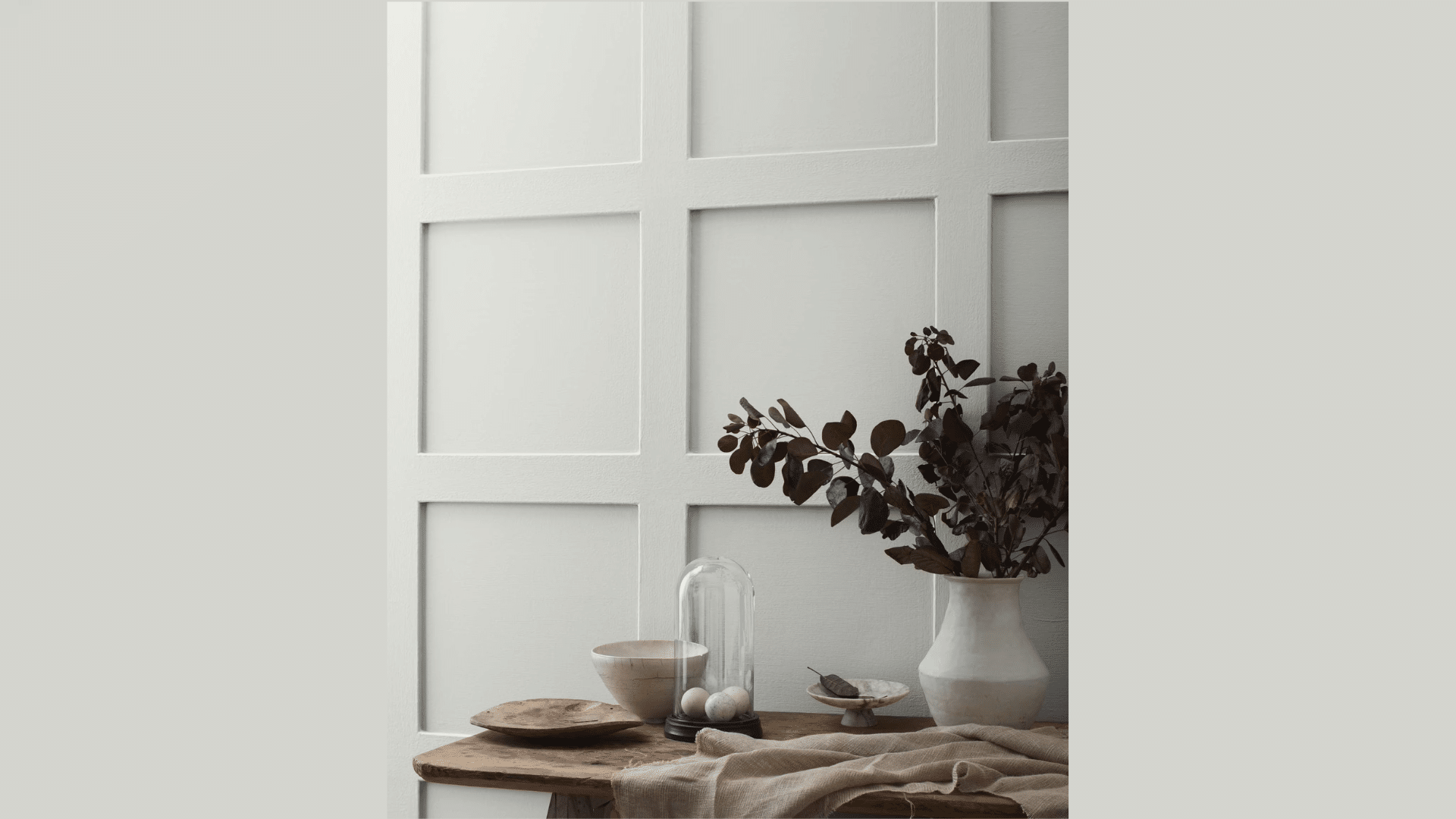
Benjamin Moore’s Gray Owl is a popular neutral gray that many people use when they want a calm and easy paint color.
I’ve used it in different rooms, and I know how tricky it can be to choose the right shade. You want a color that feels calm, works with your light, and doesn’t turn too cool or too warm once it’s on the wall.
In this review, I’ll share what Gray Owl really looks like in everyday spaces.
You’ll see how it behaves in natural and artificial light, the undertones you should know about, and where it works best in a home.
If you want to update a room and need a reliable gray paint, this article will help you understand if Gray Owl is the right choice for your space.
And by the end, you’ll know exactly what this color offers and if it fits the look you want.
Color and Product Overview of Gray Owl
Benjamin Moore’s Gray Owl has the official color code2137-60, and it comes in the brand’s standard interior and exterior paint options.
It’s known as a soft, neutral gray that leans slightly cool in some lighting and a bit warmer in others.
The overall tone stays light and clean, which makes it easy to use in many homes.
People often choose this shade for living rooms, bedrooms, hallways, and open layouts because it sits well with different decor styles.
Gray Owl also works in kitchens and bathrooms, where you want a shade that feels steady without looking too bold.
Since it has a calm look, it’s a practical pick for anyone who wants a simple gray that stays consistent in most spaces. Gray Owl’s balanced tone is the main reason many homeowners and designers return to it again and again.
LRV and Technical Specifications of Benjamin Moore’s Gray Owl

Benjamin Moore’s Gray Owl has an LRV of64.51, which means it reflects a good amount of light and stays bright without looking washed out.
A higher LRV helps a room feel more open, so this shade works well in spaces that need a lighter touch.
Gray Owl’s cool base and soft undertones help it shift slightly with changing light, but it still stays steady enough for everyday use.
It’s also part of the Color Preview collection and comes in both interior and exterior formulas, so homeowners can use it across different projects.
Since it’s known for clean coverage and a smooth finish, it’s a practical choice if you want a gray that’s easy to work with.
These technical details make it easier to predict how the color will behave and how it will look once it’s on the wall.
Key Features that Define Gray Owl
Gray Owl offers a light, steady look that works well in many homes. Its balanced tone makes it useful in spaces with different lighting and styles.
1. Versatile Tone for Many Rooms
Gray Owl’s light gray base helps it work in living rooms, bedrooms, hallways, and open layouts without feeling too cool or too warm.
It stays consistent in most lighting, which makes it helpful when you want a shade that won’t shift dramatically through the day.
The tone pairs well with warm wood floors, crisp white trim, and darker accent colors, so it fits a wide range of setups.
Its flexible nature makes it an easy choice for homeowners who want one color that performs well in many parts of the home.
2. Works with Modern and Classic Styles
Gray Owl supports both modern and traditional looks because of its steady and simple tone.
In modern rooms, it works well with clean lines, metal finishes, and soft neutral layers. In classic spaces, it sits comfortably beside natural wood, traditional trim profiles, and softer color palettes.
The color blends smoothly with mixed styles, making it a dependable backdrop for furniture changes over time.
Since it doesn’t fight for attention, it helps create a room that feels pulled together without extra effort. This adaptability is one of the reasons so many designers reach for it.
3. Reliable in Changing Light
Gray Owl handles shifting light better than many light grays. Its cool undertones help it avoid turning muddy in low light, while the higher LRV keeps it looking bright in sunny rooms.
This balance is helpful in homes where morning and afternoon light create very different moods.
It stays steady enough to avoid sudden color surprises, which makes planning decor much easier. Homeowners often pick it for spaces like living rooms and kitchens, where the lighting changes often.
Its predictability is a key part of what makes it such a safe and practical paint option.
4. Easy to Coordinate with Other Colors
Gray Owl works well with a wide range of paint colors, which makes planning a whole-home palette smoother.
It pairs nicely with soft whites, muted blues, gentle greens, and medium-toned neutrals. This gives homeowners simple ways to build color flow without worrying about strong undertones clashing.
Since it doesn’t overpower nearby shades, it supports both light and dark contrasts equally well.
This strength makes it a smart anchor shade when you want a cohesive look across multiple rooms.
5. Practical for Everyday Living
Gray Owl’s steady appearance makes it useful for busy homes where you want a color that is easy to live with.
It hides minor wall flaws better than stark whites and feels comfortable in spaces used daily. The tone creates a calm base that lets decor, artwork, and furniture stand out naturally.
It also adapts well as styles change, so homeowners don’t have to repaint as often.
This mix of comfort, flexibility, and long-term ease is what keeps Gray Owl popular year after year.
Undertones and Lighting Behavior
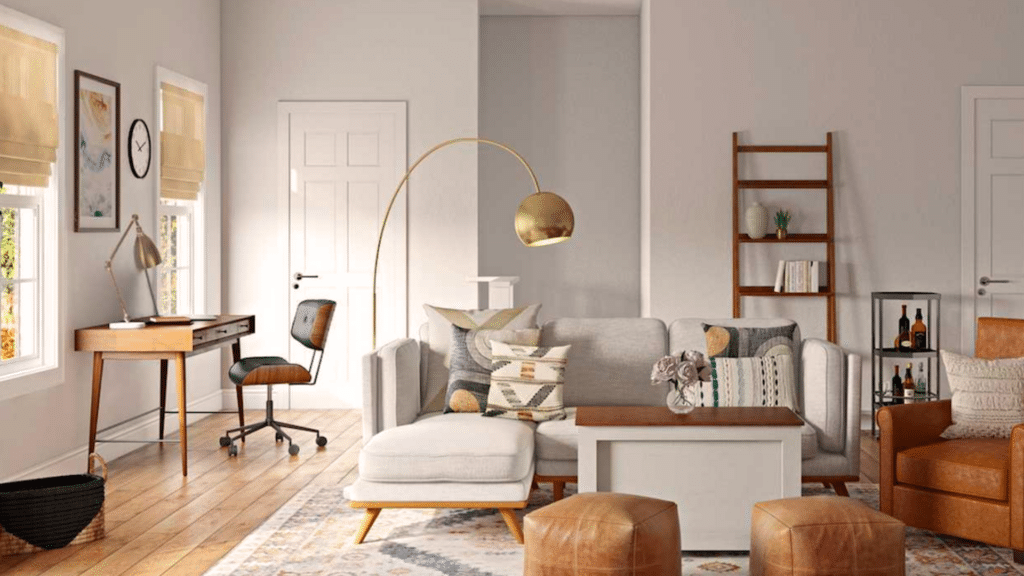
Gray Owl has soft green undertones that appear in certain lighting, but they stay mild enough to keep the color feeling steady.
You may also notice a slight cool cast, which is common in lighter grays.
In bright natural light, Gray Owl looks lighter and cleaner. In shaded rooms, the green hint can show a bit more, though it rarely becomes strong.
Under warm artificial light, the color softens and leans slightly warmer. Cool LED lighting can make it look crisper.
These shifts are normal and help you see how the shade reacts in real spaces.
Testing a sample on your wall is helpful because undertones change with light, and no room shows the color the same way.
How Gray Owl Compares to Similar Grays?
These quick notes will help you see how Gray Owl differs from nearby shades. They also show when each color works best in real rooms.
| Color | Tone & Undertone | How It Looks in Most Rooms | When Gray Owl Is the Better Choice |
| Gray Owl (2137-60) | Light gray with soft green undertones | Clean, slightly cool, steady in shifting light | Best when you want a balanced gray that works in many spaces |
| Classic Gray (OC-23) | Very light warm gray | Softer and warmer, almost off-white in bright spaces | Choose Gray Owl if you need more contrast and a cooler look |
| Stonington Gray (HC-170) | Cooler mid-tone gray with blue undertones | Deeper, moodier, and more noticeable in low light | Choose Gray Owl if you want a lighter, brighter, easier neutral |
Best Finishes for Gray Owl
These finish choices help Gray Owl look clean and consistent in different areas. Each option supports durability while keeping the color steady on the surface.
1. Best Finish for Walls
Eggshell is the most common finish for Gray Owl on walls because it offers a soft look with enough durability for daily use.
It hides minor flaws better than flat paint and still keeps the color calm and even in changing light.
In high-traffic rooms, matte can also work if you want less sheen. Both finishes help the shade appear smooth without drawing attention to texture.
These options make Gray Owl feel steady and easy to maintain in busy spaces.
2. Best Finish for Trim
Semi-gloss is a strong choice for trim because it adds a clean, subtle shine that helps details stand out.
It also resists scuffs and wipes clean easily, which is helpful in hallways and living areas. When paired with Gray Owl on walls, semi-gloss trim creates a simple contrast that feels fresh without being harsh.
This finish highlights edges and frames without changing the overall tone of the paint.
It keeps trim and durable while staying easy to maintain.
3. Best Finish for Cabinets
Satin is a practical option for cabinets painted in Gray Owl because it offers a smooth surface with better durability than eggshell.
It handles frequent cleaning and daily use, which makes it dependable in kitchens and bathrooms.
Satin also avoids the high shine of semi-gloss, so the color stays soft and steady.
This finish works well when you want cabinets that hold up over time but still look simple and clean. It keeps Gray Owl consistent while supporting long-term wear.
Where to Buy Gray Owl Paint Samples?
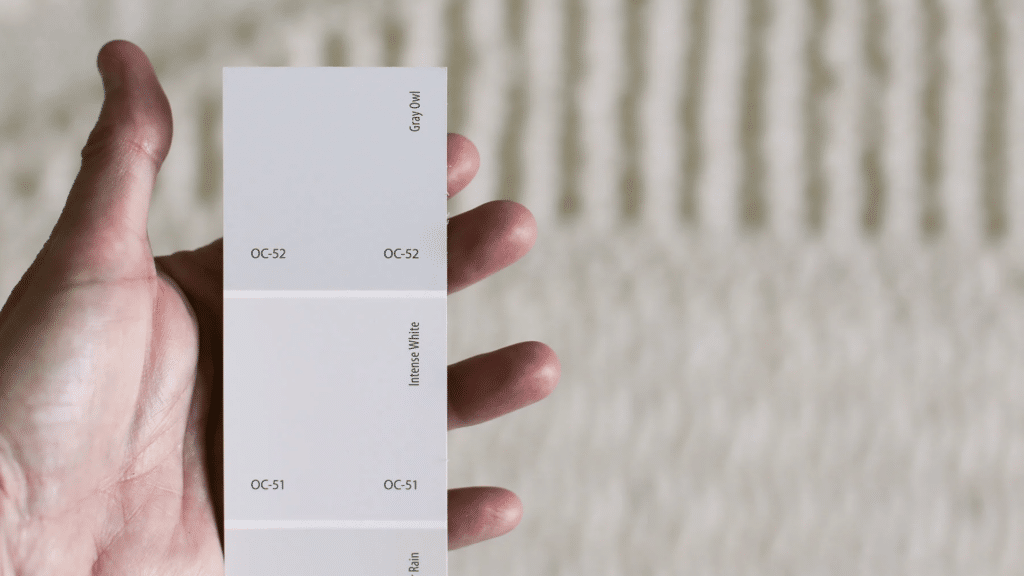
You can buy Gray Owl paint samples through the official Benjamin Moore website or at a local Benjamin Moore store.
They offer small sample pots that let you paint a section of your wall, which helps you see how the color reacts to natural and artificial light.
If you prefer a cleaner option, you can use peel-and-stick samples.
These sheets use real paint, so the shade you see is accurate without any mess.
They’re easy to move around and compare in different rooms. Sample pots work well when you want to check coverage, while peel-and-stick samples make testing fast and simple.
Both choices help you pick the right shade before buying full paint cans.
Conclusion
Gray Owl stands out because it’s steady, flexible, and easy to use in real homes.
It works in bright rooms, shaded corners, and everything in between, giving you a gray that doesn’t feel unpredictable.
If you want a color that supports different styles and stays calm on the wall, this shade is a dependable choice.
Still, every room has its own lighting, so testing a sample is the best way to see how it behaves in your space. Try a peel-and-stick sheet or a small sample pot before you decide.
And if you’ve used Gray Owl already, share your experience in the comments below. I’d love to hear how it worked in your home.