

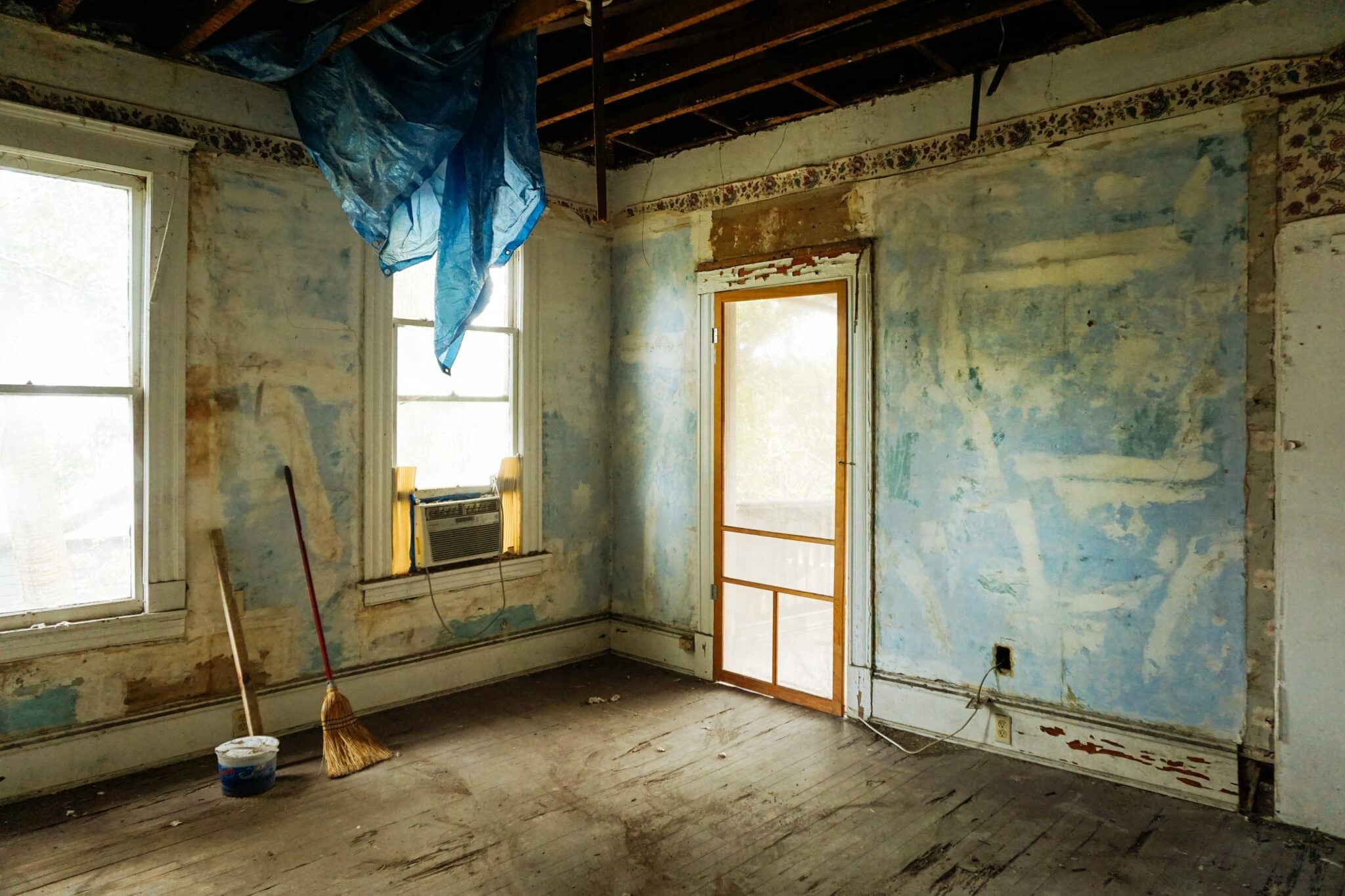
Preparing a home for major renovation or demolition is one of the most important steps in any rebuild or improvement project. In Sydney, where older homes are common and blocks are often tight, the preparation phase determines how smoothly the work will progress and how safely each stage can be completed. Homeowners may focus on design ideas and plans, but the groundwork that happens before construction begins is what protects the property, the workers, and the surrounding neighbourhood.
Whether the goal is a complete knockdown and rebuild or a large-scale renovation, preparation must be done with care. This involves structural checks, asbestos assessments, utility disconnections, site organisation, and coordination with a demolition company. Each task supports the next and ensures that nothing on the site becomes a hazard once work begins.
A well-prepared home is not only safer. It also reduces delays and costly issues during demolition or the early stages of renovation.
Understand the Scope of the Project
Before scheduling any work, homeowners need a clear understanding of what the project involves. A major renovation may require partial demolition. A full rebuild requires the complete removal of the structure. Knowing the scope helps determine the level of preparation needed and which specialists should be involved.
In Sydney, many older houses were built with materials that do not meet modern standards. Some contain asbestos, lead-based paint, or structural weaknesses that must be identified before demolition begins. A professional site assessment helps uncover these issues and guides the planning process.
Once the scope is clear, homeowners can create a timeline, organise finances, and coordinate with the relevant experts. This reduces confusion and helps the project move forward with fewer disruptions.
Arrange an Asbestos Check Before Any Work Begins
One of the most important steps in preparing an older Sydney home for renovation or demolition is a full asbestos assessment. Many homes built before the mid nineteen eighties contain asbestos in roofing, eaves, wall linings, flooring, insulation, and outdoor structures. These materials remain stable when untouched, but demolition or renovation can disturb them and release fibres into the air.
Asbestos removal requires planning, controlled work zones, and licensed professionals who understand risk management. Homeowners should arrange a check early so that any asbestos can be identified before the demolition company begins its work.
This is not only a safety requirement. It also prevents the project from stopping unexpectedly if asbestos is discovered later. Early testing ensures everyone involved can plan their work safely and responsibly.
Choose a Qualified Demolition Company
Even when homeowners are focused on renovation, some work may still involve tearing down internal walls, removing extensions, or stripping outdated structures. For complete rebuilds, the entire house must come down.
A qualified demolition company is essential for these tasks. Demolition projects in Sydney require strict planning, especially in neighbourhoods where houses sit close together, and access points are often narrow. A trained team understands how to manage structural risk, protect neighbours, and follow local regulations.
The company should provide details on site safety, material handling, noise and dust control, waste removal, and how they will coordinate with other trades. A good team will communicate clearly and ensure that the home is properly prepared before machinery arrives.
Working with the right professionals protects both the property and the people around it.
Disconnect Utilities and Services Safely
Before any demolition or renovation begins, utilities must be disconnected. This includes electricity, gas, water, and telecommunications. These services run through walls, ceilings, and underground lines that could easily be damaged during demolition.
Skipping this step creates serious hazards. Live wires, gas lines, or water pipes can cause injury, property damage, and delays. Homeowners should arrange disconnections well in advance and keep written confirmation for their records.
Demolition companies often require proof that services have been disconnected before they begin work. This protects everyone on site and ensures the project complies with safety requirements.
Secure the Site and Protect Nearby Areas
Preparing the site also involves making sure the property is safe to enter and that surrounding homes are protected. This includes clearing personal belongings, removing furniture, securing outdoor items, and, if required, organising temporary fencing.
In older Sydney suburbs, many houses share boundaries. Demolition work must be planned so that fences, windows, and gardens next door are shielded from impact. Protective barriers, dust control measures, and careful equipment placement help manage these concerns.
Securing the site also reduces risks to the public. Clear signage, access controls, and safe entry points ensure only authorised personnel can enter the work zone.
Plan for Waste Management
Demolition and renovation produce significant amounts of waste. Old materials, debris, soil, timber, concrete, and metal must be removed systematically. Proper waste management keeps the site organised and reduces hazards.
Sydney demolition projects often require waste separation to support recycling and reduce landfill use. Materials such as bricks, metal, and clean timber can often be recovered. Asbestos and other hazardous materials must be transported to approved facilities using controlled methods.
A clear waste plan supports efficiency and environmental responsibility. It also creates a cleaner site for excavation and future construction work.
Consider How Excavation Will Fit Into the Project
If the goal is a full rebuild, excavation will follow demolition. This involves shaping the land, preparing trenches, adjusting ground levels, and ensuring the soil is stable enough for a new foundation.
Homeowners should understand how excavation fits into the timeline. The demolition company clears the site, but excavation teams prepare the platform for the build. Coordination between these two stages is key to avoiding delays and ensuring that the new structure has the support it needs from the ground up.
Knowing how these pieces connect makes the entire project more predictable.
Communicate with Neighbours Early
Major renovation or demolition can affect those who live nearby. Noise, dust, access changes, and machinery use are inevitable. Clear communication with neighbours helps maintain good relationships and reduces complaints during the process.
A simple conversation about timelines and expected disruptions can go a long way. Responsible planning respects the community and helps the project progress smoothly.
A Responsible Start Leads to a Successful Build
Preparing a home for major renovation or demolition requires more than just scheduling a start date. It involves careful assessment, professional support, organised planning, and attention to safety at every step.
These early actions protect families, workers, and nearby residents. They also reduce delays, prevent unexpected issues, and create a clean foundation for the construction stages that follow.
By approaching preparation with the same level of care as the build itself, homeowners can begin their project with confidence and clarity.
Get It Away is one example of a company that supports responsible demolition and safe preparation practices across Sydney.
Final Reflection
Every successful renovation or demolition project begins with thoughtful preparation. Asbestos checks, safe disconnections, site protection, professional demolition work, and coordinated planning all contribute to a smoother and safer experience. The more prepared the site is, the better the outcome will be.
By focusing on safety, responsibility, and careful organisation, homeowners create the right conditions for a strong and stable build. Preparation is not just a first step. It is the foundation for everything that follows.