

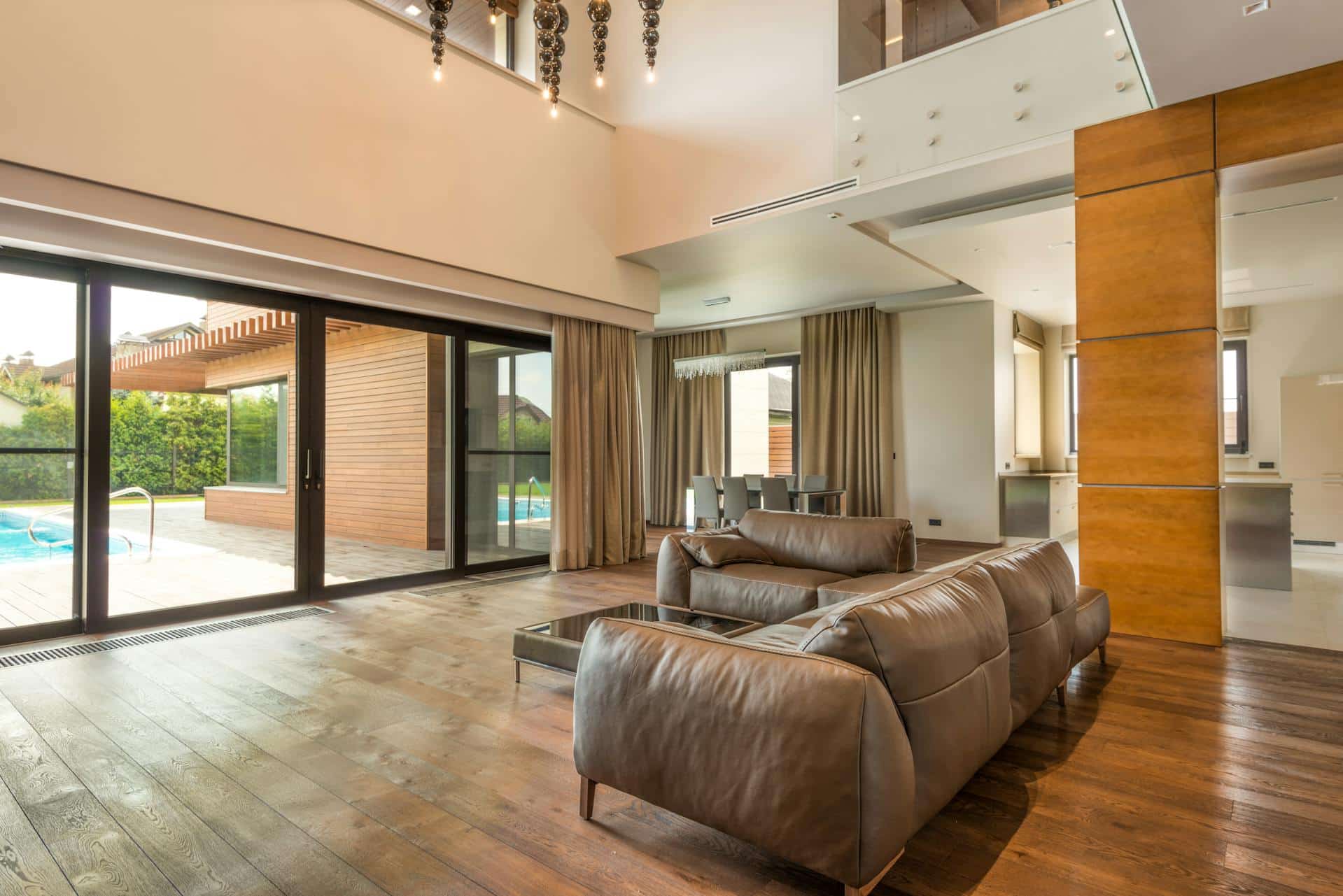
Lake Tahoe has always been a dream destination, and if you own property here in 2025, you’re sitting on a piece of alpine paradise. But owning a home in this unique mountain environment comes with specific challenges and opportunities when it comes to maintenance, renovations, and improvements.
Whether you’re updating a vacation cabin, renovating a primary residence, or maintaining a rental property, the landscape of Lake Tahoe home improvement has shifted significantly. From stricter environmental regulations to new building standards and evolving design trends, understanding what’s changed is crucial for any homeowner.
The Lake Tahoe Home Improvement Landscape in 2025
The Lake Tahoe region presents unique challenges for home improvement projects. The alpine climate, environmental sensitivity, and strict regulatory oversight make even simple renovations more complex than in typical suburban settings.
The North Shore, known for its pristine wilderness character, has the strictest building codes and environmental requirements. South Shore allows somewhat more flexibility but still maintains rigorous standards. West Shore falls somewhere in between, with stunning views that make outdoor improvements particularly valuable.
When planning major renovations for your Lake Tahoe property, it’s essential to think beyond just personal preferences and consider improvements that enhance long-term value. Whether you’re upgrading what was originally purchased as investment property Lake Tahoe style into a primary residence, or simply want to ensure your mountain home maintains its appeal and functionality, strategic improvements make a significant difference.
What’s driving current renovation trends? Remote work has inspired many homeowners to create dedicated office spaces with mountain views. The rise of vacation rentals has pushed property owners toward modern, professionally designed interiors. Wildfire concerns have accelerated fire-resistant upgrades and defensible space improvements.
New Regulations and Building Code Changes
Here’s where 2025 gets complicated. The Tahoe Regional Planning Agency (TRPA) has tightened environmental standards even further. Coverage ratios—the percentage of your lot that can be covered by structures, driveways, and hardscaping—are strictly enforced with minimal exceptions.
Any addition or expansion requires detailed environmental review. Even replacing a deck might trigger permit requirements if it increases impervious surface coverage. The review process can take months and costs thousands in application fees and environmental studies.
Focus on projects that address the unique demands of alpine living—upgraded insulation, fire-resistant materials, and durable finishes that withstand heavy snow and intense UV exposure. These aren’t just maintenance items; they’re value-protecting improvements that keep your Lake Tahoe home competitive in a market where buyers and renters alike have elevated expectations for quality, safety, and modern amenities.
Building codes have also evolved to address wildfire risk. New requirements include fire-resistant roofing materials, ember-resistant vents, and defensible space zones extending 100 feet from structures. Existing homes aren’t always grandfathered, meaning renovations may trigger requirements to bring the entire property up to current standards.
Drainage and erosion control standards have become more stringent. Any project disturbing soil requires an erosion control plan, proper drainage systems, and sometimes retention basins. Storm water management isn’t optional—it’s a central concern of every permit application.
Tree removal, even on your own property, often requires permits. Healthy trees over certain sizes are protected, and removing them without authorization can result in substantial fines and requirements to plant replacement trees.
Essential Maintenance for Mountain Homes
Lake Tahoe properties require more intensive maintenance than homes in moderate climates. Snow loads, freeze-thaw cycles, intense UV exposure, and dramatic temperature swings take their toll.
Roof maintenance is critical. Heavy snow accumulation can damage structures, making proper roof pitch and reinforcement essential. Ice dams form when heat escapes through poorly insulated roofs, causing water to back up under shingles. Regular inspections and prompt repairs prevent costly water damage.
Foundation and crawl space issues are common. Freeze-thaw cycles can cause cracks and shifting. Proper drainage prevents water infiltration that can freeze and expand, causing structural damage. Vapor barriers and insulation in crawl spaces prevent frozen pipes and reduce heating costs.
Exterior painting and staining requires attention every 3-5 years. Intense UV exposure at altitude, combined with moisture from snow, rapidly deteriorates finishes. Using high-quality, UV-resistant products designed for mountain conditions extends the life of exterior surfaces.
Window and door seals deteriorate faster in extreme conditions. Drafty windows waste energy and reduce comfort. Upgrading to high-quality, energy-efficient windows with proper weather stripping pays dividends in reduced heating costs and improved comfort.
Interior Improvements That Add Value
Kitchen and bathroom renovations remain the highest-value improvements, but Lake Tahoe has specific considerations. Mountain modern aesthetics—combining natural materials with clean, contemporary lines—are currently popular. Think reclaimed wood beams, stone countertops, and high-end stainless appliances.
Open floor plans that maximize natural light and mountain views are highly desirable. Removing walls between kitchens and living areas creates the spacious, inviting feel that buyers and renters value. However, any structural modifications require engineering reviews and permits.
Flooring choices matter more here than in typical homes. Durable, water-resistant materials like luxury vinyl plank, tile, or sealed hardwood handle snow, mud, and moisture better than carpet. Heated floors add luxury and comfort while helping dry wet boots and gear.
Bathrooms benefit from spa-like upgrades. Heated towel racks, rainfall showers, soaking tubs, and radiant floor heating transform basic bathrooms into retreat spaces. These improvements pay off both in personal enjoyment and resale value.
Creating dedicated mudrooms or gear storage is practically essential. Properties that provide organized spaces for skis, boots, bikes, and outdoor equipment function better and stay cleaner. Built-in benches, hooks, and heated drying areas add real value.
Outdoor Living Spaces and Landscaping
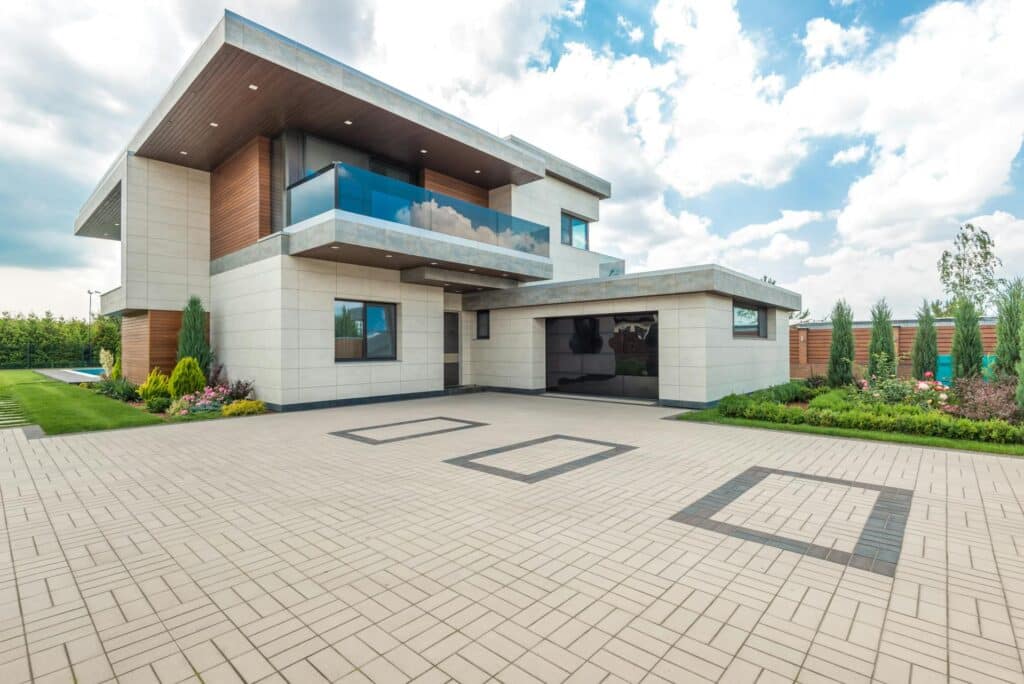
Outdoor improvements in Lake Tahoe require balancing enjoyment with environmental responsibility. Decks and patios extend living space but must comply with coverage limits and use appropriate materials.
Composite decking has become increasingly popular. It resists weathering better than wood, requires less maintenance, and doesn’t contribute to forest fire fuel loads. However, some HOAs restrict materials, so check regulations before purchasing.
Fire pits and outdoor fireplaces add ambiance but face strict regulations. Propane is often preferred over wood-burning due to air quality and fire risk concerns. Permanent installations require permits and must meet specific safety standards.
Landscaping must balance aesthetics with fire safety. Defensible space zones require low-growing, fire-resistant plants and significant spacing between vegetation. Native, drought-tolerant plants are encouraged as they require less water and irrigation.
Outdoor lighting extends usability of spaces but must comply with dark sky regulations. Downward-facing, shielded fixtures minimize light pollution while providing necessary illumination. LED fixtures offer energy efficiency and longevity.
Hot tubs remain popular amenities but require careful consideration. Installation costs include electrical work, proper foundations, and sometimes permits. Ongoing maintenance, energy costs, and winterization requirements add up quickly.
Energy Efficiency and Sustainability Upgrades
Energy efficiency improvements make particular sense in Lake Tahoe given extreme temperatures and high utility costs. Proper insulation is foundational—many older cabins are severely under-insulated by modern standards.
Attic insulation should meet or exceed R-49 in this climate zone. Wall insulation upgrades, while more invasive, dramatically reduce heating costs. Spray foam insulation provides excellent performance but costs more than traditional fiberglass batts.
Heating system upgrades offer significant benefits. Modern high-efficiency furnaces or heat pumps use substantially less energy than older systems. Radiant floor heating provides comfortable, even heat and eliminates cold floors on winter mornings.
Solar panels are increasingly viable despite snowy winters. Roof pitch helps snow slide off, and modern panels generate electricity even in cloudy conditions. State and federal incentives can offset 30-50% of installation costs, improving payback periods.
Triple-pane windows provide superior insulation compared to double-pane. While expensive, they reduce heating costs, minimize condensation, and dramatically improve comfort near windows during cold weather.
Smart home technology helps manage energy use and provides remote monitoring. Programmable thermostats reduce heating costs when properties are vacant. Water sensors can alert you to leaks before major damage occurs. Smart locks and security systems allow remote access control.
Wildfire Mitigation Improvements
Wildfire risk has become a central concern for Lake Tahoe homeowners. Making improvements that reduce vulnerability isn’t just prudent—it may be required by insurance companies or local ordinances.
Roof replacement with Class A fire-rated materials is perhaps the most important upgrade. Metal roofing, clay tiles, and specially-rated asphalt shingles resist ember ignition. Many insurance companies now require these materials or charge substantially higher premiums without them.
Vent screening prevents ember entry into attics and crawl spaces. Replacing standard vents with ember-resistant models is relatively inexpensive but significantly reduces ignition risk.
Siding materials matter. Vinyl siding is highly flammable. Fiber cement, stucco, or metal siding provides better fire resistance. If wood siding is preferred for aesthetic reasons, ensure proper clearance from ground vegetation and regular maintenance.
Creating defensible space requires ongoing work. Removing dead vegetation, pruning lower tree branches, and maintaining spacing between plants reduces fire intensity near structures. This isn’t a one-time project but ongoing maintenance.
Fire-resistant fencing and gates prevent fire from traveling from vegetation to structures. Metal or masonry materials outperform wood. If wood fencing is necessary, maintaining clearance from structures is crucial.
Working with Contractors in Lake Tahoe
Finding qualified contractors in Lake Tahoe can be challenging. The seasonal nature of the area means many contractors are busy during prime building season and may be unavailable. Booking projects well in advance is often necessary.
Weather constraints limit the construction season. Heavy snow typically prevents major exterior work from November through April. Interior projects can proceed year-round but may cost more during winter due to heating and access challenges.
Contractor quality varies significantly. Some are experienced with Lake Tahoe’s unique requirements; others are not. Ask for references from other mountain homeowners and verify they’re familiar with TRPA and local regulations.
Permits and inspections are non-negotiable. Contractors who suggest working without permits are exposing you to serious risk. Unpermitted work can result in fines, requirements to undo completed work, and problems selling your property later.
Budget 20-30% more than equivalent projects in non-mountain areas. Transportation costs, weather delays, specialized materials, and permit expenses all add up. Getting detailed written estimates from multiple contractors helps avoid surprises.
Common Home Improvement Mistakes to Avoid

The biggest mistake is starting work without proper permits. The temptation to avoid the time and expense of permitting is strong, but the consequences can be severe. Code enforcement in Lake Tahoe is active, and neighbors sometimes report violations.
Underestimating costs is another common error. Mountain construction costs more, takes longer, and encounters more obstacles than typical projects. Building in a 30% contingency for unexpected issues is prudent.
Ignoring environmental requirements causes major problems. Projects that damage protected vegetation, create erosion, or violate coverage limits can result in stop-work orders, fines, and requirements to restore property to original conditions.
Poor material choices lead to ongoing problems. Using materials not designed for mountain conditions means premature failure and costly replacements. Investing in quality, appropriate materials pays long-term dividends.
Neglecting regular maintenance allows small issues to become major problems. A minor roof leak becomes extensive water damage. A small foundation crack expands through freeze-thaw cycles. Proactive maintenance is far less expensive than crisis repairs.
Should You Tackle DIY Projects?
Some Lake Tahoe home improvement projects are DIY-friendly; others definitely are not. Understanding the difference prevents costly mistakes and safety hazards.
Interior painting, minor fixture upgrades, and simple landscaping are generally approachable for competent DIYers. These projects don’t typically require permits and use standard techniques.
Electrical, plumbing, and structural work should generally be left to licensed professionals. Beyond safety concerns, permitted work must be done by licensed contractors or undergo additional inspection requirements for homeowner work.
Outdoor projects often trigger permit requirements even when they seem simple. Building a deck, adding a shed, or creating a patio may all require permits and professional involvement. Check requirements before starting any outdoor project.
Even if you’re capable of DIY work, consider whether your time is better spent enjoying Lake Tahoe rather than spending vacation time on home projects. Sometimes hiring professionals makes more sense even for projects you could handle yourself.
Planning Your Lake Tahoe Home Improvements
Before starting any significant project, research requirements thoroughly. Contact TRPA and local building departments to understand permit requirements, coverage limits, and environmental concerns specific to your property.
Get multiple bids from qualified contractors. The lowest bid isn’t always the best choice—consider experience, references, and understanding of Lake Tahoe requirements. A slightly higher bid from a contractor who anticipates challenges correctly may save money overall.
Plan projects during optimal seasons. Schedule major exterior work for summer and fall when weather is most predictable. Interior projects can happen anytime but may be easier to schedule during off-season when contractors are less busy.
Consider how improvements affect property taxes and insurance. Major renovations increase assessed value and property taxes. Some improvements may qualify for insurance discounts while others increase premiums.
Think long-term. Lake Tahoe properties should be built to last. Investing in quality materials and workmanship makes sense given the harsh conditions and the difficulty and expense of accessing and working on mountain properties.
Conclusion
Lake Tahoe home improvement in 2025 requires careful planning, realistic budgeting, and thorough understanding of regulations. The days of quick, informal projects are largely gone, replaced by a more professional, regulated approach that prioritizes environmental protection and safety.
Yet the rewards of owning and improving a Lake Tahoe property remain substantial. A well-maintained mountain home provides decades of enjoyment, weathers harsh conditions better, and maintains its value in this desirable market.
Approach improvements systematically. Prioritize critical maintenance over cosmetic upgrades. Work with experienced professionals who understand Lake Tahoe’s unique requirements. Budget conservatively and plan for the long term.
Done right, your Lake Tahoe home improvements will enhance your enjoyment of this spectacular setting while protecting your investment for years to come. The alpine environment demands respect and proper attention, but it rewards those efforts with unmatched beauty and recreational opportunities right outside your door.