

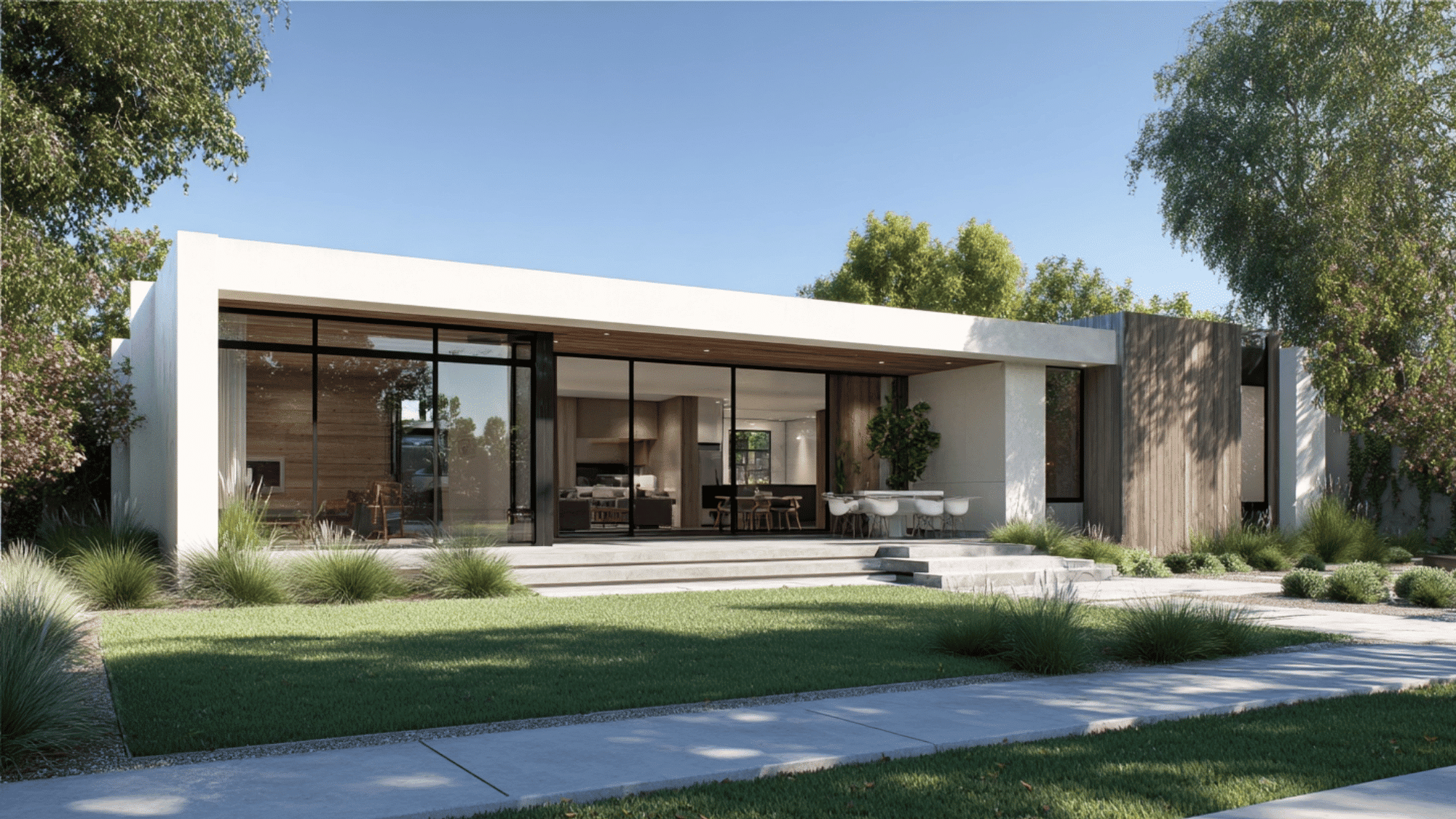
Planning to build a 1200 sq ft house? It sounds straightforward, but there’s more to it than picking a plot and calling a contractor.
Homeowners often wonder about costs. How much will materials cost? What about labor? And then there are the hidden expenses that catch people off guard.
Beyond the budget, there’s the design. These choices impact both aesthetics and functionality. Permits, timelines, and choosing the right professionals add another layer of complexity. It’s easy to feel overwhelmed when juggling so many moving parts.
But building a home of this size is absolutely doable with the right guidance. This blog breaks down everything needed, from realistic budgets to smart design choices and expert tips that make the process smoother.
Complete Financial Planning for 1200 Sq Ft Construction
Building a house requires careful financial planning. Understanding where money goes helps avoid surprises. From foundation to finishing touches, every element has its price tag that demands attention.
1. Land and Site Preparation
Purchasing land is the first significant expense. Site clearing, leveling, and soil testing add up quickly. Location determines land costs significantly. Rural plots cost less than urban ones, but accessibility might require extra investment.
2. Foundation and Structure
The foundation forms the base of construction costs. Concrete, steel reinforcement, and labor make up this category. A solid foundation prevents future structural issues. Skimping here leads to expensive repairs down the line.
3. Walls and Roofing
Brick, cement, and blocks create the walls. Roofing materials vary from basic tiles to premium options. Labor charges depend on design complexity. Weather-resistant materials might cost more but offer better durability and protection from the elements.
4. Electrical and Plumbing
Wiring, switches, and fixtures make up electrical costs. Plumbing includes pipes, fittings, and sanitary ware. Both require licensed professionals. Quality materials here prevent frequent maintenance headaches. Safety standards shouldn’t be compromised for savings.
5. Doors, Windows, and Fixtures
Doors and windows impact both security and aesthetics. Material choices range from wood to aluminum to UPVC. Good ventilation requires proper window placement. Energy-efficient options cost more initially but reduce long-term utility bills significantly.
6. Flooring and Interior Finishing
Tiles, marble, or wood flooring create different budget scenarios. Paint, plastering, and false ceilings add finishing touches. Kitchen and bathroom fittings vary widely in price. This stage brings the house to life visually.
7. Miscellaneous and Contingency
Architect fees, permits, and legal documentation require budgeting. Unexpected issues always arise during construction. Smart builders keep 10-15% extra for contingencies. This buffer prevents project delays when surprises pop up during building.
Top 1200 Sq Ft House Plans: Popular 2-3 Bedroom Layouts
Choosing the right floor plan makes all the difference. A well-designed 1200 sq ft layout balances space, functionality, and comfort. Thoughtful planning transforms compact square footage into a home that feels spacious and welcoming.
1. Craftsman Bungalow (2BR/1–2BA)
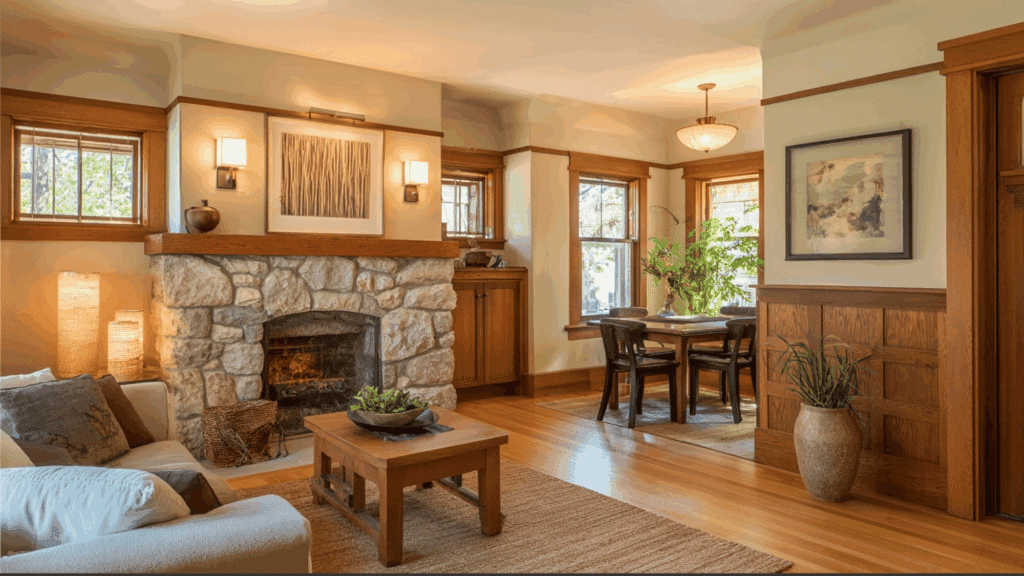
The Craftsman Bungalow emphasizes warmth, functionality, and timeless character within a compact footprint.
Gabled roofs, tapered columns, and wide front porches create instant curb appeal. Inside, built-in cabinetry, efficient storage, and well-proportioned rooms make excellent use of roughly 1,200 square feet.
This plan suits small families or downsizers seeking charm, comfort, and practical everyday living without unnecessary excess space.
2. Modern Open-Concept (3BR/2BA)
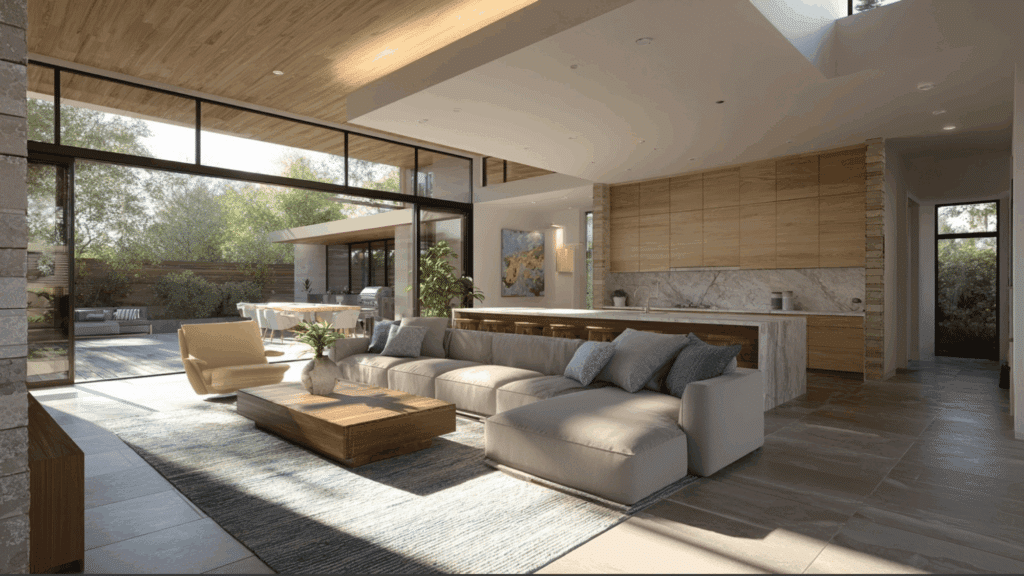
This Modern Open-Concept layout prioritizes openness, light, and flexibility for contemporary lifestyles. A flowing great room connects the kitchen, dining, and living areas, encouraging social interaction and easy entertaining.
Large windows and clean architectural lines enhance the airy feel, while private bedrooms remain thoughtfully separated.
Ideal for families or professionals, this plan balances minimalist design with comfortable, highly functional living spaces.
3. Country Farmhouse (2–3BR/2BA)
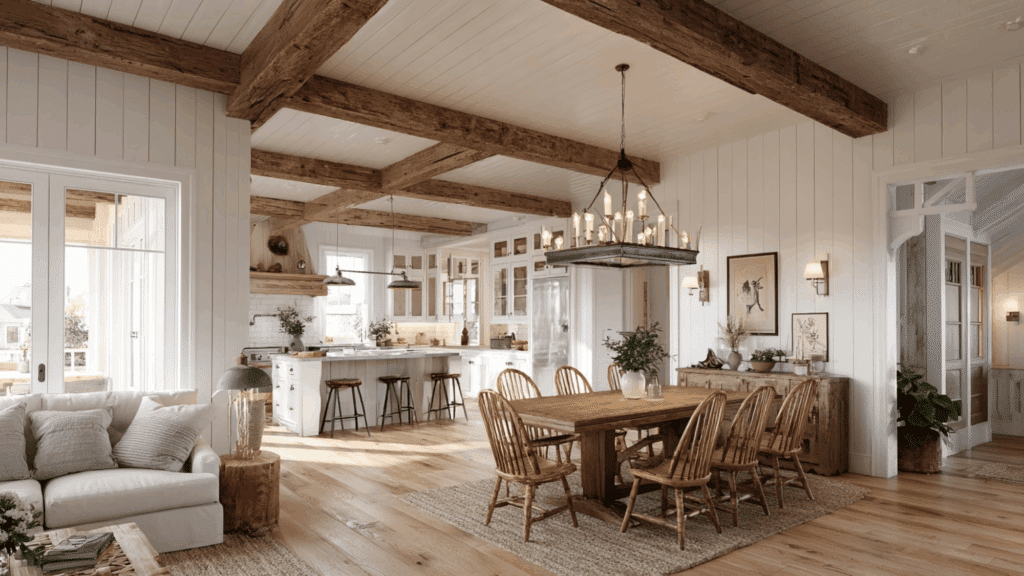
The Country Farmhouse plan blends rustic charm with efficient single-story living.
Wraparound porches extend usable space outdoors, while interior details like shiplap walls and exposed beams add warmth. Open common areas support family gatherings, while bedrooms remain cozy and private.
This layout works well for rural or suburban settings, offering relaxed comfort, practical flow, and a welcoming, lived-in atmosphere.
4. Contemporary Ranch (3BR/2BA)
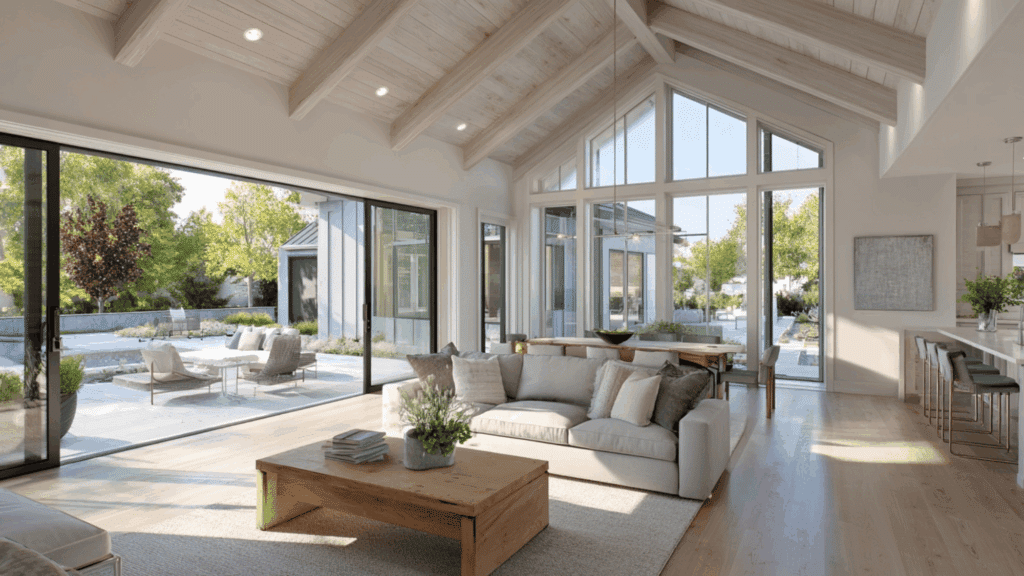
A Contemporary Ranch design focuses on accessibility, simplicity, and seamless indoor-outdoor connection. Single-level living eliminates stairs, making it suitable for all ages.
Vaulted ceilings add spaciousness, while sliding glass doors open to patios or gardens.
With clear zoning between shared and private spaces, this plan supports modern living, easy maintenance, and an effortless connection to the surrounding landscape.
5. Transitional Hybrid (2BR/2BA)
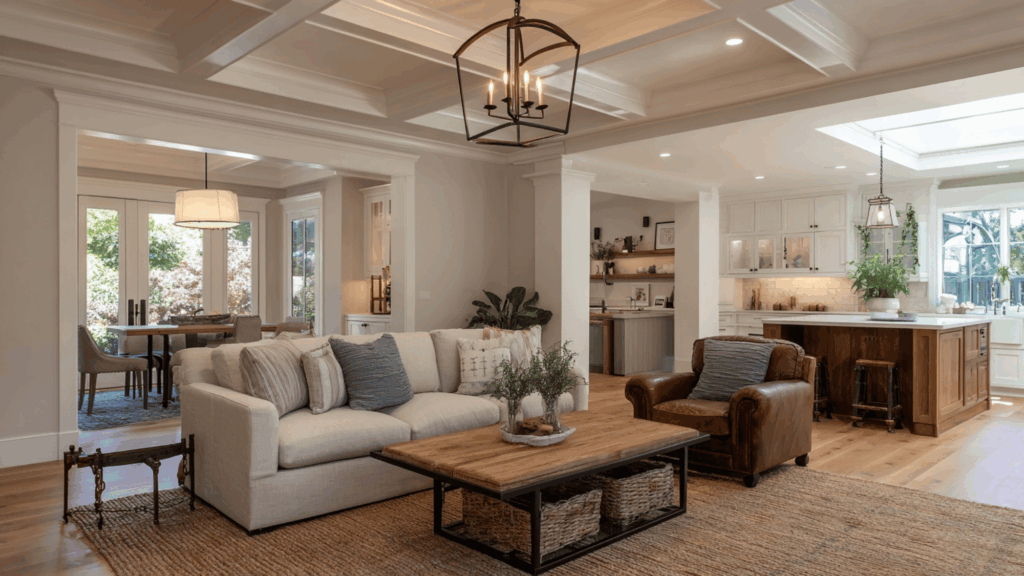
The Transitional Hybrid plan merges classic craftsman elements with modern open layouts for adaptable living.
Traditional trim details and warm materials coexist with open sightlines and contemporary finishes. Bedrooms are efficiently sized, while shared areas feel expansive and inviting.
This versatile design appeals to homeowners who appreciate timeless character but want the flexibility and simplicity of modern residential planning.
Strategic Material Selection to Complement the House
Material choices affect durability, maintenance, and overall costs. Selecting the right materials ensures longevity while staying within budget. Quality doesn’t always mean expensive; innovative selections balance performance with affordability effectively.
- High-quality cement and steel create a strong structural foundation that lasts decades.
- Weather-resistant roofing materials protect against rain, heat, and seasonal wear effectively.
- Energy-efficient windows reduce cooling costs while improving natural light and ventilation throughout.
- Durable flooring options like vitrified tiles withstand daily wear better than cheaper alternatives.
- Low-maintenance exterior finishes minimize repainting and repair expenses over the years ahead.
DIY vs. Contractor Balance for Maximum Savings
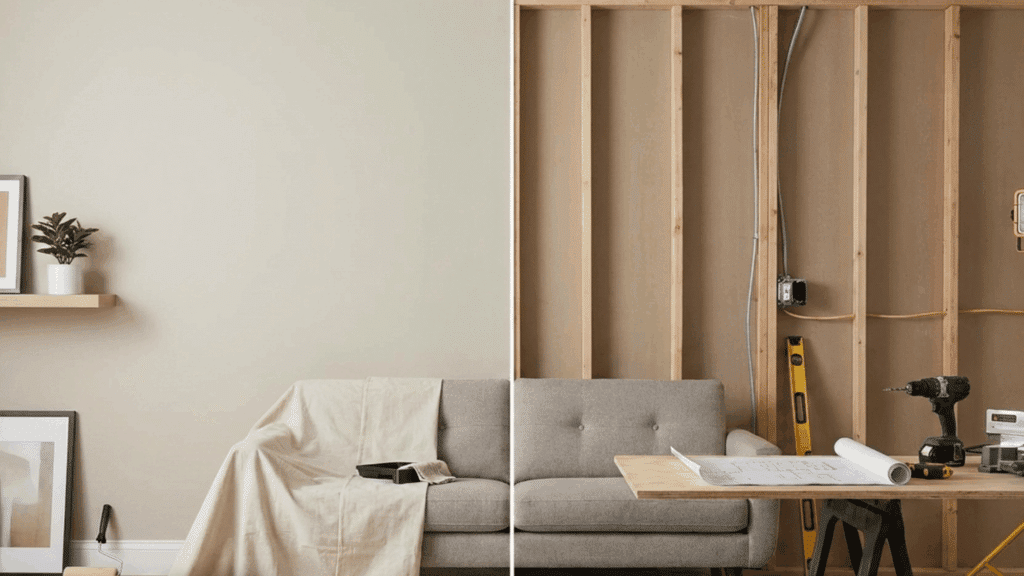
Deciding what to handle personally and what to hire out requires careful thought. Some homeowners jump into DIY projects hoping to save money, only to face costly mistakes later.
Others hire contractors for everything, watching budgets balloon unnecessarily.
The sweet spot lies somewhere in between. Simple tasks like painting, landscaping, or installing fixtures can be DIY-friendly with basic skills.
But structural work, electrical systems, and plumbing demand professional expertise. Licensed contractors bring experience, proper tools, and safety knowledge that prevent dangerous errors.
Consider time investment too. DIY saves money but eats up weekends and evenings. Contractors work faster and handle permits efficiently.
The right balance depends on personal skills, available time, and budget constraints. Smart homeowners tackle manageable projects themselves while leaving technical work to qualified professionals who guarantee quality results.
Essential Permits Required for 1200 Sq Ft Builds
Building permits aren’t just paperwork; they’re legal requirements that protect homeowners and communities. Skipping permits leads to fines, construction stops, or problems selling the property later.
Each jurisdiction has specific rules, so checking with local building departments is suggested.
Building permits approve structural plans. Electrical and plumbing permits ensure safety standards. Zoning permits confirm the property meets local land use regulations.
Costs vary widely by location. Urban areas typically charge more than rural counties. Some permits require professional drawings and inspections at various stages. Processing times range from weeks to months, depending on complexity.
Budget both money and time for permits upfront. Contractors often handle applications, but homeowners should understand what’s required.
Design Tips to Consider for a 1200 Square Foot House
Smart design maximizes every inch of a 1200 sq ft home. Thoughtful layouts create functional spaces without feeling cramped. Good planning turns limitations into advantages, making compact homes comfortable and stylish.
- Open floor plans connect living, dining, and kitchen areas for a spacious feel.
- Built-in storage solutions eliminate clutter while maximizing usable floor space throughout the house.
- Large windows and light colors make rooms appear bigger and brighter naturally.
- Multi-functional furniture, like sofa beds or foldable tables, adds flexibility to compact spaces.
- Strategic room placement ensures privacy for bedrooms while keeping common areas accessible and inviting.
To Conclude
Building a 1200 sq ft house doesn’t need to drain finances or cause endless stress. Smart budgeting paired with thoughtful design creates comfortable homes within reach.
The key lies in making informed decisions. Knowing where to spend and where to save prevents regrets later.
Quality materials in critical areas protect long-term investment, while DIY efforts on simpler tasks trim unnecessary costs.
Ready to start building? Armed with realistic budgets, proven layouts, and practical strategies, turning house plans into reality becomes achievable. The dream home is closer than it seems.