

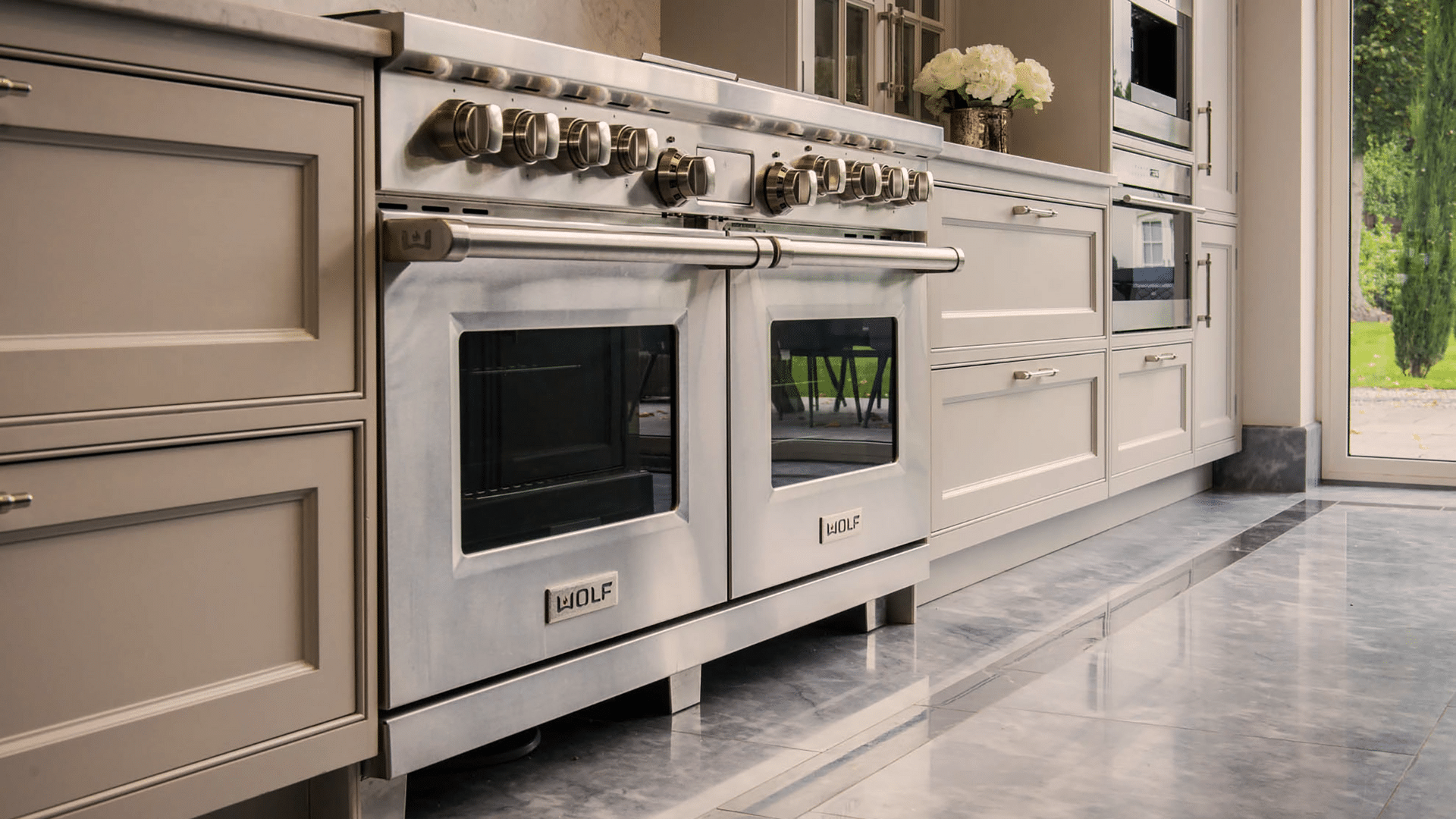
When I first looked into what a kitchen range is, I realized how easy it is to mix it up with a stove or an oven. Many people use these terms as if they mean the same thing, which only adds to the confusion.
A kitchen range is actually one appliance that includes both the cooktop and the oven, while stoves and ovens can also be separate units.
In this guide, you’ll learn what a kitchen range is, how it works, and the different types available today.
I’ll also explain where each type works best and what features are worth checking before you buy.
By the end, you’ll understand your options and feel more confident picking a kitchen range that fits your cooking needs and your space.
What Is a Kitchen Range?
A kitchen range is a single appliance that brings cooking and baking together in one place.
In simple terms, a kitchen range combines a cooktop and an oven into one unit, making it easier to prepare everyday meals without using separate appliances.
The cooktop sits on top and is used for boiling, frying, or simmering food, while the oven below handles baking, roasting, and broiling.
This all-in-one setup saves space and keeps the kitchen layout practical.
Kitchen ranges are most commonly used in homes, but you’ll also find them in apartments, rental units, and small kitchens where space matters.
They come in different fuel types, sizes, and designs, but the main purpose stays the same.
A kitchen range helps you cook daily meals in a simple, organized way without extra equipment.
How Does a Kitchen Range Work?
A kitchen range works by combining two main parts into one appliance. The cooktop on top is used to heat pots and pans, while the oven below cooks food using steady heat.
The cooktop provides direct heat for boiling, frying, or sautéing, and the oven uses enclosed heat to bake or roast food evenly.
In a gas range, burners and the oven use natural gas or propane to create an open flame.
Electric ranges use heating elements that warm up when electricity flows through them.
Heat is controlled using knobs or digital controls, which let you adjust the temperature for both the cooktop and oven.
Some ranges include preset settings to help maintain steady heat.
This setup makes cooking simple, controlled, and easy to manage for everyday meals.
Different Types of Kitchen Ranges
Kitchen ranges come in a few main types based on how they heat food and how they fit into a kitchen. Each type works a little differently and suits different cooking needs and setups.
1. Gas Kitchen Range
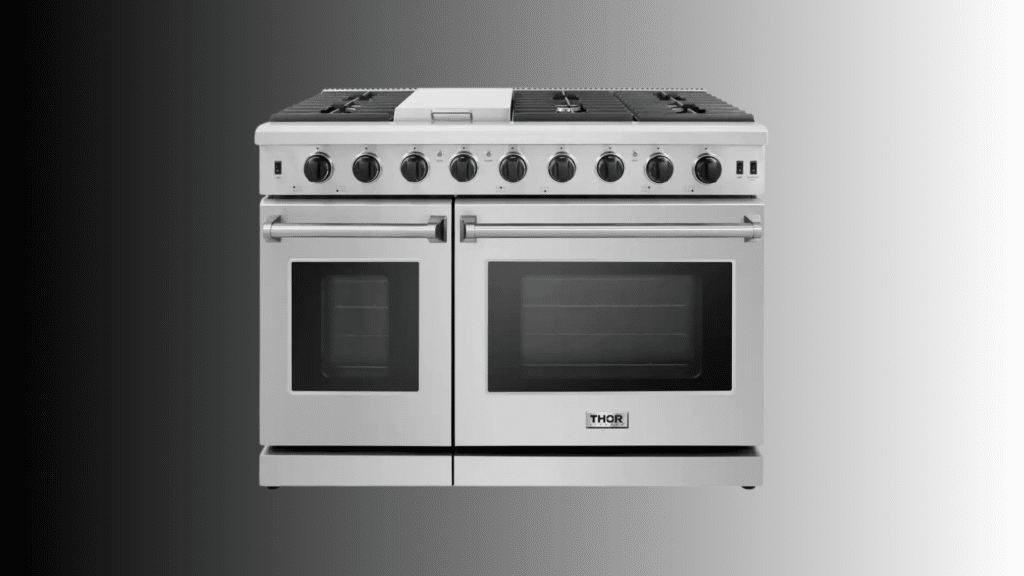
A gas kitchen range uses natural gas or propane to heat both the cooktop and the oven.
The cooktop produces an open flame, which many people like because it heats quickly and responds fast to temperature changes.
Heat levels can be adjusted right away, making it easier to control cooking.
Gas ovens use heated air to cook food evenly. These ranges are common in homes with gas connections and are often chosen by people who cook often and want steady control.
You can find a wide range of gas kitchen ranges at Home Depot, Lowe’s, and Best Buy for different budgets and sizes.
2. Electric Kitchen Range
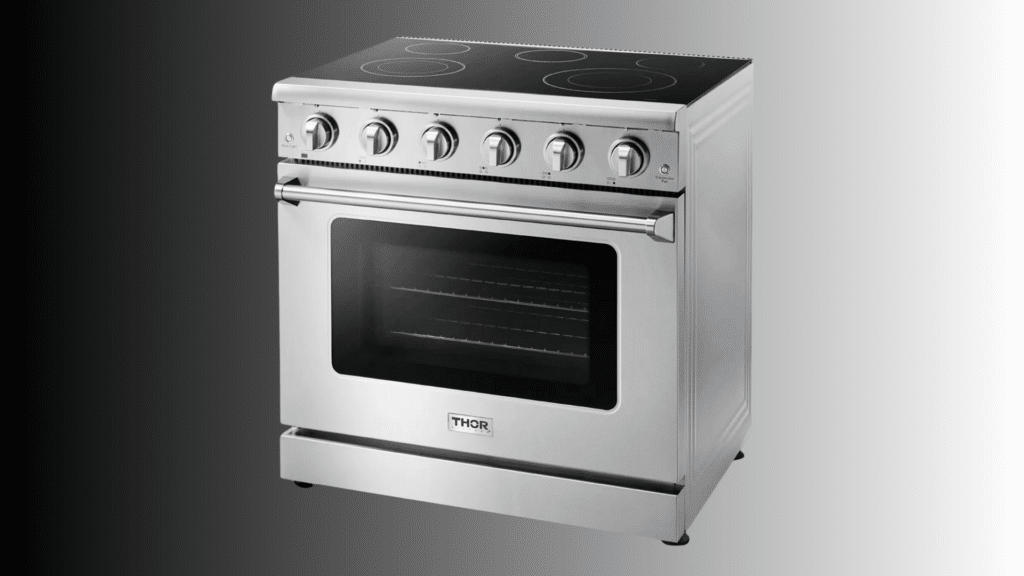
An electric kitchen range runs entirely on electricity. The cooktop uses metal coils or smooth glass surfaces that heat when power flows through them.
The oven relies on electric heating elements to spread heat evenly inside.
Electric ranges are easy to use and simple to clean, especially smooth-top models. They work well in homes without gas lines and provide steady cooking results.
Many newer electric ranges also include digital controls and preset cooking options for added ease.
Electric kitchen ranges are available at retailers like Lowe’s and Home Depot, with options for small and large kitchens.
3. Dual Fuel Kitchen Range
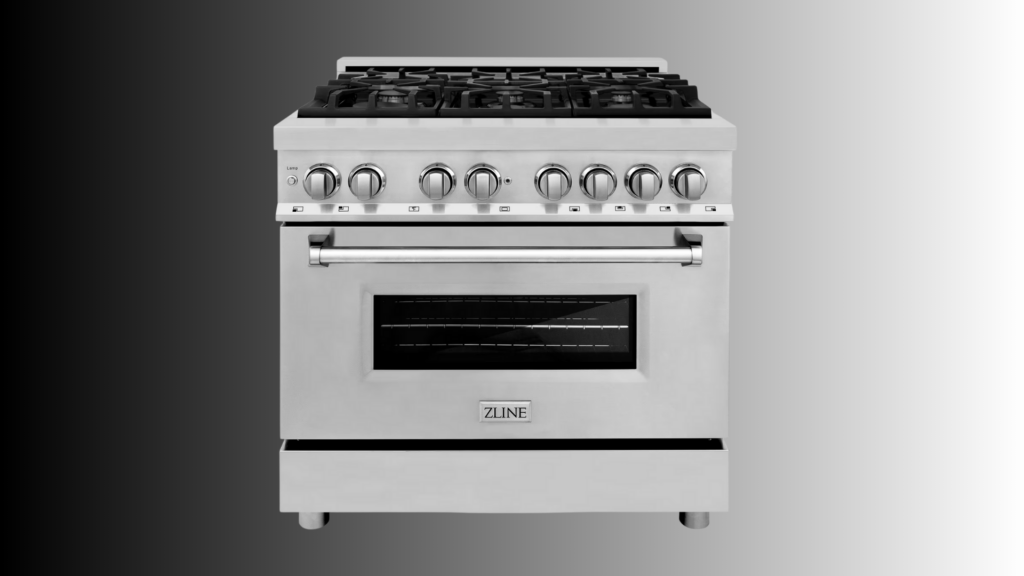
A dual-fuel kitchen range uses two power sources in one appliance. The cooktop runs on gas for fast, adjustable heat, while the oven uses electricity for even and steady baking.
This setup gives better control while cooking and reliable results when baking.
Dual fuel ranges are often chosen by people who cook and bake often.
They usually cost more and may need special installation, but they offer balanced performance for many cooking styles and everyday kitchen needs.
Dual-fuel kitchen ranges are sold at stores such as AJ Madison and Best Buy, offering advanced features and styles.
4. Induction Kitchen Range
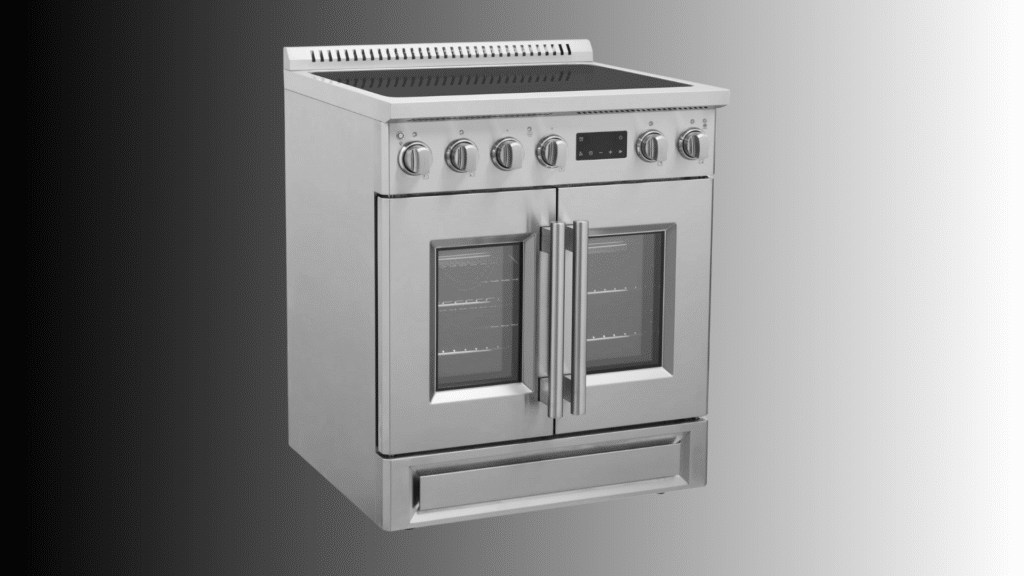
An induction kitchen range uses electricity and magnetic energy to heat cookware directly. The cooktop stays cool to the touch while the pan heats up quickly.
Heat control is precise and efficient, which helps reduce overcooking.
The oven works like a standard electric oven and provides even results. Induction ranges require cookware that works with magnets.
They offer safe, fast heating and energy efficiency, making them a good fit for modern kitchens.
Induction kitchen ranges can be found at retailers like Best Buy, Costco, and Wayfair, with modern designs and safety features.
Pros and Cons of Different Kitchen Range Types
This quick comparison highlights how each range type performs in daily cooking, helping you spot strengths and limits at a glance.
| Kitchen Range Type | Pros | Cons |
| Gas Range | Heats quickly and responds fast to temperature changes. Works well for high-heat cooking and simmering. Keeps working during power outages. | Needs a gas line or propane hookup. It can be harder to clean around burners. Open flames require extra safety care. |
| Electric Range | Easy to use and widely available. Offers steady, even oven heat. Smooth-top models are simple to clean. | Takes longer to heat up and cool down. Less control over quick temperature changes. Does not work during power outages. |
| Dual Fuel Range | Combines fast gas cooking with even electric baking. Good balance for cooking and baking tasks. Precise temperature control. | Higher cost than other types. Installation can be more complex. May require both gas and electrical connections. |
Features to Check Before Buying a Kitchen Range
The right features can make daily cooking easier and help the appliance fit your space and habits. These points focus on function, safety, and long-term use.
1. Size and Fit for Your Kitchen Space
Before buying a kitchen range, it’s important to measure your kitchen space carefully.
Most standard ranges are about 30 inches wide, but some homes need smaller or larger models. Check the height and depth, especially if cabinets or counters sit close to the range.
A proper fit helps with safe installation and allows doors and drawers to open fully.
A well-sized range also improves airflow and keeps your kitchen layout comfortable and easy to move around.
2. Fuel Type and Power Needs
Kitchen ranges run on gas, electricity, or a combination of both. Gas ranges need a working gas line, while electric models require the correct outlet and voltage.
Your current kitchen setup can guide or limit your choice, so checking connections early is important.
Dual fuel ranges use gas for the cooktop and electricity for the oven, which means both hookups are needed.
Choosing the right fuel type from the start helps avoid costly changes, simplifies installation, and keeps the range working safely and efficiently.
3. Oven Capacity and Cooking Modes
Oven capacity is important if you cook for a family or prepare meals often. Larger ovens can fit big trays and handle more food at one time, which saves effort.
Many kitchen ranges also offer cooking modes such as bake, broil, and convection.
These options help food cook more evenly and give you better control.
Choosing the right oven size and useful settings makes sure the range fits your cooking habits and supports your daily meal needs without feeling limiting.
4. Safety Features and Controls
Safety features play an important role in everyday kitchen use. Options like automatic shut-off, child safety locks, and cool-touch oven doors help prevent accidents.
Easy-to-read controls lower the chance of mistakes, especially when cooking more than one dish at a time.
Digital panels and clear markings make adjusting temperatures simple and quick.
These features add peace of mind and help create a safer cooking space, which is especially helpful in homes with children or pets
5. Ease of Cleaning and Upkeep
A kitchen range should be simple to clean and easy to maintain over time. Smooth cooktops wipe down quickly after cooking, while sealed burners help stop spills from spreading across the surface.
Self-cleaning ovens cut down on heavy scrubbing and save time during cleanup.
Removable racks and drip trays also make regular care easier.
Choosing a range that is easy to clean helps it stay in good condition, work smoothly, and look presentable with regular everyday use.
Kitchen Range vs Stove: What’s the Difference?
Understanding these details can help prevent buying the wrong appliance and save time, space, and money during kitchen planning.
| Feature | Kitchen Range | Stove |
| Definition | A single appliance that combines a cooktop and an oven in one unit. | Often refers only to the cooktop used for heating food. |
| Includes an Oven | Yes, the oven is built into the unit below the cooktop. | Not always; many stoves do not include an oven. |
| Space Needed | Takes up more space due to the oven and cooktop combo. | Requires less space if it’s only a cooktop. |
| Best Use Case | Works best when you want baking and cooking in one appliance. | Makes sense if you already have a separate wall oven. |
| Common Misuse | Often called a “stove” even though it includes an oven. | Used to describe a full range, which causes confusion. |
How to Choose the Right Kitchen Range?
The right choice depends on how you cook, your space, and what you plan to spend. These points help narrow options without making the process feel overwhelming.
- Match the range to how often you cook and what you make most. Gas works well for fast heat, while electric suits baking and steady cooking.
- Set a budget that balances upfront cost with long-term use. Cheaper models may lack features that matter over time.
- Check your kitchen layout, available space, and existing gas or electrical connections before buying.
- Think about installation needs, including ventilation, outlet type, and clearance around cabinets.
- For first-time buyers, stick to standard sizes and basic features that are easy to use and maintain.
Conclusion
A kitchen range is a single appliance that brings the cooktop and oven together, making daily cooking simpler and more organized.
Once you understand how it works and the types available, the choice feels less confusing.
What matters most is how you cook, how much space you have, and what fits your budget. Taking a little time to think about these things can save you stress and money later.
Before you buy, look at your kitchen setup, power options, and the features you will actually use.
There is no one right choice for everyone, only the right choice for you. If you are ready, start comparing options and see what fits your needs best.
I’d also love to hear from you. Share your experience or questions in the comments below and help others decide too.