

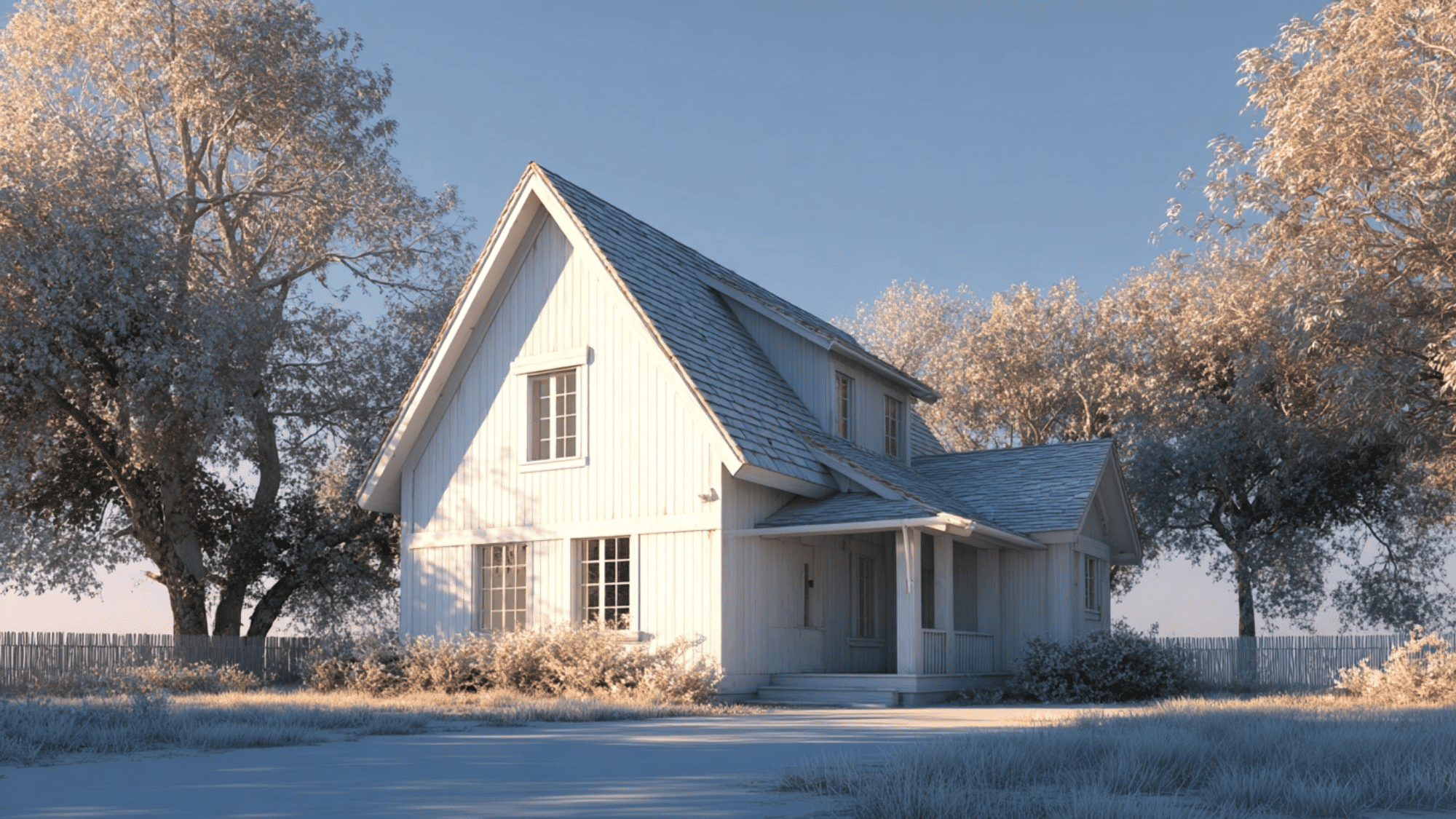
A roof does more than just cover a house. It shapes the entire look and feel of a home.
Some roofs are simple and flat. Others have angles and slopes that catch the eye. Among these, one style stands out for its balance of beauty and strength.
Homeowners who want durability often consider this option. Builders appreciate how it handles weather. And designers love the clean lines it brings to any structure.
But what makes this roof different from the rest? Why do so many people choose it over other designs? The answers lie in its shape, construction, and the benefits it offers. This blog breaks it all down in simple terms.
What is a Hip Roof?
A hip roof has slopes on all four sides. Each side angles down toward the walls, meeting at the top to form a ridge or peak.
Unlike gable roofs, which have two triangular ends, hip roofs slope evenly around the entire structure. This creates a pyramid-like shape on square buildings or a longer ridge on rectangular ones.
The design is common in both modern and traditional homes. It works well in areas with strong winds or heavy snow.
The sloped sides allow water and debris to slide off easily. This roof style combines function with a polished, finished appearance.
Hip Roof vs Gable Roof: Key Differences
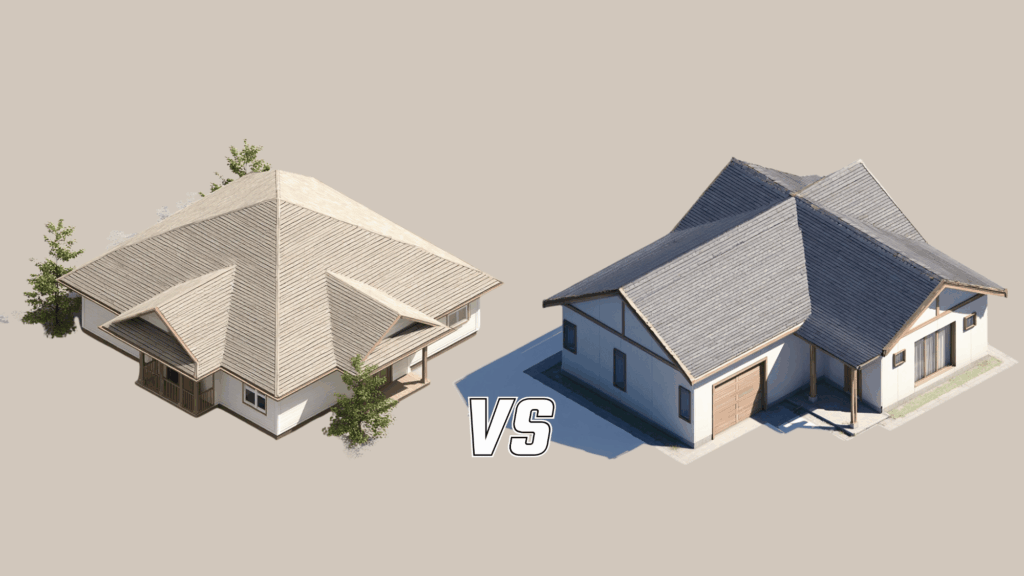
Hip and gable roofs differ mainly in shape and structure. Understanding these differences helps homeowners choose the right style for their needs, climate, and budget.
| Feature | Hip Roof | Gable Roof |
|---|---|---|
| Slope Coverage | All four sides slope downward | Only two sides slope; two gable ends |
| Wind Resistance | Better in high winds | More vulnerable to wind damage |
| Water Drainage | Excellent from all sides | Good, but only from two slopes |
| Cost | Higher due to complex framing | Lower, simpler to build |
| Attic Space | Less interior space | More usable attic area |
| Aesthetic | Clean, streamlined look | Traditional, bold appearance |
Advantages of Hip Roofs Over Gable Roofs
Hip roofs offer several practical benefits that make them a smart choice. These advantages go beyond appearance and contribute to long-term performance and protection.
- Better Wind Resistance: The sloped design on all sides helps the roof handle strong winds more effectively. Wind flows over the surface instead of pushing against flat vertical walls. This makes hip roofs ideal for coastal areas or regions prone to storms.
- Superior Water Drainage: Water runs off from every side of a hip roof. This reduces the chance of pooling or leaks. Rain, snow, and debris clear away quickly, which helps prevent damage over time.
- Increased Structural Stability: Hip roofs are self-bracing. The inward slope on all sides creates a stronger frame. This adds extra support and makes the structure more durable under heavy loads like snow or ice.
- Enhanced Curb Appeal: The uniform slopes create a balanced, polished look. Hip roofs suit a variety of home styles, from modern to traditional. They give properties a clean and finished appearance that stands out.
Disadvantages and When Gable Wins
Hip roofs aren’t perfect for every situation. There are times when a gable roof makes more sense due to cost, space, or design preferences.
1. Higher Construction Costs: Hip roofs require more materials and labor. The complex framing involves additional ridges, valleys, and bracing. This increases both the upfront expense and installation time compared to simpler gable designs.
2. Reduced Attic Space: The inward slope on all sides limits usable interior space. Homeowners lose potential storage or living area under the roof. Gable roofs offer more vertical room, making attic conversions easier and more practical.
3. More Complex Maintenance: Hip roofs have more seams and joints where leaks can develop. Inspecting and repairing these areas takes more effort. Gable roofs have fewer problem spots, which simplifies upkeep and reduces long-term maintenance concerns.
4. Less Ventilation Options: Adding vents or windows is harder on hip roofs. Gable ends provide natural spots for ventilation and light. This makes gable roofs better for homes that need airflow or attic access without major modifications.
Hip Roof Types for Your Home
Hip roofs come in different variations. Each type offers unique features that suit specific architectural styles and functional needs.
1. Simple Hip Roof
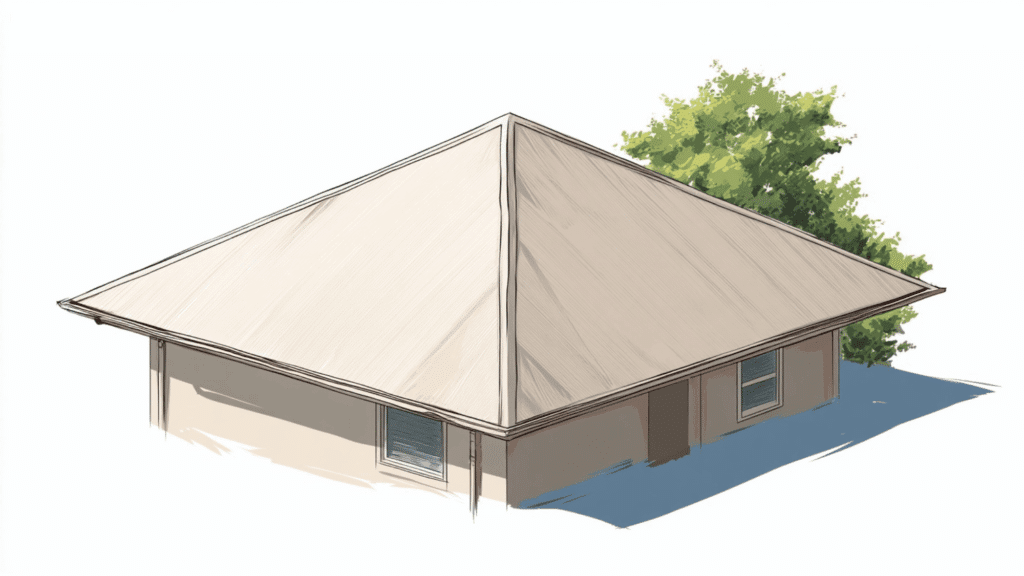
This is the most common type. It has four equal slopes that meet at a single ridge or peak. The shape works well on square or rectangular homes.
Simple hip roofs are straightforward to build and maintain. They provide reliable water drainage and wind resistance without added complexity or cost.
2. Cross Hip Roof

This design combines two or more hip roof sections at different angles.
It’s used on homes with multiple wings or L-shaped floor plans. Cross hip roofs create visual interest and cover complex layouts effectively.
The intersecting ridges add character while maintaining the structural benefits of standard hip roofs.
3. Half Hip Roof
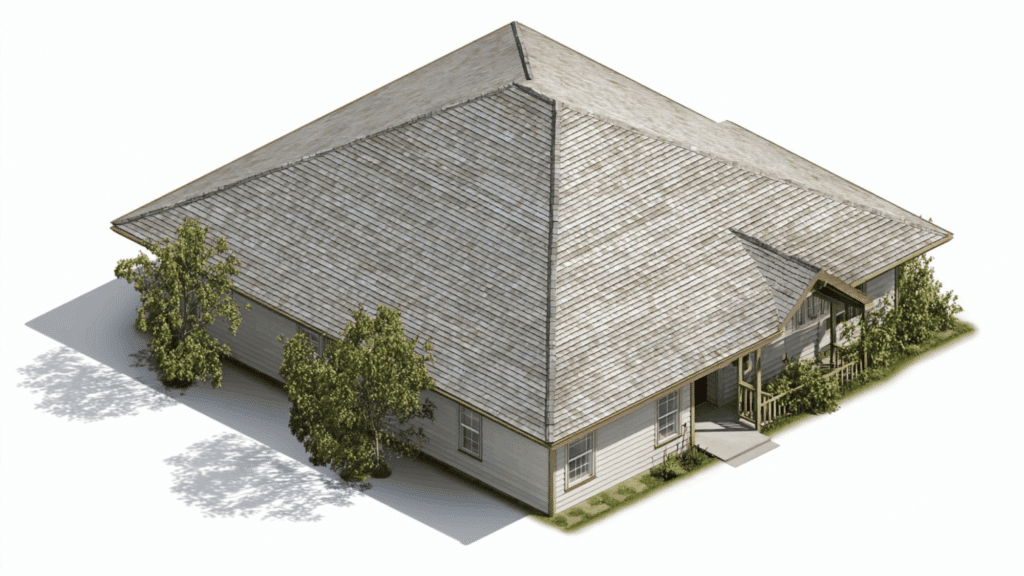
Also called a Dutch hip, this style blends hip and gable features. The upper portion has a small gable, while the lower section slopes like a standard hip roof.
This design increases attic space and allows for better ventilation. It offers a compromise between the benefits of both roof types.
4. Pyramid Hip Roof
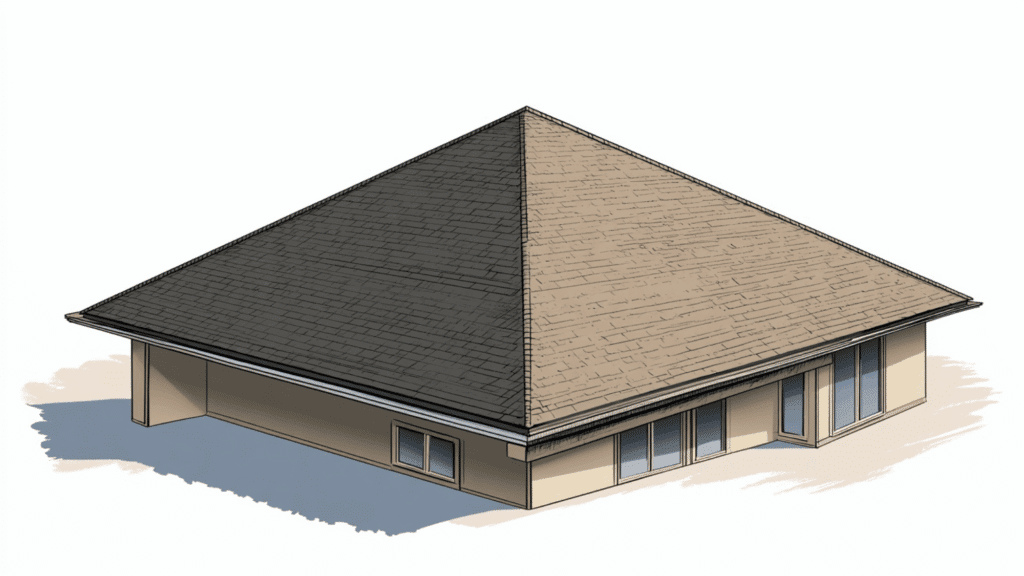
This roof has four equal triangular sides that meet at a single point. There’s no ridge line, just a central peak.
Pyramid hip roofs suit square buildings like gazebos, small cabins, or pavilions. They offer excellent wind resistance and a distinctive, symmetrical appearance.
Hip Roof Cost and Installation Guide
Hip roof costs vary based on size, materials, and labor. Understanding the price breakdown helps homeowners budget for their roofing project.
| Cost Factor | Estimated Range |
|---|---|
| Materials (per square foot) | $3 – $12 |
| Labor (per square foot) | $4 – $8 |
| Total Installation (1,500 sq ft) | $10,500 – $30,000 |
| Simple Hip Roof | Lower end of the range |
| Complex Hip Roof | Higher end of the range |
| Installation Time | 1 – 2 weeks |
| Roofing Material Choice | Asphalt shingles (cheapest) to metal or tile (most expensive) |
Installation Overview:
Hip roof installation requires experienced contractors. The process involves precise measurements and proper framing.
Rafters must angle correctly from all four sides to meet at the ridge. Valleys and hips need extra flashing to prevent leaks. Professional installation ensures the roof performs well and lasts for decades.
Maintenance Tips for Hip Roof
Regular maintenance keeps hip roofs in top condition. Simple care habits prevent costly repairs and extend the roof’s lifespan, protecting the home for years.
- Inspect seams, valleys, and ridges twice yearly for signs of wear, cracks, or missing shingles that could lead to leaks.
- Clean gutters and downspouts regularly to ensure proper water drainage and prevent backup that damages the roof structure.
- Trim overhanging tree branches to reduce debris buildup and minimize the risk of impact damage during storms or high winds.
- Check flashing around chimneys, vents, and joints for rust or gaps, and reseal or replace as needed to prevent water intrusion.
- Remove moss, algae, and debris buildup promptly to avoid moisture retention that can weaken roofing materials over time.
Conclusion
Hip roofs bring strength, style, and smart design to any home. They handle weather better than most alternatives. The cost runs higher, but the payback comes through durability and curb appeal.
Choosing the right roof means thinking about climate, budget, and long-term goals. Hip roofs shine in windy areas and wet climates. They suit homeowners who value low maintenance and lasting quality.
Different types fit different needs. Simple designs work for most homes. Complex layouts need cross or half hip options.
With proper care, a hip roof protects a home for decades. It’s an investment that pays off in peace of mind and proven performance.