

Many people enjoy climbing into a clean bed at night. Fresh sheets feel good and help people sleep better. But it’s easy to forget how often they need to be washed.
Sheets may look clean on the outside, but they can hold dirt, sweat, and germs.
Over time, this can affect both comfort and health. That’s why knowing when to wash bed sheets is important. It helps keep the bed feeling fresh and safe.
This blog gives clear tips on how often to wash them and why it matters. A simple routine can make a big difference in keeping a bed clean and cozy for everyday use.
Why Washing Sheets Helps Your Health
Bed sheets are used every night. As we sleep, our bodies shed skin and release sweat. Dirt from feet or clothes can also end up in the bed. Pets, snacks, and even open windows add more dust and germs.
Over time, these things can cause problems:
- Itchy skin or allergies
- Acne or breakouts
- Bad smells
- Dust mites and bacteria
Washing sheets often removes these things and makes the bed cleaner and safer. It also helps sheets last longer and feel softer.
General Rule: Wash Sheets Once a Week
Most experts say to wash your bed sheets once every week. This works well for most people and keeps things clean and fresh.
If that feels like too much, try to wash them at least every two weeks. Waiting longer than two weeks is not a good idea. By then, germs and dirt will start to build up.
A regular bed sheet washing schedule helps keep your bed healthy and your sleep better.
When to Wash Sheets More Often
Some people may need to wash their sheets more often than once a week. These are a few examples:
- If you sweat a lot at night, people who get hot or sweat in their sleep may need to wash sheets every 3–4 days. Sweat can soak into the fabric and leave a smell.
- If you have allergies or asthma, dust mites live in fabric and feed on dead skin. They can make allergies worse. Washing often helps reduce dust and can make breathing easier.
- If you sleep naked, without clothes to act as a barrier, more body oils and skin cells get on the sheets. That means they may need washing more often.
- If you eat in bed, Crumbs and spills can invite bugs or bacteria. If you snack in bed often, wash your sheets more often.
- If you have pets in bed, they can bring in dirt, hair, and even fleas. If they sleep with you, washing sheets 1–2 times a week is a good idea.
- If you are sick, after being sick with a cold or flu, it’s smart to wash all bedding right away. This helps stop germs from spreading.
How to Wash Bed Sheets the Right Way
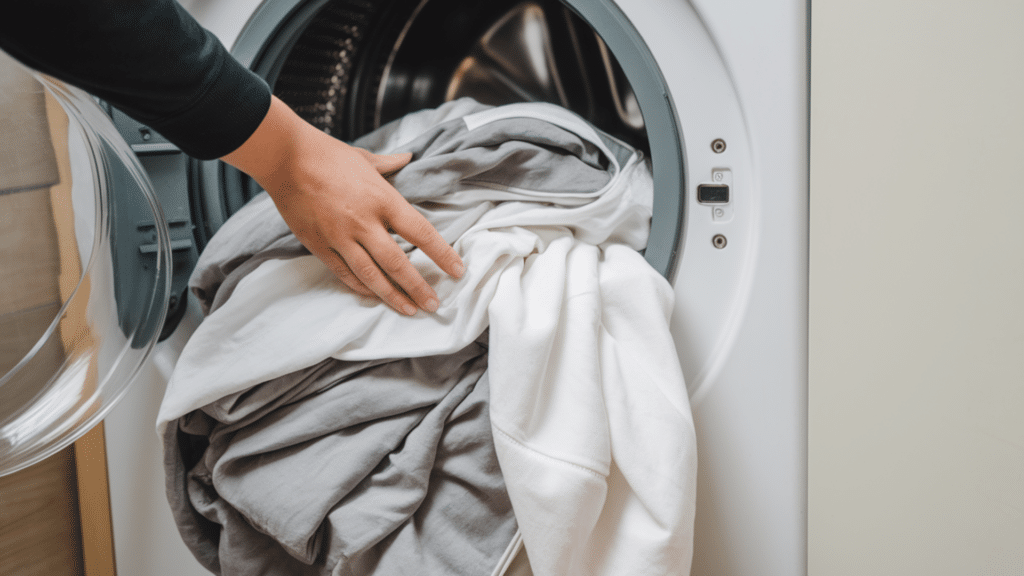
Washing sheets the right way helps keep them clean, soft, and long-lasting. It also helps kill germs and remove dirt, sweat, and oils that build up over time. If you follow a few easy steps, your sheets will stay fresh and feel better each time you sleep.
1. Use Hot Water (If Safe)
Hot water (130°F or higher) is best for killing germs, bacteria, and dust mites. It also helps remove oils and dirt more easily. But not all sheets can handle high heat.
Check the care label first. Some fabrics, like bamboo or silk, may need cold or warm water instead. Washing with water that’s too hot can shrink the fabric or fade the colors.
For cotton or polyester blends, warm to hot water is usually safe. If someone has been sick, use the warmest water allowed to help kill germs.
2. Use the Right Detergent
Mild, unscented detergent is a good choice for most sheets. It gets rid of dirt without being too harsh. This is important if you have sensitive skin or allergies.
Don’t use too much soap. Extra detergent doesn’t make your sheets cleaner. In fact, it can leave behind a film that makes fabric feel rough or sticky.
If your sheets are very dirty, try soaking them for 30 minutes before washing. This helps loosen sweat or body oils.
3. Dry Sheets Fully
After washing, make sure the sheets are fully dry. Damp sheets can grow mold or mildew, especially if they’re folded or put in a drawer too soon.
You can dry them in a machine on low to medium heat or hang them outside in the sun. Sunlight is a natural way to kill bacteria and freshen fabric.
Don’t over-dry, though. Too much heat can make sheets shrink or wear out faster. If drying outside, make sure the sheets don’t sit too long in humid or damp weather.
4. Avoid Fabric Softeners
Fabric softeners may make sheets feel smooth at first, but they can actually damage them over time. The chemicals in softeners leave a coating on the fabric. This coating traps oils, sweat, and dirt, and makes sheets less breathable.
If you want softer sheets, add a cup of white vinegar to the rinse cycle instead. It helps remove buildup and keeps the fabric feeling clean without harming it.
Dryer sheets can have the same effect, so it’s best to skip those too. A clean, simple wash is usually best.
5. Wash Separately
It’s best to wash sheets by themselves or with other bedding. Avoid mixing them with clothes, towels, or items with zippers and buttons. These can cause wear and tear or leave behind lint.
Sheets need room to move freely in the wash. If the machine is too full, they won’t get clean. Use a medium or large load setting, even if you’re washing one or two sets.
If possible, wash sheets of similar color and fabric together to help keep them looking new longer.
What Happens If You Don’t Wash Sheets Enough?
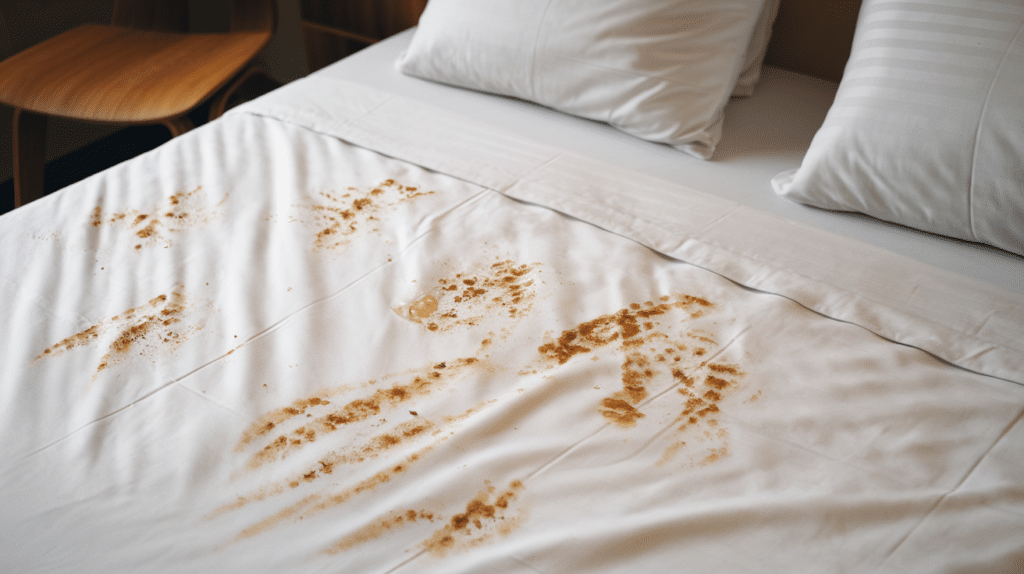
Not washing your sheets often enough can lead to many problems. Here’s what may happen:
- Bacteria Build-Up: Your bed can collect bacteria from skin, sweat, and more. Over time, this build-up may lead to skin problems or infections.
- Dust Mites: Dust mites are tiny bugs that live in beds. They feed on skin cells. While they don’t bite, they can cause sneezing, itching, and asthma.
- Bad Smells: Sweat and dirt cause sheets to smell musty over time. Even clean-looking sheets may have an odor.
- Stains and Discoloration: The longer dirt and sweat sit in fabric, the harder they are to remove. This can lead to yellow or brown stains on light sheets.
- Poor Sleep Quality: A dirty bed can feel itchy or uncomfortable, making it harder to fall asleep or stay asleep.
Bed Sheet Washing Schedule for Different Needs
| Situation | How Often to Wash |
|---|---|
| Regular Use | Every 7 days |
| Heavy Sweating | Every 3–4 days |
| Allergies or Asthma | Every 3–4 days |
| Sleeping with Pets | Every 4–5 days |
| Eating in Bed | Every 4–5 days |
| After Illness | Right after sick |
| Sleeping Alone, Clean Habits | Every 10–14 days |
Tips to Keep Sheets Clean Longer
If you can’t wash your sheets every week, these simple habits can help keep them clean and fresh in between washes:
- Shower Before Bed: Going to bed clean keeps sweat and dirt off your sheets.
- Wear Clean Pajamas: Pajamas act as a barrier between your body and the sheets.
- Don’t Eat in Bed: Crumbs and spills make sheets dirty and attract bugs.
- Keep Pets Off the Bed: Pets carry fur, dirt, and germs that end up on your sheets.
- Make the Bed Each Morning: This helps keep dust and dirt from settling on your sheets during the day.
To Conclude
A clean bed does more than look nice; it supports good sleep and better health. Sheets can pick up more dirt and germs than we think, and a regular wash keeps those problems away.
Building a simple wash routine doesn’t take much time but makes a big difference.
It’s one small task that leads to a cleaner home and a better night’s rest. You don’t need fancy tools or products, just clean water, mild soap, and a weekly habit.
Set a reminder, choose a wash day, and give your bed the fresh start it deserves each week.