


Doors serve as more than just entry points. They set the tone for a space, impact functionality, and even affect safety. Yet many people overlook one crucial aspect: size.
Getting door dimensions wrong can create headaches down the line. A too-narrow door makes furniture delivery a nightmare. An oversized one wastes valuable floor space and looks awkward.
Standard measurements exist for good reason. They balance practicality with building codes and everyday use. But what works for a cozy apartment might not suit a bustling office lobby.
This blog breaks down the numbers that matter. You will find the measurements they need to make informed decisions about their spaces.
How Standard Door Size Affects Home Value and Flow
Door dimensions play a bigger role in home appeal than most realize. Standard-sized doors signal quality construction and thoughtful design.
Flow matters too. Proper door width creates natural traffic patterns between rooms. People move comfortably without squeezing through tight spaces or feeling overwhelmed by cavernous openings.
Real estate agents often point to well-proportioned doorways as selling points. They suggest attention to detail and compliance with building standards.
Homes with awkward door sizes can raise red flags during inspections, potentially impacting negotiations and final sale prices.
Standard Interior Door Sizes by Room
Different rooms demand different door dimensions. Bedrooms, bathrooms, and closets each have specific requirements based on function and traffic.
1. Bedroom Doors

Bedroom doors typically measure 30 or 32 inches wide. This width allows furniture like beds and dressers to pass through without damage.
The standard height sits at 80 inches, providing adequate clearance for most people. Wider options exist for master suites where a more grand entrance feels appropriate.
2. Bathroom Doors
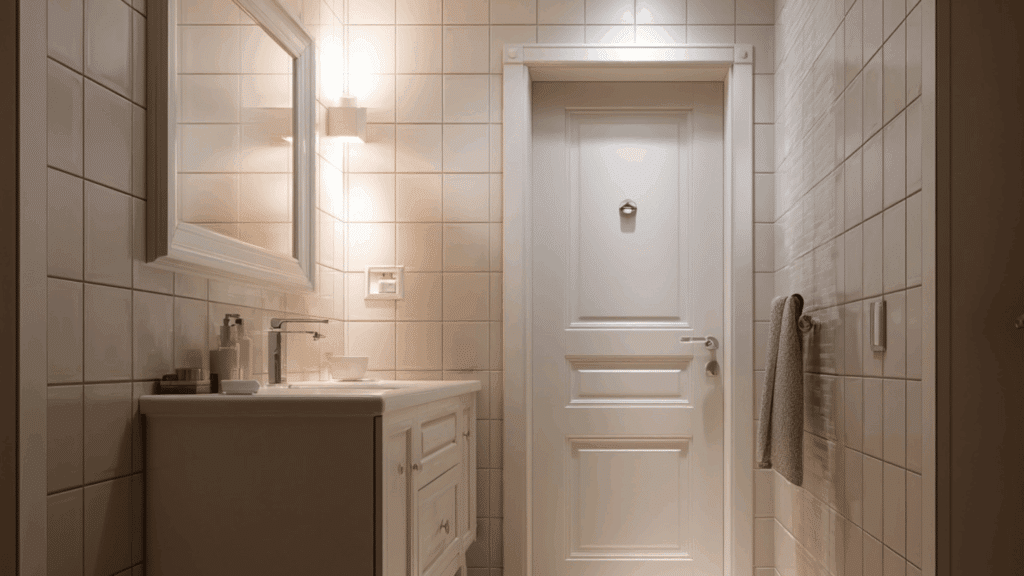
Bathroom doors usually stick to 28 or 33 inches in width.
The narrower dimension works fine since large furniture rarely enters these spaces. Standard height remains 80 inches.
Some building codes require minimum widths to accommodate wheelchair access, especially in new construction projects.
3. Closet Doors
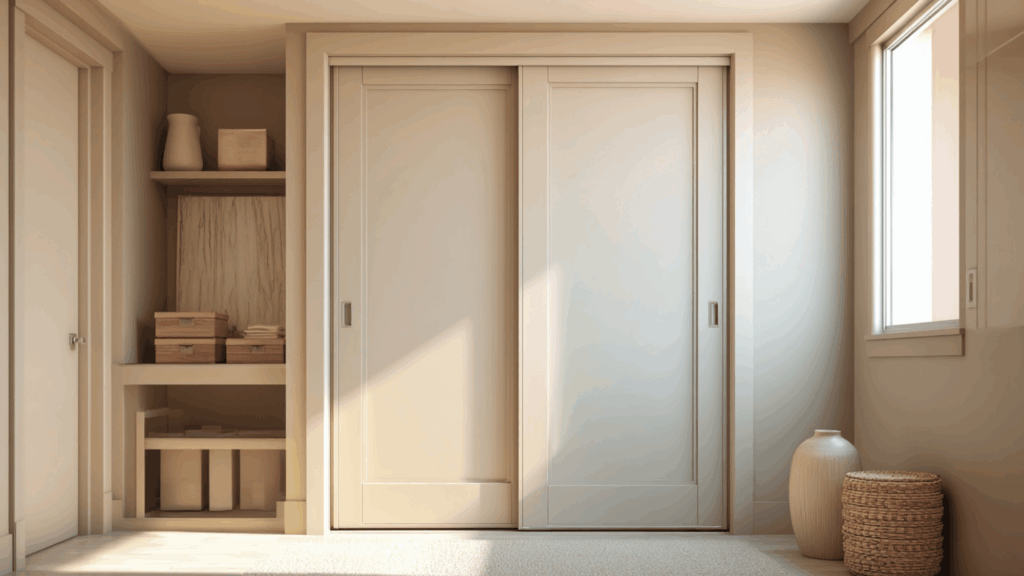
Closet doors vary widely depending on the closet type. Single doors often measure 24 to 30 inches wide.
Bi-fold and sliding options can span 48 to 72 inches or more.
The key consideration involves easy access to stored items while maximizing bedroom floor space. Height typically matches other interior doors at 80 inches.
4. Office and Conference Room Doors
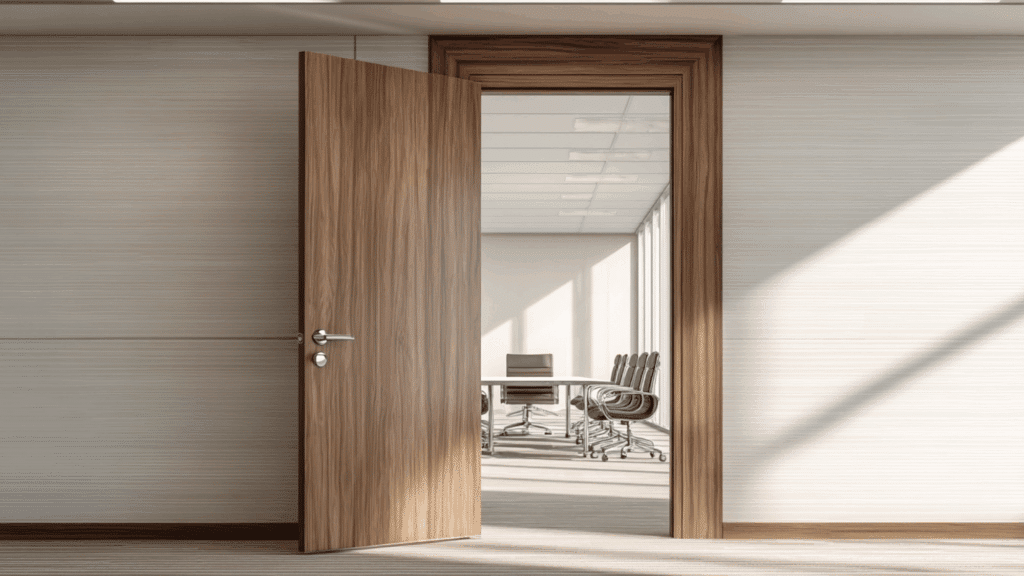
Commercial office doors commonly measure 36 inches wide to handle higher traffic and accessibility requirements. Conference rooms may feature double doors spanning 60 to 72 inches combined.
Height often reaches 84 inches in commercial buildings. These larger dimensions accommodate equipment, furniture delivery, and ADA compliance standards for wheelchair users.
5. Retail and Storefront Doors

Retail spaces demand doors between 36 and 48 inches wide for customer flow.
Storefront entrances frequently use double doors totaling 72 inches or wider. Height can reach 90 inches or more for visual impact.
These generous proportions welcome shoppers and allow merchandise delivery without obstruction or property damage.
Standard Exterior Door Width and Height for Entryways
Exterior doors face different demands than interior ones. Weather resistance, security, and first impressions all factor into sizing decisions. These measurements balance curb appeal with practical functionality.
1. Front Entry Doors
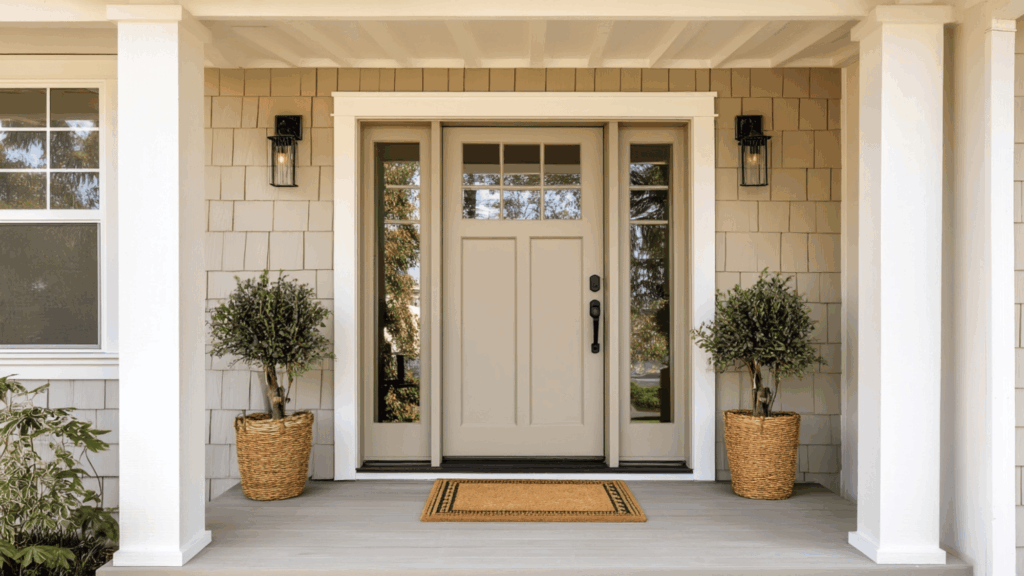
Front doors typically measure 36 inches wide and 80 inches tall. This extra width compared to interior doors accommodates moving large items in and out.
Many homeowners choose decorative options or sidelights to enhance curb appeal. The substantial size also improves energy efficiency and security with proper installation and quality materials.
2. Back and Side Entry Doors
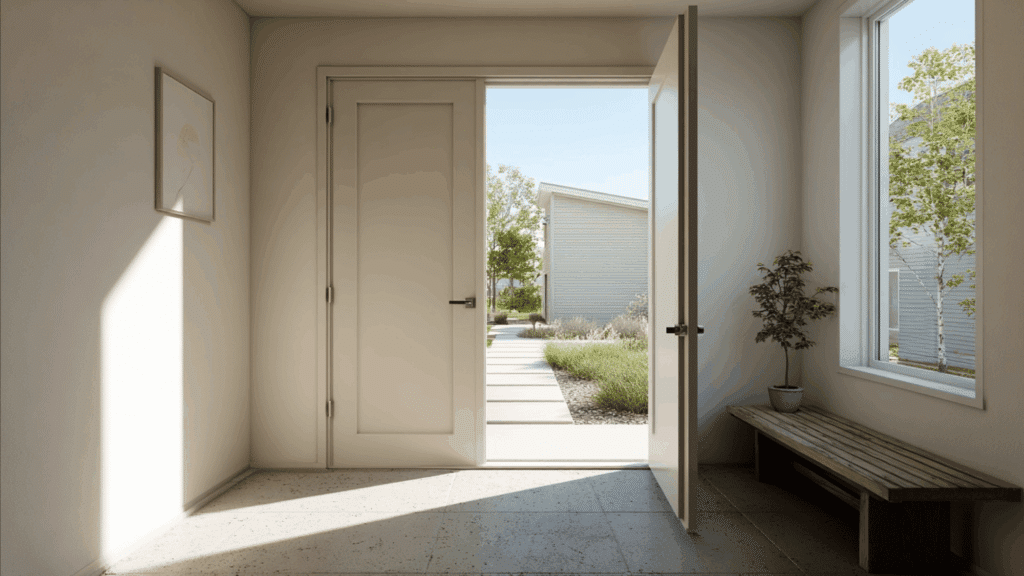
Secondary entry doors often measure 32 or 36 inches wide with a standard 80-inch height. These doors prioritize function over appearance, though quality matters for security.
Wider options help when carrying groceries or outdoor equipment inside. Some homes feature sliding glass doors in the back, which can span 72 inches or more for patio access.
3. Commercial Building Entry Doors

Commercial entries require a 36-inch minimum width per door to meet accessibility codes.
Many businesses install double doors totaling 72 inches for smooth customer traffic. Height commonly reaches 84 or 96 inches, as per the IBC codes for a professional appearance.
Panic hardware and fire ratings add to specifications. Heavy-duty construction withstands constant use throughout business hours.
4. Emergency Exit Doors
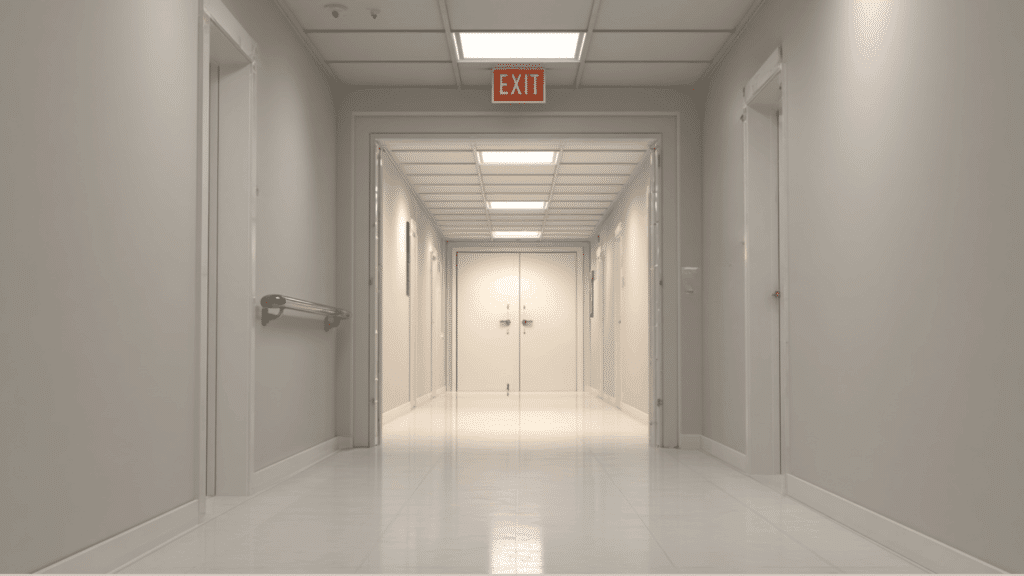
Emergency exits must meet strict code requirements, typically 36 inches wide minimum.
Height matches standard commercial doors at 84 inches. These doors feature push bars for quick egress during emergencies.
Building codes dictate placement and quantity based on occupancy loads. Proper sizing ensures people can evacuate safely without bottlenecks or dangerous crowding situations.
Cost of Standard vs Oversized Doors
Door pricing varies significantly based on size. Standard dimensions cost less due to mass production and readily available materials.
| Door Type | Standard Size Cost | Oversized Cost | Price Difference |
|---|---|---|---|
| Interior Hollow Core | $50 – $150 | $150 – $300 | 2-3x higher |
| Interior Solid Core | $150 – $400 | $400 – $800 | 2x higher |
| Exterior Wood | $300 – $800 | $800 – $2,000 | 2-3x higher |
| Exterior Fiberglass | $400 – $1,200 | $1,200 – $3,000 | 2-3x higher |
| Commercial Steel | $500 – $1,500 | $1,500 – $4,000 | 2-3x higher |
| Custom/Specialty | $1,000+ | $3,000+ | 3-5x higher |
Note: Prices include door slab only. Installation, hardware, and framing modifications add $200-$1,000+, depending on complexity and whether structural changes are needed for oversized openings.
Custom vs Standard Door Sizes: When to Upgrade
Standard doors work perfectly fine for most situations. They meet building codes, fit existing frames, and keep costs manageable. But certain circumstances call for custom dimensions.
Older homes with non-standard openings often require custom fitting. Historic properties may need specific sizes to maintain architectural integrity.
Accessibility needs can push homeowners toward wider doorways that exceed typical measurements.
Custom doors also make sense for statement entryways or unique design visions. Tall ceilings beg for proportionally taller doors. Luxury homes frequently feature oversized entries that create dramatic first impressions.
The decision comes down to necessity versus preference, balanced against budget constraints.
To Conclude
Door sizing might seem like a minor detail, but it shapes daily life in surprising ways.
Standard dimensions exist because they work. They balance cost, function, and universal accessibility. Most spaces thrive with these tried-and-true measurements.
That said, cookie-cutter solutions don’t fit every situation. Historic homes, accessibility needs, or design ambitions may justify custom work. The key is understanding when standard sizing serves the purpose and when investing more makes practical sense.
Armed with these measurements and insights, homeowners and business owners can make confident decisions that serve their spaces for years to come.