

Your roof is the single most important protective element of your home, yet most homeowners give it almost no thought until water starts dripping through the ceiling. By that point, what could have been a manageable repair often becomes an urgent, expensive full replacement.
I’ve walked hundreds of homeowners through the roof replacement process, and the experience is always stressful. The project costs tens of thousands of dollars, you’re dealing with contractors accessing your home daily, and one wrong decision can affect your property value and comfort for the next 20 years.
But roof replacement doesn’t have to be overwhelming. When you understand the warning signs that indicate it’s time for a new roof, what the process actually involves, and how to make smart material choices, you can approach this major investment with confidence rather than panic.
This guide breaks down everything you need to know: how to tell if you need replacement versus repair, what different roofing materials cost and how long they last, how to choose a contractor who won’t cut corners, and what to expect during the actual installation process.
Clear Warning Signs Your Roof Needs Replacement
Age: Asphalt shingle roofs last 20 to 25 years. If yours is approaching this age, start planning replacement even without obvious damage.
Widespread Shingle Damage: Curling edges, cupping, or missing granules across multiple sections indicate end of protective life—replacement makes more sense than extensive repairs.
Sagging Deck: Visible sagging signals serious structural problems requiring professional assessment and likely full replacement.
Interior Leaks: Multiple leak sources or widespread attic moisture damage indicate systemic problems only replacement can solve.
Daylight Through Boards: Seeing sunlight through roof boards means gaps allowing water intrusion.
Heavy Moss Growth: If moss returns within months after cleaning, shingles may be too deteriorated to shed water properly.
Excessive Granules in Gutters: Regular granule accumulation means shingles are breaking down. Once loss exceeds 30-40%, replacement is necessary.
Roof Replacement vs. Repair: Making the Right Choice
Not every roof problem requires complete replacement. Understanding when repair makes sense versus when replacement is the better investment prevents both overspending and making short-sighted decisions that cost more long-term.
Choose Repair When:
- Your roof is less than 15 years old
- Damage affects less than 25% of the total roof area
- The problem is localized to one section (storm damage, tree fall)
- Your budget is extremely limited and repair buys you 3 to 5 more years
- The underlying structure (decking, rafters) is sound
Choose Replacement When:
- Your roof exceeds 20 years old (for asphalt shingles)
- Damage appears across multiple roof sections
- You’re planning to sell within 5 years (new roofs add value and appeal)
- Repair costs exceed 30% of replacement cost
- You’ve had multiple repairs in the past 5 years
The 30% Rule: If repair costs approach 30% of full replacement cost, replacement usually delivers better value. Example: if repairs quote at $4,500 and full replacement costs $15,000, replacement makes more sense because you get a complete new roof with warranty instead of patching an aging system.
Understanding Roof Replacement Costs
Roof replacement ranks among the most expensive home improvement projects, typically ranging from $8,000 to $30,000+ depending on size, materials, and complexity.
The national average for asphalt shingle replacement on a standard 2,000 square foot home runs $12,000 to $18,000. However, costs vary significantly based on several factors. For detailed pricing breakdowns by size and material type, this comprehensive cost guide provides current market rates and factors that affect your final price.
Factors That Affect Roof Replacement Cost

Roof Size: Contractors measure roofing in “squares” (100 square feet). A typical single-family home ranges from 15 to 30 squares. Labor and materials are priced per square, so size directly impacts total cost.
Pitch and Complexity: Steep roofs (over 6:12 pitch) require additional safety equipment and take longer to install, adding 15% to 30% to labor costs. Complex rooflines with multiple valleys, dormers, or angles also increase both material waste and installation time.
Material Selection: Asphalt shingles are most affordable at $3.50 to $5.50 per square foot installed. Metal roofing runs $7 to $14 per square foot. Premium materials like slate or clay tile can exceed $15 to $25 per square foot.
Removal and Disposal: Tearing off existing roofing and disposing of materials adds $1 to $3 per square foot. Some contractors include this in their base price; others charge separately.
Geographic Location: Labor rates vary significantly by region. Urban areas and high cost-of-living markets charge 20% to 40% more than rural areas for identical work.
Structural Repairs: If roof decking has rot or water damage, replacement adds $2 to $5 per square foot for new plywood or OSB sheathing. Expect 10% to 30% of roofs to need some decking replacement.
Choosing the Right Roofing Material
Your material choice affects appearance, longevity, maintenance requirements, and total cost. Each option offers different tradeoffs worth understanding before you commit.
Asphalt Shingles
The most popular choice in North America, asphalt shingles balance affordability with decent performance. Modern architectural shingles last 25 to 30 years and come in hundreds of colors and styles.
Best for: Budget-conscious homeowners, straightforward installations, traditional home styles Lifespan: 20 to 30 years Cost: $8,000 to $16,000 for typical home
Metal Roofing
Metal roofs reflect solar heat, resist fire and wind, and last 40 to 70 years. They cost significantly more upfront but often provide better lifetime value for homeowners who plan to stay long-term.
Best for: Long-term homeowners, energy efficiency priorities, areas with severe weather Lifespan: 40 to 70 years Cost: $14,000 to $28,000 for typical home
Tile Roofing (Clay or Concrete)
Tile roofs excel in hot, dry climates and add distinctive Mediterranean or Spanish architectural character. They’re extremely durable but heavy, often requiring structural reinforcement.
Best for: Southwestern or Spanish-style homes, hot climates, homeowners prioritizing longevity Lifespan: 50 to 100+ years Cost: $20,000 to $40,000+ for typical home
Slate Roofing
Natural slate represents the premium tier of roofing materials. A properly installed slate roof can protect your home for over a century. However, slate requires specialized installers and substantial structural support.
Best for: Historic homes, high-end properties, homeowners wanting permanent solutions Lifespan: 75 to 100+ years Cost: $30,000 to $60,000+ for typical home
For detailed comparisons of these and other options including pros, cons, and specific costs, explore this complete guide to roof shingle types that breaks down nine common materials.
How to Choose a Reliable Roofing Contractor

Contractor selection matters as much as material choice. Poor installation voids manufacturer warranties and reduces lifespan by 30% to 50% regardless of material quality.
Essential Verifications
License and Insurance: Verify current contractor license through your state licensing board. Confirm they carry both liability insurance ($1 million minimum) and workers’ compensation. Request certificates of insurance directly from their carrier, not just copies they provide.
Local References: Ask for 5 to 7 recent local references, then actually call them. Ask specific questions about timeline adherence, cleanup quality, communication, and whether they’d hire the contractor again.
Written Estimates: Get at least three detailed written estimates. Each should itemize materials, labor, disposal, permits, and timeline. Vague lump-sum quotes suggest the contractor might cut corners or add unexpected charges later.
Red Flags to Avoid
Door-to-Door Solicitation After Storms: Legitimate contractors have full schedules from referrals and don’t need to knock on doors. “Storm chasers” often deliver poor work, then disappear before warranty issues arise.
Demands for Full Payment Upfront: Standard payment structure: 10% to 25% deposit, 50% when materials arrive, final 25% to 40% upon completion and your approval. Anyone demanding 100% upfront is likely a scammer.
No Physical Business Address: Contractors should have verifiable business locations, not just P.O. boxes or mobile-only operations. You need to be able to find them if problems arise.
Pressure Tactics: “This price is only good today” or “I have materials left from another job” are classic manipulation techniques. Legitimate contractors give you time to consider proposals and compare options.
The Roof Replacement Process Timeline
Week 1: Contractor orders materials and pulls permits ($150-$500). Prepare by clearing attic items, moving vehicles, removing wall hangings, and notifying neighbors.
Installation (1-3 days):
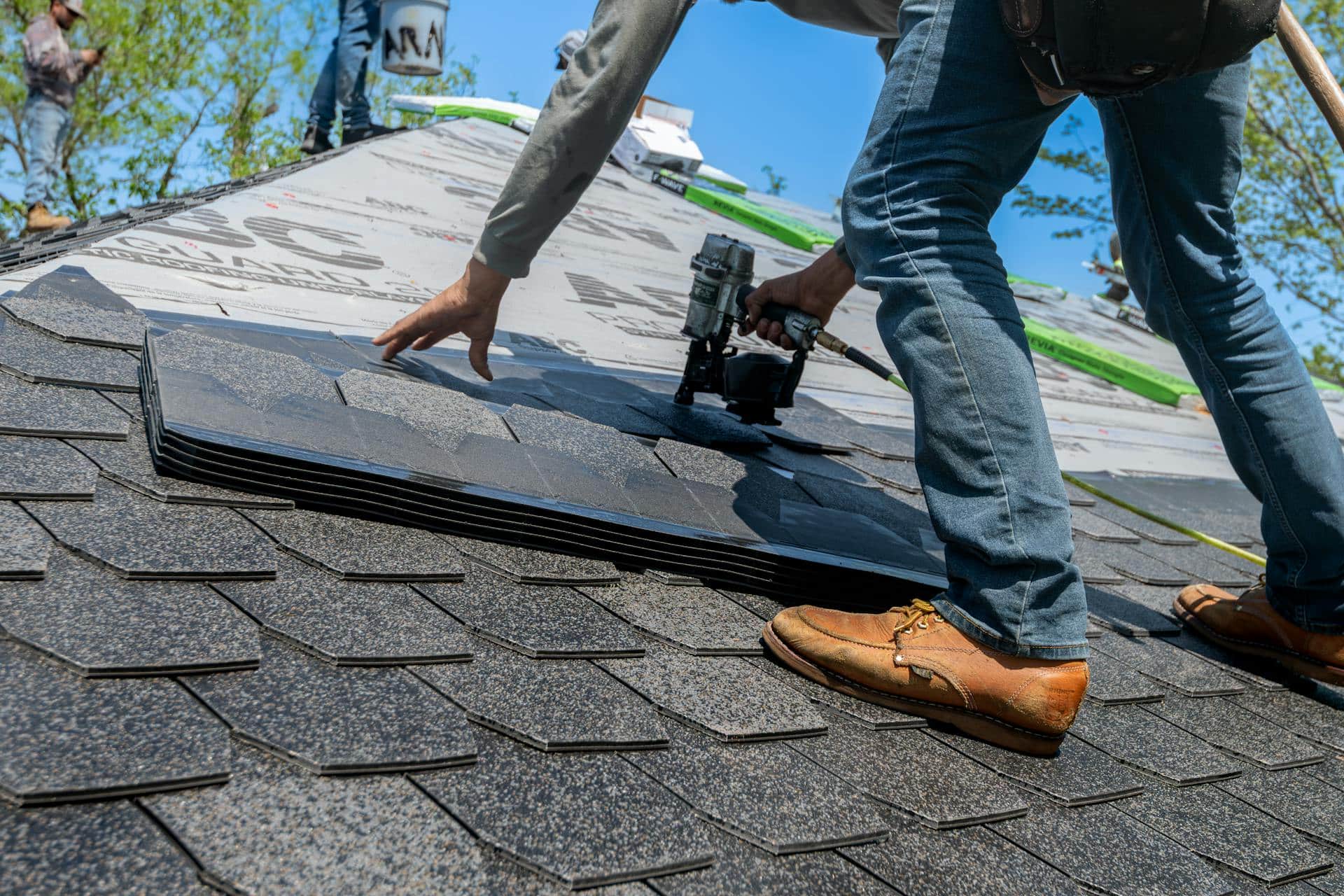
- Day 1: Tear-off and decking inspection/replacement (loudest day)
- Day 2-3: Underlayment and new roofing installation
- Final day: Ridge caps, flashing, and magnetic nail sweep
Week 2: Building department inspection and final payment (keep 10% until you receive signed approval).
What to Expect During Installation
Tear-off creates constant banging and vibration throughout your home. Plan to work elsewhere that day, and arrange for pets to stay away. Despite precautions, fine dust infiltrates your attic. Crews work 7 AM to 6 PM and need water/bathroom access. Professional contractors perform daily cleanup and magnetic nail sweeps.
Maximizing Your Roof Investment
Several strategies ensure you get the best value from your roof replacement investment.
Timing Your Replacement
Best Time: Late spring (April-May) or early fall (September-October) Mild temperatures help materials seal properly. Contractors have more availability than peak summer season, potentially lowering costs by 5% to 10%.
Avoid: Peak summer (June-August) or winter months Summer brings high demand and maximum pricing. Winter installations risk improper adhesive curing in cold temperatures.
Hurricane Season Consideration: If you’re in coastal areas, complete work before peak hurricane season (August-October). Emergency replacements during storm season cost 20% to 40% more.
Upgrades Worth Considering
Impact-Resistant Shingles: Class 4 (highest rating) shingles resist hail damage and often qualify for 10% to 30% insurance premium discounts. The upgrade costs $500 to $1,500 more but pays back through lower premiums and less storm damage.
Improved Ventilation: Ridge vents combined with soffit vents create proper airflow that extends shingle life by 15% to 20% and reduces cooling costs. Budget $500 to $1,200 for comprehensive ventilation upgrades.
Ice and Water Shield: This self-sealing underlayment prevents ice dam damage in cold climates and provides extra leak protection in valleys. Standard installation uses it minimally; upgrade to full coverage in critical areas for $300 to $800 more.
Synthetic Underlayment: Superior to traditional felt paper, synthetic underlayment resists tears and water better. The upgrade adds $200 to $400 but provides better protection if installation extends across multiple days due to weather.
Understanding Roof Replacement Warranties
You receive two separate warranties:
Manufacturer’s Material Warranty (25-30 years): Covers manufacturing defects and premature material failure, but excludes installation errors, storm damage, and maintenance neglect. Many “lifetime” warranties only provide full coverage for 10-15 years, then pro-rate.
Contractor’s Workmanship Warranty (5-10 years): Covers installation quality, leak repairs from improper installation, and fastener failures. Get this in writing—verbal promises are worthless later.
Common Mistakes Homeowners Make
These errors cost thousands in preventable expenses or regret:
Mistake #1: Choosing Based on Price Alone The lowest bid often comes from contractors who cut corners, use subpar materials, or plan to add charges later. The highest bid may include unnecessary upgrades. Get three estimates and choose the middle option with the most detailed proposal.
Mistake #2: Not Checking the Existing Deck Many contractors quote based on assumptions about deck condition. When they discover rot during tear-off, you face unexpected costs. Request that estimates include allowances for potential deck replacement (10% to 20% of deck area is reasonable).
Mistake #3: Ignoring Ventilation Proper attic ventilation extends roof life significantly. If your contractor doesn’t discuss ventilation during estimates, they’re either cutting corners or don’t understand roofing system fundamentals.
Mistake #4: Skipping Permit Process Some contractors offer to “save money” by skipping permits. This puts you at risk. Unpermitted work may not meet code, can complicate insurance claims, and creates disclosure problems when selling your home.
Mistake #5: Not Reading Warranty Fine Print Understand what’s covered, for how long, and what actions void coverage. Some warranties require regular professional inspections to remain valid. Others become void if you hire different contractors for repairs.
Preparing Your Home for Roof Replacement
Exterior: Move vehicles away, trim tree branches within 10 feet of roofline, protect landscaping, and relocate outdoor furniture.
Interior: Cover attic items with plastic, remove wall hangings that might fall from vibration, and arrange for pets to stay elsewhere during tear-off day.
Neighbors: Alert them about timeline and noise to maintain good relationships.
Energy Efficiency and Your New Roof
Cool Roof Technology: Light-colored or coated shingles reflect more solar radiation, reducing cooling costs by 10-15% in hot climates for $500-$1,000 upgrade.
Insulation Opportunity: Upgrade attic insulation to R-30 to R-49 while the roof is open—cheaper than standalone projects.
Ventilation: Balanced soffit and ridge vents remove heat and moisture, extending shingle life and reducing energy costs.
What Happens After Installation
Walk your property with the contractor before final payment, verifying debris removal, magnetic nail sweep completion, proper flashing installation, and secure gutter reattachment.
Ensure building department inspection happens—you need signed approval for warranty activation, insurance documentation, and future home sales. Register your manufacturer warranty within 30-60 days to ensure coverage remains valid.
Long-Term Maintenance for Your New Roof
Annual Inspections: Walk your property each spring and fall, using binoculars to check for damage.
Gutter Cleaning: Clean twice yearly minimum (quarterly with heavy tree coverage) to prevent water backup.
Trim Branches: Keep trees 6-8 feet from roofline to prevent debris and shingle wear.
Professional Inspections: Schedule every 3-5 years, especially after severe weather.
Address Problems Immediately: A $200 repair today prevents a $2,000 repair next year.
Insurance Considerations for Roof Replacement
Most policies cover sudden damage from storms, hail, fire, or falling objects, but exclude normal wear, aging, and neglect. Replacement Cost Value (RCV) pays full cost without depreciation; Actual Cash Value (ACV) deducts depreciation—a 20-year-old roof might receive only 40% payout under ACV.
Check your policy and consider upgrading to RCV if you have ACV—the premium difference is often minimal compared to coverage gap.
Final Thoughts
Roof replacement represents a significant investment in your home’s protection, comfort, and value. While the cost seems daunting, a quality roof installed by skilled professionals provides decades of worry-free performance.
The key is approaching the project informed and prepared. Understand the warning signs that indicate it’s time. Get multiple detailed estimates from verified contractors. Choose materials appropriate for your climate, budget, and long-term plans. Prepare your home properly for installation. Then maintain your investment through regular inspections and prompt repairs.
Start by assessing your current roof’s condition honestly. If it’s approaching 20 years old or showing multiple warning signs, begin researching contractors and gathering estimates now rather than waiting for an emergency. The homeowners who have the best experiences with roof replacement are those who plan proactively rather than react to crises.
Your roof protects everything inside your home—your family, possessions, and comfort. That protection is worth the investment in doing it right.