

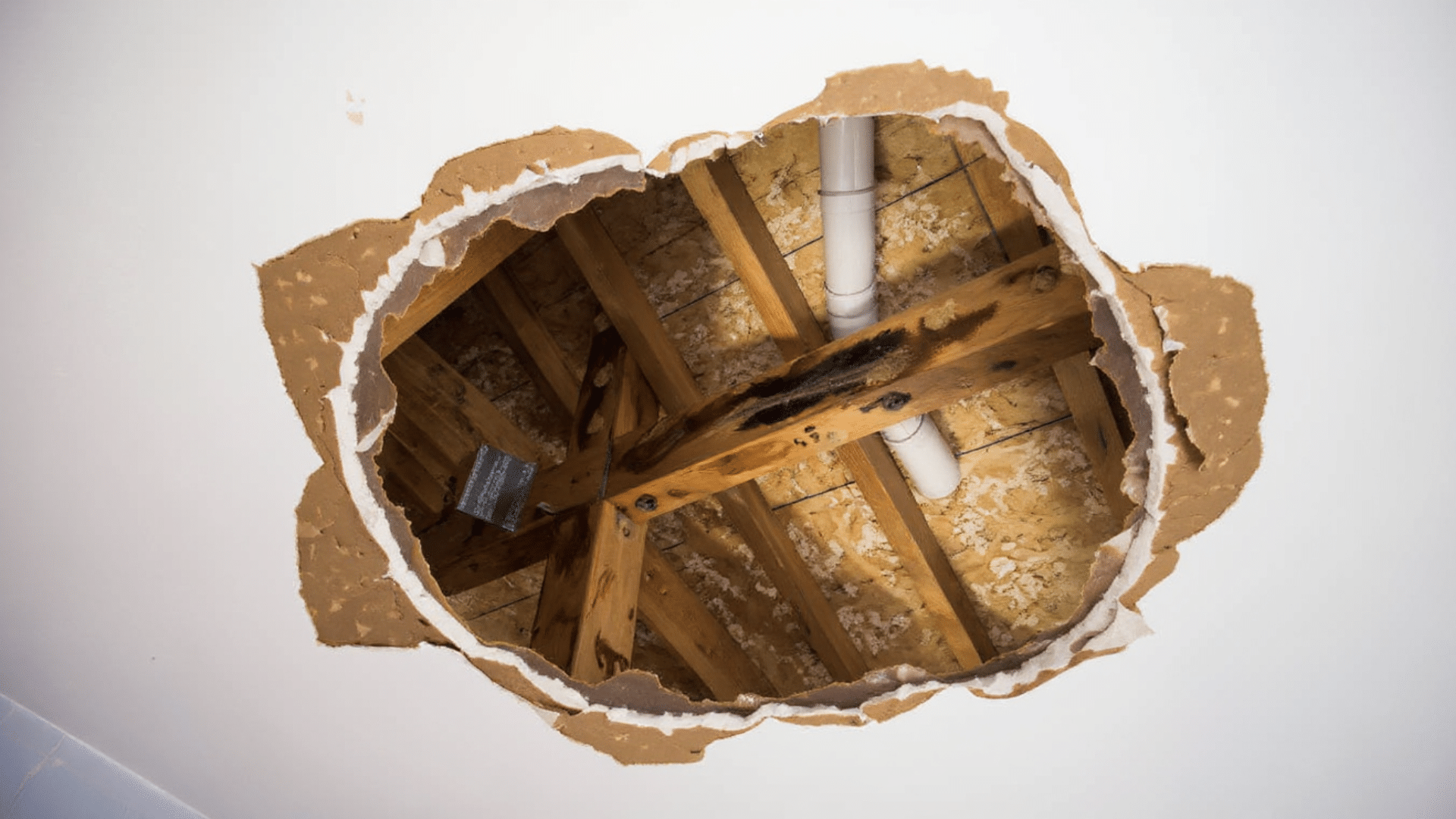
Drywall can get damaged from daily wear, moving furniture, or water leaks. Even small holes or cracks can be a problem if left alone.
Many homeowners want to fix it, but aren’t sure what a fair price looks like. A high quote may raise doubts.
A low one may seem too good to be true. It can be hard to tell what’s normal. The cost of drywall repair can change depending on the job. It may be a quick patch or something bigger.
This blog gives an easy look at what goes into the price. It’s a helpful guide for understanding repair costs.
What is Drywall?
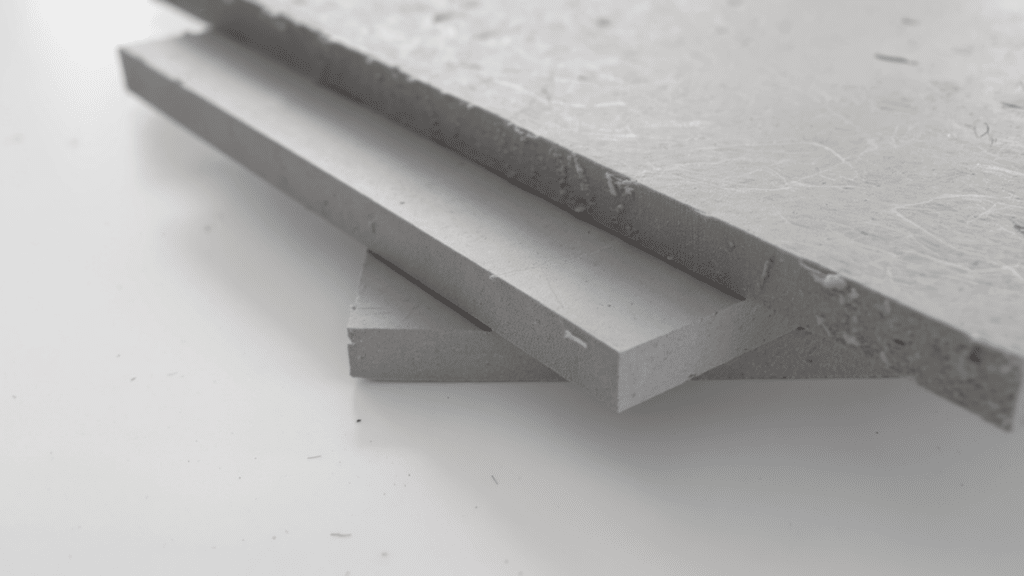
Drywall is a common material used to build walls and ceilings inside homes. It is also called Sheetrock.
It is made from a soft mineral called gypsum, which is placed between two sheets of thick paper. Drywall comes in large, flat boards that are easy to cut and install.
Once in place, it can be painted or finished to look smooth and clean. Drywall is popular because it is quick to use and not too expensive.
However, it is not very strong. It can get holes, cracks, or dents from bumps, leaks, or accidents, even if the damage is small.
Common Types of Drywall Damage
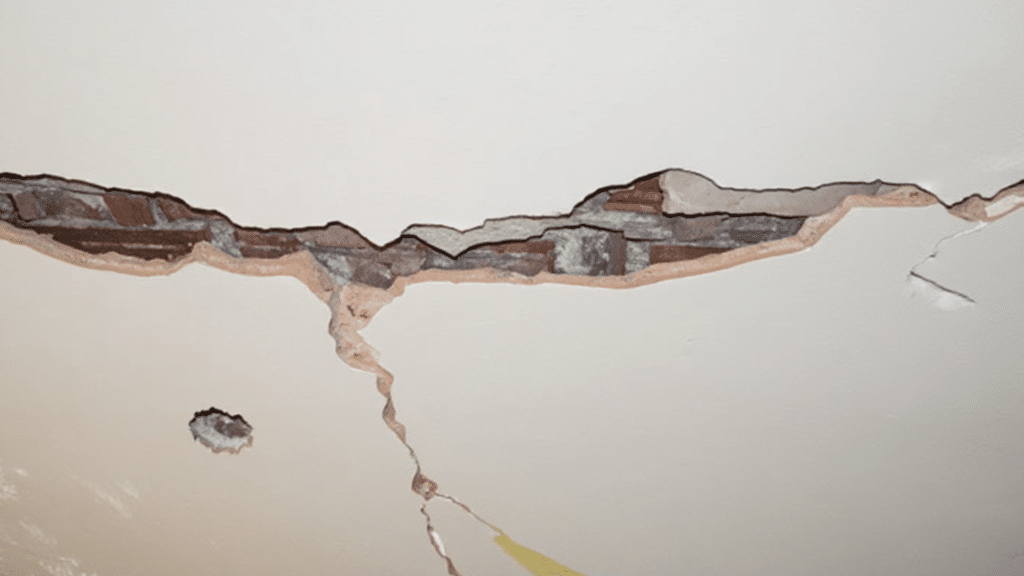
Knowing the type of damage helps you understand the cost. Some jobs are small. Others take more time and skill. Here are the most common types:
- Small Holes: Nails, screws, or door handles can cause these. They are easy to fix and cost less.
- Medium Holes: These are often made by accident, like a doorknob hitting the wall or a small leak. They may need patching with new drywall.
- Large Holes: These may come from water damage or impact. They need more materials and labor. Full sections of drywall may need to be replaced.
- Cracks: Cracks can appear near doors, windows, or ceilings. They may come from house movement or poor installation.
- Water Damage: Leaks from pipes or roofs can soak drywall. Wet drywall may sag or grow mold and usually needs to be replaced.
Average Drywall Repair Cost
Drywall repair costs can vary based on the size of the damage, how it’s fixed, and who does the work. Below are the most common price ranges homeowners can expect.
| Type of Damage | Average Cost (Per Repair) |
|---|---|
| Small holes/cracks | $50 – $150 |
| Medium holes | $150 – $300 |
| Large holes | $300 – $800 |
| Water damage repair | $500 – $1,200 |
| Full wall replacement | $1,000 – $3,000+ |
Note: Prices may vary based on your location and who you hire.
Cost Per Square Foot
Another way to look at drywall repair cost is by square foot.
- Minor repair: $2 – $4 per sq. ft.
- Moderate repair: $4 – $6 per sq. ft.
- Major repair or full replacement: $6 – $10+ per sq. ft.
For example, if you need to fix a 10 sq. ft. hole, you might pay $50 to $100 for a basic patch, or more if it includes sanding, painting, and cleanup.
Factors that Affect Drywall Repair Cost
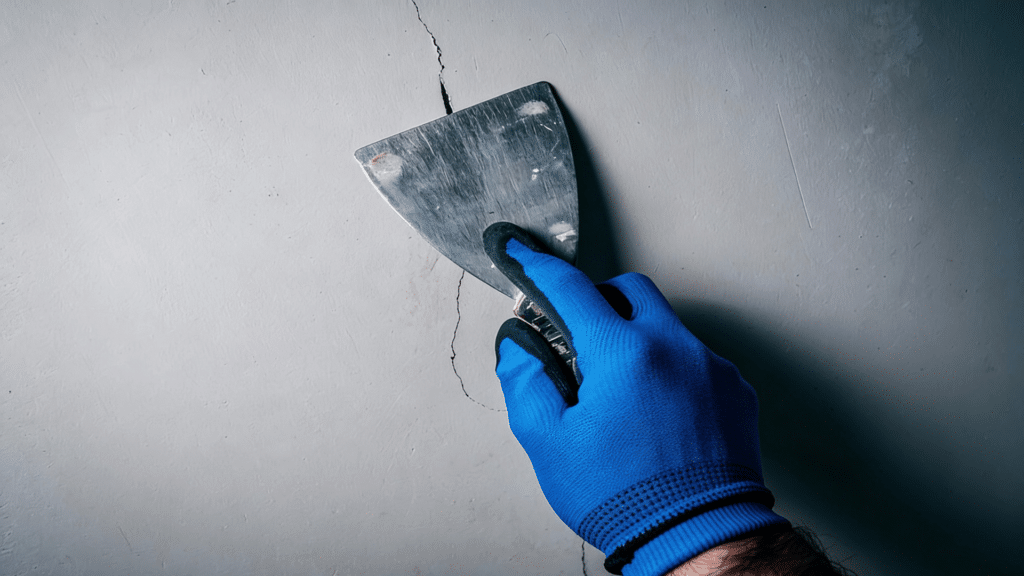
Not all drywall repairs cost the same. The final price depends on many things. Here are the main factors that can change the price:
1. Size of the Damage
The size of the damage plays a big role in the cost. A small hole from a nail or screw is quick and cheap to fix.
Larger holes, like ones caused by leaks or accidents, take more time, labor, and materials. Bigger areas may need full drywall sheets replaced, which makes the job longer and more expensive.
2. Type of Repair
Not all drywall problems are the same. A light surface crack may only need a little joint compound and sanding. But deeper cracks or holes may need to be cut out and replaced with new drywall.
Ceiling damage also costs more to fix than wall damage. The more steps the repair needs, the more the price goes up.
3. Location of the Damage
Where the damage is can affect the cost. Damage on flat, open walls is easier to fix. But if it’s near the ceiling, behind heavy furniture, or in a tight space, it takes more time and effort to reach.
Ceiling jobs often cost more because they need ladders and extra tools to complete safely and smoothly.
4. Labor Costs
Labor is often the largest part of the drywall repair cost. Rates depend on your area and the worker’s experience. In cities, rates are usually higher. Some charge by the hour, while others charge per job.
Labor can range from $40 to over $100 an hour. Bigger or complex jobs may also need more than one visit.
5. Material Costs
Materials include drywall sheets, tape, joint compound, screws, and paint. For a small fix, a patch kit may be enough. Larger jobs need more supplies, and matching the wall texture can also cost extra.
Paint and primer may not be included in the base cost. While not as high as labor, materials still affect the total price.
6. Water or Mold Damage
Drywall that’s been damaged by water is often soft, weak, or moldy. In most cases, it needs to be cut out and replaced.
Mold testing, drying, sealing, and using special paints will all raise the price. These jobs take longer and often need more care to make sure the problem doesn’t come back.
7. Finishing and Painting
A repair isn’t complete until the wall looks smooth and clean again. That means sanding, painting, and sometimes adding texture to match the rest of the wall.
Some drywall has a special pattern like knockdown or orange peel, which takes time to copy. If the wall color doesn’t match, you might also need complete repainting.
DIY vs. Hiring a Pro
When it comes to fixing drywall, homeowners often ask: Should I do it myself or call a pro? Each option has its pros and cons. The best choice depends on the size of the job, your budget, and how comfortable you are with tools.
| Feature | DIY Repair | Hiring a Pro |
|---|---|---|
| Cost | $20 – $100 (for small kits and tools) | $150 – $1,000+ depending on job size |
| Skill Needed | Basic tools and patching knowledge | No skill needed, handled by trained experts |
| Best For | Small holes, cracks, or dents | Large holes, ceilings, water damage, and texture matching |
| Time Required | Several hours to a full day | Usually faster, often done in a few hours |
| Quality of Finish | It may be uneven if you’re not experienced | Smooth, clean, and matches the original surface |
| Tools and Materials | Must buy or borrow tools like tape, putty, and sandpaper | Usually included in the service price |
| Risk of Mistakes | Higher risk, may need to redo the work | Low risk, professionals know how to fix it right |
| Cleanup | You clean up everything yourself | Many pros include cleanup in the price |
What People Say About Drywall Repair Prices
In online discussions (Reddit, Quora, home improvement forums), people often talk about the same ideas:
- Always get multiple quotes: Many users say that one estimate might be high, but another pro can give a lower price for the same job.
- Know what’s included: People warn others to ask if paint, texture matching, and cleanup are part of the quote, because leaving these out can make a “low” price turn into a higher final bill.
- Prices depend on location and skill: Users note that rates differ by city and by whether a handyman or a licensed contractor is doing the work.
- DIY for tiny jobs can save money: Forum members often suggest patch kits for small holes, but hiring a pro for bigger repairs keeps the finish clean and smooth.
What’s Included in a Drywall Repair Quote?
When you get a drywall repair quote, it’s essential to know precisely what you’re paying for.
A good quote should clearly list the cost of materials, such as drywall sheets, joint compound, tape, and screws. It should also include labor charges, which may be billed by the hour or as a flat rate for the full project.
In many cases, cleanup and disposal of debris are also part of the quote. If you want the wall to look new, finishing work, like texture matching, sanding, and painting, should be included.
If painting is not part of the quote, make sure to ask how much it would cost to add it.
How to Save Money on Drywall Repair
Drywall repair costs can add up. Here are a few tips to save money:
- Bundle Jobs Together: If you have more than one area to fix, do it at once. You may get a lower rate.
- Do Prep Work Yourself: Clear the space. Remove wall hangings. This saves the pro time, which can cut labor costs.
- Paint Yourself: Ask the pro to fix the drywall and do the painting on your own.
- Fix Small Holes Yourself: Buy a small repair kit for nail holes or small cracks. These are easy to patch.
- Avoid Emergency Repairs: Plan the job. If you wait for a leak to cause more damage, the cost goes up fast.
To Conclude
It’s not always easy to know if a drywall repair quote is fair. Prices change based on the size, location, and type of fix.
That’s why it helps to learn what others are paying and what pros include in their price. A precise quote should list labor, materials, and finish work.
Don’t be afraid to ask questions or compare options. Taking a little time to check the details can save you money and stress. Big or small, every repair should leave your wall looking clean and smooth.
Still unsure about your quote? Leave a comment or share your experience with others below.