

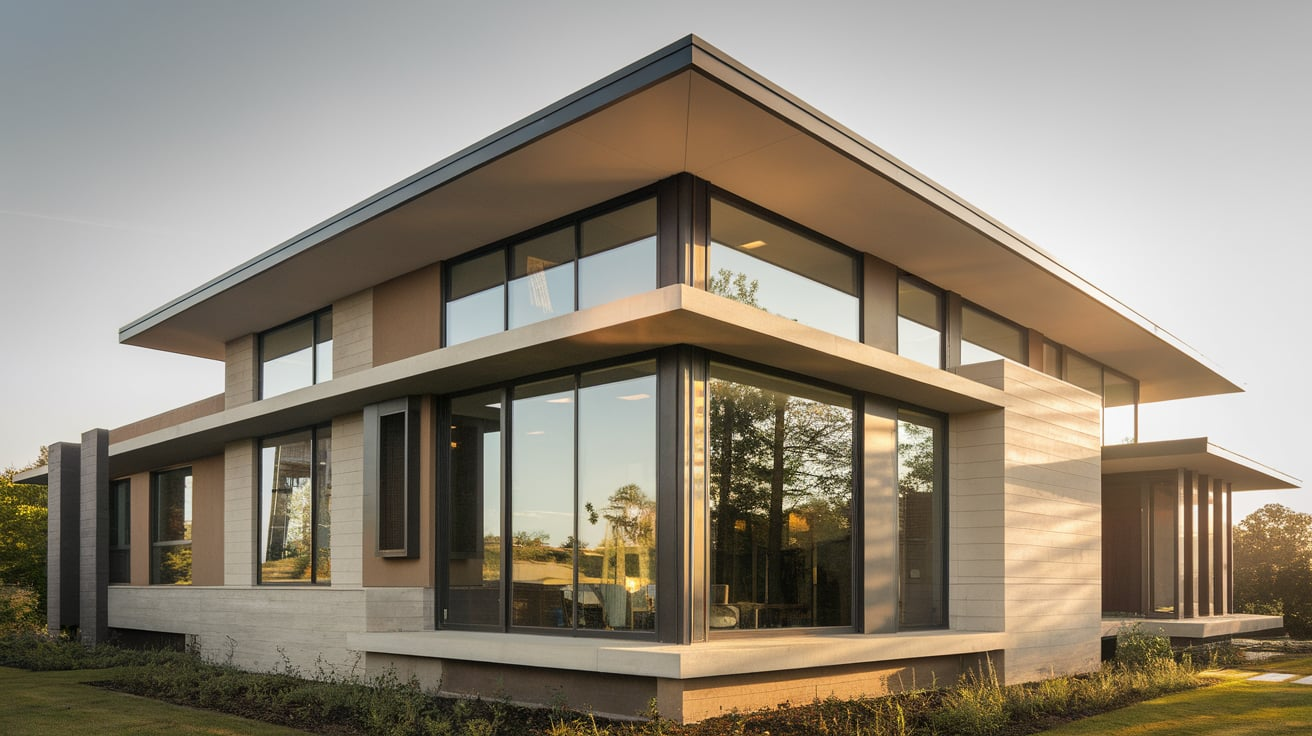
Contemporary home style is a popular choice for many today. It feels clean, fresh, and up to date. This design focuses on simple lines and open spaces.
It often looks calm and easy to live in. People like it because it feels new but still warm. The style fits many types of homes, from small city houses to large family spaces.
It’s not too fancy and not too old. The look can change over time, but it always feels current.
This blog shares what makes a home contemporary. It gives a clear view of the style and how it works. Everything is explained in a way that’s easy to follow.
What Does “Contemporary” Really Mean?
The word contemporary means “present-day” or “current.” So, a contemporary home style reflects the design trends of today.
It does not follow one fixed set of rules. Instead, it changes over time to fit modern tastes.
A contemporary home from 1990 looks very different from one built in 2025. That’s because this style always keeps up with what feels fresh and new.
It often borrows from other styles, like mid-century modern, industrial, or minimalist, and mixes them in a way that works now.
How Contemporary Differs from Modern
Some people think modern and contemporary mean the same thing, but they do not. Modern homes follow a design style that started in the early to mid-1900s. That style is fixed and doesn’t change.
Contemporary homes, on the other hand, always move forward. They change with the times. What was contemporary ten years ago may no longer be the same today.
To keep it simple:
- Modern = fixed past style
- Contemporary = present and always changing
Key Features of Contemporary Home Style
Contemporary home style is easy to spot once you know what to look for. Here are the main features that define this clean and modern look:
Clean Lines and Simple Shapes
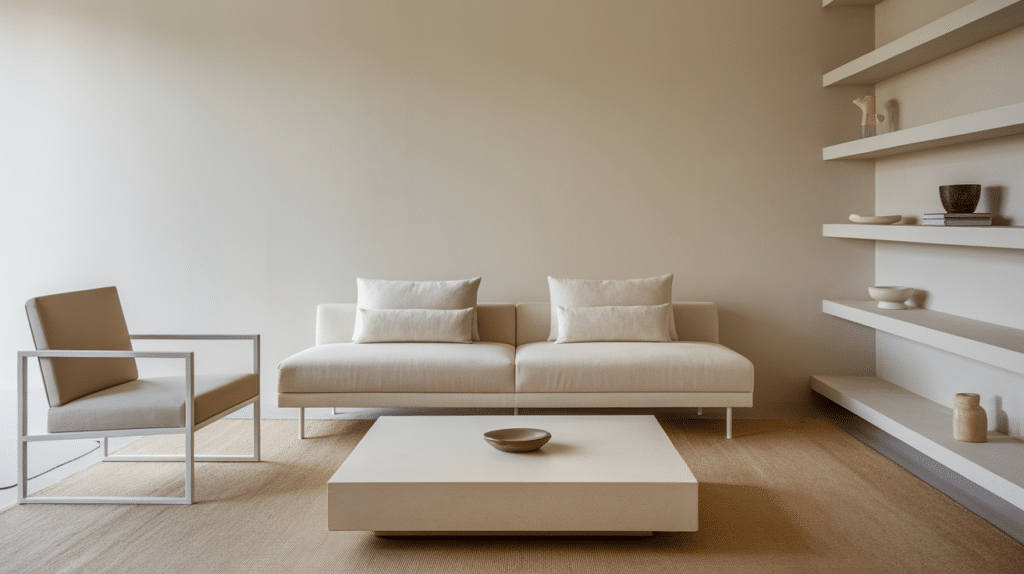
One of the first things you notice in a contemporary home is the clean lines. The walls, windows, and furniture often have simple shapes with straight edges. There is not much decoration or extra detail.
Things are not overly fancy or busy. You won’t find carved trims, detailed moldings, or heavy curtains. Instead, you will see flat surfaces, straight legs on chairs, and square or rectangular tables.
This makes the home feel neat and calm. It’s easy on the eyes and helps create a peaceful space.
Open and Airy Spaces
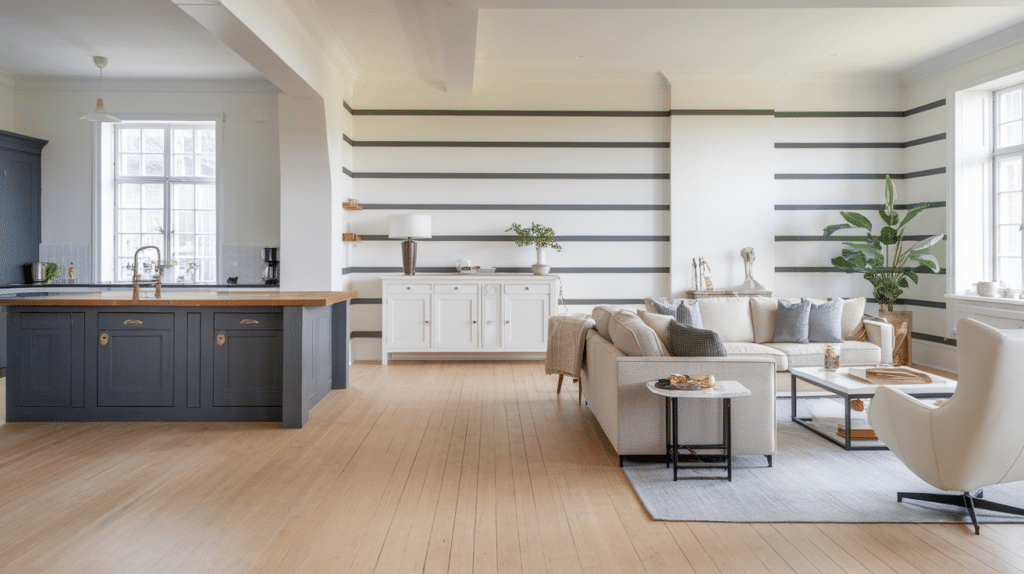
Contemporary homes love open floor plans. That means fewer walls and more connected rooms. The kitchen, dining, and living areas often flow together.
This setup makes the home feel bigger and brighter, even if the house is small. It’s great for families and for people who like to have guests over. It also allows more light to move through the space.
You will also notice high ceilings in many contemporary homes. This adds to the open feel and gives the home a modern touch.
Large Windows and Natural Light
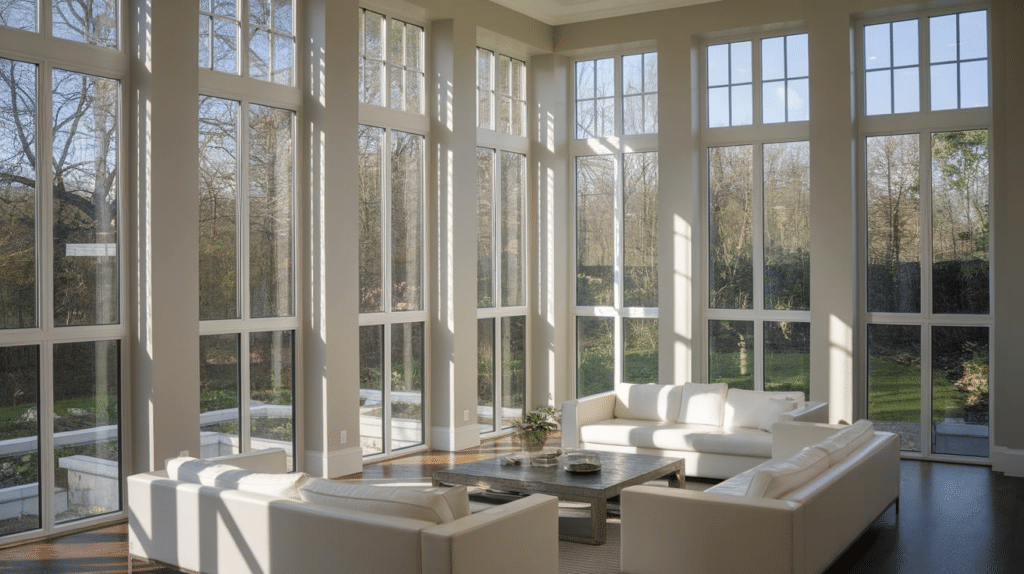
Windows play a big role in the contemporary home style. Many homes in this style have floor-to-ceiling windows, big glass doors, or wide panels that let in light.
These windows not only bring in sunlight but also help connect the indoor space to the outdoors. You might be able to see your yard, garden, or view clearly from your couch.
Natural light is a key part of this style. It makes the home feel fresh, clean, and open.
A Soft and Neutral Color Palette
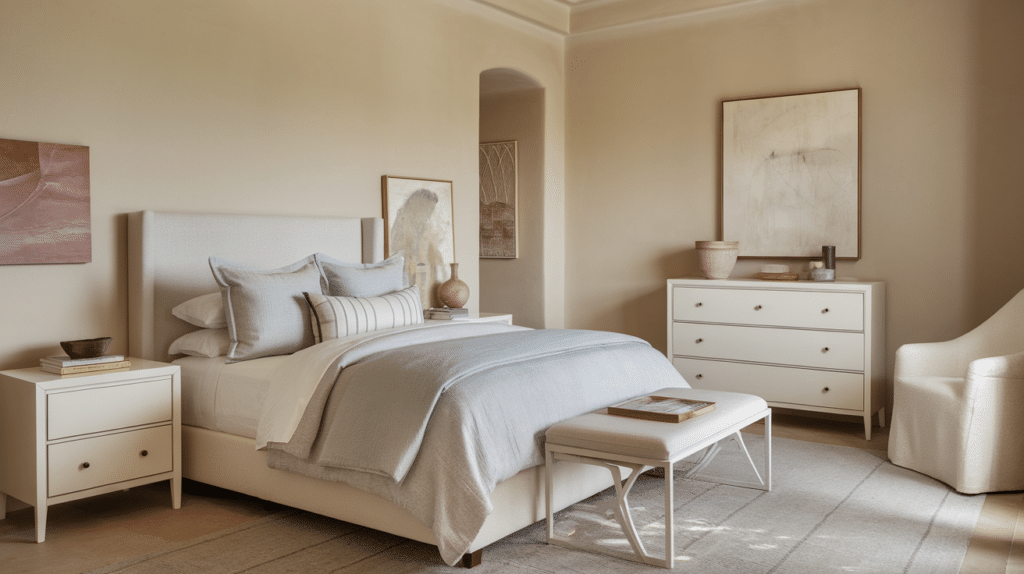
Contemporary homes often use neutral colors like white, gray, beige, and soft brown. These colors create a calm and welcoming feel. They also help make the space look clean and not too busy.
But that doesn’t mean contemporary homes are boring. Many add pops of color with art, pillows, or rugs. You might see bold colors like navy blue, deep green, or burnt orange used in small ways.
The base of the home stays soft and light, and color is used in a smart and simple way.
Focus on Natural and Simple Materials
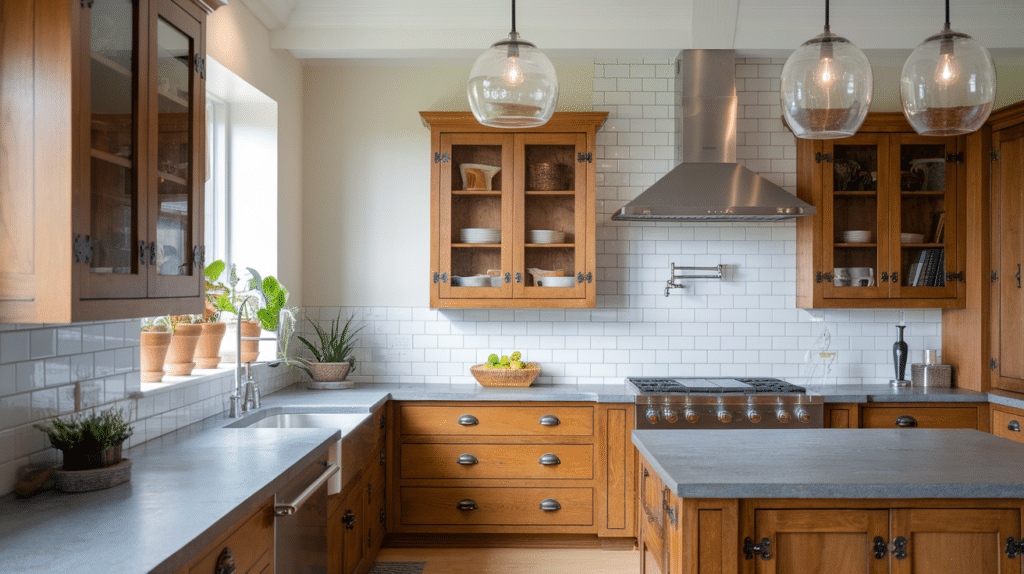
Materials used in contemporary homes are often natural and straightforward. Some common ones include:
- Wood: Light or dark woods for floors, furniture, or wall panels.
- Glass: Large windows, clear stair railings, or table tops.
- Metal: Steel, black iron, or brushed brass for fixtures and accents.
- Stone: Quartz, marble, or concrete for counters and floors.
These materials are often mixed together to add texture and contrast. For example, a home might have a wood floor, metal lights, and a concrete wall, all in the same room.
Minimal Decoration

In a contemporary home, less is more. There is not much clutter. Furniture pieces are often chosen with care and have more than one use.
Decor items are few but picked with intention. For example:
- One large piece of art on the wall
- A single tall plant in the corner
- A few clean-lined shelves
This helps keep the space looking tidy and peaceful. It also means that each item in the room matters.
Smart Use of Technology
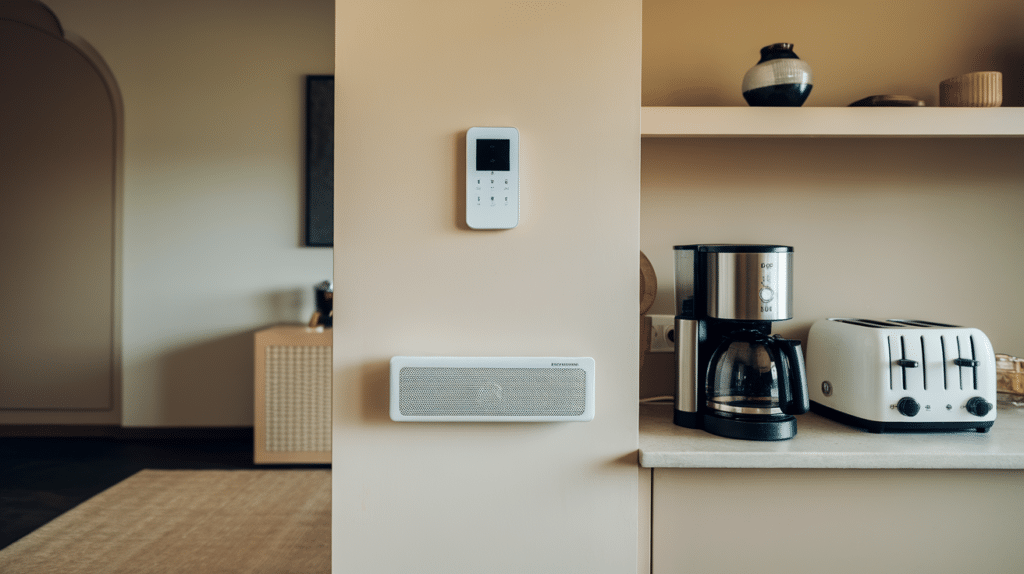
Contemporary homes often include modern technology. These can make life easier and add to the style. Some examples include:
- Smart lighting you can control with your phone
- Built-in sound systems
- Smart thermostats
- Energy-saving windows and appliances
These upgrades are usually hidden or built into the design, so they don’t make the home feel crowded. They add function and ease without taking away from the clean look.
Flexible and Functional Layouts

Contemporary homes are not just about looks. They also focus on how people live. That means the layout often fits daily needs. You might find:
- Multi-use spaces, like a guest room that’s also a home office
- Open kitchens with large islands for eating and working
- Mudrooms or laundry rooms with lots of storage
The goal is to make the space both beautiful and useful. Every part of the home should serve a purpose.
Sustainable and Eco-Friendly Design
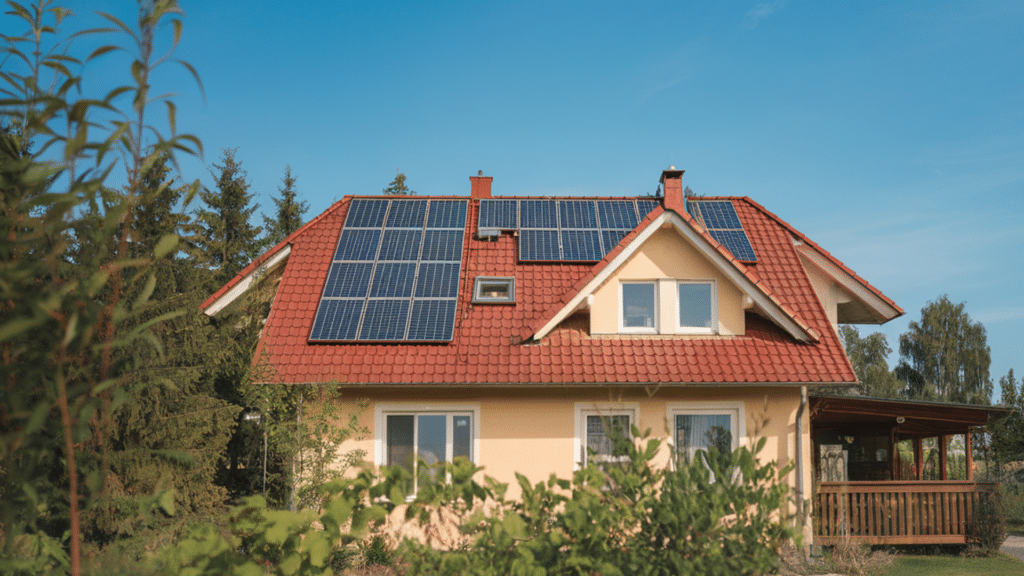
Another big part of the contemporary home style is being green. Many new homes in this style use materials and designs that are better for the planet. This includes:
- Recycled or eco-friendly building materials
- Solar panels
- Energy-efficient windows and doors
- Low-flow water fixtures
This kind of design not only helps the earth but also cuts down on energy bills. It’s a win-win for many homeowners.
Furniture
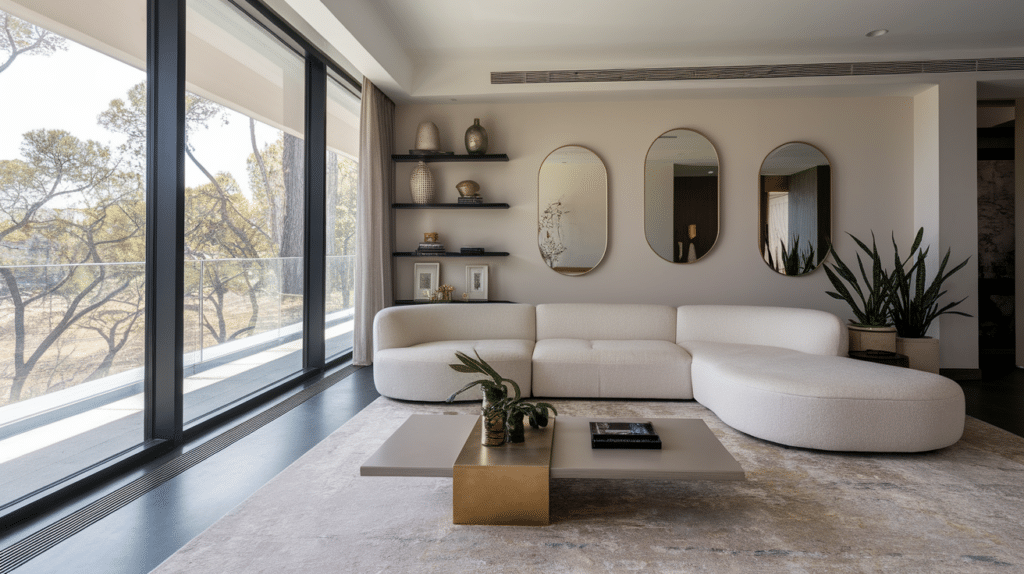
Furniture in contemporary homes is simple and low-profile. This means it does not take up too much space or grab all the attention. Common traits include:
- Clean lines and smooth shapes
- Neutral or bold solid colors
- Soft fabrics like cotton, wool, or leather
- Metal or wood legs
Sofas are often deep and comfy but not overstuffed. Tables are sleek and may have glass tops or metal bases. Chairs have simple forms that fit well with the rest of the home.
Art and Decor Choices
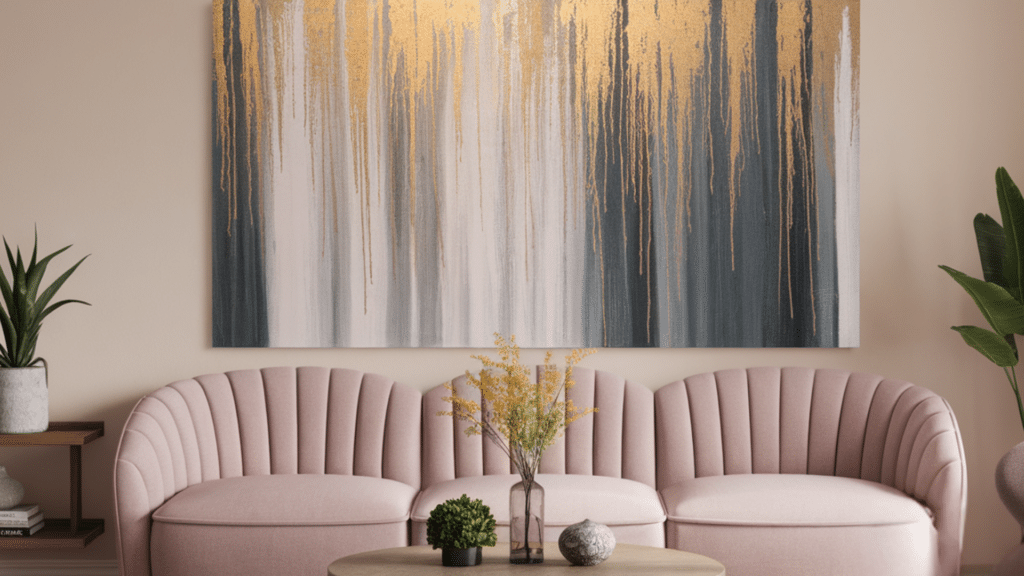
Decor in contemporary homes is thoughtful and minimal. Each item is chosen to fit the look and feel of the space. You may find:
- Large wall art with bold colors or abstract shapes
- Sculptural pieces made from metal or stone
- Natural items like driftwood, plants, or dried flowers
Rugs, curtains, and pillows are usually in solid colors or simple patterns. The goal is not to distract but to support the calm feel of the home.
Common Types of Contemporary Homes
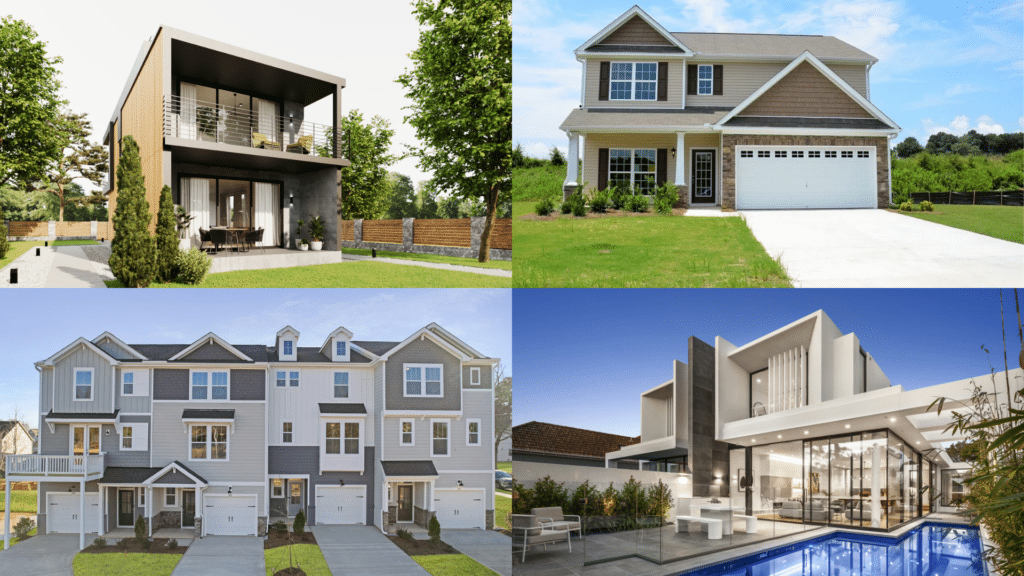
Contemporary home style works well in many kinds of buildings. Here’s a table that shows some common types and what makes each one special:
| Type of Home | Key Features |
|---|---|
| Urban Loft | Open floor plan, high ceilings, exposed pipes or brick, large windows |
| Suburban Home | Clean exterior lines, neutral colors, large windows, updated layouts |
| Tiny House | Smart use of space, multi-use furniture, open layout, clean design |
| Luxury Home | High-end materials, tech features, open living areas, sleek modern finishes |
| Townhouse | Narrow layout, vertical space use, simple design, modern touches |
| Eco-Friendly Home | Solar panels, energy-efficient windows, recycled materials, and natural lighting |
| Container Home | Built from shipping containers, a modular layout, and a minimalist design |
| Prefabricated Home | Factory-built parts, fast setup, clean lines, energy-smart features |
Why do People Choose this Style?
People choose the contemporary home style because it feels clean, open, and easy to live in. The simple lines and soft colors create a calm space that’s not too busy or loud.
Open layouts make the home feel bigger and brighter, even if it’s small. Large windows bring in natural light and help connect the indoors with the outdoors.
Many also like that this style fits modern needs, like smart tech and flexible rooms.
It’s easy to keep neat and works for families, couples, or anyone living alone. Plus, it often uses eco-friendly materials, which is a big plus for many today.
Final Thoughts
Contemporary home style blends comfort with modern design. It’s not just about how a home looks, but also how it works for everyday life.
With features like flexible layouts, smart technology, and eco-friendly choices, this style supports the way people live today.
It’s easy to maintain and leaves room for personal touches without feeling cluttered. Contemporary homes balance beauty and function, making them a smart and stylish option.
If you’re planning a new home or updating your space, use these ideas to bring in a clean, modern feel that fits your lifestyle.