

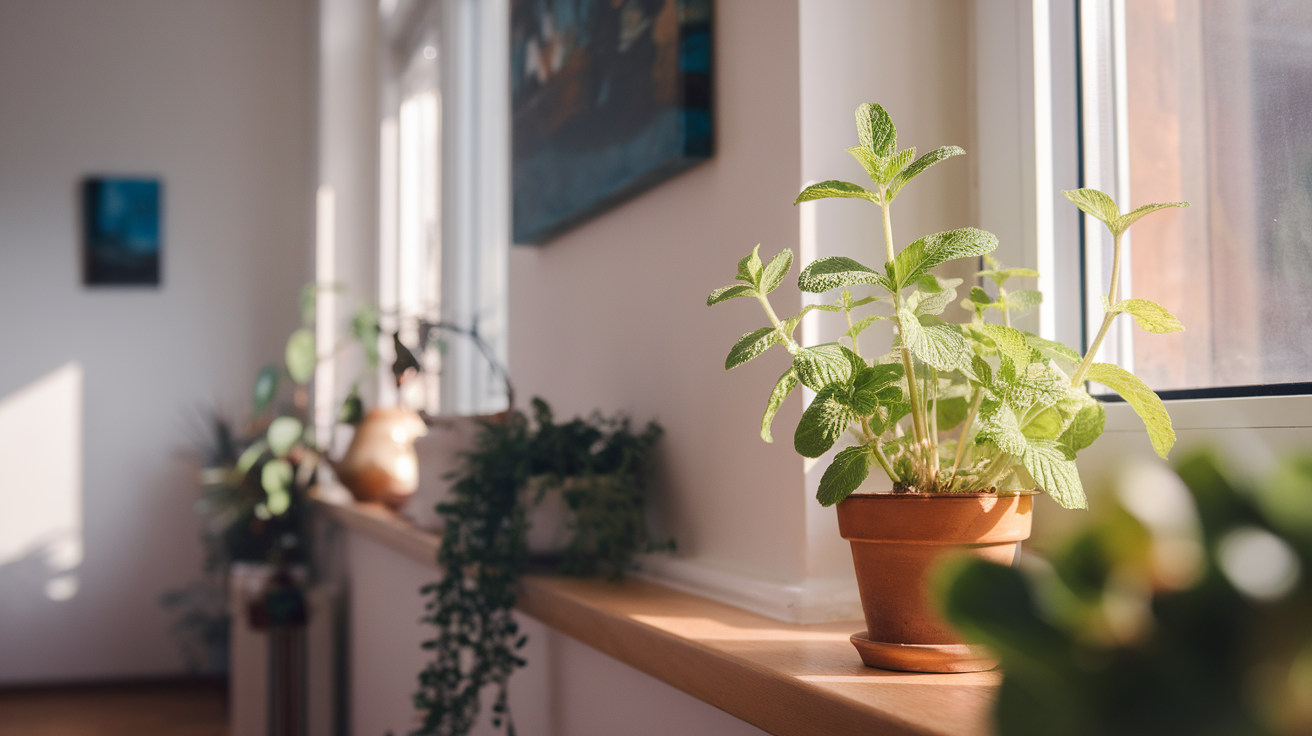
Growing mint indoors is something many people try. It can be fun, helpful, and doesn’t take much space.
People like having fresh mint at home for tea, cooking, or just the smell. But growing it inside can be different from growing it outside.
Many online users have shared their tips and stories. This blog brings together their simple advice. It looks at what has worked for them and what hasn’t.
The goal is to help others grow mint indoors without stress. With a few helpful ideas, anyone can give it a try and enjoy the fresh green leaves right at home.
Why People Grow Mint Indoors?
People like growing mint indoors for many reasons. It smells fresh and clean, adds flavor to tea and cooking, and grows fast without needing much care.
Since it can grow all year round inside the home, it’s a great choice for anyone who wants fresh herbs nearby.
Many people also say that growing mint at home helps save money.
Store-bought herbs often go bad quickly, but a mint plant indoors keeps giving fresh leaves whenever needed.
What Kind of Mint Can You Grow Indoors?
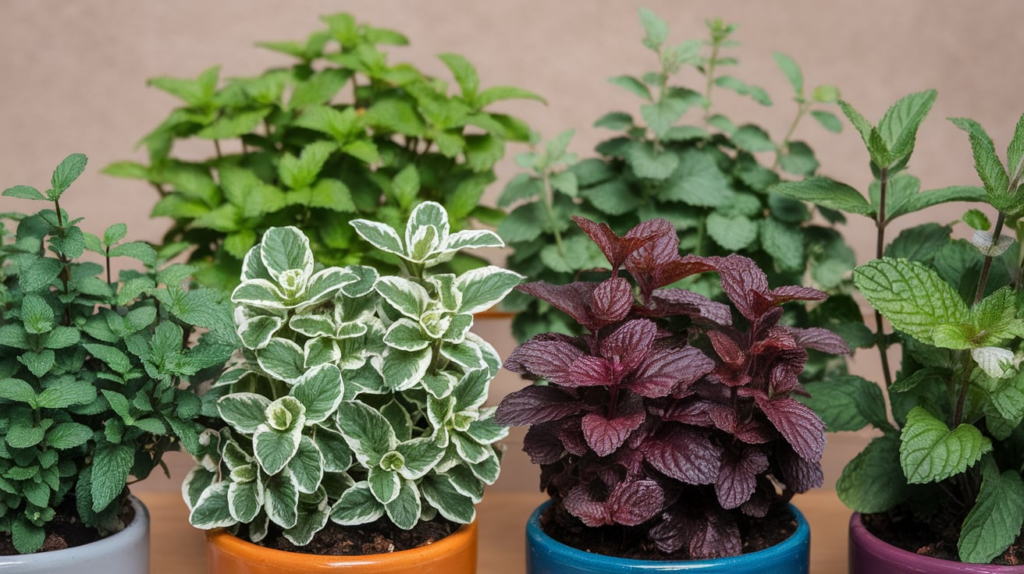
Many types of mint can grow indoors. Some popular ones include:
- Peppermint: Strong flavor, suitable for tea.
- Spearmint: Milder, suitable for cooking and drinks.
- Chocolate mint: Has a sweet smell like candy.
- Apple mint: Light and fruity scent.
Most people grow spearmint or peppermint. They say these grow well in small pots and do not need much light.
Steps to Grow and Care for Mint Inside Your Home
Growing mint indoors is simple when you take it step by step. Below is a full guide based on what works for most home growers, from setting up the plant to keeping it healthy.
Step 1: Choosing Between Seeds and Cuttings
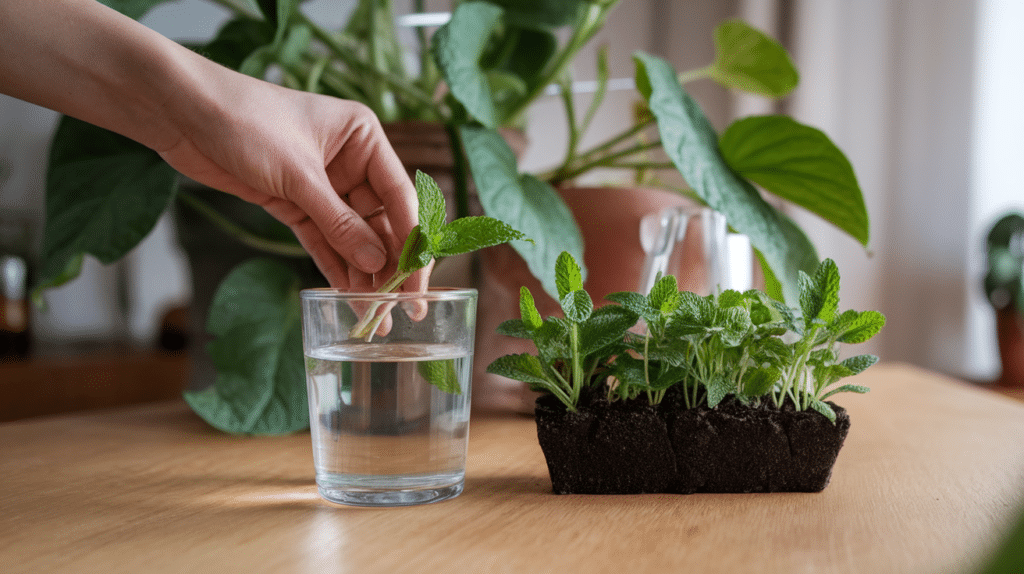
You can grow mint from seeds or from cuttings. Seeds are small and slow to sprout. They need warm, moist soil and take longer to grow. Cuttings are quicker and easier.
Many users take a stem from another mint plant, place it in water, and wait for roots to grow. Cuttings usually root in 1–2 weeks and are easier for beginners.
Step 2: Picking the Right Pot for Growth
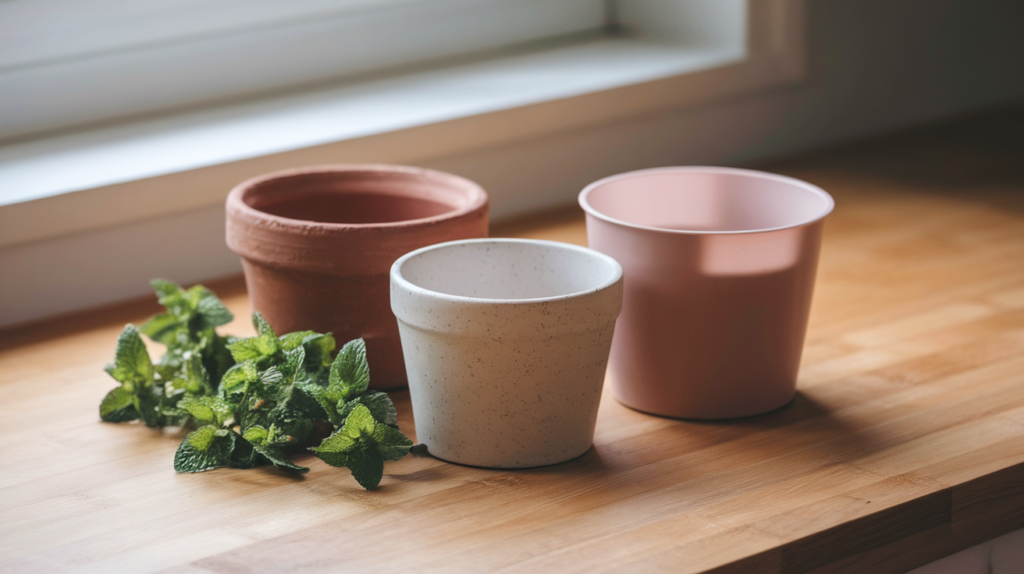
Mint grows fast, so it’s best to use a pot that gives it space but keeps it from spreading too far. Home growers recommend using pots that are 8–10 inches wide with holes at the bottom.
Clay pots are popular because they help the soil dry faster. Some use plastic pots, but these may hold too much water, which can lead to root rot.
Step 3: Filling the Pot with the Right Soil
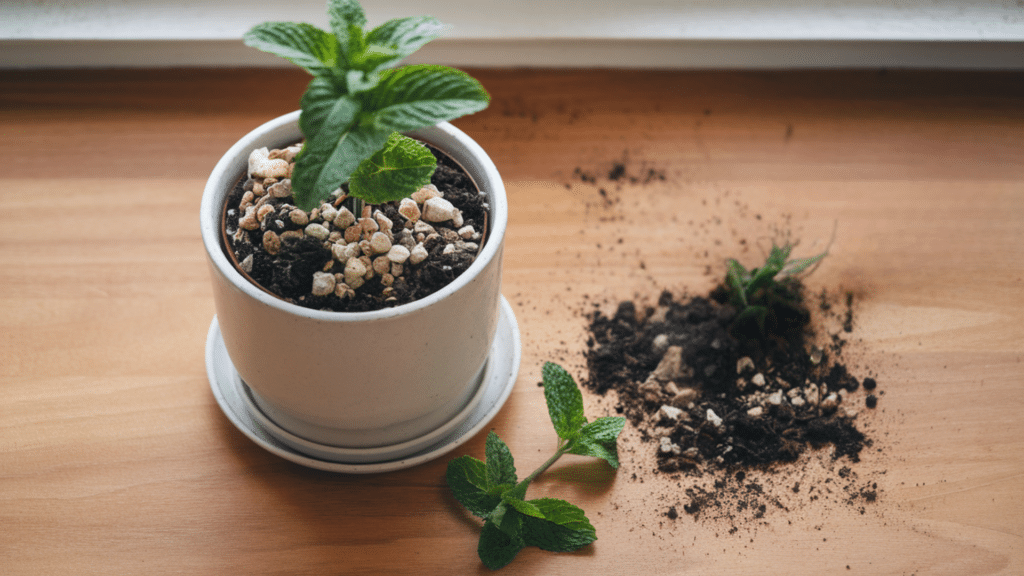
Mint likes soil that stays slightly moist but drains well. Many use a regular potting mix with added perlite or a bit of sand to help with drainage.
Garden soil is too heavy and holds too much water. People say light, loose soil helps the roots grow better and keeps the plant healthy.
Step 4: Finding a Good Spot in the House
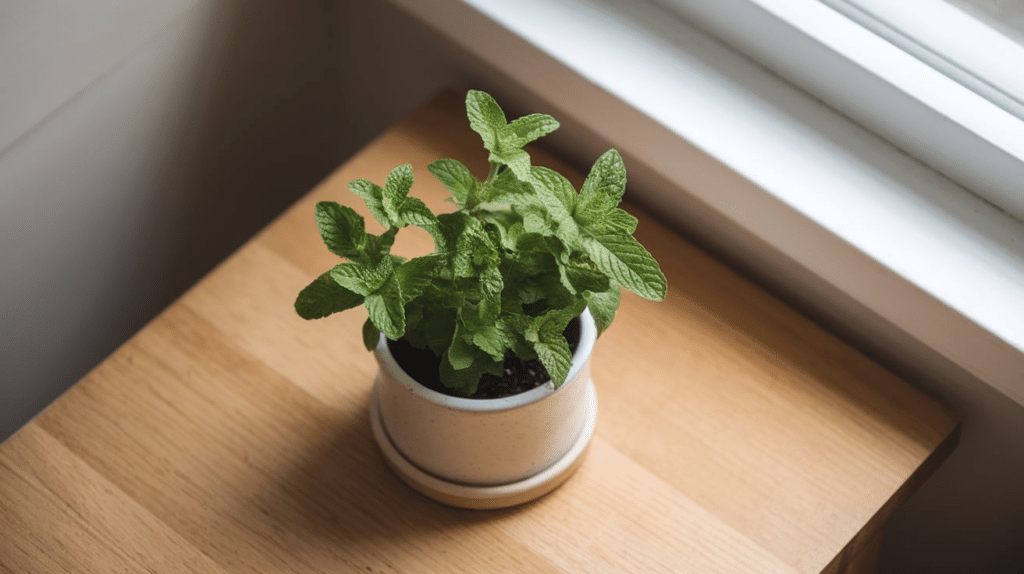
Mint needs light, but not too much direct sun. A bright window with 4 to 6 hours of sunlight is usually perfect. Most people place their mint near an east- or south-facing window.
If there’s not enough light, a small grow light works well. It’s also important to keep the plant away from heaters, cold air, or vents.
Step 5: Watering the Right Way
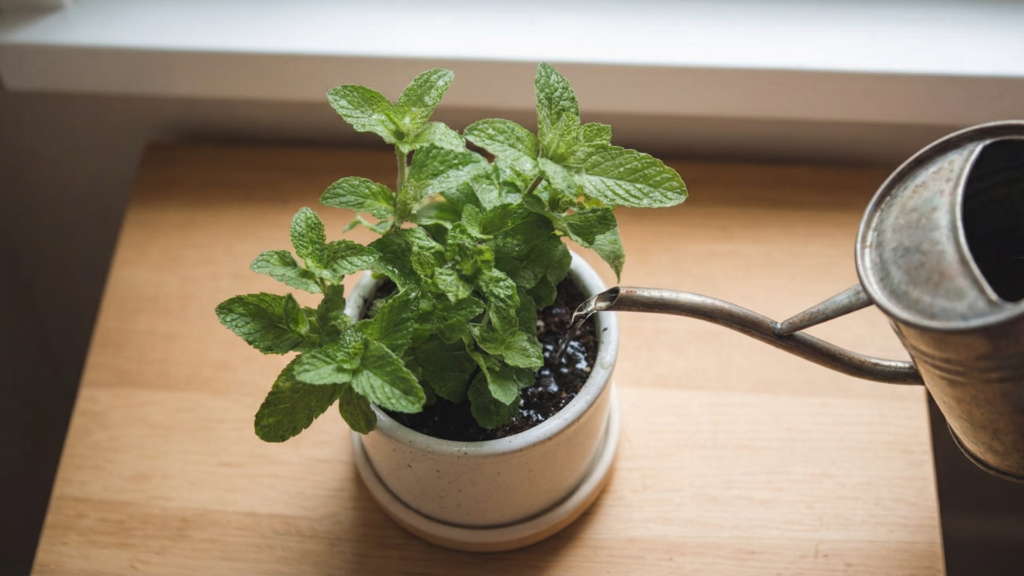
Watering is easy once you know when to do it. The best way is to touch the soil; if the top inch feels dry, it’s time to water. Let extra water drain out of the pot. Don’t let the roots sit in water.
A lot of people also mist the leaves with a spray bottle, especially if the air in their home is dry. Too much water can make the leaves yellow or cause root problems.
Step 6: Giving a Little Plant Food
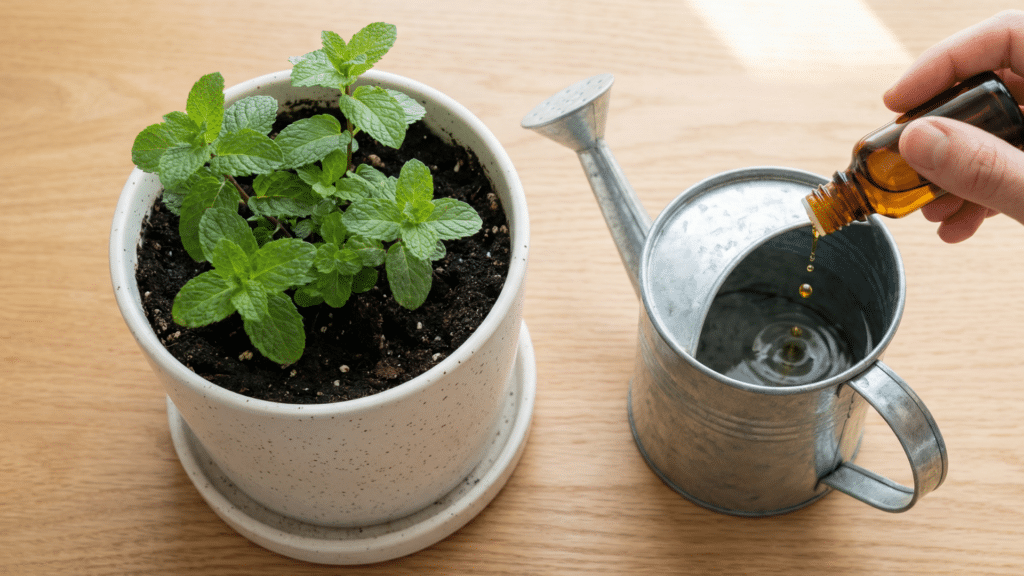
Mint doesn’t need a lot of fertilizer, but a little bit can help it grow strong. People suggest using a mild liquid fertilizer every 4 to 6 weeks.
Use a product made for herbs or houseplants. Too much food can harm the roots or change the flavor of the mint. A small amount goes a long way.
Step 7: Trimming and Picking Leaves Often
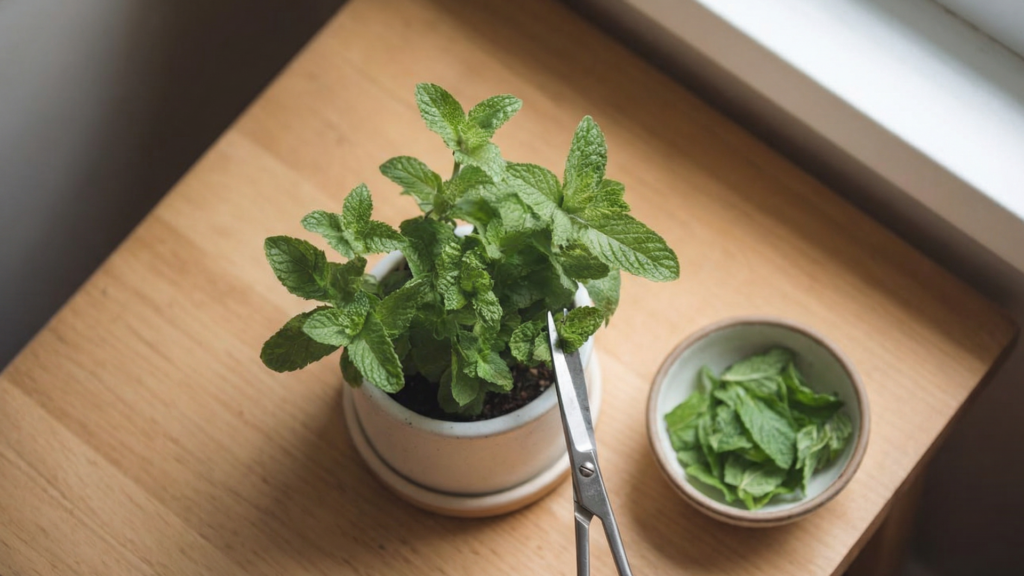
Trimming helps the plant grow full and healthy. Many home growers pinch off the tops of the stems once the plant is 4 to 6 inches tall. This helps the plant grow more branches.
Always cut above a set of leaves. If flowers appear, it’s best to cut them off. Flowers take energy away from leaf growth and can change the flavor. Regular trimming also gives you more fresh mint to use in cooking or drinks.
How Long Does Mint Take to Grow Indoors?
Mint doesn’t take long to grow indoors if you follow simple steps. When starting from seeds, it usually takes about 10 to 15 days for the seeds to sprout.
After that, it may take 6 to 8 weeks before you can begin harvesting.
If you start with cuttings, the roots often appear within 1 to 2 weeks, and the plant is ready to harvest in just 3 to 4 weeks.
Once the plant is growing well, you can pick small amounts of mint every week.
Common Problems and How People Fix Them
Many online users talk about these common mint problems:
Yellow Leaves
- Cause: Too much water or poor drainage.
- Fix: Let the soil dry out, and check the pot drainage.
Weak Stems
- Cause: Not enough light.
- Fix: Move to a brighter spot or use a grow light.
Slow Growth
- Cause: Lack of pruning or nutrients.
- Fix: Trim the plant and give mild fertilizer.
Mold or Fungus
- Cause: Wet soil or leaves.
- Fix: Improve airflow, water less, and remove moldy parts.
These are problems many beginners face. But they are easy to fix once you know what to look for.
Tips Shared by Online Communities
People who grow mint indoors often share helpful tips in forums, blogs, and videos. Here are some of the most common:
- Use a clear jar to root cuttings: You can see when roots form.
- Turn the pot every few days: Helps the mint grow straight.
- Snip flowers right away: Keeps leaves from losing flavor.
- Start more than one pot: Always have fresh mint ready.
- Share with friends: Mint spreads fast and makes a nice gift.
How to Store Extra Mint Leaves
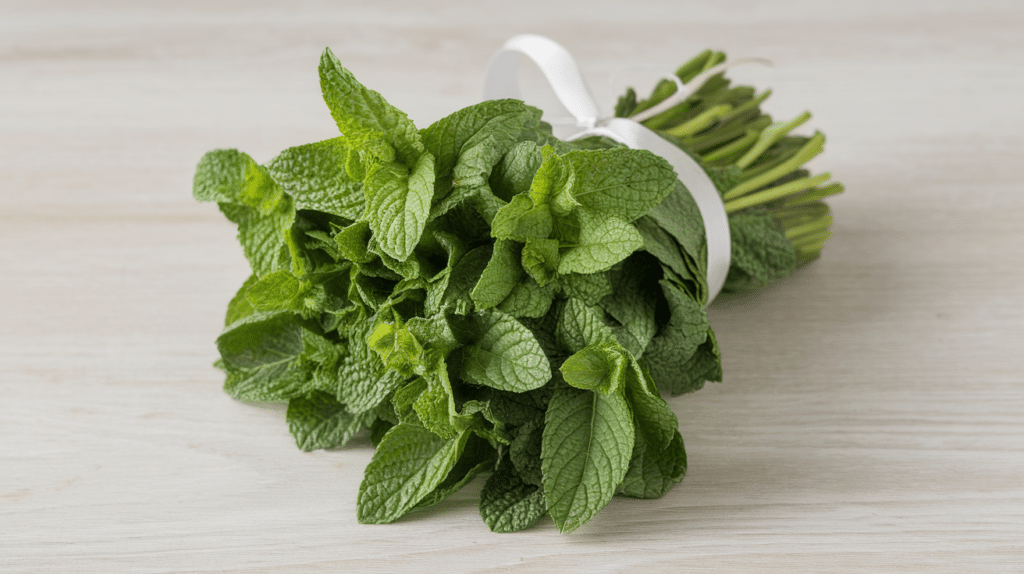
If your mint plant is growing well, you might end up with more leaves than you can use right away. To keep them from going to waste, there are a few simple ways to store extra mint leaves.
One easy method is to air-dry the leaves. Just tie small bunches with a string and hang them upside down in a dry place.
Once dry, store them in a sealed jar. Another option is to freeze the leaves. You can place whole leaves in a freezer bag, or chop them up and freeze them in ice cube trays with a little water.
These methods help you save fresh mint for later use in tea, cooking, or drinks.
To Conclude
Indoor mint plants are more than just easy to grow; they’re also fun to care for and useful in daily life.
From freshening up your kitchen to adding flavor to your meals, a mint plant can do a lot. With real tips from people who’ve done it, growing mint indoors becomes even easier.
The best part? You can keep picking leaves for months with just a little effort. If you’ve been thinking about adding greenery to your space, mint is a great place to start.
Try it for yourself and share what works for you. Your windowsill mint may help someone else, too.