

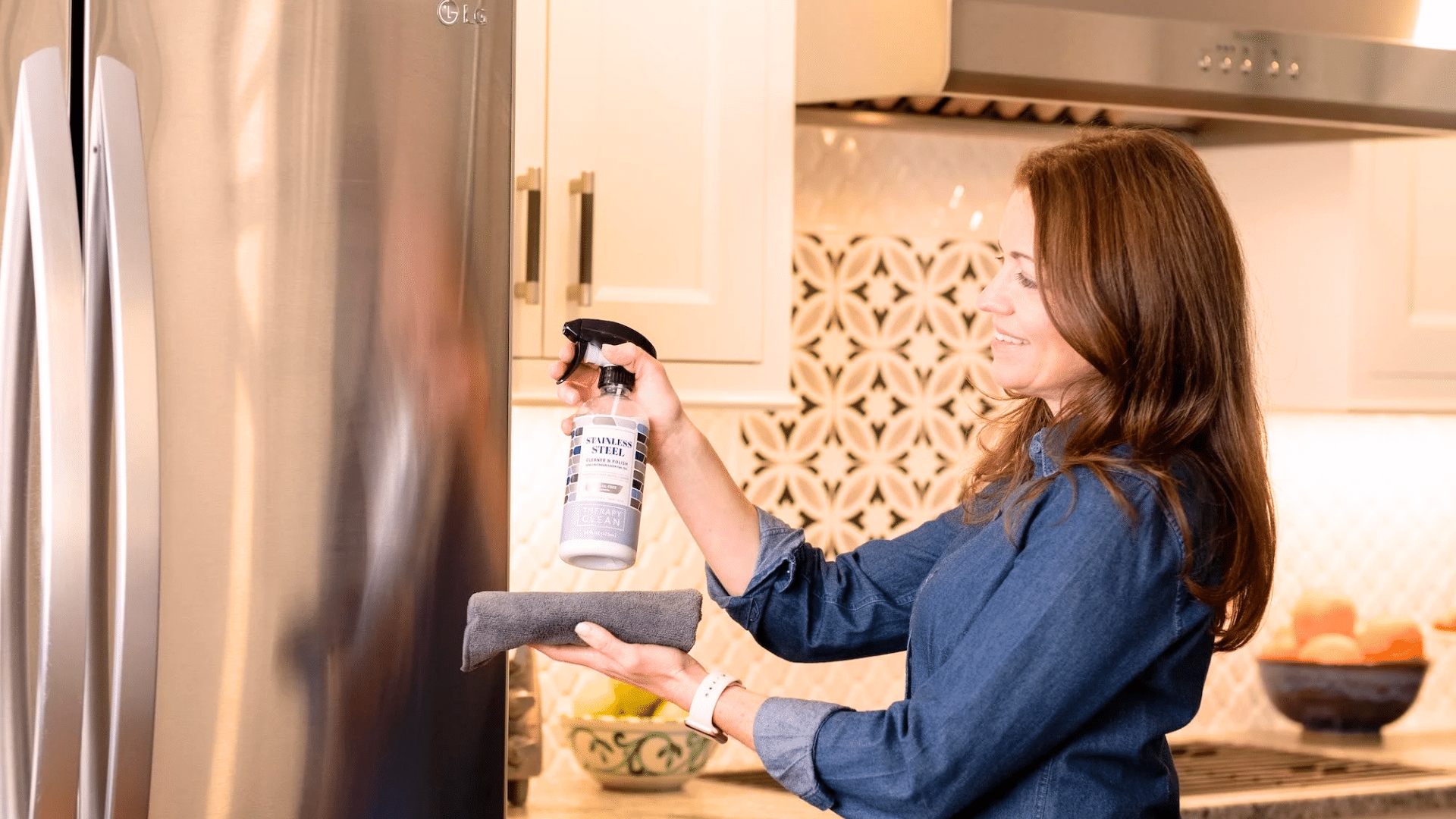
Stainless steel appliances look great, but keeping them clean is not always easy.
I’ve dealt with streaks, fingerprints, and dull spots more times than I can count. You wipe the surface, step back, and somehow it looks worse than before.
That happens because stainless steel needs the right care and the right method.
In this post, I shared some of the best ways to clean stainless steel appliances, along with simple tips you can use at home.
You’ll learn how often to clean, what products help, what to avoid, and how others handle the same problem. I also cover daily habits that make cleaning easier.
If you want streak-free results and fewer marks, this guide will help you get there without extra effort.
How Often to Clean Stainless Steel Appliances?
Stainless steel appliances need regular care, but how often you clean depends on how you use them. A daily wipe-down helps remove fingerprints, light smudges, and dust before they build up.
I suggest using a soft cloth and warm water at the end of the day, especially on fridge doors and handles.
When cooking often, grease and food splatter can settle on surfaces, making marks harder to remove later.
That’s why a deeper weekly clean matters. Once a week, take time to clean with a proper cleaner to cut through grease and restore shine.
Homes with kids or heavy kitchen use may need extra attention, while lighter use means less frequent deep cleaning.
The key is staying consistent. Regular light cleaning keeps appliances looking good and makes deeper cleaning faster and easier over time.
Best and Easy Ways to Clean Stainless Steel Appliances
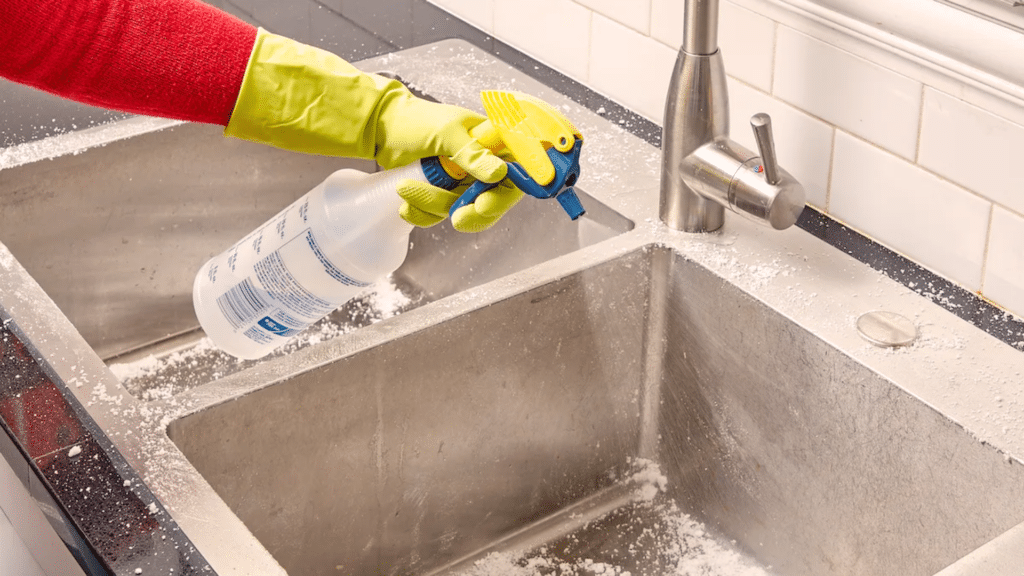
These methods are simple, practical, and easy to follow. You can use one or mix a few based on your daily needs and time.
1. Clean with Warm Water and a Microfiber Cloth
This is one of the easiest ways to clean stainless steel appliances. I use warm water and a microfiber cloth for daily wipe-downs.
It removes light smudges, dust, and fingerprints without causing streaks.
Always wipe with the grain to avoid marks on the surface. After cleaning, I dry the appliance right away using a clean, dry cloth. This step helps prevent water spots and streaks.
This method works well for quick cleaning and keeps appliances looking neat between deeper cleans.
2. Use Dish Soap for Grease and Food Marks
Dish soap works well when stainless steel appliances have grease, splatters, or sticky food marks.
I mix a few drops of mild dish soap with warm water and dip a soft microfiber cloth into it. Gently wiping the surface helps break down grease without harming the finish.
I always wipe with the grain to reduce streaks. After cleaning, I go over the surface with a damp cloth to remove soap residue.
Drying right away with a clean cloth helps prevent water marks and keeps the surface looking clear.
3. Try Vinegar for Streaks and Water Marks
Vinegar is helpful when streaks or water spots remain after regular cleaning. I lightly spray diluted vinegar onto a cloth instead of the appliance.
Then I wipe gently with the grain to lift marks and cloudy residue.
Vinegar cuts through buildup caused by hard water and light grease. Once the surface looks clean, I wipe it again with a damp cloth to remove vinegar residue.
Drying the appliance fully with a microfiber cloth helps avoid dull spots and leaves the stainless steel looking smooth and streak-free.
4. Use Baking Soda for Stuck-On Food
Baking soda works well when food residue sticks to stainless steel surfaces.
I make a paste using baking soda and a small amount of water. Then I apply it gently with a soft cloth to the problem area.
I avoid scrubbing hard because baking soda can scratch if used with pressure.
Wiping with the grain helps protect the finish.
After the residue lifts, I wipe the surface with a damp cloth to remove any paste. Drying right away keeps the surface clean and free of marks.
5. Use Stainless Steel Cleaner for Deep Cleaning
Stainless steel cleaners are helpful when appliances look dull or greasy. I spray the cleaner onto a cloth, not directly on the surface.
Then I wipe with the grain using even pressure. These cleaners are made to remove buildup and restore shine.
After cleaning, I use a second clean cloth to buff the surface lightly.
This step helps remove extra product and reduce streaks. I use this method for deeper cleaning, not every day, to avoid buildup.
6. Polish with Oil to Reduce Fingerprints
Oil helps reduce fingerprints and adds a smooth finish to stainless steel.
I use a small amount of mineral oil or baby oil on a soft cloth. Then I wipe lightly with the grain, covering the surface evenly.
A little goes a long way, so I avoid using too much.
After applying, I buff the surface with a clean cloth to remove excess oil. This method works best after cleaning and helps keep fingerprints from showing as quickly.
7. Use Rubbing Alcohol for Smudges
Rubbing alcohol works well for removing smudges and greasy fingerprints.
I pour a small amount onto a microfiber cloth and wipe the surface gently. It dries fast and helps lift oils without leaving residue. I always wipe with the grain to avoid streaks.
After cleaning, I buff the surface lightly with a dry cloth to even out the finish.
This method is helpful for quick touch-ups, especially on handles and frequently touched areas where fingerprints build up fast.
8. Clean with Steam for Safe Results
Steam cleaning is a safe option when you want to avoid chemicals.
I use a handheld steam cleaner with a soft attachment and move slowly across the surface. Steam loosens grease and grime without scratching the finish.
I wipe right after steaming with a microfiber cloth, following the grain.
Drying the surface fully helps prevent watermarks. This method works well for deeper cleaning and is useful for homes with kids or pets.
9. Use Microfiber Cloths Only
Microfiber cloths make a big difference when cleaning stainless steel appliances. I stick to microfiber because it lifts dirt and grease without scratching the surface.
Regular rags or paper towels can leave lint or cause fine scratches over time.
When cleaning, I use one microfiber cloth for wiping and a second clean one for drying or buffing. Always wiping with the grain helps reduce streaks.
Keeping a few clean microfiber cloths on hand makes daily and deep cleaning easier and more effective.
10. Buff Dry After Every Clean
Drying stainless steel after cleaning is just as important as the cleaner you use.
I always buff the surface with a clean, dry microfiber cloth once I’m done wiping. This step removes leftover moisture that causes streaks and water spots.
Buffing also helps even out the finish and improve shine. I follow the grain and use light pressure.
Skipping this step often leads to dull marks, so taking one extra minute to dry makes a noticeable difference.
11. Clean with Mild Soap and Dry Right Away
Mild soap is a safe option when stainless steel needs a gentle but thorough clean.
I mix a small amount of mild soap with warm water and use a soft microfiber cloth to wipe the surface. This helps remove light grease, food marks, and everyday buildup.
I always clean with the grain to avoid streaks. After wiping, I go over the surface with a damp cloth to remove soap residue.
Drying right away with a clean cloth helps prevent water spots and keeps the finish smooth.
Natural vs Store-Bought Stainless Steel Cleaners
Choosing the right cleaner depends on the mess level, finish condition, safety needs, and how often you clean appliances at home.
| Cleaner Type | Best For | Pros | Cons | When to Choose |
| Natural Cleaners | Light smudges and daily cleaning | Low cost, easy to find, safe for daily use | May not remove heavy grease or buildup | When appliances need quick, gentle cleaning |
| Vinegar & Water | Fingerprints and watermarks | Cuts light grease, no harsh chemicals | Can dull finish if overused | When dealing with mild streaks |
| Baking Soda Paste | Stuck-on spots | Gentle scrub, easy to make | Needs careful rinsing | When facing small tough stains |
| Store-Bought Cleaners | Deep cleaning and shine | Designed for stainless steel, fast results | Higher cost, some have strong smells | When appliances look dull or greasy |
| Stainless Steel Polish | Long-lasting shine | Helps reduce fingerprints | Not for daily use | When you want a clean, finished look |
What Should You Avoid Using on Stainless Steel?
Using the wrong tools or products can damage the surface over time. Small mistakes often lead to scratches, dull spots, or permanent marks.
- Abrasive scrub pads or steel wool
- Powder cleaners with a gritty texture
- Bleach or chlorine-based cleaners
- Ammonia-based sprays are often used
- Glass cleaners with strong chemicals
- Rough paper towels or dry rags
- Scrubbing against the grain
- Letting water air-dry on the surface
- Using too much cleaner at once
What Reddit Users Say About Cleaning Stainless Steel?
Reddit users share a lot of real, tested advice when it comes to cleaning stainless steel. One of the most repeated tips is to avoid glass cleaners like Windex, as they often cause streaks instead of removing them.
Many users recommend using a stainless steel cleaner such as Weiman’s, applied with the grain using a microfiber cloth, then buffed with a clean one.
Dish soap and warm water work for grease when cleaners aren’t available.
Microfiber cloths come up again and again as a must-have. For stubborn marks, some users mention Bar Keepers Friend, but warn that it can be abrasive if overused.
Light oils like mineral oil or baby oil are shared as optional finishing steps to reduce streaks.
Overall, Reddit advice focuses on gentle products, proper cloths, and careful wiping for better results.
How to Maintain Stainless Steel Daily?
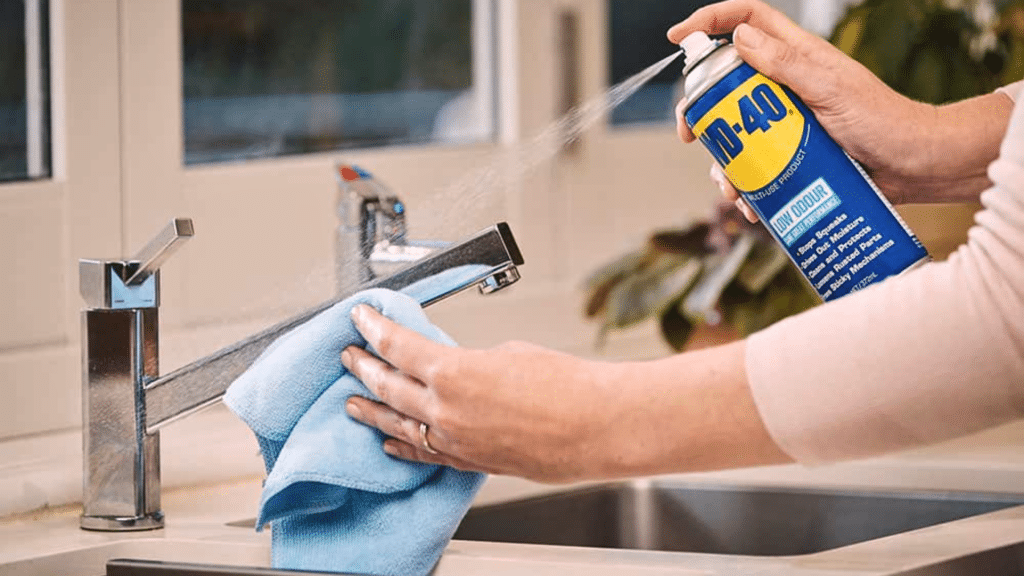
Small habits make a big difference in keeping surfaces clean and shiny. These simple steps help reduce buildup and save time later.
- Wipe surfaces once a day with a soft cloth
- Use warm water for quick touch-ups
- Dry right after wiping to stop water marks
- Follow the grain when cleaning
- Clean handles and edges more often
- Keep a microfiber cloth nearby
- Spot-clean spills as soon as they happen
- Avoid leaving grease or food splatter overnight
Conclusion
Keeping stainless steel appliances clean is not just about looks. When you use the right methods, you protect the surface, reduce streaks, and make daily cleaning easier.
Small habits, like wiping with the grain or drying after cleaning, can save you time and effort later.
You don’t need to try everything at once. Picking one or two methods that fit your routine is often enough to see a real difference.
What matters most is staying consistent and avoiding products that cause damage over time.
With the tips shared in this guide, you can keep your appliances looking clean without stress.
If you’ve tried any of these methods or have one that works well in your home, share your experience in the comments below. Your tips could help someone else get better results, too.