

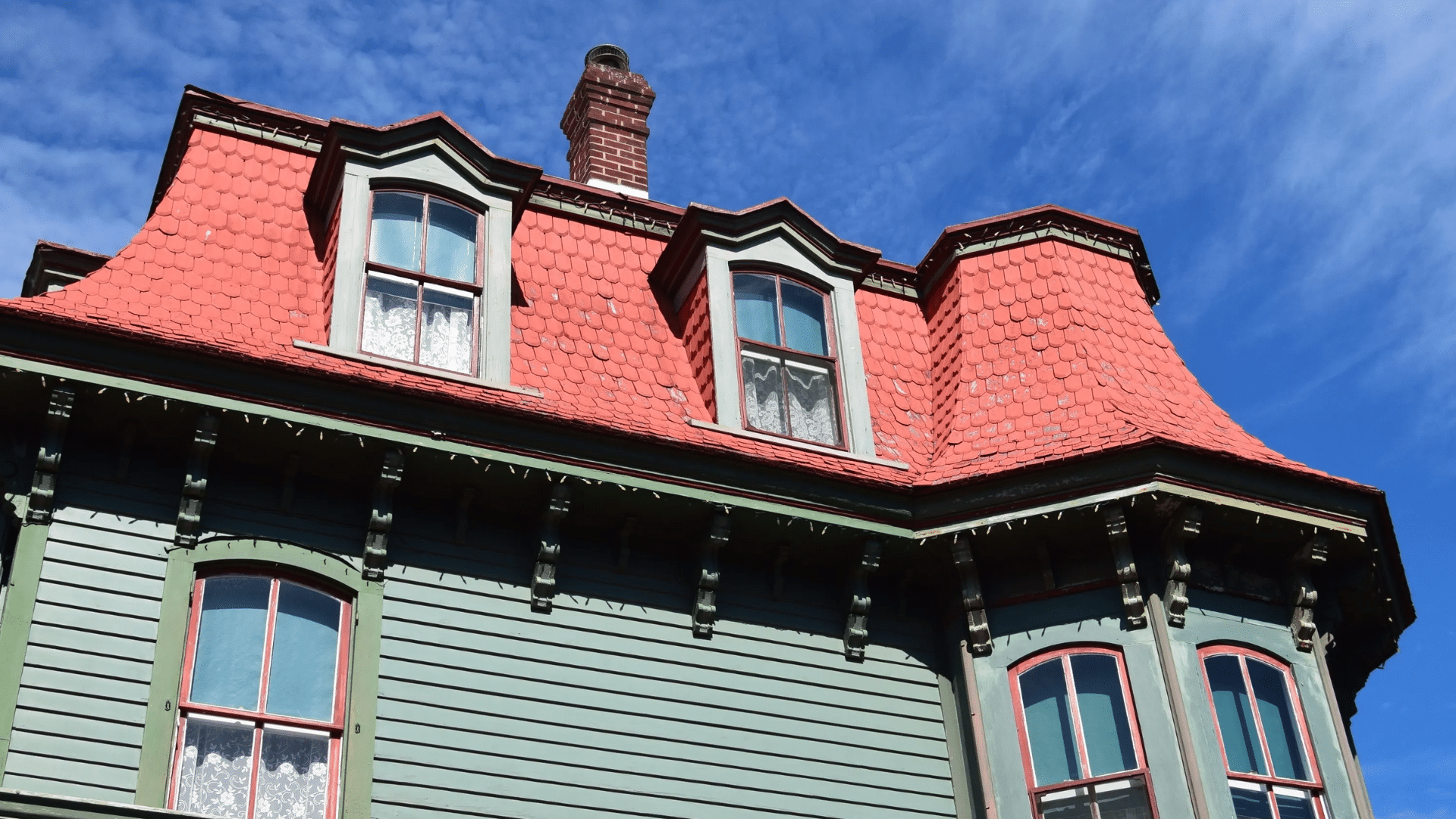
When you think of a unique roof style, the mansard roof probably comes to mind.
This iconic architectural feature has been around for centuries, with roots tracing back to 17th-century France.
The mansard roof is known for its distinct design, a double-pitched slope that gives homes extra space and a touch of class.
While it originally gained popularity in classic European architecture, it’s still used today in modern homes to create that perfect balance of style and functionality.
In this article, I’ll share the history of the mansard roof, its key features, and how it might just be the perfect fit for your home.
Keep reading to learn more about this fascinating roof style and how it could enhance your home’s design.
What Is a Mansard Roof?
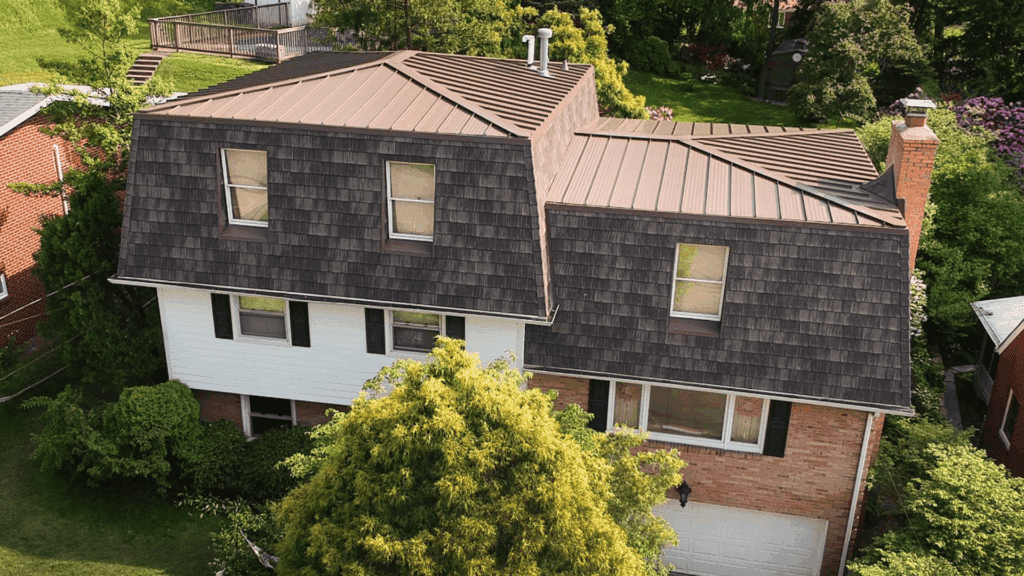
A Mansard roof is a type of roof design with two slopes on each side. The lower part has a steep angle, while the upper part is almost flat.
This style was popular in French architecture and is also called a “French roof.”
The design creates extra space in the attic, often used for living areas or storage. The steep lower slope helps with water drainage, and the flat top gives it a distinctive look.
Mansard roofs are often seen in historic buildings, but some modern homes use them too.
This style offers a classic beauty while providing more usable space inside. The design can make a home feel taller and more spacious.
It’s a good choice for people who want to add space without changing the building’s height.
The History Behind the Mansard Roof
The mansard roof was first introduced in 17th-century France by French architect François Mansart.
He designed this roof style to make better use of space in buildings.
His innovation became popular during the French Renaissance, a time when architects were looking for ways to build higher and more efficiently.
The mansard roof allowed for more room in the upper floors, creating extra living or storage space. Its popularity spread quickly across Europe and influenced the design of many buildings in Paris and beyond.
Over time, the mansard roof also became a key feature in American architecture, especially in the 19th century.
Today, it’s still used in homes and buildings that aim for a mix of practical space and historical charm.
Key Features of a Mansard Roof
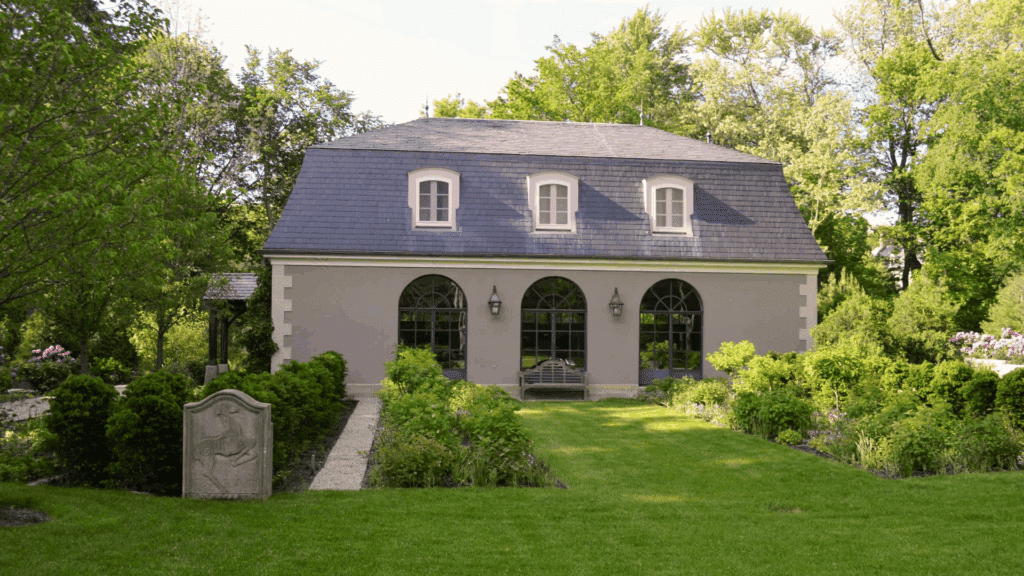
A Mansard roof offers unique design benefits, including increased living space and a stylish appearance that combines classic beauty with modern functionality.
1. Dormer Windows
Another key feature of the mansard roof is dormer windows.
These windows are built into the roof’s slope, providing natural light and ventilation for the upper rooms.
Dormer windows make the attic space feel more like a regular room. They also add beauty to the exterior of the house by breaking up the steep slope and adding character.
Dormers are often used in mansard roofs to create bright, livable spaces in what would otherwise be a dark attic.
2. Maximized Usable Space
The unique shape of the mansard roof is designed to maximize usable upper-floor space. The steep lower slope creates a large attic area that can be finished into a livable room.
This feature is great for adding bedrooms or storage without expanding the building.
The mansard roof helps make the most of every inch of space, offering more room without the cost of building out or up.
How Mansard Roofs Influence Architecture?
The mansard roof played a big role in shaping urban design, especially in Paris.
During the 19th century, it became a key feature in Haussmann-style buildings, which were designed to make the city look more modern and organized.
These roofs allowed for extra living space in the upper floors of buildings, making them ideal for crowded cities.
The mansard roof’s steep slopes also helped create a distinct skyline, with rows of buildings sharing this unique feature.
Over time, the mansard roof’s adaptability made it popular in many different architectural styles.
Whether in traditional buildings or modern homes, it offers practical benefits and a classic look.
Its ability to combine with various designs has helped it stay relevant for centuries, continuing to influence architecture in cities worldwide.
Modern Use of Mansard Roofs in Home Design
Mansard roofs remain popular in today’s residential architecture for their practical and visual benefits. This is why they are still used in modern homes:
- Maximized Living Space: The steep lower slope creates more usable space in the upper floors without the need for a full attic.
- Efficient Design: Mansard roofs can fit into areas with height restrictions, offering more room without expanding the building’s footprint.
- Appealing Look: The roof’s unique shape gives homes a distinct, classic look, which often goes well with both modern and traditional designs.
- Increased Property Value: Adding a mansard roof can enhance the home’s value by creating additional living space in a classy, efficient way.
- Energy Efficiency: The design can also help with temperature control, making the top floor more comfortable year-round.
Benefits of Choosing a Mansard Roof
A mansard roof offers several practical advantages that make it an appealing choice for homeowners. Below are some key benefits of choosing this roof style.
1. Increased Living Space
One of the main reasons homeowners choose a mansard roof is its ability to provide extra living space.
The steep lower slope creates a larger, usable upper floor, which can be turned into bedrooms, offices, or storage rooms.
This allows homeowners to maximize space without expanding the building’s footprint.
It’s a great option for homes with limited lot size or height restrictions.
2. Visual Appeal
The mansard roof adds a unique, elegant touch to any home.
Its distinctive shape, especially the steep lower slopes, gives buildings a beautiful, classic look that stands out.
This roof style works well with both traditional and modern homes, adding a classic look that boosts the home’s overall appearance.
It’s a great way to add character to your home’s exterior.
3. Potential Energy Efficiency
Mansard roofs can help with energy efficiency.
The additional space created by the steep slope allows for better insulation, especially in the upper floors.
This can help maintain comfortable temperatures year-round, keeping the home cooler in the summer and warmer in the winter.
The design also promotes better airflow, which can contribute to lower energy bills over time.
Mansard Roof vs. Other Roof Styles
A Mansard roof stands out for its unique design, offering more space and a distinct look compared to simpler roof styles like gable or hip roofs.
|
Roof Style |
Benefits |
Challenges |
Why Choose a Mansard Roof? |
|
Mansard Roof |
Maximizes upper-floor space, aesthetic appeal, and allows for more usable rooms. |
Complex design, higher installation costs. |
Great for adding extra space without expanding the building’s footprint. |
|
Gable Roof |
Simple design, cost-effective, good for shedding rain and snow. |
Limited space on the upper floor can lead to a triangular shape that wastes attic space. |
Mansard roofs offer more space and charm compared to simple gable roofs. |
|
Hip Roof |
Four sloped sides provide better stability in high winds. |
More complex than gable roofs, with fewer upper-floor space benefits. |
Mansard roofs provide more space and a distinct look without the complexity of a hip roof. |
|
Flat Roof |
Easy to construct, modern appearance, great for roof gardens or terraces. |
Poor water drainage can lead to leaks over time and minimal upper-floor space. |
Mansard roofs create more livable space while offering better durability than flat roofs. |
The Average Cost of Installing a Mansard Roof
The average cost of installing a mansard roof can vary depending on factors like materials, labor, and the complexity of the design.
On average, homeowners can expect to pay between $20,000 and $40,000 for a mansard roof, though prices can be higher for more elaborate designs.
Material costs, including shingles, slate, or metal, can add significantly to the price.
Labor costs tend to be higher for mansard roofs due to their complexity, especially with the steep slopes and intricate details.
Mansard roofs cost more than simpler styles like gable or flat roofs due to additional labor and materials.
However, they provide increased space and a unique style, making them a worthwhile investment for many homeowners.
Is a Mansard Roof Right for Your Home?
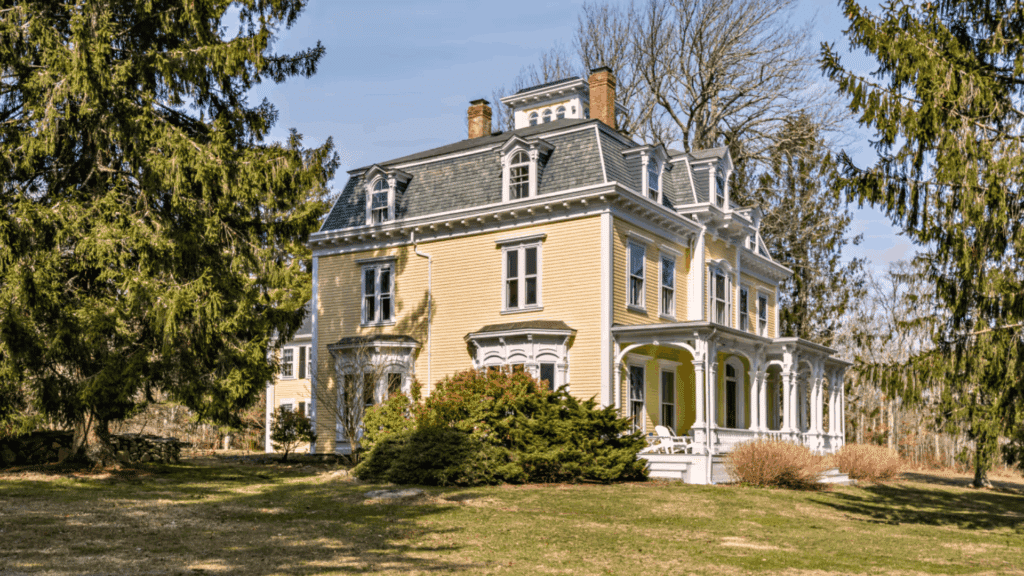
Choosing the right roof for your home depends on several factors. These are some things to consider when deciding if a mansard roof is a good fit.
- Style Preferences: Mansard roofs offer a unique, classy look that works well with both traditional and modern designs. Consider if this style fits your vision for your home’s exterior.
- Climate: The steep slopes of a mansard roof are great for shedding rain and snow. However, it’s important to think about how the roof will perform in your local climate.
- Cost: Mansard roofs can be more expensive than simpler roof types due to the complex design and additional materials. Make sure the cost fits your budget.
- Space Needs: Mansard roofs create more upper-floor space. If you need extra rooms or attic space, this roof style can be a great solution.
Conclusion
The mansard roof is not only a stylish architectural feature but also has a rich history and provides benefits like extra living space and visual appeal.
From its 17th-century French origins to modern homes, the mansard roof showcases its versatility and lasting appeal.
If you’re drawn to its unique design or its ability to create extra space in your home, it’s definitely a roof style worth considering.
If you’re thinking about installing one, weigh the benefits and costs carefully to see if it fits your needs.
Have you ever considered a mansard roof for your home? Share your thoughts and experiences in the comments below. I’d love to hear your take!
And if you’re ready to take the next step, reach out to a professional roofer to find your options.