

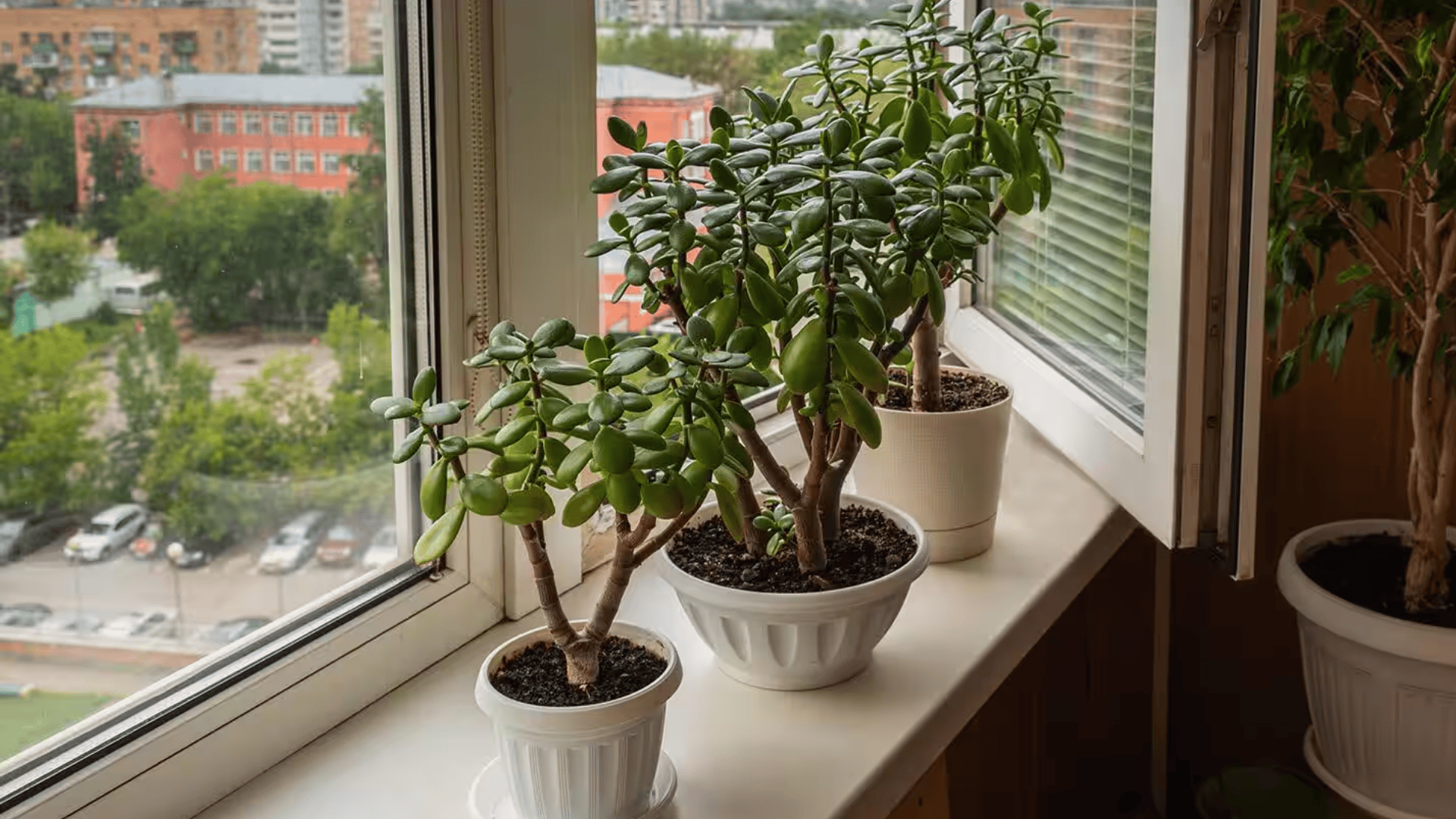
Jade plants are a popular choice for many home gardeners, and it’s easy to see why.
With their thick, shiny leaves and easy-to-care-for nature, they make a great addition to any home. If you’re new to plant care or a seasoned pro, jade plants can grow with just a little attention.
One of the most important things you need to get right is jade plant care, especially when it comes to lighting.
Getting the right amount of light can make all the difference in how healthy and vibrant your plant looks.
In this guide, I’ll walk you through everything you need to know, from proper watering to ensuring your jade plant gets the right amount of sunlight.
Keep reading to learn how to help your jade plant grow strong and beautiful!
About Jade Plants
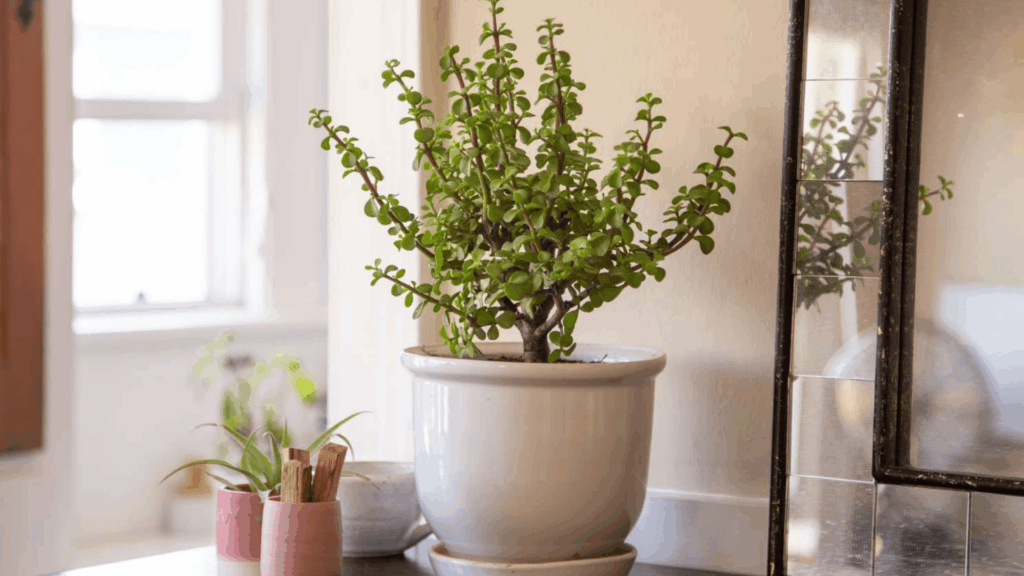
Jade plants are a popular type of succulent known for their thick, fleshy leaves that resemble jade gemstones. These plants are admired for their easy care and attractive appearance, making them a favorite for homes and offices.
Jade plants typically have a tree-like form, with thick, woody stems and shiny, oval leaves.
Their vibrant green leaves may sometimes develop a red or pinkish hue around the edges when exposed to bright sunlight, adding to their charm.
Key Specifications
- Scientific Name: Crassula ovata
- Common Species: ‘Gollum,’ ‘Variegata,’ and ‘Miniature Jade’
- Native Habitat: South Africa and Mozambique
- Water Storage: In the thick, fleshy leaves and stems
- Watering: Infrequent, allowing the soil to dry out between waterings
Jade Plant Care: Essential Tips for Success
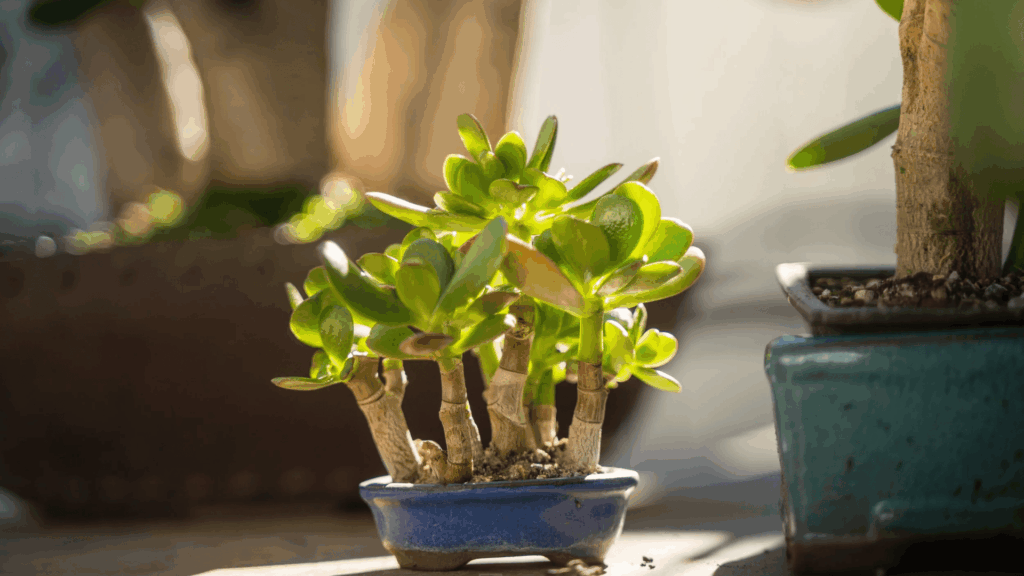
Caring for a jade plant is easy and low-maintenance, perfect for beginners. With a few simple steps, you can keep your plant healthy and growing strong. This is what you need to know.
1. Watering Your Jade Plant
Jade plants don’t need frequent watering. Overwatering is a common mistake, so it’s important to allow the soil to dry out before watering again.
To check soil moisture, stick your finger about an inch deep into the soil. If it feels dry, it’s time to water.
Be sure to water the plant thoroughly, letting the water drain out of the pot’s drainage holes to prevent water from sitting at the bottom.
Never let your jade plant sit in water, as this can lead to root rot.
2. Jade Plant Light Requirements
Jade plants do best in bright, indirect light. If you place them in direct sunlight for too long, their leaves can get sunburned and turn brown.
On the other hand, too little light can cause the plant to become weak and leggy.
A south or east-facing window is ideal for jade plants, as it provides plenty of bright, indirect sunlight.
If you don’t have enough natural light, consider using a grow light to help the plant get the right amount of light for healthy growth.
3. Soil and Potting Needs
Jade plants prefer well-draining soil that helps prevent water from sitting around the roots.
A cactus or succulent mix works well, but you can also create your own mix by adding sand or perlite to regular potting soil.
It’s also important to use a pot with drainage holes to ensure that water can escape, preventing root rot.
When choosing a pot, select one that’s just slightly larger than the root ball. Jade plants don’t need a lot of extra space for their roots to grow, so a snug fit is best.
4. Temperature and Humidity for Jade Plants
Jade plants prefer moderate temperatures between 60°F and 75°F (15°C–24°C).
They’re not suited for extremely hot or cold temperatures, so avoid placing them near drafty windows or in rooms with fluctuating temperatures.
High heat, especially in the summer, can dry out the plant, while cold temperatures below 50°F (10°C) can damage it.
Jade plants do well in average household humidity, but they don’t like very humid areas, such as bathrooms. A dry, well-ventilated room is best.
5. Fertilizing Your Jade Plant
While jade plants don’t need much fertilizer, they will benefit from a light feeding during the growing season (spring and summer).
Use a balanced, water-soluble fertilizer diluted to half strength, and fertilize once a month.
Avoid fertilizing in fall and winter when the plant is not actively growing. Too much fertilizer can harm your jade plant, so it’s important to use it sparingly.
With the right care, your jade plant will stay healthy without the need for frequent feeding.
6. Pruning and Repotting
Pruning your jade plant helps it maintain a healthy shape and size. Use clean, sharp scissors or pruning shears to trim any long or leggy stems.
Pruning can also encourage the plant to branch out and become bushier.
Repot your jade plant every 2-3 years or when it becomes root-bound. Choose a pot that’s 1-2 inches larger than the current one to allow room for growth.
When repotting, make sure the new pot has drainage holes to prevent water from collecting at the bottom and damaging the roots.
Seasonal Jade Plant Care
Jade plants need different care throughout the year. Adjusting your routine based on the season helps keep your plant healthy. Below is a simple guide to help you care for your jade plant during each season.
| Season | Light | Watering | Temperature | Other Tips |
| Spring | Bright indirect light, 4-6 hours daily. Move outdoors if temps stay above 50°F (10°C). | Water when the top 1-2 inches of soil feel dry. Use room-temperature water. | 65-75°F (18-24°C) daytime; not below 55°F (13°C) at night. | Fertilize monthly with diluted succulent fertilizer. Repot if the roots crowd the pot. |
| Summer | Full bright indirect light. Protect from harsh midday sun. | Water deeply every 1-2 weeks; let the soil dry out between. Check more often in the heat. | 70-85°F (21-29°C). Avoid drafts or AC vents. | Watch for pests like mealybugs. Mist leaves lightly if the air is dry. |
| Fall | Bright indirect light. Bring indoors before the first frost. | Reduce to every 2-3 weeks as growth slows. | 60-70°F (15-21°C). Keep steady, no sudden drops. | Stop fertilizing. Prune leggy stems to shape the plant. |
| Winter | Less light indoors near the south-facing window. Use a grow light if needed. | Water sparingly, only every 3-4 weeks. Overwatering kills most plants now. | 50-65°F (10-18°C). Protect from cold windows. | No fertilizer. Hold off on repotting until spring. |
Common Mistakes in Jade Plant Care
Many people make simple mistakes when caring for jade plants. Understanding these can help keep your plant healthy and happy.
- Overwatering: Watering too often can lead to root rot. Always let the soil dry out before watering again.
- Poor Drainage: Using pots without drainage holes can trap water and damage the roots. Always choose pots with drainage.
- Too Much Sun: Direct sunlight for too long can scorch the leaves. Provide bright, indirect light instead.
- Wrong Soil: Using soil that doesn’t drain well can lead to waterlogged roots. Use well-draining cactus or succulent soil.
- Not Pruning: Letting your jade plant grow too large or leggy can make it less attractive. Regular pruning keeps it healthy and bushy.
- Incorrect Temperature: Exposing the plant to extreme cold or heat can cause stress. Keep it in a moderate temperature range of 60°F to 75°F (15°C to 24°C).
Conclusion
Caring for a jade plant doesn’t have to be complicated. By providing the right amount of light, watering it only when the soil is dry, and using well-draining soil, your jade plant will stay healthy.
Bright, indirect light is key, and it’s important not to overwater, as this can lead to root problems.
Regularly check the soil moisture to avoid giving it too much water.
Additionally, make sure to use a pot with drainage holes to prevent water from sitting at the bottom.
These simple steps will help your jade plant grow strong and last for years. Have you had success with your jade plant, or are you still figuring things out?
Feel free to share your experiences or ask any questions you have in the comments below!