

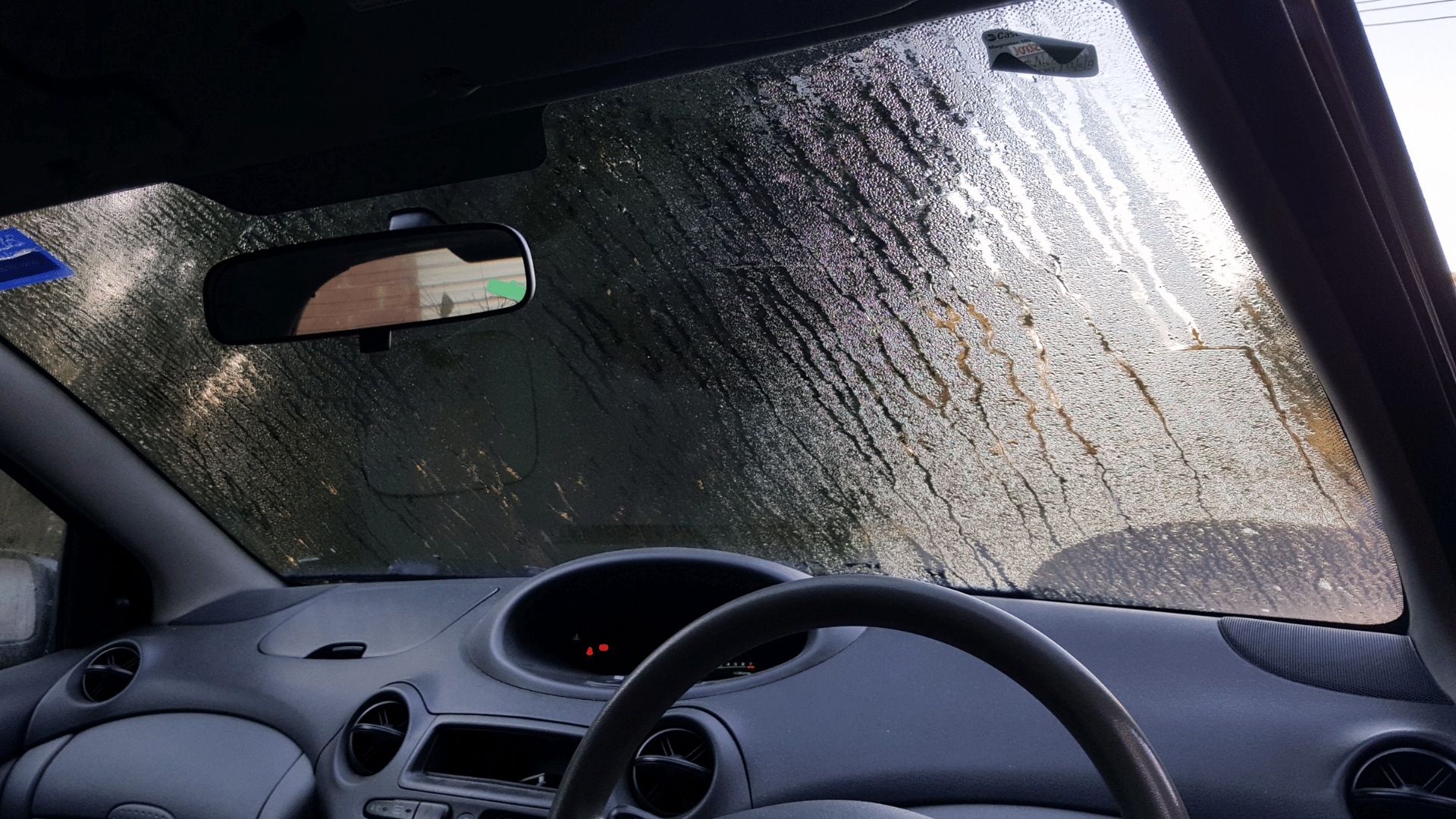
Windshield fog always seems to show up at the worst time. I have dealt with it on cold mornings, rainy days, and even during short drives.
You start the car, and suddenly the glass turns cloudy, making it hard to see the road.
It feels annoying and unsafe, especially when you are in a hurry.
In this guide, I shared how to get rid of fog on the windshield using quick and simple methods. You will learn why fog builds up, what makes it worse, and what actually helps clear it fast.
I have also shared tips you can use right away without special tools or complicated steps.
These tips work in real driving situations, not just in theory.
By the end, you will know how to keep your windshield clear and drive with more confidence, even when the weather is not on your side.
Why Windshields Fog up in the First Place?
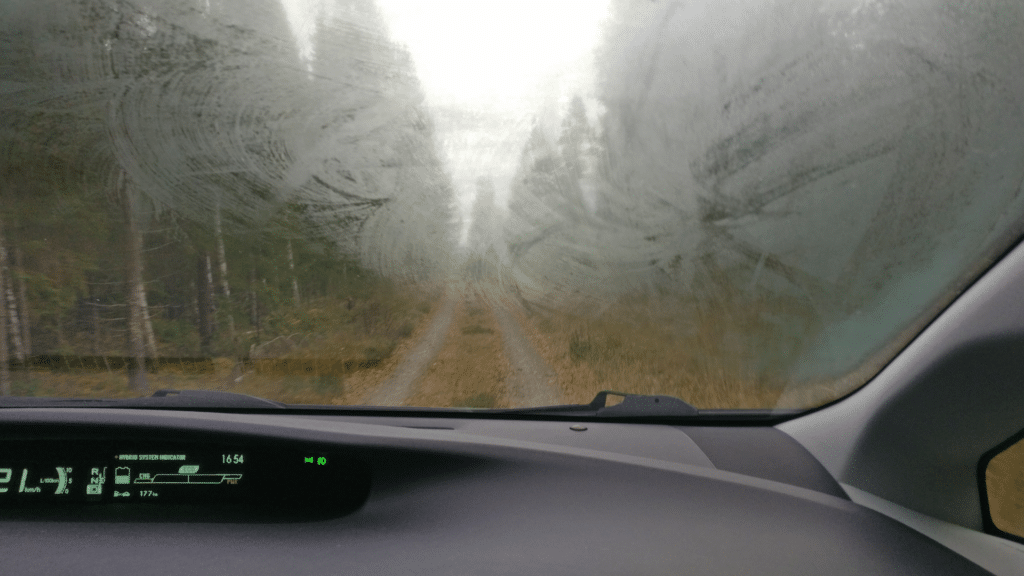
Windshields fog up because warm air inside the car meets a colder glass surface. When this happens, moisture in the air turns into tiny water droplets on the windshield.
This simple reaction causes real driving problems and makes people look for ways to get rid of fog on the windshield fast.
Temperature differences play the biggest role, especially in cold or rainy weather.
The inside of your car stays warm from your breath and body heat, while the outside air cools the glass quickly.
Humidity and trapped moisture make the fog worse. Wet floor mats, damp seats, or leftover rain raise moisture levels inside the car.
Everyday situations like cold mornings, rainy days, and breathing during slow drives add more moisture. When airflow stays low, fog forms faster and blocks your view.
Effective Tips for Defogging Your Car Windshield
These tips help clear fog quickly using simple actions you can do while driving. They focus on airflow, moisture control, and visibility.
1. Turn on Fresh Air Instead of Recirculation
Using fresh air helps remove moisture trapped inside your car. When air recirculation stays on, humidity keeps building up, and fog returns faster.
Switch to fresh air mode so damp air can escape and reduce moisture levels.
This balances the temperature inside and outside the car and improves visibility.
Even without using defrost, this step makes a clear difference during daily driving. It works well during short trips and stop-and-go traffic.
If you are trying to understand how to get rid of fog on the windshield in a simple way, using fresh air is one of the easiest habits to start using every day.
2. Crack a Window Slightly While Driving
Opening a window just a little lets moist air escape from the cabin. This reduces humidity without making the car too cold.
Even a small opening helps balance the air pressure inside. It works best during rainy days or cold mornings.
Many drivers skip this step, but it can clear fog faster than expected. Keep the window cracked for a few minutes until visibility improves.
This simple habit supports airflow and prevents fog from settling on the glass again during your drive.
3. Clean the Inside of the Windshield Properly
A dirty windshield holds moisture and makes fog stick longer. Oils from hands, dust, and cleaners leave a thin film on the glass.
This film traps moisture and worsens fog. Use a clean microfiber cloth and a basic glass cleaner to wipe the inside surface.
Make sure the glass feels smooth and dry after cleaning. Regular cleaning reduces how fast fog forms.
If you want better results when figuring out how to get rid of fog on the windshield, keeping the inside glass clean is an easy and effective step.
4. Adjust the Air Vents Toward the Windshield
Directing airflow toward the windshield helps move moist air away from the glass. Even without using defrost, air circulation can reduce fog buildup.
Aim vents upward so air flows across the surface. This helps dry the glass faster and improves visibility.
Avoid blocking vents with items on the dashboard.
Clear airflow works best during slow driving or short trips. Small airflow changes like this support other defogging steps and help keep the windshield clear longer while driving.
5. Remove Damp Items from the Car
Wet items inside the car raise moisture levels fast. Jackets, umbrellas, shoes, or bags can hold water for hours.
This moisture stays trapped and causes fog to return.
Take damp items out as soon as possible. If you cannot remove them right away, place them in the trunk or a sealed bag. Keeping the cabin dry helps reduce humidity.
This habit supports other methods and makes it easier to control fog during daily driving, especially in wet or cold weather.
6. Use the Air Conditioner Briefly
The air conditioner helps pull moisture out of the air, even in cooler weather. Turning it on for a short time can lower the humidity inside the car.
This helps clear fog faster without relying on full defrost. You do not need to run it for long.
Just a few minutes can improve visibility.
This method works well during rainy days when moisture builds up quickly inside the cabin. It is a simple way to support airflow and reduce fog buildup.
7. Wipe Fog with a Dry Microfiber Cloth
If fog builds up suddenly, a dry microfiber cloth can help. Gently wipe the inside of the windshield to remove moisture.
Use a clean cloth to avoid spreading oils or residue. This works best as a short-term fix when visibility drops fast. Keep a cloth in your car for quick access.
While this does not stop fog from returning, it helps restore a clear view until airflow or other steps take effect.
8. Keep Airflow Moving During Short Drives
Short drives often cause fog because moisture has no time to escape. When you start the car, turn on the fresh air right away and keep the airflow moving.
Aim the vents toward the windshield so moist air does not settle on the glass.
Avoid sitting in the car with the air system off, even for a few minutes.
Light airflow helps balance temperature and humidity. This habit works well for quick errands and stop-and-go traffic where fog tends to build up fast.
9. Dry Floor Mats and Carpets Regularly
Wet floor mats and carpets trap moisture inside your car for hours. This moisture slowly rises and adds humidity to the cabin air.
When warm air hits the windshield, fog forms again. Remove wet mats after rain or snow and let them dry fully.
Check carpets for damp spots near doors or pedals. Drying these areas lowers humidity and supports long-term moisture control.
This simple step helps reduce repeat fog and keeps the interior more comfortable during daily driving.
Long-Term Ways to Keep Your Windshield Fog-Free
Small daily habits can reduce moisture inside your car and make it easier to learn how to get rid of fog on the windshield over time. These steps focus on prevention rather than quick fixes.
- Keep The Interior Dry: Wet mats, seats, and carpets trap moisture. Dry them fully to lower the humidity inside the car.
- Clean The Inside Glass Often: Dust and residue hold moisture. Clean glass fogs less during temperature changes.
- Fix Small Leaks Early: Worn seals let rain and air in. Even minor leaks can cause repeated fog.
- Improve Airflow While Driving: Let fresh air move through the cabin. This helps moisture escape instead of settling on the glass.
- Store Damp Items Elsewhere: Avoid leaving wet clothes or gear inside. They raise humidity long after the drive ends.
When to Fix Moisture Problems Inside Your Car?
You should fix moisture problems inside your car when fog keeps coming back, even after you clean the windshield.
This is often a sign that moisture is trapped inside. You may notice a damp smell, wet carpets, or fog that returns on every drive.
These issues usually come from small leaks, worn door seals, or water stuck under floor mats. When leaks and wet surfaces hold moisture, humidity builds up fast.
As soon as warm air hits the cold glass, fog forms again. This makes it harder to see and less safe to drive.
If you are trying to figure out how to get rid of fog on the windshield problems for good, fixing moisture early is key.
Drying carpets, sealing leaks, and checking weather strips can stop repeat fog. These steps also protect your car’s interior from mold and damage over time.
Common Mistakes that Make Windshield Fog Worse

Some habits trap moisture or reduce airflow without you noticing. Fixing these small issues can make daily driving clearer and easier.
- Wiping the glass with hands or a dirty cloth, which spreads moisture
- Using cleaners that leave a film on the inside of the glass
- Leaving wet jackets, bags, or umbrellas inside the car
- Keeping windows fully closed during short trips
- Blocking air vents with items on the dashboard
- Skipping regular cleaning of the inside windshield
- Ignoring damp carpets and floor mats
Conclusion
Foggy windshields can turn a normal drive into a stressful one, especially when time is tight.
Simple steps like adjusting airflow, letting fresh air in, and wiping the inside glass correctly can clear fog fast.
These quick methods help when fog shows up without warning. Still, prevention matters more than fixing the problem again and again.
Keeping your car dry, removing damp items, and fixing small leaks can stop fog before it forms.
Once you understand how to get rid of fog on the windshield issues the smart way, driving feels safer and easier. Now is a good time to try these tips on your next drive. Pay attention to what works best for you.
If you have your own experience or a tip that helped, share it in the comments below. Your input could help other drivers too.