

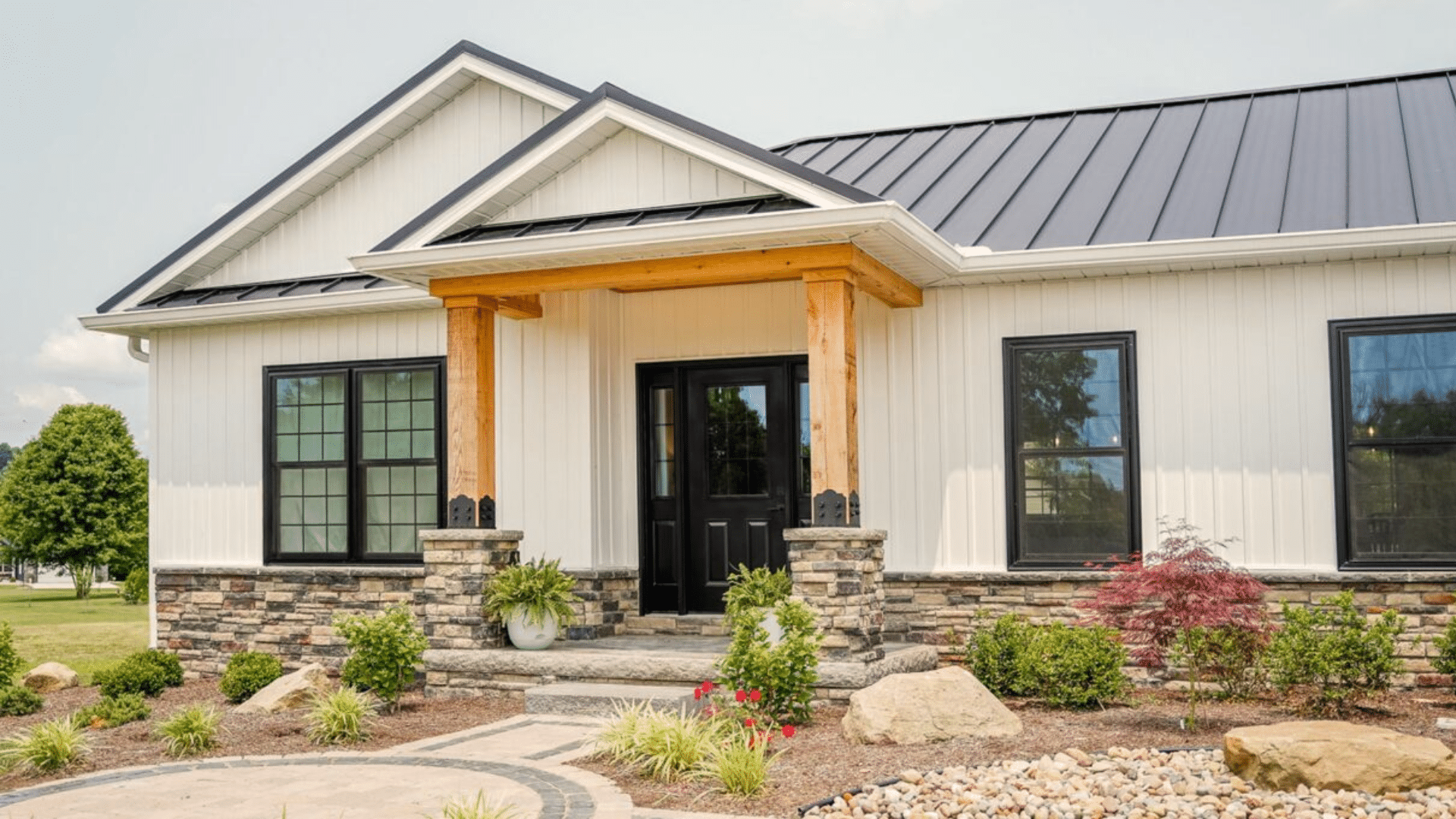
Most homeowners choose vinyl siding because it looks clean, costs less than many options, and seems easy to live with. Still, after a few years, questions start to come up.
Fading, cracking, or loose panels make people wonder how long vinyl siding really lasts in real homes, not just on paper.
In this guide, you will learn the average lifespan of vinyl siding and what can make it last longer or wear out faster. I will share how weather, upkeep, and installation play a role.
You will also see the signs that point to repair or full replacement, plus what other homeowners are seeing over time.
Many brands promise long warranties, but real-world use often tells a different story. This guide will help you set clear expectations, so you can plan ahead and avoid costly surprises later.
How Long Does Vinyl Siding Last?

Most vinyl siding lasts 20 to 40 years in normal home conditions. This range fits what many homeowners see after years of daily exposure.
Manufacturers often advertise longer lifespans, sometimes 50 years or more.
Those numbers usually assume ideal weather, perfect installation, and regular care. Real use tells a more practical story. Sun, heat, storms, and poor airflow slowly wear the panels down.
Over time, siding may fade, crack, or loosen, even if it still looks fine from a distance.
Thicker vinyl and proper installation help it last closer to the higher end of the range. Lower-grade siding often shows problems sooner.
The key point to remember is that vinyl siding does not last forever.
It performs well for decades, but it will age like any exterior material. Knowing this helps homeowners plan repairs or replacement before issues turn costly.
Factors that Affect Vinyl Siding Lifespan
Several everyday factors decide how long vinyl siding lasts on a real home. These points explain why some siding lasts decades while others fail sooner.
1. Climate and Weather Exposure
Climate has a strong impact on how vinyl siding ages over time. Homes in hot, sunny areas often deal with fading, warping, or softening caused by constant UV exposure.
In colder regions, vinyl can become stiff and brittle, which increases the risk of cracking.
Heavy rain, snow buildup, hail, and strong winds also put pressure on panels and fasteners. Coastal areas may see faster wear due to moisture and salt in the air.
While vinyl is built to handle outdoor conditions, long-term exposure in harsh climates usually shortens its lifespan compared to mild environments.
2. Quality of Installation
Installation quality can make or break how long vinyl siding lasts. Panels need proper spacing so they can expand and contract with temperature changes.
When nails are driven too tightly or panels are uneven, buckling and warping become more likely.
Poor installation can also block airflow or trap moisture behind the siding. Over time, this hidden moisture can cause structural issues beneath the panels.
Even premium vinyl siding will show early problems if the job is rushed or done incorrectly.
A careful installation helps siding perform closer to its expected lifespan.
3. Siding Thickness and Material Grade
Vinyl siding comes in different thickness levels, and that difference matters. Thicker panels resist dents, wind damage, and heat stress better than thin options.
Lower-grade vinyl often fades faster and may crack after repeated exposure to temperature changes.
Higher-grade siding keeps its shape longer and holds color better over time. While thicker siding costs more upfront, it often reduces repair needs later.
Homeowners who choose better materials usually see fewer issues and a longer service life compared to budget-grade options.
4. Ongoing Maintenance and Care
Vinyl siding is low maintenance, but it is not maintenance-free. Dirt, mold, and mildew can build up over time and slowly weaken the surface.
Regular cleaning helps protect both appearance and strength. Small issues like loose panels or minor cracks should be fixed early to prevent larger damage.
Ignoring these signs can lead to water getting behind the siding.
Homes that receive basic care and occasional inspections often get many more years out of their vinyl siding than homes left unattended.
Maintenance Tips to Extend the Life of Your Vinyl Siding

These easy habits help reduce long-term damage and keep problems from growing. Small steps done on time often prevent costly repairs later.
- Cleaning: Wash the siding once or twice a year using water and mild soap to remove dirt, mold, and surface buildup.
- Rinsing: Always rinse well so that soap residue does not dry on the panels and weaken the surface.
- Inspections: Check the siding after storms for cracks, gaps, or loose panels that may allow moisture in.
- Problem Areas: Look closely around windows, doors, and corners where damage often starts first.
- Small Fixes: Reattach loose panels right away to prevent wind or water from getting behind the siding.
- Panel Replacement: Replace cracked or broken sections early to stop damage from spreading.
- Plant Control: Trim trees and shrubs so branches do not scrape or press against the siding.
- Water Control: Keep gutters and downspouts clear, so water flows away from the siding and foundation.
What Homeowners Say on Reddit About Vinyl Siding?
Many homeowners on Reddit share similar experiences with vinyl siding aging around the 20 to 30-year mark.
In one popular discussion, a homeowner with about 25 years of vinyl siding noticed cracks, brittleness from sun exposure, and even a panel coming loose during a storm.
Others agreed that this timeline is common. Several users pointed out that vinyl siding is not truly a lifetime material, despite how it is often marketed.
Changes in manufacturing and environmental rules mean newer vinyl may become brittle faster than older versions.
A common frustration was color matching. After decades of fading, replacing just a few panels often leaves obvious patchwork.
Some users said small repairs work for short-term fixes, but full replacement makes more sense once issues repeat.
Cost and how long you plan to stay in the home also came up often. Overall, Reddit users see vinyl siding as durable, but not permanent.
Signs You May Need to Replace Vinyl Siding

Some problems are easy to see, while others affect how your home functions. Catching these signs early can help prevent bigger repairs later.
1. Cracks or Warping
Visible damage is often the clearest sign that vinyl siding is reaching the end of its life. Cracks may appear from age, impact, or repeated exposure to heat and cold.
Warping usually happens when panels expand and contract too often or are installed without proper spacing.
Loose panels may shake in strong winds or pull away from the wall.
These openings allow water, insects, and debris to get behind the siding. Over time, this hidden exposure can lead to structural damage beneath the surface.
2. Fading or Uneven Color
Vinyl siding fades naturally over time, but heavy or uneven fading often signals deeper wear. Long-term sun exposure breaks down the surface, especially on lower-grade siding.
When some sections look much lighter than others, it usually means the siding has aged unevenly.
Severe fading can make a home look worn and older than it is.
While color changes alone may not cause damage, they often appear alongside thinning or weakened panels that suggest replacement may be needed.
3. Higher Energy Bills or Drafts
Damaged siding can affect how well your home holds indoor temperatures.
Gaps, cracks, or loose panels allow outside air to move in and out more easily. This can lead to drafts near walls and windows, even when they are closed.
Over time, heating and cooling systems have to work harder to maintain comfort.
If energy bills keep rising without another clear cause, failing siding may be reducing insulation and overall efficiency.
4. Moisture Interior Wall Damage
Moisture-related issues are serious warning signs. Peeling paint, bubbling drywall, or mold inside the home can point to water getting behind the siding.
Vinyl siding should protect the home from moisture, so interior damage suggests it is no longer doing its job.
Mold growth also raises health concerns. Once moisture reaches wall framing or insulation, repairs become more complex.
At this stage, replacement is often the safest and most cost-effective solution.
5. Frequent Repairs or Ongoing Issues
Needing repeated fixes is another sign that replacement may be the better option.
If panels keep coming loose or cracks return after repairs, the siding may be worn beyond simple fixes. Constant patching can become costly and time-consuming.
Older siding also becomes more fragile, making repairs less reliable over time.
When issues keep repeating, replacing the siding often provides better protection and long-term value than continuing short-term repairs.
Repairing vs. Replacing Vinyl Siding
Choosing the right option depends on damage level, age, and future plans. Looking at cost and long-term value makes the decision clearer.
| Situation | Repairing Vinyl Siding | Replacing Vinyl Siding |
| Minor damage | Works well for small cracks, loose panels, or limited impact damage | Not needed when damage is isolated |
| Age of siding | Best if siding is fairly new and in good overall shape | Better if the siding is near the end of its lifespan |
| Cost upfront | Lower short-term cost with quick fixes | Higher upfront cost for materials and labor |
| Appearance | Repaired sections may not match older panels | Full replacement gives a uniform, updated look |
| Long-term value | Repairs may add short-term relief, but can repeat | Replacement offers better durability and fewer issues |
| Home value impact | Small or no increase in resale value | Often improves visual appeal and resale potential |
Lifespan of Other Siding Types
Different materials age at different rates based on care and conditions. Knowing these ranges helps set realistic expectations.
- Wood siding: Usually lasts 20 to 40 years with regular upkeep. It needs frequent painting or sealing and is more prone to rot, insects, and moisture damage.
- Fiber cement siding: Often lasts 40 to 50 years. It resists fire, insects, and weather better than wood but costs more upfront and requires professional installation.
- Metal siding: Can last 40 years or longer. It handles weather well and resists pests, but dents easily and may rust if the coating wears off.
- Vinyl siding: Typically lasts 20 to 40 years. It needs less maintenance than wood but may fade or crack over time, especially in harsh climates.
Conclusion
Vinyl siding can last a long time, but it does not last forever. For most homes, 20 to 40 years is a realistic range when you factor in weather, care, and installation quality.
Some siding holds up better, while other panels show problems sooner.
That is why it helps to look at your own home instead of relying only on warranty claims.
Take time to check for cracks, fading, loose panels, or signs of moisture. Small issues caught early can save money and stress later.
If your siding is aging, planning ahead gives you more control over repairs or replacement.
Every home tells a different story. If you have vinyl siding, share how long yours has lasted or what issues you’ve seen. Your experience may help other homeowners decide what to do next.