

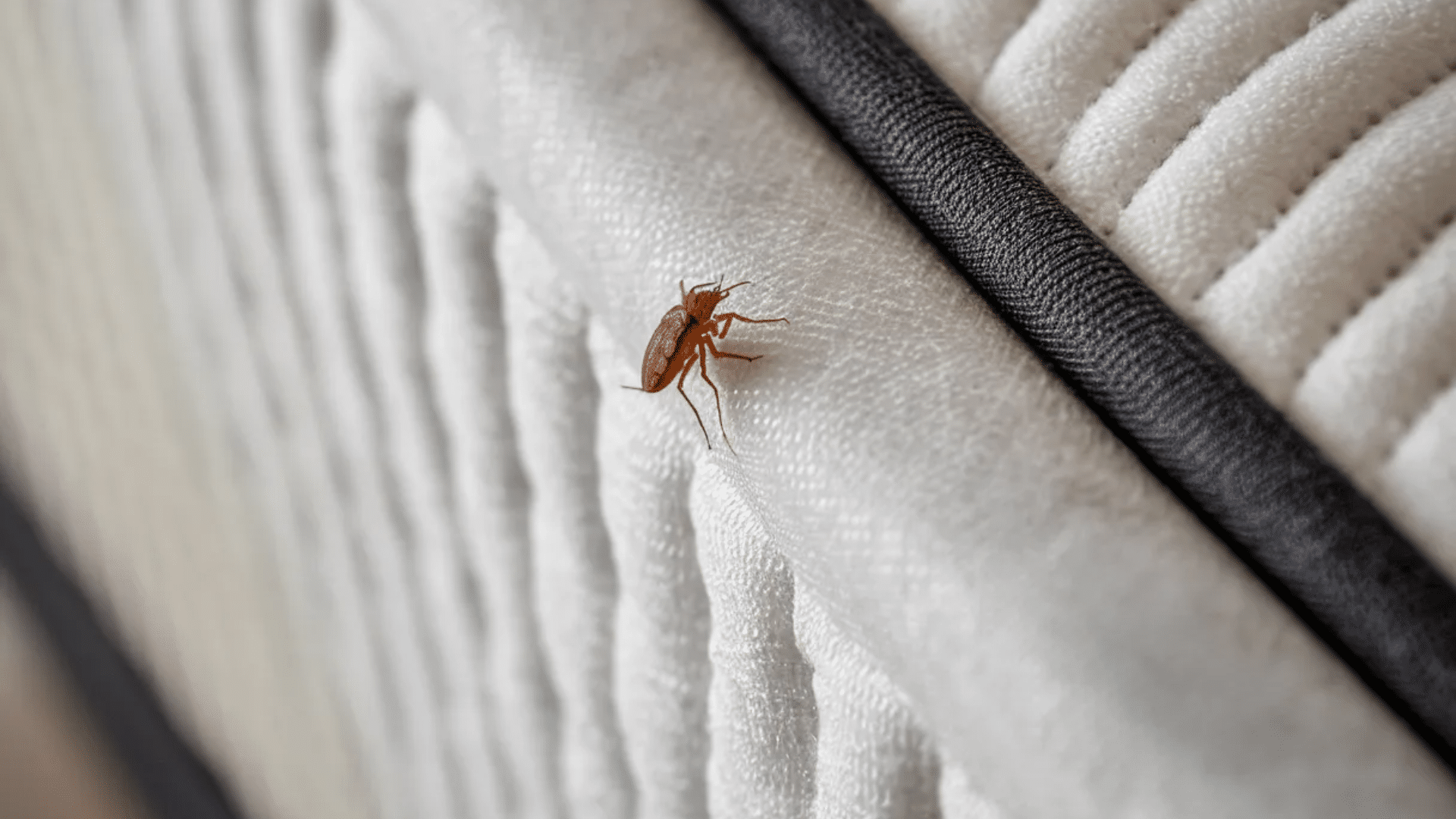
Used wooden furniture can be a great deal, but it may also bring an unwanted problem, bed bugs.
These tiny bugs can hide deep inside cracks, joints, or small holes in chairs, dressers, or bed frames. Once inside your home, they are hard to get rid of.
People often don’t know they’re there until bites or stains appear. That’s why it’s important to check every piece before bringing it in.
Even clean-looking furniture can have bed bugs. This guide will help readers spot early signs of bed bugs in wood furniture and understand what to do if they find any.
It’s better to check now than deal with an infestation later.
What are Bed Bugs, and Can They Live in Wood Furniture?
Bed bugs are tiny insects that feed on human blood. They are flat, oval-shaped, and brown, about the size of an apple seed.
Because of their small size and thin bodies, they can slip into tiny cracks and hide during the day. At night, they come out to feed.
Most people think bed bugs only live in mattresses, but that’s not true. They can live in many places, including wooden furniture.
Even clean-looking furniture can carry them. That’s why it’s important to check all wood furniture, especially secondhand items, before bringing them into your home.
Why Wood Furniture is a Common Hiding Spot
Wood furniture may look clean and solid, but it can still hide bed bugs. Here are some reasons why bed bugs like to hide in wood:
- Cracks and joints: Small gaps in the wood make it easy for them to crawl in and stay out of sight.
- Dark spots: Bed bugs avoid light, so they prefer dark, quiet places, such as the inside of dressers or under tables.
- Close to beds: Bed frames, nightstands, and nearby furniture give them easy access to people while they sleep.
- Rough surfaces: Unfinished wood, chipped paint, or splinters help them grip and stay hidden.
Wood may seem like a safe material, but it often gives bed bugs the perfect place to hide. That’s why careful checks are so important.
Common Wood Furniture Bed Bugs Hide In
Some types of wood furniture are more likely to harbor bed bugs, especially if they’re used, old, or stored near beds. Here’s a simple list of common items to check carefully before bringing them home:
| Furniture Type | Why It’s a Risk |
|---|---|
| Bed Frames | Often close to people while sleeping; full of cracks |
| Nightstands | Kept near beds; bugs can move between the mattress and the stand |
| Dressers | Have deep drawers, dark corners, and joints |
| Wardrobes | Large, dark spaces make good hiding spots |
| Wooden Chairs & Benches | Cracks, legs, and seams offer small places to hide |
| Bookshelves | If near beds or sofas, they can harbor bugs |
| Used Cribs or Baby Furniture | Older cribs may have tiny cracks or rough wood areas |
Signs of Bed Bugs in Wood Furniture
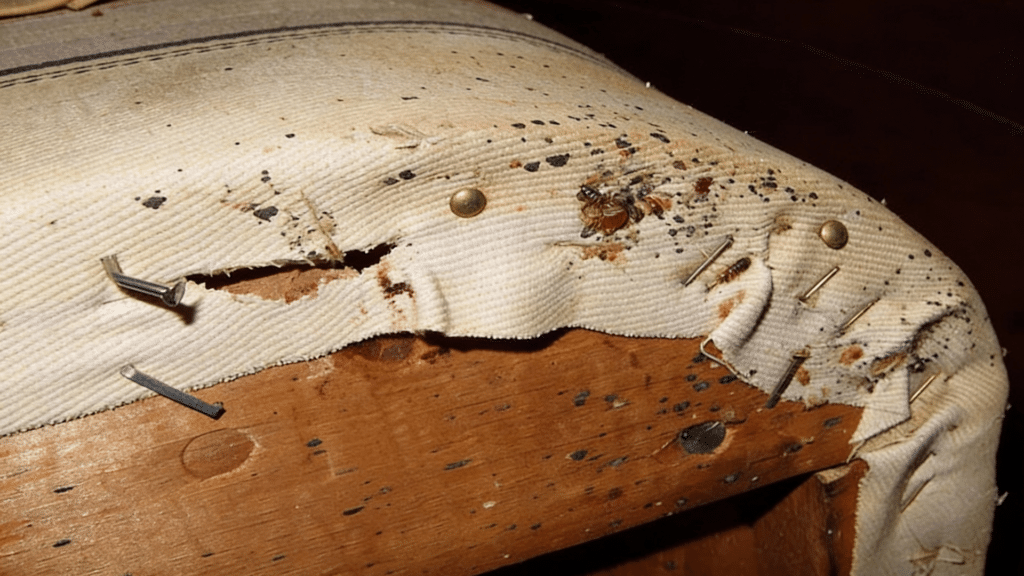
Bed bugs are small, but they leave behind clues. If you’re checking secondhand wood furniture, look for these signs that may show bugs are hiding inside.
1. Dark Spots or Stains
Bed bugs often leave behind small black or brown spots. These are from their droppings or from crushed bugs. You may find them around:
- Corners of drawers
- Underside of the furniture
- Cracks or joints in the wood
These spots may look like tiny ink dots. Use a flashlight to check dark areas, especially hidden corners and seams.
2. Shed Skins
As bed bugs grow, they shed their outer shell. These dry skins are often pale yellow or light brown and shaped like the bug. You may see them near:
- Joints and legs of the furniture
- Under cushions or covers
- Inside drawers or wood gaps
Shed skins are a strong sign that bed bugs have been living in the furniture for some time.
3. Live Bugs
Seeing a live bed bug is a clear warning. Adult bugs are flat, oval, and about 5–7 mm long. Look for them in:
- Tight cracks or crevices
- Gaps between wood joints
- Along the bottom or back edges of furniture
They hide during the day and come out at night, so check carefully. They move fast when touched, so watch for movement.
4. Tiny White Eggs
Bed bug eggs are very small, white, and sticky. They are about the size of a pinhead and can be hard to see. You might find them in:
- Deep wood cracks or seams
- Corners of drawers
- Behind or under furniture panels
Finding eggs means bed bugs are still active and may be growing in number.
5. Musty or Sweet Smell
A strong or strange smell can be a sign of a large infestation. Some people say it smells musty, sweet, or like dirty laundry. This odor comes from the bugs and their droppings. If you notice:
- A lingering musty smell near the furniture
- A strong odor when you open drawers
- An unusual scent that doesn’t go away
It may be time to take a closer look for other signs of bugs.
6. Unusual Bites After Contact
If you sit or sleep near wooden furniture and later notice red, itchy bites, bed bugs may be hiding there. These bites often appear:
- In rows or small clusters
- On exposed skin like arms, neck, or legs
- A few hours after contact with the furniture
Bites alone aren’t proof, but if they happen with other signs, it’s likely bed bugs are nearby.
How to Check Used Wood Furniture for Bed Bugs
If you’re getting secondhand wood furniture, follow these steps before bringing it home:
- Inspect Outside in Good Light: Use natural sunlight or a flashlight. Take the furniture outside if possible. This helps you see small signs better and keeps bugs out of your house.
- Look at All Joints and Seams: Check where pieces of wood meet. Bed bugs love to hide in those tight, dark spaces.
- Use a Thin Tool to Probe Cracks: Slide a credit card, toothpick, or small tool into tight cracks. If you see movement or dust that looks like eggs or skins, be cautious.
- Check Under and Inside Drawers: Pull out drawers and check the bottoms. Flip furniture upside down. Remove backing if possible.
- Tap and Listen: Lightly tap wooden areas. Sometimes this causes hidden bugs to move, and you might hear soft rustling.
What to Do if You Find Bed Bugs in Furniture
If you spot any signs of bed bugs in wood furniture, do not bring it into your home, even if it looks clean or is worth a lot.
Bed bugs can be hard to see, but even one bug can start a serious infestation. A single female bed bug can lay hundreds of eggs, and once they spread, they are very difficult to remove.
Keep it Out: The safest first step is to keep the furniture outside or in a sealed area, such as a garage. Do not place it near your bedroom or living areas.
Treat or Toss: If you still want to keep the piece, you must treat it carefully:
- Call a pest control expert. They have tools and sprays that work better than home products.
- Use heat. Bed bugs die at 120°F (49°C) or higher, so professional heat treatment is a good option.
- Seal it up. Wrap the furniture tightly in plastic to stop bugs from escaping until it’s treated.
If treatment isn’t possible or the bugs are hard to reach, it’s safer to get rid of the furniture. Throw it away safely and label it “infested” so no one else takes it.
How to Prevent Bringing Bed Bugs Home
Bringing used wood furniture into your home can be risky if you’re not careful. Bed bugs can hide in tiny cracks and go unnoticed. To stay safe, follow these simple steps before using any secondhand piece.
- Buy From Trusted Sellers; Avoid picking up furniture left on the street or from unknown sources. Look for sellers who clean and inspect their items.
- Avoid Curbside Finds: Free furniture left on sidewalks or curbs is a big risk. Bed bugs often travel this way.
- Ask About Bed Bug History: If buying used furniture, ask the seller:
- Where was it stored?
- Any signs of bed bugs?
- Has it been treated before?
- Seal and Heat-Treat Before Use: You can place small furniture in black plastic bags and leave it in the sun for a few hours. The heat may help kill hidden bugs.
Final Checklist Before Bringing Wood Furniture Home
Use this quick list to stay safe when handling secondhand furniture:
- Inspect all joints, cracks, and corners
- Use a flashlight for deep checks
- Look for dark stains, eggs, shed skins, or live bugs
- Avoid any item with a musty or strange smell
- Ask the seller about the furniture’s storage and history
- Treat or clean the piece before using it indoors
- Seal cracks and repaint or refinish if needed
Taking a few extra minutes to check can help prevent a serious bed bug problem in your home.
Wrapping Up
Bed bugs can hide in more than just beds. Wood furniture, especially secondhand pieces, can be a place for them to live and spread.
They crawl into cracks, lay eggs, and stay hidden during the day. That’s why it’s so important to check every piece before bringing it home.
Look for signs like stains, shed skins, and tiny eggs. If something feels off, it’s better to be safe and walk away. A careful check now can save you from big problems later.
Stay alert, ask questions, and treat furniture if needed. Want to keep your home bed bug-free? Use this guide before your next furniture find.