

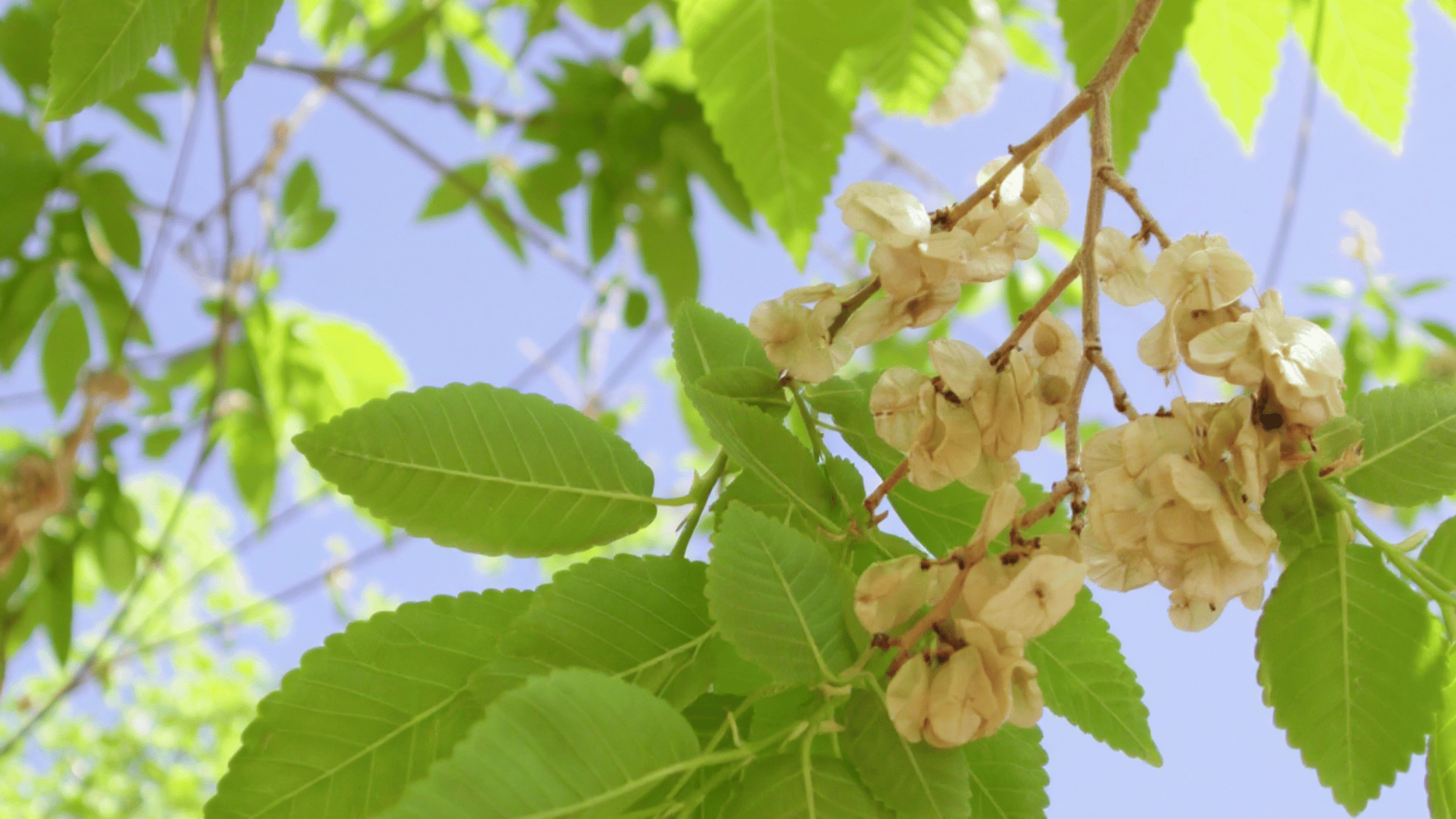
Elm trees have stood tall in neighborhoods and parks for generations. Their sweeping branches create natural canopies that offer shade on hot summer days. But there’s more to these trees than meets the eye.
Many people walk past elms without realizing their rich history or the challenges they’ve faced. From their distinctive vase-shaped silhouette to their role in urban landscapes, elm trees carry stories worth telling.
Some have survived diseases that wiped out millions of their kind. Others continue to adapt and thrive in modern settings.
Understanding what makes elm trees special helps appreciate why they remain a beloved choice for planting. This guide covers the essentials about these remarkable trees.
Key Features of Elm Trees
Elm trees belong to the genus Ulmus and feature distinctive arching branches. These deciduous hardwoods grow rapidly and adapt well to various soil conditions, making them popular landscape choices.
| Feature | Details |
|---|---|
| Scientific Name | Ulmus (genus) |
| Tree Type | Deciduous hardwood |
| Mature Height | 40-100 feet (depending on species) |
| Canopy Spread | 30-70 feet |
| Growth Rate | Fast to moderate |
| Lifespan | 100-300+ years (if disease-free) |
| Leaf Shape | Oval with serrated edges, asymmetrical base |
| Fall Color | Yellow to golden brown |
| Bark Texture | Rough, deeply furrowed with age |
| Native Range | North America, Europe, Asia |
| Soil Preference | Adaptable; prefers moist, well-drained soil |
| Sun Requirements | Full sun to partial shade |
| Hardiness Zones | 3-9 (varies by species) |
Benefits of Elm Trees
Elm trees offer numerous advantages beyond their beauty. They provide environmental, practical, and aesthetic value, making them worthwhile additions to landscapes.
- Excellent shade provider: The broad, vase-shaped canopy creates dense shade that cools homes and reduces energy costs during summer months.
- Air quality improvement: Elms actively filter pollutants and absorb carbon dioxide while releasing oxygen, contributing to cleaner air in urban areas.
- Wildlife habitat: Birds, squirrels, and insects rely on elm trees for nesting sites, food sources, and shelter throughout the year.
- Erosion control: Their extensive root systems help stabilize soil and prevent erosion along riverbanks, slopes, and other vulnerable areas.
- Property value enhancement: Mature elm trees increase curb appeal and can boost property values by 10-20% with their stately presence.
Types of Elm Trees
Several elm species exist worldwide, each with unique characteristics. Understanding the differences helps homeowners and landscapers choose the right variety for their specific needs.
1. American Elm
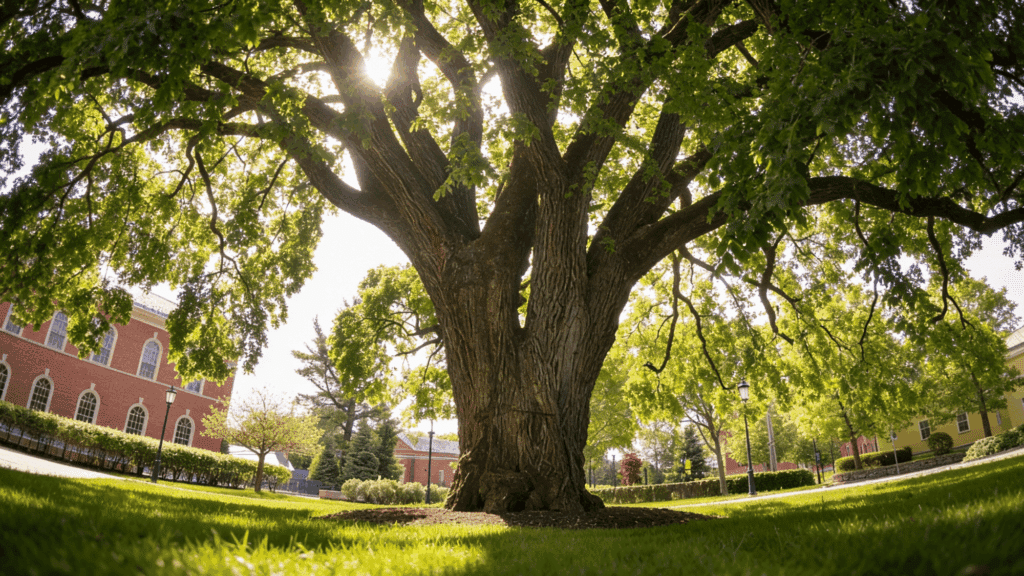
The American elm is a classic North American shade tree known for its tall height and graceful vase-shaped canopy. It can grow up to 100 feet, forming impressive arching branches.
Although Dutch elm disease devastated populations, new disease-resistant cultivars are helping restore this iconic species in parks, streets, and modern urban landscapes.
2. English Elm
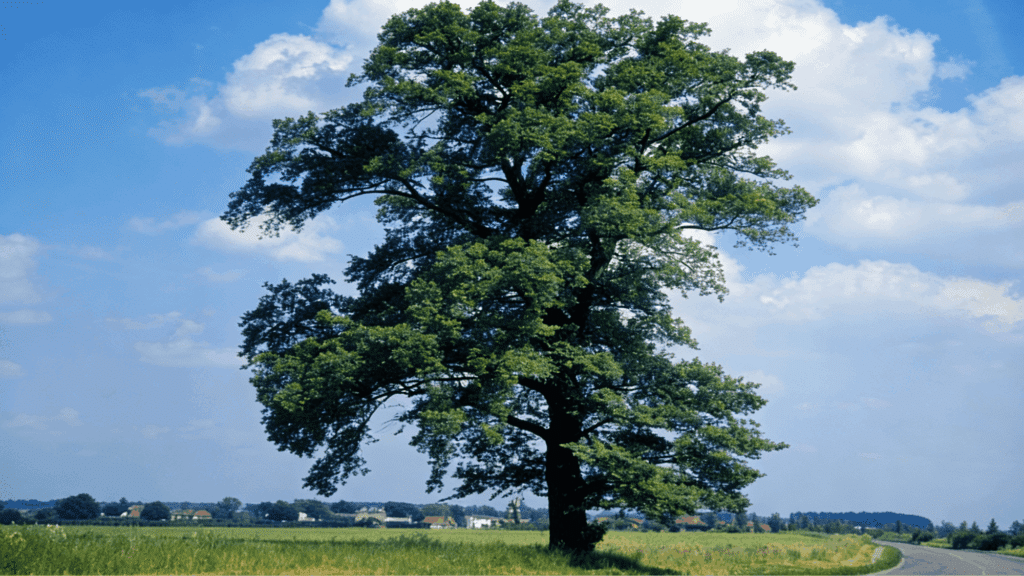
English elm is a European species recognized for its rounded crown and dense dark-green foliage.
Typically reaching 60–80 feet, it provides excellent shade and works well in city environments. While Dutch elm disease reduced its numbers, it still survives in many regions.
Its tolerance for pollution and compacted soils makes it valuable for landscaping.
3. Slippery Elm
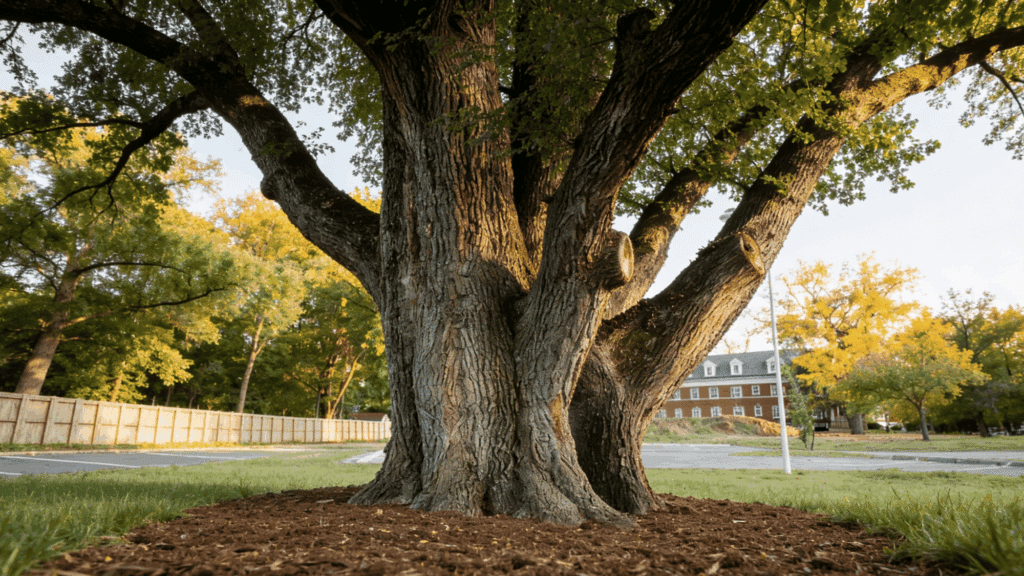
Slippery elm is a medium-sized native tree famous for its inner bark, which feels slick and has long been used in herbal remedies.
Growing 40–60 feet tall, it thrives in moist woodlands and river valleys. It produces small reddish flowers in spring, and its deeply furrowed bark adds texture and beauty with age.
4. Chinese Elm
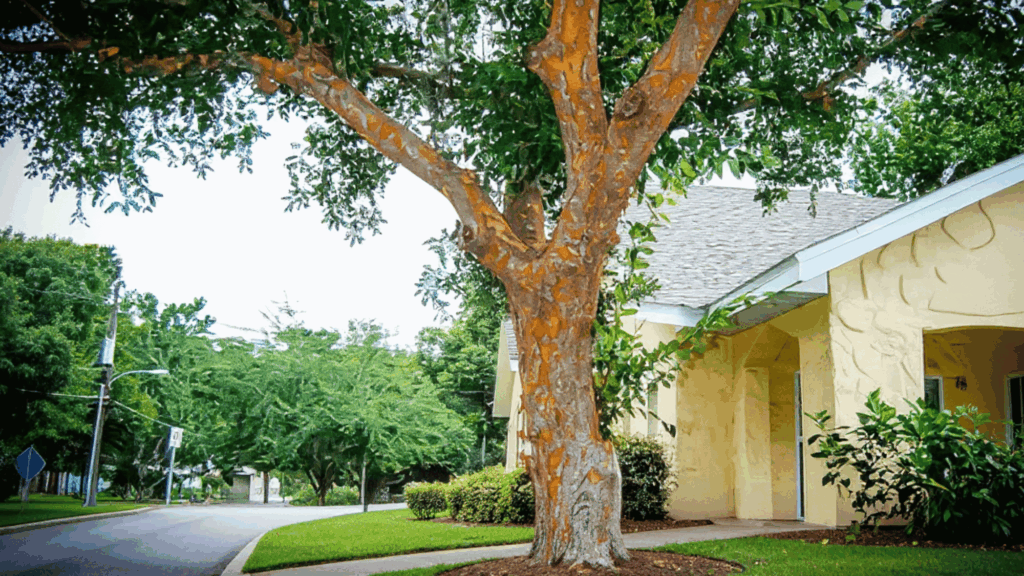
Chinese elm is a smaller, adaptable elm valued for its attractive mottled bark that peels to reveal mixed colors.
Usually growing 40–50 feet tall, it is highly resistant to Dutch elm disease, making it a popular substitute for American elm. Its fine foliage and graceful shape suit landscapes, streets, and even bonsai cultivation.
5. Siberian Elm
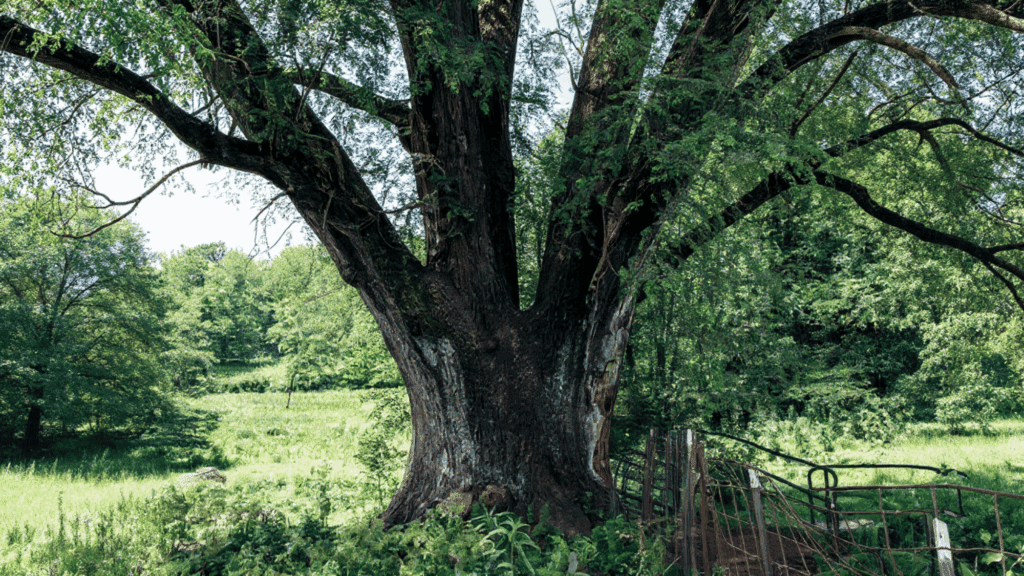
Siberian elm is a fast-growing, hardy species that tolerates drought, cold, and poor soil conditions. It reaches 50–70 feet and is often used for quick shade or windbreaks.
However, it spreads aggressively through seeds and can become invasive. Its brittle wood also makes it prone to storm damage.
American Elm Tree: The Iconic Native Elm Species
The American Elm once reigned as America’s most beloved street tree.
Its towering presence lined countless boulevards, creating natural cathedral-like archways that defined neighborhoods from coast to coast.
Homeowners planted them for their fast growth and stunning symmetry. Then disaster struck. Dutch elm disease arrived in the 1930s and swept through populations like wildfire.
Millions of mature trees died within decades, leaving gaps in cityscapes that still echo today. Communities lost their green canopies and the character they brought.
But the American Elm refused to disappear entirely. Scientists worked tirelessly to develop disease-resistant varieties. New cultivars emerged, offering hope for a comeback.
Today, these survivors and their improved descendants stand as testaments to resilience and the enduring appeal of this native species.
Where Do Elm Trees Grow?
Elm trees demonstrate remarkable adaptability across diverse climates and regions. They thrive throughout the Northern Hemisphere, from North America to Europe and Asia.
In the United States, elms flourish from the Atlantic coast to the Rocky Mountains.
These hardy trees are hardy in USDA zones 3 through 9, tolerating both frigid winters and hot summers.
They prefer moist, well-drained soils but adapt to clay, loam, and sandy conditions. Elms commonly appear in floodplains, riverbanks, and lowland forests where moisture is plentiful.
Urban environments suit them well, too. Parks, streets, and residential yards provide ideal settings, though city conditions require disease-resistant varieties for long-term success.
History and Cultural Significance of Elm Trees
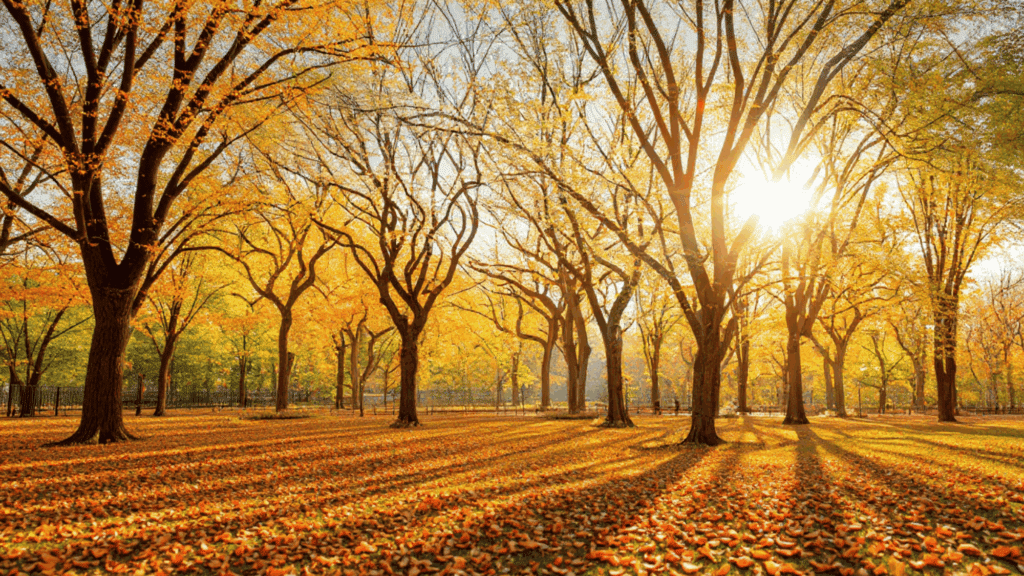
Elm trees have shaped human culture for thousands of years. Their presence in mythology, agriculture, and civic life reflects deep connections between people and nature.
Ancient Greek and Roman Traditions
Ancient Greeks trained grapevines around elm trees, creating a symbiotic relationship that earned elms the nickname “tree of wine.” Romans planted them along roads and in vineyards, valuing their sturdy branches for supporting crops and their shade for travelers and livestock.
Norse Mythology and Creation
Norse legends tell of Ask and Embla, the first man and woman created by the gods. Embla emerged from an elm tree, representing feminine strength and creation. This origin story cemented the elm’s place in Scandinavian spiritual traditions and cultural identity throughout history.
American Revolutionary Symbol
The Liberty Elm in Boston became a rallying point for American colonists protesting British rule in the 1760s. Patriots gathered beneath its branches to plan resistance, making it a powerful symbol of freedom. Similar “liberty trees” appeared in towns across the colonies during the Revolution.
Celtic Mysticism and Protection
Celtic cultures associated elms with the Underworld and spiritual transitions. They believed elm roots connected the visible world to unseen realms below. Elves supposedly guarded burial mounds near elms, and Druids considered them protective spirits that watched over sacred spaces and the deceased.
European Medieval Utility
Medieval Europeans relied heavily on elm wood for practical purposes. Its resistance to water damage made it ideal for water pipes, ship keels, and bridge supports. Farmers fed elm leaves to cattle during harsh winters, while craftsmen prized the wood for furniture and wagon wheels.
Elm Trees and Dutch Elm Disease
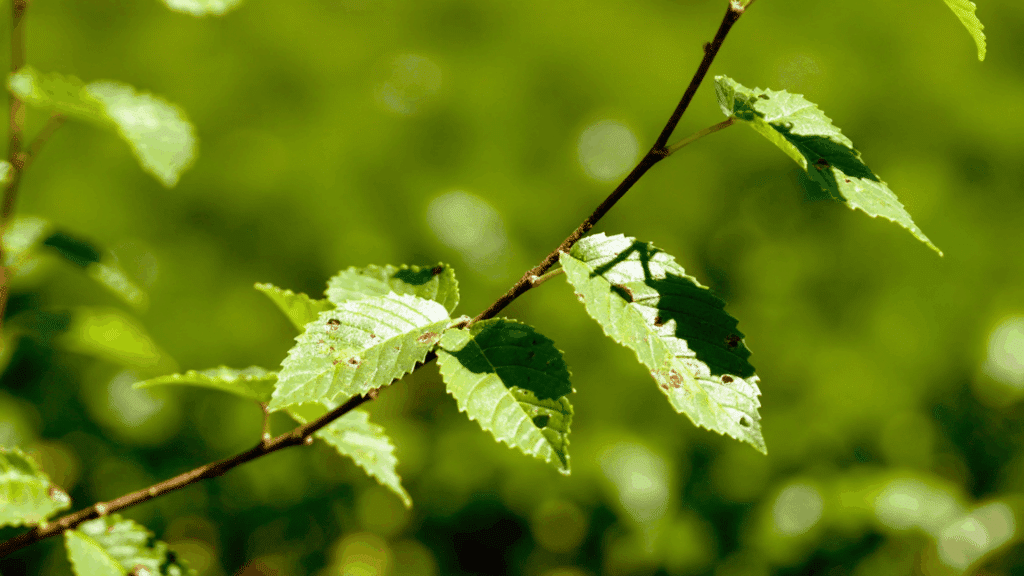
Dutch elm disease stands as one of the most devastating plant diseases in modern history. This fungal infection arrived in North America during the 1930s, likely through infected lumber shipments from Europe.
The disease spreads rapidly through bark beetles and root grafts between neighboring trees.
Once infected, an elm’s vascular system clogs, preventing water and nutrients from reaching the crown. Leaves wilt, turn yellow, and branches die back progressively. Without intervention, most trees succumb within one to three years.
The impact was catastrophic. Millions of American Elms died across cities and towns, transforming landscapes forever.
Streets that once boasted majestic canopies became barren. The loss affected more than aesthetics; it changed community identities and urban ecosystems.
Today, the disease remains a serious threat, requiring vigilant management and prevention.
How to Care for an Elm Tree
Proper care helps ensure elm trees remain healthy and resilient against disease. Following essential maintenance practices helps these majestic trees thrive for generations to come.
- Water deeply and regularly: Young elms need consistent moisture, requiring deep watering once or twice weekly during dry periods to establish strong root systems.
- Mulch around the base: Apply 2-4 inches of organic mulch in a circle around the trunk, keeping it away from the bark to retain moisture and regulate soil temperature.
- Prune during dormancy: Trim dead or damaged branches in late fall or winter when bark beetles are inactive, reducing the risk of disease transmission through fresh wounds.
- Monitor for disease signs: Inspect leaves and branches regularly for wilting, yellowing, or browning patterns that indicate Dutch elm disease or other health issues requiring immediate attention.
- Fertilize appropriately: Apply slow-release fertilizer in early spring to support healthy growth, but avoid over-fertilizing, which can weaken trees and make them more susceptible to pests.
- Avoid wounding the bark: Protect the trunk from lawn mower damage, string trimmers, and other injuries that create entry points for diseases and harmful insects.
Conclusion
Elm trees deserve their place in landscapes despite past challenges. Their towering forms and graceful branches continue creating spaces worth gathering under.
Caring for elms requires attention and commitment, but the rewards are substantial. A healthy elm can shade homes, support wildlife, and stand as a living landmark for centuries.
For those considering adding an elm to their property, the time is right. Modern cultivars combine classic beauty with improved resilience.
These remarkable trees are ready to reclaim their rightful place in urban forests and residential streets.